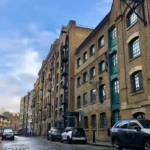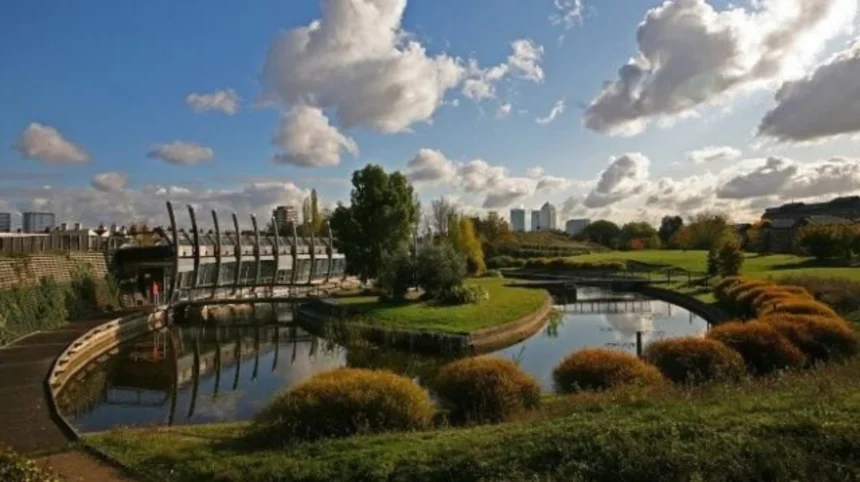
Mile End is an East London neighbourhood in the London Borough of Tower Hamlets, known for its green spaces, canal-side paths, educational heritage and connections to the wider East End. It offers visitors access to Mile End Park, Queen Mary University of London, historic buildings, local cafés and walking routes linking residential streets with waterways and nearby cultural attractions.
- What Is Mile End and Where Is It Located in London?
- Which Parks and Green Spaces Should Visitors Explore in Mile End?
- What makes Mile End Park a key attraction?
- What can visitors discover at the Ecology Park?
- Where can visitors find art and recreation?
- What Historical Landmarks Can Visitors Discover in Mile End?
- How does the People’s Palace explain Mile End’s history?
- Why is the Queens’ Building historically significant?
- How does Regent’s Canal connect Mile End with East London’s past?
- Which Museums and Cultural Attractions Are Near Mile End?
- What can visitors see at the Art Pavilion?
- Why visit the Ragged School Museum?
- Is London Museum Docklands worth including in a wider itinerary?
- What Walking Routes Can Visitors Follow Around Mile End?
- How can visitors explore Mile End Park on foot?
- Where can visitors walk beside Regent’s Canal?
- How can visitors combine parks and historic sites?
- What Family-Friendly Activities Are Available in Mile End?
- How Can Visitors Reach Mile End and Travel Around the Area?
- Where Can Visitors Eat, Relax and Spend Time Near Mile End?
- How Can Visitors Plan a Practical Day Out in Mile End?
- Why Is Mile End Worth Exploring Beyond Central London’s Main Attractions?
The area suits visitors who want to explore London beyond the main tourist districts. Its attractions combine outdoor recreation, local history, architecture and everyday East London life. Mile End Underground station connects the neighbourhood to central London through the Central, District and Hammersmith & City lines.
What Is Mile End and Where Is It Located in London?
Mile End is a historic neighbourhood in East London within the London Borough of Tower Hamlets. It lies along the Mile End Road corridor and offers access to Mile End Park, Regent’s Canal, Queen Mary University of London and neighbouring East End districts.
Mile End forms part of London’s East End, an area shaped by centuries of trade, migration, manufacturing, education and urban development. Its location connects residential communities with commercial streets, university buildings, public parks and historic waterways.
Mile End Road is one of the area’s principal routes. It links the neighbourhood with Whitechapel to the west and Bow towards the east. Stepney, Bethnal Green and Bow are also accessible from the wider area, providing opportunities to extend a visit beyond Mile End itself.
The neighbourhood’s geography makes it useful for visitors who want to combine walking with public transport. Mile End Underground station is in Zone 2 and serves the Central, District and Hammersmith & City lines. Local bus services also connect the surrounding streets and destinations.
Mile End is not a single enclosed attraction. It is an urban neighbourhood whose points of interest are spread across public green space, university grounds, roads and canal-side paths. Visitors benefit from planning a route that groups nearby locations rather than treating every attraction as a separate journey.
The area also provides access to East London’s changing urban landscape. Historic institutions sit alongside modern residential developments, student accommodation and leisure facilities. This combination makes Mile End relevant to tourists, local residents, students and business travellers seeking activities outside the busiest central London sightseeing areas.
Which Parks and Green Spaces Should Visitors Explore in Mile End?
Mile End Park is the neighbourhood’s principal green space, offering walking paths, gardens, ponds, sports facilities and areas for wildlife. Nearby Victoria Park provides additional open space, landscaped grounds and historic features for longer outdoor visits.
What makes Mile End Park a key attraction?
Mile End Park is a linear public park managed by Tower Hamlets Council. The council describes it as a 32-hectare green space extending along Regent’s Canal between the Victoria Park area and Limehouse Basin. Its landscape incorporates recreational facilities, planted areas and habitats for wildlife.
The park was developed on land affected by Second World War bombing and subsequent urban clearance. Planning for a larger green corridor began during the 1940s, while substantial landscaping and redevelopment continued in later decades. Its history reflects the transformation of East London from an industrial and densely built-up district into an area with connected public spaces.
One of its most recognisable features is the Green Bridge, a pedestrian bridge crossing Mile End Road. It opened in July 1999 and was designed by architect Piers Gough. The bridge connects sections of the park separated by the busy road, allowing visitors to continue their walk with less disruption from traffic.
The park includes the Ecology Park, the Arts Park, play areas, a climbing wall, a stadium, outdoor exercise facilities and multi-use sports areas. These facilities serve different visitors, from families seeking outdoor play to walkers, runners and people looking for active recreation.
What can visitors discover at the Ecology Park?
The Ecology Park contains lakes, ponds and planted habitats supporting water birds, amphibians and dragonflies. Its landscape provides an opportunity to observe urban wildlife without leaving London. The Ecology Pavilion supports environmental activities and volunteering linked to the park’s biodiversity.
Visitors should stay on designated paths where appropriate, avoid disturbing wildlife and take litter away. Feeding wild birds and other animals is discouraged by Tower Hamlets Council because discarded food attracts pests and affects local habitats.
Where can visitors find art and recreation?
The Arts Park contains the Art Pavilion, which hosts exhibitions and cultural activities. The wider park also includes outdoor art features, playgrounds, sports facilities and places to sit. These features make it suitable for combining a nature walk with recreation or a cultural stop.
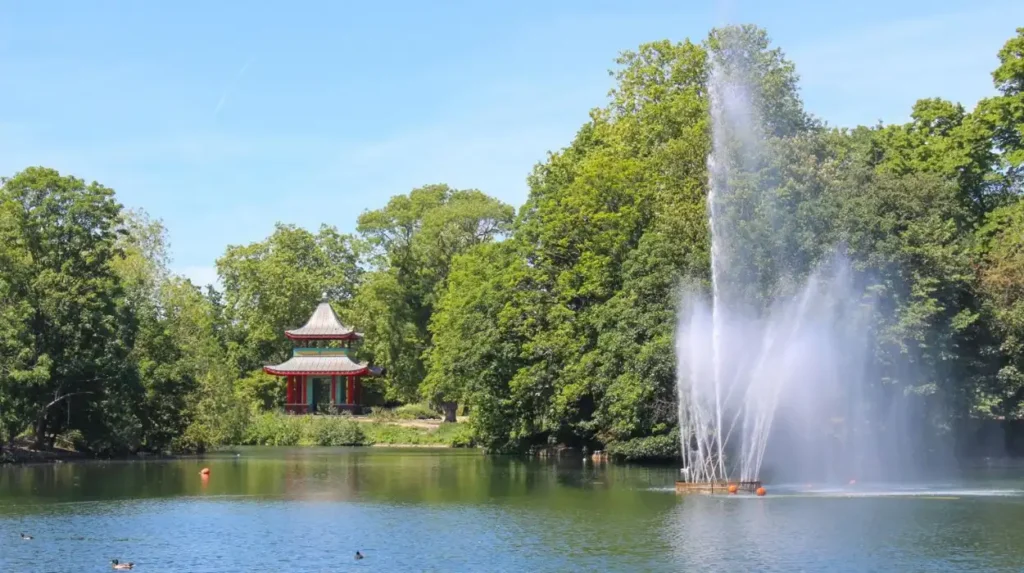
Victoria Park, east of Mile End, provides another option for visitors who want a longer outdoor itinerary. It is known for its lakes, historic features, bandstand and landscaped grounds. Combining both parks creates a wider East London walk, although the precise route and distance depend on the selected entrances and paths.
What Historical Landmarks Can Visitors Discover in Mile End?
Mile End’s heritage includes the People’s Palace, Queen Mary University of London’s historic buildings, the Regent’s Canal corridor and streets shaped by East London’s industrial and residential development. These places reveal the area’s connections to education, community life and urban change.
How does the People’s Palace explain Mile End’s history?
The People’s Palace was established in the late nineteenth century to provide educational, cultural and social opportunities for East London’s communities. Queen Mary University of London records its origins in 1886, with the institution opening to the public in the following period. Its original facilities included educational spaces and cultural amenities.
The original building was destroyed by fire in February 1931. A replacement People’s Palace opened in 1937. The institution’s history demonstrates how public education and cultural provision developed alongside the growth of London’s working-class neighbourhoods.
Today, the People’s Palace and its Great Hall form part of Queen Mary University’s Mile End campus. The Grade II listed Great Hall is used for university events, performances and ceremonies. Visitors should check access arrangements before planning an interior visit because the buildings operate as university and event facilities rather than as a conventional public museum.
Why is the Queens’ Building historically significant?
The Queens’ Building is an important part of Queen Mary University’s heritage. Its Octagon, completed in 1887, was originally used as a library and features cast-iron galleries and a domed central space. The building reflects the educational ambitions associated with the original People’s Palace project.
The campus expanded during the twentieth century as the institution developed its teaching and research activities. Its buildings now accommodate academic departments, student facilities and administrative services. The contrast between the historic core and newer university buildings illustrates the continuing development of education in East London.
As you explore the modern university campus, you are crossing land with a deep heritage. Read the full [Mile End History and Heritage Background Article Anchor Text Here] to understand the neighbourhood’s origins, historic institutions and urban transformation.
How does Regent’s Canal connect Mile End with East London’s past?
Regent’s Canal is a historic waterway that forms part of Mile End’s wider landscape. The canal corridor links the park’s green spaces and provides a route for walking and cycling through a mixture of residential, recreational and built-up areas. Its presence reflects the historic importance of waterways in London’s movement of goods and development of industry.
The canal also helps visitors understand how urban infrastructure can serve different purposes over time. Waterways once central to transport and commerce now provide routes for leisure, active travel and access to green spaces. Mile End Park’s layout follows the canal for much of its length, creating a direct connection between local recreation and East London’s industrial geography.
Visitors should respect cyclists, canal users and private residential areas along the route. Canal paths are working public routes, not museum walkways, so considerate behaviour helps keep them accessible to everyone.
Which Museums and Cultural Attractions Are Near Mile End?
Mile End combines university heritage and local arts with access to museums across East London. The Art Pavilion offers exhibitions within the park, while the Ragged School Museum and London Museum Docklands provide additional opportunities to explore education, social history, trade and London’s port communities.
What can visitors see at the Art Pavilion?
The Art Pavilion is located within Mile End Park and hosts exhibitions and creative activities. Tower Hamlets Council lists it as a cultural facility within the park, with exhibitions that provide a reason to combine a gallery visit with outdoor recreation. Exhibition programmes change, so visitors should check current listings before travelling.
The venue is particularly useful for visitors seeking a cultural activity without planning a full day around a major museum. Its location also makes it convenient for families and travellers who want to alternate indoor activities with time outdoors.
Why visit the Ragged School Museum?
The Ragged School Museum is a local heritage attraction near Mile End Park. It explores the history of education and the lives of children from working-class communities in Victorian East London. Its subject connects with the neighbourhood’s wider history of social reform, poverty, education and community institutions.
The museum complements the story of the People’s Palace. Both institutions reflect efforts to expand educational opportunities in East London, although they represent different educational settings and historical experiences. Check the museum’s official visitor information for opening days, admission details and any booking requirements before planning a visit.
Is London Museum Docklands worth including in a wider itinerary?
London Museum Docklands is located at West India Quay in the neighbouring Docklands area. It occupies a historic warehouse and explores the history of London’s river, port, trade and communities. Its permanent galleries are free to enter, according to the museum’s visitor information, and the venue also offers family activities.
The museum is not inside Mile End, so visitors should allow additional travel time. It works well as an extension to a wider East London itinerary, especially for people interested in maritime history, migration, commerce and the development of London’s docks.
A useful cultural itinerary begins at Mile End Park, continues to the historic university buildings where access is available, and adds a museum visit according to opening hours. This approach keeps the focus on Mile End while recognising that several major cultural attractions sit in the surrounding district.

What Walking Routes Can Visitors Follow Around Mile End?
Visitors can explore Mile End through park paths, canal-side walks and routes connecting historic university buildings with neighbouring East London districts. A flexible walking itinerary combines green spaces, local heritage and waterside scenery while allowing time for cafés and cultural stops.
How can visitors explore Mile End Park on foot?
A straightforward walking route starts near Mile End Underground station and enters Mile End Park. Visitors can explore the Green Bridge, follow the landscaped paths, visit the Ecology Park and continue towards the Art Pavilion. The route can be shortened or extended according to available time and accessibility requirements.
The park’s linear layout makes it suitable for one-way walks rather than requiring visitors to return to their starting point. People who want to continue exploring can follow connecting paths towards the Regent’s Canal corridor and nearby neighbourhoods. Tower Hamlets Council also provides step-free route information for journeys from Mile End station to selected park facilities.
Where can visitors walk beside Regent’s Canal?
The Regent’s Canal towpath provides an alternative to the main roads. Visitors can follow accessible sections of the waterside route to observe canal boats, vegetation and the changing streetscape. The surroundings combine residential buildings, parkland and remnants of East London’s industrial history.
Walking conditions vary between sections, particularly where paths narrow or meet bridges and other users. Pedestrians should keep to the appropriate side, allow space for cyclists and check local signs where access restrictions apply.
A canal walk also creates opportunities to connect Mile End with other parts of East London. Visitors can plan a shorter out-and-back walk or combine selected sections with public transport to avoid covering the entire distance on foot.
How can visitors combine parks and historic sites?
A heritage-focused walk can connect Mile End Park with the external architecture of Queen Mary University’s Mile End campus. Visitors can then explore nearby streets and continue towards the canal. This route links the area’s modern public spaces with institutions associated with its nineteenth- and twentieth-century development.
The university buildings remain operational educational facilities, so visitors should respect restricted areas and check whether tours or public events are available. A walking route that focuses on public spaces and exterior architecture remains useful even when interior access is unavailable.
What Family-Friendly Activities Are Available in Mile End?
Mile End offers family activities through inclusive playgrounds, outdoor sports, wildlife observation and open green spaces. Mile End Park provides facilities for different age groups, while nearby museums and cultural venues give families additional options for educational visits and indoor activities.
The Children’s Play Pavilion and Park is one of the principal family attractions. Tower Hamlets Council describes its playground as inclusive, with play equipment designed to support children with different abilities. Features include climbing equipment, a sandpit and an interactive water feature that operates during the summer school holidays.
Families can also explore the Ecology Park to observe birds and aquatic habitats. The natural setting offers opportunities to discuss urban wildlife, seasonal changes and the relationship between green spaces and biodiversity.
Older children and teenagers have access to recreational facilities including a climbing wall, sports areas and outdoor exercise equipment. Availability, age restrictions and charges depend on the specific facility, so check operating details before visiting.
The Art Pavilion adds a cultural option when an exhibition is running. Families can combine this visit with time in the park, reducing the need to travel between distant attractions.
For indoor learning, the Ragged School Museum provides a historical perspective on education and childhood in East London. London Museum Docklands offers a broader account of London’s port history and provides family activities. Both venues require separate travel and advance checks of opening arrangements.
Families should plan around children’s ages, mobility needs, weather and available facilities. The park has toilets and refreshment facilities in selected areas, but provision varies by location. Checking the council’s current park information helps avoid relying on facilities that are closed or unavailable.
How Can Visitors Reach Mile End and Travel Around the Area?
Mile End is accessible by Underground, bus, bicycle and foot. Mile End Underground station serves three London Underground lines, while local bus routes connect nearby neighbourhoods. Visitors should check live transport information, step-free access and service changes before travelling.
Mile End Underground station is the main public transport access point for the neighbourhood. It serves the Central, District and Hammersmith & City lines, making journeys from central London and other parts of the capital relatively straightforward. The station is in Zone 2.
Local bus services also operate near Mile End Park. Tower Hamlets Council identifies routes including the 25, 277, D6, D7 and N25 as serving the surrounding area. Bus stops and route patterns differ by destination, so visitors should use Transport for London’s journey planner for current information.
Walking is practical for exploring the park and the nearby university campus. The canal and park paths provide alternatives to busy roads, although visitors should expect crossings and changes in surface conditions. Cycling is another option where permitted, but cyclists should remain considerate of pedestrians on shared routes.
Car travel is less convenient for a visit focused on the park. Cars are not permitted inside Mile End Park, although the council identifies pay-and-display parking at selected locations. Public transport is generally a practical choice for visitors travelling between several East London attractions.
Accessibility requires some advance planning. The council publishes step-free route information for journeys from Mile End Underground station to the Children’s Play Park and Art Pavilion. Visitors should check current station facilities and the accessibility of individual destinations if they require a step-free journey.
Where Can Visitors Eat, Relax and Spend Time Near Mile End?
Visitors can combine sightseeing in Mile End with breaks at local cafés, refreshment kiosks and neighbourhood pubs. The park provides selected refreshment facilities, while the surrounding streets offer additional places to eat. Opening times and available services vary by venue.
Mile End’s food options reflect its everyday residential and university setting. Visitors can look for cafés and casual eateries along the surrounding streets, particularly when travelling between the Underground station, university campus and park entrances.
The Children’s Play Pavilion has a kiosk serving drinks, tea, coffee and snacks when operating. The park’s Ecology Park also includes the Palm Tree pub, a long-established local landmark within the wider park landscape. Visitors should check opening times and current service information before making either venue a fixed part of their plans.
For a low-cost visit, bringing water and a picnic provides flexibility, particularly when spending several hours outdoors. Visitors should use designated seating and picnic areas where available and take their rubbish away to protect the park’s wildlife habitats.
People who need a place to work between activities can investigate cafés with suitable seating and Wi-Fi. However, facilities differ, and not every café offers reliable internet, power sockets or an appropriate environment for extended work. Visitors should check the venue’s arrangements rather than assuming it functions as a coworking space.
Those travelling for business can combine a short park walk with a meal before continuing to appointments in Canary Wharf or central London. Public transport connections make this possible without treating Mile End as an all-day destination.
Explore More Area Guide
Exploring Wapping: Historic Riverside Heritage in Tower Hamlets
Poplar East London: A Tourist Guide to Historic Landmarks
How Can Visitors Plan a Practical Day Out in Mile End?
A practical Mile End itinerary combines one main attraction, a walk through the park and a nearby heritage or cultural stop. Visitors should group locations geographically, confirm opening times and allow additional time for public transport, refreshments and accessibility requirements.
A half-day visit can begin at Mile End Underground station, continue through Mile End Park and include the Ecology Park and Art Pavilion. This arrangement prioritises outdoor attractions and keeps the itinerary flexible if weather conditions change.
A longer visit can add the exterior of Queen Mary University’s historic buildings and a walk beside Regent’s Canal. Visitors interested in social history can plan a separate visit to the Ragged School Museum, subject to its opening schedule.
For a full-day East London itinerary, London Museum Docklands offers a wider perspective on the area’s maritime and commercial past. Because it is located beyond Mile End, visitors should plan the transfer separately rather than assuming it forms part of a short local walk.
The best order depends on the purpose of the visit:
- For nature: prioritise Mile End Park, its Ecology Park and the canal-side paths.
- For heritage: focus on the People’s Palace, the Queens’ Building and local historic streets.
- For families: allow time for the inclusive playground and suitable indoor activities.
- For culture: check the Art Pavilion’s exhibition programme and nearby museum opening times.
- For a short stopover: choose one park entrance, a brief walk and a nearby refreshment stop.
Weather also affects the experience. Outdoor routes are most flexible in dry conditions, while wet weather makes it useful to prioritise indoor venues with confirmed opening times. Comfortable footwear is advisable for canal paths and longer park walks.
Visitors should verify current transport services, event schedules and accessibility information before setting off. Public events, university activities and seasonal facilities can affect the availability of particular attractions.
Why Is Mile End Worth Exploring Beyond Central London’s Main Attractions?
Mile End gives visitors a different perspective on London through its public parks, educational heritage, historic waterways and everyday neighbourhood life. Its combination of outdoor recreation and cultural sites supports short visits, family outings and wider East London itineraries.
The neighbourhood’s strongest feature is the proximity of green space to a major urban transport corridor. Mile End Park provides room for walking, exercise and wildlife observation, while its history reflects the impact of wartime damage and later urban regeneration. The Green Bridge demonstrates how public infrastructure can reconnect spaces divided by busy roads.
Its educational heritage adds another layer. The People’s Palace and Queens’ Building connect contemporary university life with nineteenth-century efforts to expand education and cultural access in East London. These institutions provide historical context for understanding the neighbourhood beyond its modern streets and transport connections.
The canal adds a further dimension by linking the park to London’s wider history of transport and industry. Today, its waterside paths support walking and cycling while preserving a visible connection to the area’s built environment.
Mile End also works well as part of a wider visit to Tower Hamlets. Nearby Victoria Park, the Ragged School Museum and London Museum Docklands provide complementary experiences, ranging from historic landscapes to social and maritime history.
For visitors planning an East London trip, Mile End is best approached as a neighbourhood to explore rather than a single attraction to tick off. A considered itinerary reveals how parks, education, waterways and community life intersect in this part of London.
Where is Mile End in London?
Mile End is a neighbourhood in East London within the London Borough of Tower Hamlets. It is known for Mile End Park, Queen Mary University of London, Regent’s Canal and its connections to East London’s history.