Key Points
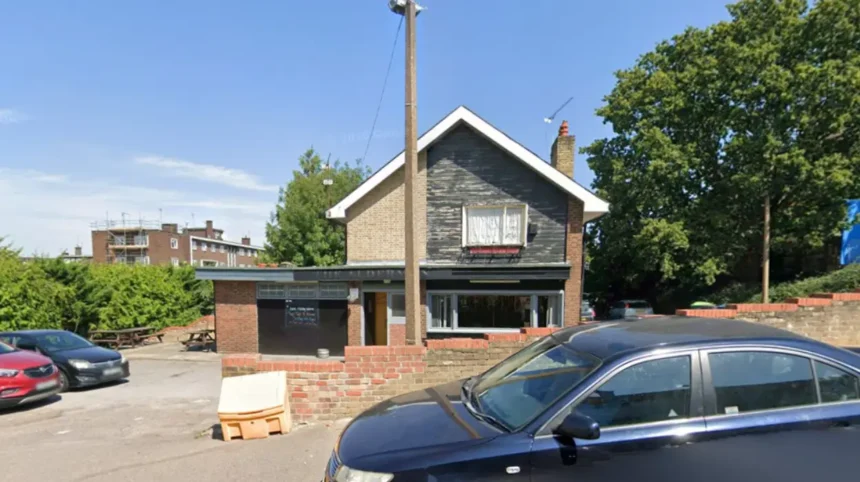
- Harold Hill resident, bar worker, and disability and SEND campaigner Samantha Jobber is set to challenge the proposed demolition of The Alderman Public House at a public inquiry.
- The inquiry will examine Havering Council’s Compulsory Purchase Order for the Chippenham Road regeneration scheme, which includes plans for 138 affordable homes and supported accommodation.
- The hearing is scheduled to begin at 10am on Tuesday, 17 November 2026, at Havering Town Hall on Main Road in Romford.
- Samantha Jobber has stated she supports investment and affordable housing in Harold Hill, but argues that regeneration must not remove vital community spaces that prevent loneliness and social isolation.
- She has raised specific concerns regarding how the loss of the familiar, quiet venue could negatively affect older residents, disabled people, and neurodivergent individuals.
- While the wider regeneration plans include replacement facilities, Ms Jobber questions whether a new venue can replicate established friendships and community connections.
- A Planning Inspector will oversee the inquiry to decide whether the Compulsory Purchase Order should be confirmed, with no final decision made yet.
Romford (East London Times) November 12, 2026 – A Harold Hill mother, bar worker, and disability and SEND campaigner is preparing to present her case directly to a Planning Inspector at an upcoming public inquiry to oppose the demolition of The Alderman Public House.
- Key Points
- What is happening at the Havering Town Hall public inquiry?
- Why is Samantha Jobber opposing the demolition of The Alderman?
- How could closing the pub affect disabled, neurodivergent, and older residents?
- Can replacement facilities replicate the role of The Alderman?
- What is the background of the Chippenham Road regeneration scheme?
- How could the Planning Inspector’s decision affect the Harold Hill community?
What is happening at the Havering Town Hall public inquiry?
Samantha Jobber, a resident of Harold Hill who works behind the bar at The Alderman Public House, will address a Planning Inspector at 10am on Tuesday, 17 November 2026, at Havering Town Hall on Main Road in Romford. The hearing forms part of the official inquiry into Havering Council’s Compulsory Purchase Order for the Chippenham Road regeneration scheme.
The local authority’s regeneration proposals outline plans to build 138 affordable homes, which will incorporate supported accommodation. However, advancing the scheme as currently proposed would require the demolition of The Alderman, which is described as one of Harold Hill’s last remaining traditional pubs. The Planning Inspector will use the inquiry to determine whether the Compulsory Purchase Order should be confirmed, as a final decision has not yet been reached.
Why is Samantha Jobber opposing the demolition of The Alderman?
While Ms Jobber acknowledges the local requirement for affordable housing and area investment, she maintains that the existing social value of the public house must not be disregarded during the planning process. She has emphasised that her objection is centred on preserving community ties rather than opposing housing development or protecting commercial interests.
Samantha Jobber stated: “I’m not against regeneration or affordable housing. Harold Hill needs investment, but regeneration should improve communities, not remove the places that help hold them together.
“The Alderman is more than somewhere to have a drink. For some people, it’s their social life, somewhere they feel comfortable, recognised and part of the community.
“Working behind the bar, I’ve seen first-hand the friendships and relationships that exist between customers and staff.”
How could closing the pub affect disabled, neurodivergent, and older residents?
In her capacity as a disability and special educational needs and disabilities (SEND) campaigner, Ms Jobber has highlighted the specific risks that closing the venue poses to vulnerable demographics within Harold Hill. She noted that older residents, disabled individuals, neurodivergent people, and locals experiencing loneliness or social isolation rely on the stability and calm atmosphere of the pub.
Addressing the needs of these groups, Ms Jobber said:
“Not everybody wants a busy entertainment venue or somewhere with loud music. Some people just want somewhere familiar where they can sit, have a conversation and feel like they belong.
“We talk so much about tackling loneliness, improving mental wellbeing and making communities more inclusive. Yet we’re potentially losing somewhere that already helps achieve those things.”
Can replacement facilities replicate the role of The Alderman?
Although the broader Chippenham Road regeneration proposals make provisions for replacement facilities, Ms Jobber has expressed doubts over whether a newly constructed venue can authentically replace the long-standing social bonds formed at The Alderman. She stressed that physical infrastructure cannot automatically recreate years of established community trust.
She added: “This isn’t about protecting a company’s profits or preventing new homes. It’s about protecting the people and community connections that already exist.
“You can replace bricks and mortar, but you cannot simply replace decades of friendships, memories and relationships.
“Regeneration should be about people, not just buildings, budgets and planning applications.
“Harold Hill deserves investment, but the people who already live here deserve to have their voices heard too. That’s why I’ll be speaking at the inquiry.”
What is the background of the Chippenham Road regeneration scheme?
The dispute centres on Havering Council’s Chippenham Road regeneration scheme in Harold Hill, which aims to deliver 138 affordable homes alongside supported accommodation. To acquire the necessary land and clear the site for construction, the council has pursued a Compulsory Purchase Order that encompasses the site of The Alderman Public House. Because the order involves the compulsory acquisition of property and the demolition of one of Harold Hill’s last traditional pubs, the matter has progressed to a formal public inquiry presided over by an independent Planning Inspector at Havering Town Hall.
How could the Planning Inspector’s decision affect the Harold Hill community?
The outcome of the inquiry on Tuesday, 17 November 2026, carries direct consequences for different groups within Harold Hill. If the Planning Inspector confirms the Compulsory Purchase Order, Havering Council will be able to proceed with clearing the site for the 138 affordable homes and supported accommodation, which would expand local housing availability for residents in need of affordable and supported living arrangements. Conversely, confirming the order will result in the permanent demolition of The Alderman, meaning regular patrons—particularly older, disabled, and neurodivergent residents who rely on its quiet, familiar environment—will lose their established social hub and will have to transition to replacement facilities or alternative local venues. If the order is not confirmed, the pub will remain standing in its current form, preserving existing community routines while requiring the council to reconsider its land assembly plans for the Chippenham Road housing project.