
Tower Hamlets offers one of the clearest expressions of East London character. The borough combines historic markets, immigrant heritage, docklands, Victorian streets, industrial buildings, community spaces, waterways and modern cultural venues. Its neighbourhoods include Whitechapel, Spitalfields, Bethnal Green, Stepney, Limehouse, Poplar, Wapping and the Isle of Dogs.
- What makes Tower Hamlets different from other parts of East London?
- Which parts of Whitechapel reveal Tower Hamlets’ cultural character?
- Why is Brick Lane one of the best places to experience East London identity?
- Where can visitors discover Tower Hamlets’ historic market culture?
- Which streets in Spitalfields best show Tower Hamlets’ architectural character?
- Where can visitors see Tower Hamlets’ industrial and docklands heritage?
- Which community spaces reveal the everyday side of Tower Hamlets?
- Which Tower Hamlets places combine heritage with modern culture?
- How can visitors explore Tower Hamlets’ character in one day?
- Why is Tower Hamlets important for understanding modern East London?
The borough’s character comes from layers of development rather than one single architectural style or cultural tradition. Medieval settlement, Georgian expansion, Victorian industry, dock construction, migration, social housing, post-war redevelopment and contemporary regeneration all remain visible.
Tower Hamlets Council currently identifies 58 conservation areas across the borough. These include Brick Lane and Fournier Street, Artillery Passage, Boundary Estate, Limehouse Cut, Narrow Street, Wapping Pierhead, Whitechapel Market, West India Dock and Wilton’s Music Hall. Conservation areas receive planning protection because their buildings, spaces and landscapes have special architectural or historic interest.
For visitors, this makes Tower Hamlets particularly valuable as a walking destination. A short journey between neighbourhoods reveals different building traditions, food cultures, market economies and connections with the River Thames.
What makes Tower Hamlets different from other parts of East London?
Tower Hamlets stands out through its combination of historic markets, immigrant communities, docklands, Georgian streets, Victorian industry, social housing, waterways and contemporary creative spaces. These elements remain closely connected across neighbourhoods such as Whitechapel, Spitalfields, Bethnal Green, Limehouse and Wapping.
Tower Hamlets occupies a strategically important part of inner East London. Its western edge reaches the historic City of London, while the southern part meets the River Thames. The borough also contains major waterways including the Regent’s Canal, Limehouse Cut, the River Thames and sections of the Lea Valley.
The council recognises several of these waterways and associated landscapes as Sites of Metropolitan Importance for Nature Conservation. The designated areas include Regent’s Canal, Limehouse Cut, Limehouse Basin, the River Thames, Bow Creek, Mudchute Park and Farm, Mile End Park and Tower Hamlets Cemetery Park.
This geographical position shaped the borough’s economy. River access supported docks, warehouses, manufacturing and transport. Markets served growing populations. Streets developed around religious institutions, workshops, shops and housing.
Migration also created a defining part of local identity. Different communities established businesses, places of worship and social networks in the East End. Their influence remains visible in architecture, food, languages, religious buildings and independent businesses.
A useful way to understand the borough is therefore to explore it through neighbourhoods rather than through a single central attraction.
Which parts of Whitechapel reveal Tower Hamlets’ cultural character?
Whitechapel reveals Tower Hamlets’ cultural character through historic markets, religious buildings, immigrant heritage, public art, medical history and surviving industrial architecture. Whitechapel Road, Whitechapel Market, Altab Ali Park and the former bell foundry provide particularly strong examples of this layered East London identity.
Whitechapel has long been one of the principal gateways into the East End. Whitechapel Road connects the City with communities further east and has developed as a commercial and cultural corridor.
Whitechapel Market is one of the borough’s established street markets. Tower Hamlets Council lists it among its 10 street markets, alongside Brick Lane, Columbia Road, Roman Road, Chrisp Street, Petticoat Lane, Watney Market and others.
The area also demonstrates how buildings acquire new cultural meanings. The Whitechapel Bell Foundry is a particularly important example. Historic England records the foundry as a Grade II* listed complex established in the 1740s, with later additions from the nineteenth and twentieth centuries. Bells associated with major historic landmarks, including Big Ben and the Liberty Bell in Philadelphia, were cast there.
The site represents the industrial history of Whitechapel and the specialist manufacturing that once operated within the East End.
Altab Ali Park provides another important point of reference. The park occupies the former churchyard of St Mary’s Church and commemorates Altab Ali, whose death in 1978 became associated with the history of anti-racist activism in the area. The location forms part of Tower Hamlets’ cultural trail.
Whitechapel therefore works particularly well for visitors interested in the relationship between migration, commerce, architecture and community history.
As you explore the modern streets, you are crossing land with a deep heritage. Read about the full [Insert Anchor Text for History Article Here] to understand its origins.
Why is Brick Lane one of the best places to experience East London identity?
Brick Lane brings together historic migration, markets, food, street art, independent businesses and religious architecture within a compact area. Its connections with Huguenot, Jewish and Bangladeshi communities make it one of the clearest places to observe Tower Hamlets’ changing cultural landscape.
Brick Lane sits within the historic East End and has developed through successive waves of migration.
Tower Hamlets Council identifies the street as a centre of the Bangladeshi community and records its earlier associations with French Huguenot and Jewish immigrants. The council also identifies food, street art, independent businesses and the Old Truman Brewery as important features of the area.
Brick Lane Market dates from the nineteenth century, with Tower Hamlets Council recording its establishment in 1888. The Sunday market now combines food, fashion, art, vintage goods, jewellery and other products. The council lists Sunday trading from 10am to 3pm.
The surrounding streets add architectural depth.
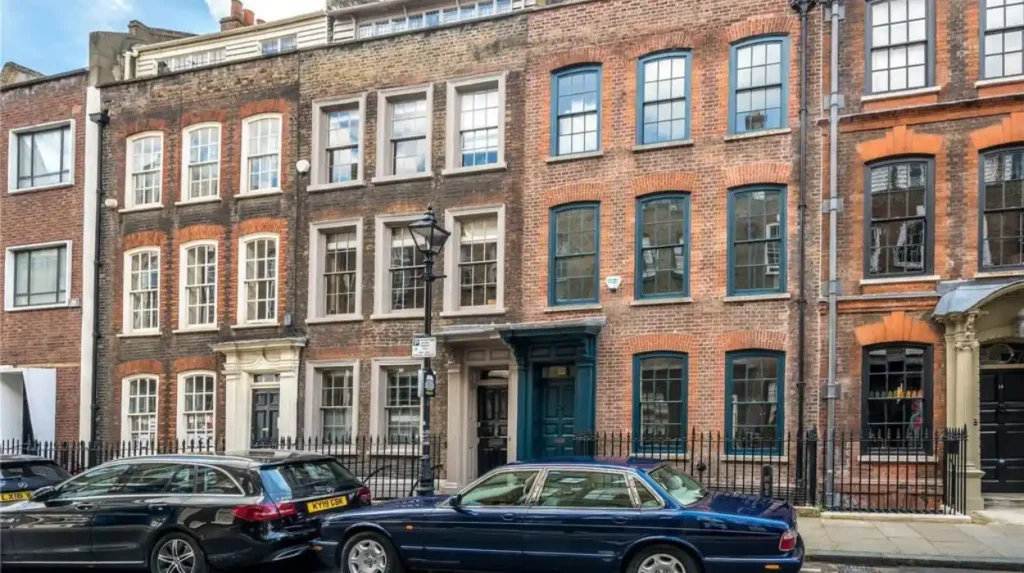
Fournier Street contains eighteenth-century houses associated with Spitalfields’ Huguenot population. These buildings feature classical façades, sash windows and elaborate entrances. Many survive as protected buildings.
Christ Church Spitalfields provides another major landmark. Architect Nicholas Hawksmoor designed the church in 1714, and construction was completed in 1729. Its tower and spire remain prominent features of the local streetscape.
The building now forms part of a wider historic landscape containing religious buildings, former workshops, market premises and residential streets.
The Brick Lane Jamme Masjid provides an especially clear example of changing community history. The building was constructed in 1744 as a French Huguenot chapel, became a Methodist chapel in 1819, was converted into a synagogue in 1897 and became a mosque in 1976.
This sequence gives visitors a precise example of how one building can reflect successive communities within the same neighbourhood.
Where can visitors discover Tower Hamlets’ historic market culture?
Tower Hamlets has 10 council-supported street markets, including Brick Lane, Columbia Road, Roman Road, Whitechapel, Watney Market and Chrisp Street. These markets reveal local commerce through food, flowers, clothing, household goods, vintage products and independent trading.
Markets are central to the borough’s identity because they connect public space with everyday commerce.
Tower Hamlets Council describes its 10 street markets as a distinctive part of the borough’s commercial tradition. The network includes Brick Lane, Bethnal Green Road, Chrisp Street, Columbia Road, Petticoat Lane, Roman Road, Roman Road Square, Sclater Street, Watney Market and Whitechapel Market.
Columbia Road provides a different market experience from Brick Lane. Its Sunday market focuses on flowers and plants. Tower Hamlets Council records Sunday opening from 8am to 2pm and notes that the street also contains independent shops, galleries, antique sellers, cafés and pubs.
Roman Road offers another perspective on East London shopping. The market sits within a long-established commercial corridor linking Bethnal Green and Bow.
Petticoat Lane, historically associated with clothing and fashion trading, also forms part of the borough’s market network.
For visitors, these markets demonstrate how Tower Hamlets operates beyond formal attractions. Market streets provide direct evidence of local economic life and community interaction.
The markets also explain the structure of several neighbourhoods. Shops, cafés, houses and public transport routes often cluster around market streets. This creates compact areas that are suitable for walking.
Visitors interested in food should treat the markets as part of the borough’s wider culinary landscape rather than as isolated shopping destinations.

Which streets in Spitalfields best show Tower Hamlets’ architectural character?
Spitalfields offers some of Tower Hamlets’ strongest architectural contrasts, combining Georgian townhouses, historic market buildings, former workshops, religious landmarks and modern commercial development. Fournier Street, Princelet Street, Artillery Passage, Commercial Street and Old Spitalfields Market form the core of this historic landscape.
Spitalfields demonstrates how East London architecture evolved alongside trade and migration.
Fournier Street is particularly important. The street was developed during the early eighteenth century, with houses designed around the needs and wealth of Huguenot silk weavers and merchants. Its surviving buildings contain features associated with Georgian architecture.
Princelet Street provides another concentration of historic houses and former workshops.
Artillery Passage preserves a narrower street environment and forms part of the borough’s conservation-area network. The passage connects the modern commercial landscape with earlier patterns of movement and development.
Old Spitalfields Market adds another layer. The present market buildings were constructed between 1883 and 1893 on a site that had already operated as a market. The earlier market received a licence from King Charles II in 1682. It later became an important fruit and vegetable market before closing in 1986.
The market site now combines retail, food, public space and commercial development.
This combination demonstrates an important feature of Tower Hamlets: historic buildings are not confined to museums. Many remain integrated into working neighbourhoods.
The council’s cultural trail identifies 20 sites in the Brick Lane and Spitalfields area, including Boundary Estate, Redchurch Street, Brick Lane Market, Sclater Street, the Old Truman Brewery, Princelet Street, Christ Church Spitalfields, Fournier Street, Whitechapel Art Gallery, Altab Ali Park and Toynbee Hall.
That concentration makes Spitalfields one of the strongest areas for visitors who want architectural variety within a walkable area.
Where can visitors see Tower Hamlets’ industrial and docklands heritage?
Limehouse, Wapping, Poplar and the Isle of Dogs reveal Tower Hamlets’ industrial identity through canals, docks, warehouses, riverside streets and surviving maritime landscapes. These areas connect the borough’s historic trading economy with modern residential, cultural and commercial development.
The River Thames shaped Tower Hamlets for centuries. Docks and warehouses transformed the riverside into one of London’s major centres of international trade.
West India Docks are among the most recognisable examples. The docks formed part of the commercial infrastructure that connected London with overseas trade. Their later redevelopment created a distinctive landscape of water, historic structures, offices, public spaces and modern towers.
Limehouse provides a different riverside experience. Narrow Street follows the Thames and forms part of a conservation area. Limehouse Basin connects the Regent’s Canal with the Limehouse Cut and the Thames.
The council identifies Limehouse Cut and Regent’s Canal as part of London’s Sites of Metropolitan Importance for Nature Conservation.
Wapping offers another historic waterfront landscape. Wapping Pierhead and Wapping Wall are both recognised conservation areas. Historic buildings, riverside paths and surviving industrial structures show how the neighbourhood developed around the Thames.
The Isle of Dogs presents the most dramatic transition from historic docklands to modern business and residential districts. Canary Wharf now dominates the skyline, but historic dock infrastructure remains visible around the surrounding waterways.
The Museum of London Docklands provides an important interpretive starting point for understanding this transformation. Its location within the West India Docks connects the museum directly with the landscape it interprets.
Visitors can therefore move from museum collections to surviving dock structures and then to contemporary developments within the same area.
Which community spaces reveal the everyday side of Tower Hamlets?
Community spaces reveal Tower Hamlets beyond major tourist attractions. Victoria Park, Boundary Estate, Stepney City Farm, Mudchute Park and Farm, Mile End Park and local gardens connect visitors with recreation, social activity, urban nature and neighbourhood life.
Tower Hamlets contains a substantial network of parks, gardens, farms and community spaces.
Victoria Park is one of the borough’s most prominent green spaces. It provides large areas for walking, recreation, events and relaxation and forms part of the borough’s conservation-area network.
Boundary Estate is particularly significant because of its housing history. The estate began in 1890 as a response to the overcrowded Old Nichol area. Tower Hamlets Council identifies it within its historic walking routes and notes its early role in council housing.
Arnold Circus sits at the centre of Boundary Estate. Its raised landscaped form was created using material associated with the redevelopment of the former slum area.
Stepney City Farm offers a different community experience. The urban farm operates within a dense inner-London neighbourhood and connects food production, education and community activity.
Mudchute Park and Farm provides another example of green infrastructure within the Isle of Dogs. The council identifies Mudchute as a Site of Metropolitan Importance for Nature Conservation.
Mile End Park also combines recreation, landscape and community facilities.
These spaces matter because Tower Hamlets is not defined solely by historic buildings or major commercial districts. Its character also comes from how residents use parks, markets, gardens and shared public spaces.
The borough’s historic green-space inventory records 52 publicly accessible open spaces of historic interest, demonstrating the scale of its green heritage.
Which Tower Hamlets places combine heritage with modern culture?
Brick Lane, the Old Truman Brewery, Redchurch Street, Whitechapel and the docklands demonstrate how Tower Hamlets combines historic buildings with contemporary art, food, business and cultural activity. These areas show how heritage remains part of an active modern East London economy.
Tower Hamlets has experienced substantial economic and physical change, particularly around former industrial districts.
The Old Truman Brewery on Brick Lane provides a clear example. Brewing activity existed in the area from the seventeenth century, while the Truman brewery site continued operating until the 1980s. It subsequently developed into a cultural and commercial hub.
Today, former industrial buildings across East London accommodate creative businesses, exhibitions, food venues, offices and independent enterprises.
Redchurch Street provides another example of the relationship between historic architecture and contemporary culture. Former warehouses and commercial buildings have been incorporated into a changing creative district.
Whitechapel combines art institutions, markets, shops, restaurants and historic buildings. The Whitechapel Gallery is a major cultural institution in the area and contributes to the neighbourhood’s contemporary identity.
Digital nomads and business travellers can also use these districts as practical bases for exploring East London during periods away from formal work commitments. Cafés, public transport, cultural venues and walkable commercial streets create a useful combination of amenities.
The important point is that modern Tower Hamlets does not replace its historic character completely. Much of its contemporary identity operates inside older buildings and established street patterns.
This relationship between heritage and new activity is also central to the council’s conservation strategy. The strategy aims to protect and enhance heritage while ensuring that it contributes to regeneration, community involvement and quality of life.
Explore More Area Guide
Tower Hamlets Hidden Corners Tourists Often Miss
Tower Hamlets Heritage Trail: Explore Historic Places Today
How can visitors explore Tower Hamlets’ character in one day?
A one-day Tower Hamlets itinerary works best when it connects neighbouring areas rather than treating attractions separately. A practical route links Spitalfields, Brick Lane, Whitechapel, Bethnal Green and the docklands, combining markets, architecture, food, parks and cultural venues.
Begin in Spitalfields, where Fournier Street, Christ Church Spitalfields, Princelet Street and Old Spitalfields Market provide an introduction to the borough’s Georgian and commercial heritage.
Continue towards Brick Lane. The street connects food, migration history, independent businesses, street art and market culture. Sunday is particularly suitable for visitors interested in market activity because Brick Lane Market operates that day.
Move south towards Whitechapel to examine the relationship between market trading, religious history, migration and industrial heritage. Whitechapel Market and the surrounding cultural trail provide several points of interest.
Visitors with additional time can continue towards Stepney, Limehouse or Wapping. Limehouse offers canal and riverside landscapes, while Wapping provides historic Thames-side streets.
A different route can focus on the northern part of the borough. Start at Columbia Road, continue towards Bethnal Green and Boundary Estate, then finish around Brick Lane and Spitalfields.
The choice of route should reflect the visitor’s main interest. Architecture-focused visitors benefit from Spitalfields and Wapping. Food-focused visitors benefit from Brick Lane and the market districts. Green-space visitors benefit from Victoria Park, Boundary Estate and Mudchute.
The borough’s conservation-area network provides another useful framework. With 58 conservation areas, Tower Hamlets contains an unusually broad range of protected historic environments for visitors to discover.
Why is Tower Hamlets important for understanding modern East London?
Tower Hamlets is important because its streets preserve the physical evidence of migration, trade, industry, housing reform, religious diversity and regeneration. Its markets, docks, conservation areas and community spaces show how East London developed through successive social and economic changes.
Tower Hamlets provides a concentrated view of London’s wider urban development.
Its historic environment contains evidence from several major periods. Medieval settlement survives through archaeological remains and historic street patterns. Georgian development is visible around Spitalfields. Victorian commercial expansion shaped Whitechapel and Bethnal Green. Industrial activity transformed the riverside. Twentieth-century housing programmes changed areas such as Boundary Estate. Contemporary regeneration reshaped the docklands.
The council confirms that the borough contains areas of archaeological potential as well as scheduled ancient monuments. It also forms part of the setting of important World Heritage sites, including the Tower of London and the Maritime Greenwich World Heritage Site through Island Gardens.
This historical depth explains why Tower Hamlets works particularly well for visitors seeking distinctive East London experiences.
The borough is also important because its heritage remains connected to everyday life. Markets continue trading. Religious buildings remain in use. Historic streets continue to support businesses. Parks remain community spaces. Former industrial sites accommodate new cultural and commercial activity.
Its future character depends on maintaining this relationship between conservation and change. Tower Hamlets Council’s conservation strategy explicitly connects heritage protection with regeneration and community engagement.
For visitors, this creates a destination where history is visible without being isolated from contemporary London.
The strongest places to uncover Tower Hamlets’ unique character are therefore not limited to one landmark. They include the connected streets of Spitalfields, the markets and food culture of Brick Lane, the multicultural history of Whitechapel, the Georgian architecture of Fournier Street, the docks of Limehouse and Wapping, the green spaces of Bethnal Green and Victoria Park, and the evolving landscape of the Isle of Dogs.
Together, these places explain what makes Tower Hamlets distinctly East London: a borough shaped by movement, commerce, migration, industry, community and continual urban change.
What is Tower Hamlets best known for?
Tower Hamlets is best known for Brick Lane, Spitalfields, Whitechapel, historic markets, docklands, multicultural communities, Georgian architecture and distinctive East London heritage. The borough also contains Victoria Park, Limehouse, Wapping and the modern Canary Wharf district.