Tower Hamlets is one of East London’s most concentrated visitor areas, combining historic landmarks, docklands, markets, museums, galleries, parks, riverside spaces and distinctive neighbourhoods. A short visit can cover major attractions around the Tower of London, cultural areas such as Whitechapel and Brick Lane, and modern Canary Wharf.
- What makes Tower Hamlets suitable for a short tourist visit?
- Which Tower Hamlets attractions are best for first-time visitors?
- How can tourists experience Tower Hamlets history in a few hours?
- What can tourists do around Brick Lane and Spitalfields?
- Which museums and cultural sites can tourists visit in Tower Hamlets?
- Where can visitors find parks and outdoor spaces in Tower Hamlets?
- How can visitors experience Canary Wharf and modern Docklands?
- What is the best way to plan a short Tower Hamlets itinerary?
- Why does Tower Hamlets offer more than a typical London sightseeing stop?
The London borough sits immediately east of the City of London and stretches north and east along the River Thames. Its identity comes from the meeting of the historic East End, former docks, diverse communities and modern financial districts. The borough had about 310,300 residents at the 2021 Census, an increase of 22.1% from 2011. The Office for National Statistics recorded Tower Hamlets as the most densely populated local authority area in England in 2021.
This density also helps short-stay visitors. Major attractions sit within relatively compact areas connected by London Underground, Docklands Light Railway, buses, rail services, walking routes and cycle infrastructure. The borough council specifically identifies walking as a useful way to experience places including the Tower of London, Brick Lane and the Thames.
What makes Tower Hamlets suitable for a short tourist visit?
Tower Hamlets suits short visits because its attractions combine history, culture, food, architecture, parks and riverside experiences across connected neighbourhoods, allowing visitors to concentrate on one compact area rather than spending the entire day travelling between distant London attractions.
The borough contains several distinct visitor environments. Tower Hill provides medieval and royal history. Wapping provides riverside streets and dock heritage. Whitechapel combines contemporary culture with East End history. Spitalfields and Brick Lane provide markets, food and historic buildings. Bethnal Green provides museums and cultural attractions. Canary Wharf presents the modern Docklands skyline.
The local authority describes Tower Hamlets as the heart of London’s East End and highlights its combination of ancient and modern places. The borough also includes major destinations such as the Tower of London, London Museum Docklands, Tower Bridge and Victoria Park.
This geographic variety gives visitors different ways to structure a short stay. A history-focused visit can concentrate on Tower Hill and Wapping. A food and culture visit can centre on Brick Lane and Spitalfields. A modern London itinerary can focus on Canary Wharf and the Isle of Dogs. A slower itinerary can use Victoria Park, Mile End Park and the Thames.
Tower Hamlets also has a strong connection between its historic and modern landscapes. Former industrial areas have been redeveloped into commercial, residential and cultural districts while surviving warehouses, churches, streets and dock structures remain visible.
As you explore the modern borough, you are crossing land with a deep heritage. Read about the full to understand how Tower Hamlets developed from historic East End settlements and dock communities into a major part of modern London.
Which Tower Hamlets attractions are best for first-time visitors?
First-time visitors can concentrate on the Tower of London, Tower Bridge, London Museum Docklands, Brick Lane, Spitalfields, Victoria Park and Canary Wharf because these places represent the borough’s royal, maritime, cultural, commercial and green-space identities.
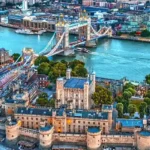
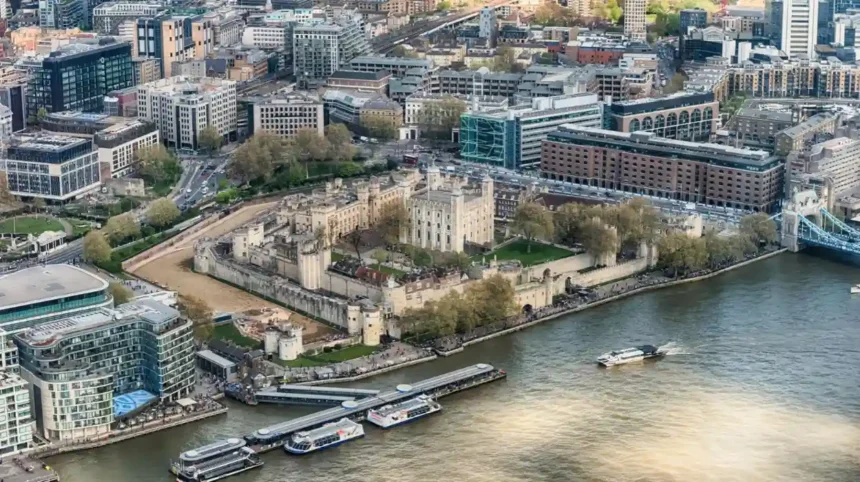
The Tower of London is the strongest historical landmark in the borough. The UNESCO World Heritage Centre describes it as the most complete surviving 11th-century fortress palace in Europe. William the Conqueror began the White Tower in 1066 as a demonstration of Norman power and a strategic defence point beside the Thames.
Tower Bridge stands immediately beside the Tower of London and provides a contrasting example of Victorian engineering. Its position also makes the surrounding riverside useful for short walks and photographs.
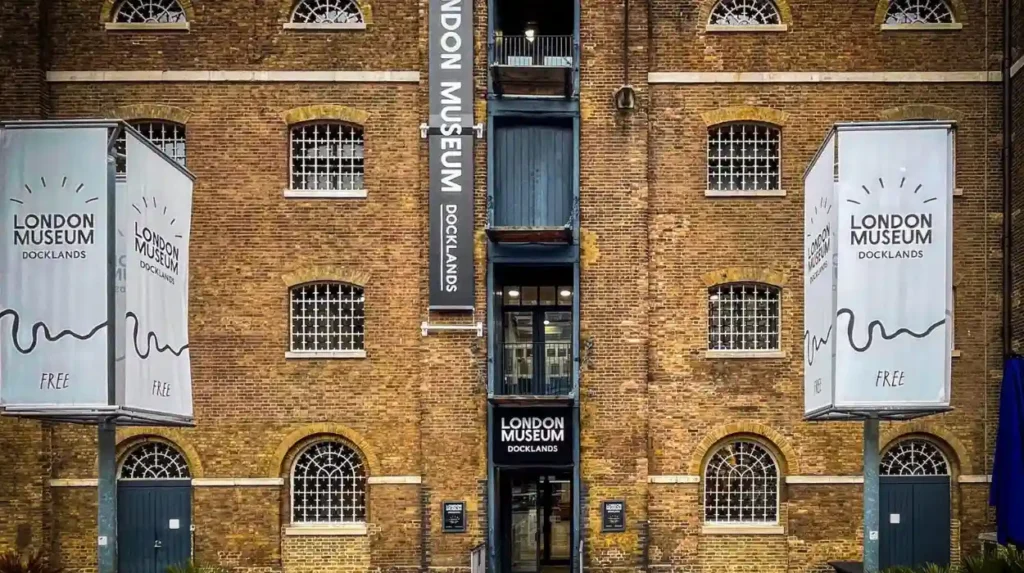
London Museum Docklands provides a different perspective on the Thames. It occupies a surviving warehouse from the former West India Docks and explains London’s development as a port, its international trade, migration, wartime experience and later transformation into Docklands.
Brick Lane offers a more contemporary visitor experience. The council identifies the street as one of East London’s most recognisable locations. Its history includes French Huguenot settlement, Jewish immigration and the development of the Bangladeshi community. Today it is associated with food, markets, street art and independent businesses.
Victoria Park provides a major green-space option. Opened in 1845, it covers 86 hectares and is Tower Hamlets’ largest park. The council records more than 9 million annual visits.
Canary Wharf provides the modern counterpart. Its towers occupy land once dominated by commercial docks. The transformation from docklands to a major financial district is one of the clearest examples of London’s post-industrial redevelopment.
How can tourists experience Tower Hamlets history in a few hours?
Tourists can experience centuries of Tower Hamlets history by combining the Tower of London with Wapping or St Katharine Docks, then continuing towards the former docks, Whitechapel, Spitalfields and Brick Lane for later East End history.
The historical geography is unusually concentrated. The Tower of London represents Norman and medieval royal power. Wapping reflects the working waterfront and maritime economy. The former docks represent London’s expansion as an international trading port. Whitechapel and Spitalfields reflect successive waves of migration, manufacturing and urban development.
The Tower of London World Heritage Site covers 7.5 hectares. Its buildings developed from the Norman period through the medieval and Tudor eras. The UNESCO designation recognises both its architectural importance and its connection with major political and institutional developments in England.
St Katharine Docks provides another useful historical stop close to Tower Hill. The former commercial dock has been redeveloped as a marina containing shops, restaurants and waterfront spaces.
Further east, London Museum Docklands provides essential context for understanding the dock system. West India Docks opened in 1802 and became an important centre for international trade. The site was closely connected with goods produced through the Atlantic economy, including sugar and rum associated with Caribbean plantations and slavery. The museum addresses this history directly through its permanent galleries.
The historic landscape continues into Whitechapel and Spitalfields. Brick Lane was already established as a field path by the 16th century. Large-scale urban development accelerated during the late 17th century. Huguenot refugees arriving from France from the 1680s contributed to the local silk-weaving industry.
This makes a short walking itinerary particularly effective. Visitors can move from royal history to maritime history and then to immigration, trade, religion and cultural change without leaving the borough.
What can tourists do around Brick Lane and Spitalfields?
Brick Lane and Spitalfields combine food, markets, historic architecture, street art, independent businesses and multicultural heritage, making the area particularly useful for short visits focused on walking, eating, shopping and experiencing contemporary East London culture.
Brick Lane is one of the borough’s most recognisable cultural areas. The street contains evidence of several phases of migration and economic change. French Huguenot silk weavers, Jewish communities and the Bangladeshi community each contributed to the area’s development.
Food is a major part of the visitor experience. The council identifies curry restaurants and 24-hour beigel shops as landmarks of Brick Lane. The wider area also contains international food businesses representing cuisines from countries including Turkey, Japan and Argentina.
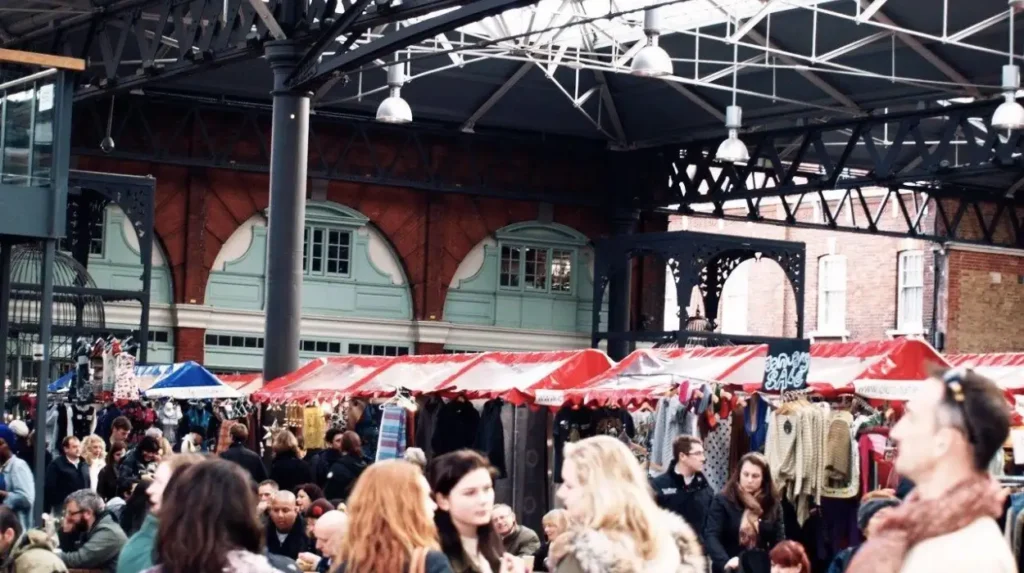
Markets add another layer. Brick Lane Market developed during the 18th century and continues as a Sunday market. Old Spitalfields Market provides another established destination nearby.
Street art is also an important part of the streetscape. Brick Lane and surrounding streets contain murals and changing outdoor artworks, while the Old Truman Brewery has developed into a cultural and creative venue.
The council’s cultural trail identifies 20 points of interest around Brick Lane and Spitalfields. These include Boundary Estate, Redchurch Street, Brick Lane Sunday Market, Sclater Street, Old Truman Brewery, Commercial Street, Princelet Street, Brick Lane Jamme Masjid, Christ Church Spitalfields, Old Spitalfields Market, Fournier Street, Whitechapel Art Gallery and Altab Ali Park.
This concentration makes the area suitable for visitors with limited time. A walking route can combine food, architecture, markets and cultural history without requiring long journeys between attractions.
The area also demonstrates how East London’s identity changed through migration. Historic religious buildings, former industrial premises, market spaces and modern creative businesses sit within the same neighbourhood.
Which museums and cultural sites can tourists visit in Tower Hamlets?
Tower Hamlets offers museums and cultural venues covering London’s docks, contemporary art, design, childhood creativity and East End history, with London Museum Docklands, Whitechapel Gallery and Young V&A providing distinct experiences for short-stay visitors.
London Museum Docklands is particularly useful for visitors interested in the Thames and Docklands. Its nine free galleries trace the river, port and communities from early modern trade through the development of the docks, wartime history and the transformation of Docklands into a modern financial district. The museum recommends allowing around two hours for the full gallery experience.
The museum also addresses the history of slavery and London’s relationship with the Atlantic economy. This provides important context for understanding the wealth generated through trade and the communities connected to the port.
Whitechapel Gallery provides a contemporary art option. Founded in 1901 by Samuel and Henrietta Barnett, it was established to bring major art to people in East London. The gallery remains a major contemporary arts institution and has hosted internationally significant artists and exhibitions.
The gallery’s history includes major exhibitions involving artists such as Pablo Picasso, Jackson Pollock, David Hockney and Frida Kahlo. Picasso’s Guernica was shown at Whitechapel Gallery in 1939 during its first and only visit to Britain.
Young V&A in Bethnal Green provides a different museum experience. It reopened as Young V&A in July 2023 following a major redevelopment. The free national museum focuses on creativity, design, play and learning for children and young people.
For visitors choosing between these venues, the decision depends on the available time and interests. London Museum Docklands is closely connected to the borough’s maritime history. Whitechapel Gallery focuses on contemporary art and ideas. Young V&A focuses on design, creativity and family-oriented museum experiences.
Where can visitors find parks and outdoor spaces in Tower Hamlets?
Visitors can use Victoria Park, Mile End Park, Island Gardens and riverside spaces for walking, open-air recreation and quieter breaks, giving short-stay itineraries a practical way to balance museums, markets, historic sites and dense urban neighbourhoods.
Tower Hamlets has more than 120 parks and green spaces. The council states that 14 parks hold Green Flag Awards and that the borough has nine gold awards from London in Bloom.
Victoria Park is the principal large-scale visitor green space. At 86 hectares, it is the largest park in the borough. It opened in 1845 and was created for the benefit of East London’s working population. The park contains historic lakes, a bandstand, memorial features and two original stone alcoves from London Bridge.
Mile End Park offers a different environment. It provides a green corridor connecting areas around Mile End and the wider eastern London landscape. Facilities include the Art Pavilion, Ecology Pavilion, sports facilities and recreational spaces.
Island Gardens provides another riverside setting on the Isle of Dogs. The area forms part of the historic landscape around the Thames and offers views towards Greenwich across the river.
The borough also has five registered parks and gardens. They include Victoria Park, Boundary Gardens, Island Gardens, Museum Gardens and the Novo Cemetery. Registered parks and gardens are landscapes recognised as having national importance.
For short visits, parks work particularly well as flexible spaces. Visitors can walk for 30 minutes, stop for a break, continue towards a museum or use the green space as part of a longer neighbourhood route.
How can visitors experience Canary Wharf and modern Docklands?
Canary Wharf shows the modern side of Tower Hamlets through high-rise architecture, former dock basins, waterfront public spaces, transport connections, shops, restaurants and business districts developed from the historic commercial docks.
Canary Wharf occupies a landscape created by the transformation of London’s historic dock system. West India Docks opened in 1802 and handled goods associated with international trade. The docks remained active for generations before shipping patterns and containerisation changed the structure of London’s port economy.
West India Docks closed in 1980. Redevelopment from the 1980s transformed much of the former dock area into the Canary Wharf financial district. Tall commercial buildings replaced many of the former industrial functions while sections of the historic dock environment remained.
This makes Canary Wharf valuable for visitors interested in architecture and urban regeneration. The area contains modern towers alongside retained dock basins, warehouses and waterside spaces.
The contrast is particularly clear at London Museum Docklands. The museum occupies No. 1 Warehouse, a surviving West India Docks warehouse dating from the opening of the dock system. Its galleries explain how the port evolved and how the district became part of modern London.
Short-stay visitors can therefore combine the museum with an outdoor walk around the docks. This creates a direct connection between historical evidence and the modern financial district.
Canary Wharf also works well for visitors with limited evening time. Its commercial environment contains restaurants, cafés and public spaces, while its transport connections make it practical to continue towards other parts of London.
Explore More Area Guide
How Long to Explore Tower Hamlets? London Travel Guide
Tower Hamlets Travel Checklist: Best Places to Visit
What is the best way to plan a short Tower Hamlets itinerary?
A short Tower Hamlets itinerary works best when visitors group nearby attractions by neighbourhood, such as Tower Hill and Wapping, Brick Lane and Spitalfields, or Docklands and Canary Wharf, rather than crossing the borough repeatedly.
The borough’s transport network allows visitors to create several practical itinerary structures. London Underground serves stations including Tower Hill, Aldgate, Whitechapel, Mile End and Bethnal Green. The Docklands Light Railway connects major Docklands destinations. National Rail, Elizabeth line and bus services provide additional connections.
Walking is also important. The council promotes walking routes covering the Tower of London, Brick Lane and the Thames.
A half-day history itinerary can begin at the Tower of London and continue towards Tower Bridge and St Katharine Docks. Visitors interested in maritime history can then continue towards Wapping or the Docklands.
A half-day culture and food itinerary can focus on Whitechapel, Spitalfields and Brick Lane. This route can combine Whitechapel Gallery, historic streets, markets, street art and food.
A Docklands itinerary can centre on London Museum Docklands and Canary Wharf. The museum’s nine free galleries provide a substantial historical component before a walk through the modern financial district.
A green-space itinerary can focus on Victoria Park and Mile End Park. Victoria Park alone covers 86 hectares and receives more than 9 million visits annually.
Visitors should check attraction opening times before travelling, especially for museums, galleries and markets. Market activity varies by day, while parks have their own opening arrangements. Victoria Park opens at 7am and closes at dusk, with seasonal facilities operating separately.
The most efficient approach is to choose one geographic cluster first. A short visit becomes less efficient when it combines Tower Hill, Victoria Park, Canary Wharf and Brick Lane without accounting for travel time between them.
Why does Tower Hamlets offer more than a typical London sightseeing stop?
Tower Hamlets combines nationally significant heritage with living neighbourhoods, migration history, contemporary culture, former docks, financial architecture, markets and extensive green space, giving short-stay tourists access to multiple aspects of London within one geographically compact East London borough.
The borough’s importance comes from its layered geography. The Tower of London represents Norman conquest and royal power. The docks represent London’s international trading history. Whitechapel and Brick Lane demonstrate the continuing influence of migration and community development. Canary Wharf represents post-industrial redevelopment and the modern financial economy.
Its cultural diversity is also visible in everyday visitor experiences. Tower Hamlets council identifies more than 137 languages spoken across the borough and states that 43% of residents were born in more than 200 different countries.
This diversity affects food, religious buildings, markets, shops, festivals, arts and neighbourhood identity. Brick Lane provides a particularly clear example because its streetscape contains evidence of French Huguenot, Jewish and Bangladeshi histories alongside contemporary creative businesses.
The borough also demonstrates the changing role of the River Thames. Former docks once handled cargo at enormous industrial scale. Today, parts of the same landscape contain museums, restaurants, offices, public spaces and high-rise commercial buildings.
For tourists with limited time, this creates a strong geographical advantage. The visitor experience is not limited to one landmark. A short trip can cover royal history, maritime history, migration, contemporary art, food, architecture and green space.
Tower Hamlets is therefore particularly suitable for visitors who want a concentrated East London experience rather than a single attraction. Its major destinations provide recognisable landmarks, while neighbourhood streets and local cultural venues provide additional depth beyond conventional sightseeing.
The borough’s future relevance is also linked to continued regeneration, cultural investment, transport connectivity and the ongoing reuse of historic industrial areas. These changes continue to reshape the relationship between the historic East End and modern London.
For short-stay visitors, the central principle remains simple: select attractions by geography, combine indoor and outdoor experiences, and use the borough’s historic streets, markets, parks and transport network to connect major destinations efficiently.
Is Tower Hamlets worth visiting for tourists?
Yes. Tower Hamlets combines major attractions, historic neighbourhoods, museums, markets, parks, riverside locations and modern Docklands. The Tower of London, Tower Bridge, Brick Lane, London Museum Docklands, Victoria Park and Canary Wharf provide different visitor experiences within the borough.