Tower Hamlets is one of East London’s most historically significant and culturally diverse boroughs. It stretches from the City of London and Tower Hill eastwards through Whitechapel, Spitalfields, Bethnal Green, Stepney, Mile End, Bow and the Isle of Dogs to the Thames.
- What makes Tower Hamlets an important destination in East London?
- Which historical attractions should tourists visit in Tower Hamlets?
- Why is the Tower of London essential for first-time visitors?
- What can visitors discover around Brick Lane and Spitalfields?
- Where can visitors experience art and contemporary culture in Tower Hamlets?
- What food experiences should tourists try in Tower Hamlets?
- Which markets and shopping areas are worth exploring?
- Where can visitors find green spaces and outdoor activities?
- What can tourists do around Canary Wharf and the Isle of Dogs?
- Which riverside areas should visitors explore?
- How can visitors explore Tower Hamlets using public transport?
- How should tourists plan a one-day Tower Hamlets itinerary?
- What is the best way to explore Tower Hamlets like a local visitor?
- Why is Tower Hamlets relevant to London’s future as well as its past?
- What should visitors remember before exploring Tower Hamlets?
The borough combines medieval landmarks, Victorian neighbourhoods, former docklands, contemporary business districts, museums, markets, galleries, parks, canals and riverside spaces. Its geography also explains much of London’s economic and social history.
Tower Hamlets is particularly useful for visitors who want more than the traditional central London sightseeing circuit. The borough contains internationally recognised attractions such as the Tower of London, alongside neighbourhood destinations such as Brick Lane, Victoria Park, Whitechapel and St Katharine Docks.
What makes Tower Hamlets an important destination in East London?
Tower Hamlets combines major historic landmarks, multicultural neighbourhoods, former docks, contemporary architecture, museums, markets, galleries, parks and riverside attractions within a compact East London borough connected by extensive public transport.
Tower Hamlets sits immediately east of the City of London. Its location between the historic financial centre and the River Thames shaped its development for centuries.
The borough contains several distinct visitor areas. Tower Hill and St Katharine Docks provide access to medieval and maritime heritage. Whitechapel and Spitalfields contain historic streets, galleries, food businesses and religious buildings. Brick Lane provides a strong connection with Bangladeshi culture, Jewish heritage and East End creative industries.
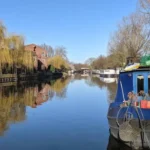
Further east, Mile End and Bow provide parks, canals and residential neighbourhoods. The Isle of Dogs contains Canary Wharf, Mudchute Park and Farm and important surviving dockland landscapes.
The borough also has substantial green infrastructure. Victoria Park covers 86 hectares and receives more than nine million visits annually, according to Tower Hamlets Council. It opened in 1845 as a public park for East London communities.
Tower Hamlets therefore works as both a sightseeing destination and a base for understanding wider London.
Which historical attractions should tourists visit in Tower Hamlets?
The Tower of London, St Katharine Docks, Brick Lane, Spitalfields and historic Whitechapel provide the strongest introduction to Tower Hamlets history, covering Norman power, medieval London, migration, maritime commerce, manufacturing, religion and East End social change.
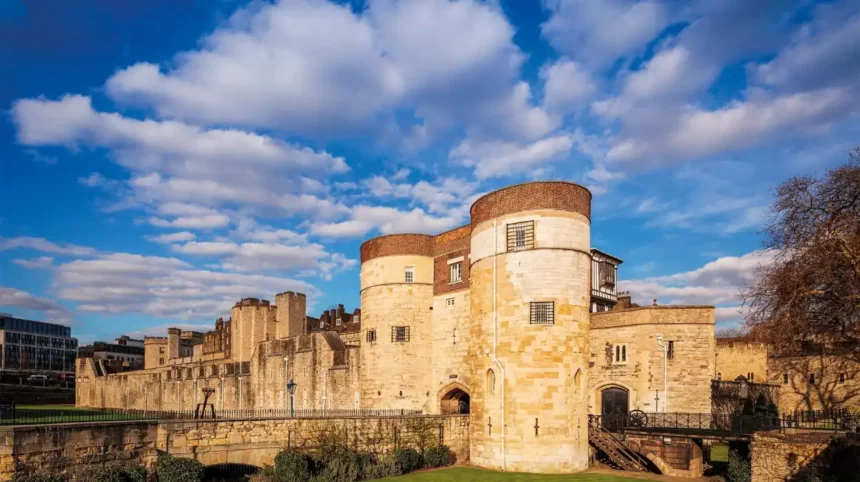
The Tower of London is the borough’s most internationally recognised historic attraction. William the Conqueror began the White Tower after the Norman Conquest as a demonstration of power and a strategic defensive structure beside the Thames. UNESCO designated the Tower of London a World Heritage Site in 1988.
The complex developed over several centuries. Royal buildings, defensive walls and other structures expanded the original fortress. The Tower also served roles connected with royal administration, defence, records and the Crown’s possessions. The Crown Jewels have been kept there since the 17th century.
St Katharine Docks provides a different historical perspective. The docks opened on 25 October 1828 after an engineering scheme associated with Thomas Telford. They were designed as linked basins connected to the Thames. The docks later became part of the wider London Docks system.
Brick Lane records another important chapter. Tower Hamlets Council states that the street existed by the 1500s and later became associated with French Huguenot, Jewish and Bangladeshi communities. Its buildings and businesses reflect successive waves of migration.
As you explore the modern borough, you are crossing land shaped by centuries of migration, commerce and industry. Read about the full [Insert Anchor Text for History Article Here] to understand its historical origins.
Why is the Tower of London essential for first-time visitors?
The Tower of London provides concentrated access to nearly a millennium of English history, including Norman architecture, medieval royal government, imprisonment, military development and the Crown Jewels, making it a core historical attraction in Tower Hamlets.
The Tower stands beside the Thames at one of London’s most strategic points. Its position helped control access to the capital and demonstrated Norman authority following the conquest of England.
The White Tower forms the architectural centre of the complex. UNESCO identifies it as an outstanding example of 11th-century Norman military architecture and one of the most complete surviving fortress palaces of its period in Europe.
The wider complex contains defensive walls, towers, courtyards and historic buildings. Visitors can therefore examine how a fortified royal complex developed rather than seeing a single isolated monument.
The Tower also has major connections with English political history. It housed prisoners and witnessed executions involving figures including Anne Boleyn, Catherine Howard and Lady Jane Grey. These events form part of the site’s documented historical significance.
A visit works particularly well when combined with Tower Bridge, the Thames riverside and St Katharine Docks because these attractions explain different periods of London’s development within a relatively small area.
What can visitors discover around Brick Lane and Spitalfields?
Brick Lane and Spitalfields combine migration history, religious heritage, street art, markets, food, independent businesses and historic architecture, creating one of Tower Hamlets’ strongest areas for visitors interested in culture, shopping, photography and East End identity.
Brick Lane is one of the borough’s best-known streets. Its history demonstrates how East London neighbourhoods changed as different communities established homes, businesses, places of worship and cultural institutions.
The street became associated with French Huguenot silk weavers after Protestant refugees arrived from France from the 1680s. Spitalfields subsequently developed a substantial Jewish community, while Bangladeshi migration transformed Brick Lane during the 20th century.
The Brick Lane Jamme Masjid provides a particularly clear example of this layered history. The building was constructed as a French Huguenot chapel in 1744, became a Methodist chapel, was later used as a synagogue and became a mosque in 1976.
Visitors can also explore Fournier Street, where 18th-century houses retain architectural features associated with the area’s silk-weaving past.
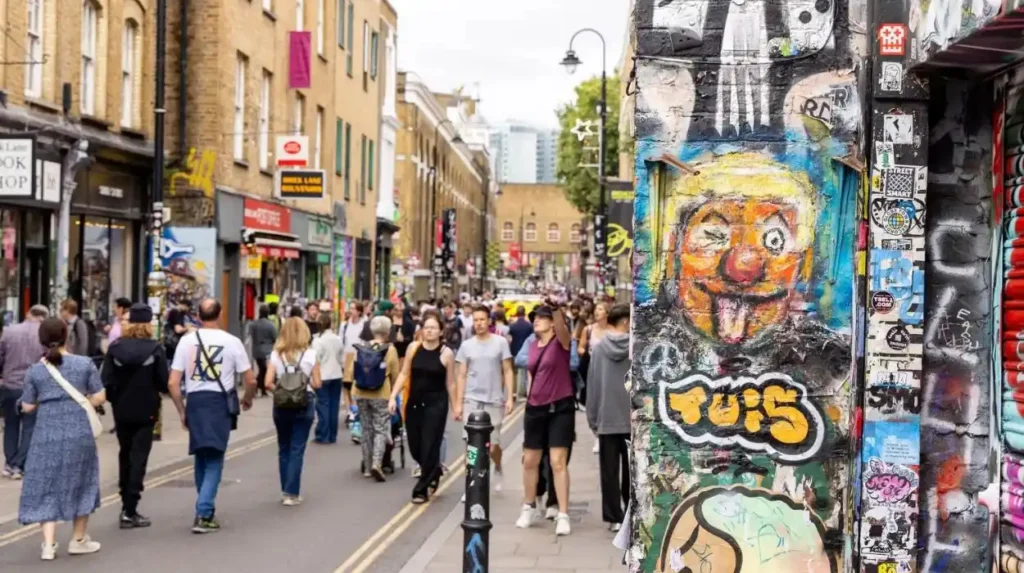
Brick Lane Market developed during the 18th century and continues as a major Sunday market. The area also contains food businesses, vintage shops, creative venues and extensive street art.
The best approach is to explore the surrounding streets rather than limiting a visit to the main road. Sclater Street, Cheshire Street, Fournier Street and the streets around Spitalfields reveal additional architectural and cultural details.
Where can visitors experience art and contemporary culture in Tower Hamlets?
Whitechapel Gallery, independent creative spaces, street-art districts and cultural venues make Tower Hamlets a major East London destination for contemporary art, public creativity and international cultural exchange throughout the year.
Whitechapel Gallery is one of the borough’s most important cultural institutions. It was founded in 1901 by Samuel and Henrietta Barnett to bring major art to East London.
The gallery has presented influential international artists and major exhibitions throughout its history. Its documented programme includes artists such as Pablo Picasso, Jackson Pollock, Frida Kahlo, David Hockney and Gilbert & George.
In 1939, Picasso’s Guernica was exhibited at Whitechapel Gallery during its first and only visit to Britain. This event remains one of the institution’s most significant historical moments.
The gallery also has an important community role. Its programme has historically combined exhibitions with education, learning and local engagement.
Street art provides a less formal cultural experience. Brick Lane and neighbouring streets contain murals, paste-ups and changing public artworks. The visual environment reflects the area’s long connection with artists, musicians, designers and independent businesses.
Visitors interested in contemporary culture should combine Whitechapel Gallery with Brick Lane and the surrounding creative quarter. This creates a coherent route from institutional art to publicly visible street culture.
What food experiences should tourists try in Tower Hamlets?
Tower Hamlets offers a broad food landscape shaped by Bangladeshi, Jewish, South Asian, Middle Eastern, European and global influences, with Brick Lane, Whitechapel, Spitalfields and Canary Wharf providing particularly strong choices for visitors.
Brick Lane is especially associated with Bangladeshi food and curry houses. Tower Hamlets Council describes the street as a centre of the borough’s Bangladeshi community and highlights its curry restaurants, beigel shops and international cuisine.
The food culture reflects the borough’s migration history. Bangladeshi businesses became an important part of Brick Lane’s identity during the second half of the 20th century. The street later expanded its food offer to include cuisines from many other regions.
Spitalfields adds another dimension through its market environment and independent food businesses. Visitors can combine food with shopping and architecture.
Whitechapel also provides access to restaurants, cafés and food shops serving South Asian and international cuisine.
Canary Wharf offers a contrasting dining environment. Its restaurants and cafés operate within a modern financial district surrounded by office towers, public squares and waterways.
For travellers, food exploration works best as part of a neighbourhood visit. Brick Lane is suited to combining food with street art and heritage. Spitalfields connects food with markets and architecture. Canary Wharf connects dining with contemporary London.
Which markets and shopping areas are worth exploring?
Brick Lane Market and Spitalfields provide the strongest market experiences in Tower Hamlets, while surrounding streets add vintage clothing, independent retail, food businesses, creative products, antiques and specialist shops for visitors.
Brick Lane Market has historical roots stretching back to the 18th century. Farmers sold livestock and produce outside the City boundary, creating an early market tradition that evolved over time.
Today, the Brick Lane area is associated with vintage clothing, independent businesses, food stalls, creative products and street culture.
Spitalfields provides a more structured market environment. Its location near Commercial Street, Brick Lane and Liverpool Street makes it easy to combine with a wider walking route.
Visitors should also explore Cheshire Street and the surrounding roads because independent businesses are distributed across the neighbourhood rather than concentrated within a single shopping centre.
Market opening days and individual trader schedules vary, so checking official information before travelling is important.
The shopping experience in Tower Hamlets is primarily neighbourhood-based. It differs from the large department stores and conventional retail centres found in central London.
Where can visitors find green spaces and outdoor activities?
Victoria Park, Mile End Park, Mudchute Park and Farm and Tower Hamlets Cemetery Park provide major outdoor experiences, combining landscaped gardens, wildlife, recreation, heritage, canals, community facilities and open space within a densely urban borough.
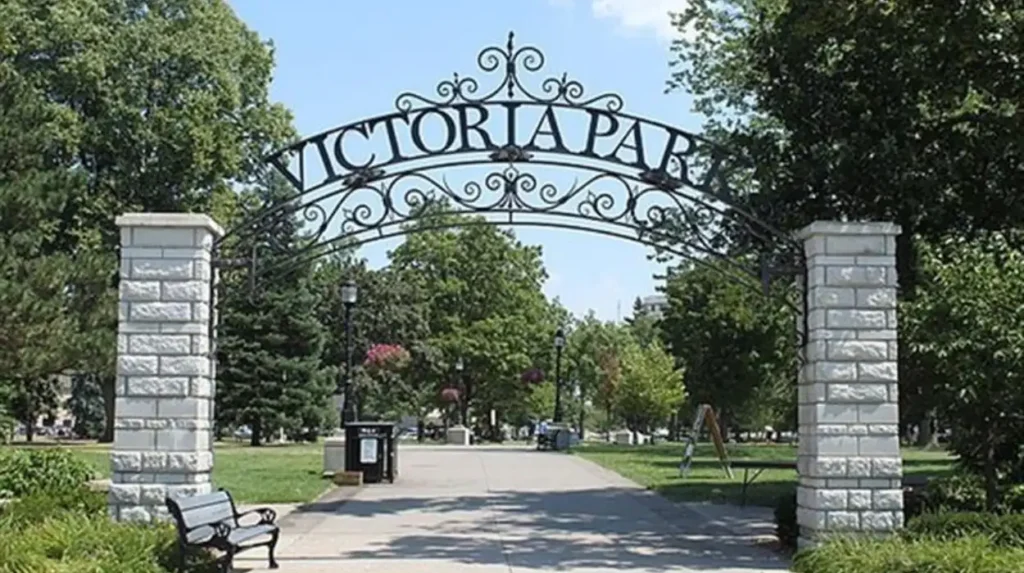
Victoria Park is the largest park in Tower Hamlets at 86 hectares. It opened in 1845 and was created for the benefit of East London’s working population. The council records more than nine million annual visits.
The park contains lakes, historic features, sports facilities, cafés, open lawns and paths. It also forms part of a wider green corridor linking the area with Mile End Park and the Regent’s Canal.
Mile End Park is a 32-hectare linear park created partly on land damaged by Second World War bombing. It follows the Regent’s Canal between Victoria Park and Limehouse Basin.
Mudchute Park and Farm provides a distinctive urban countryside experience on the Isle of Dogs. The 32-acre site includes a working farm and more than 100 animals. It is also one of Europe’s largest city farms.
Tower Hamlets Cemetery Park adds another type of outdoor experience. It is one of the borough’s recognised nature reserves and combines cemetery heritage with habitats for wildlife.
These spaces demonstrate that Tower Hamlets is not solely an urban sightseeing destination.
What can tourists do around Canary Wharf and the Isle of Dogs?
Canary Wharf and the Isle of Dogs showcase Tower Hamlets’ transformation from a major dockland and industrial landscape into a modern financial district with public art, waterside spaces, restaurants, parks and distinctive contemporary architecture.
Canary Wharf is one of London’s most recognisable business districts. Its skyscrapers occupy land that was historically associated with the West India Docks and international maritime trade.
The docklands transformation created a new commercial landscape while retaining important elements of the area’s industrial geography.
Visitors can explore the district on foot. Public spaces, waterways, modern buildings and landscaped areas create an accessible urban walking environment.
Mudchute provides an immediate contrast. The farm sits close to Canary Wharf but occupies 32 acres of countryside and accommodates more than 100 animals.
The Isle of Dogs therefore offers a useful architectural and geographical comparison. Modern towers stand close to former dockland infrastructure, residential areas, waterways and open countryside.
For business travellers, Canary Wharf provides convenient opportunities to use downtime for walking, dining, public art and riverside exploration. For leisure visitors, the district works best when combined with the Isle of Dogs and Mudchute rather than treated only as a financial centre.
Which riverside areas should visitors explore?
The Thames waterfront, St Katharine Docks, Limehouse Basin and Canary Wharf provide different riverside environments, linking maritime history, modern development, walking routes, restaurants, architecture and views across one of London’s most important waterways.
The River Thames is central to Tower Hamlets’ historical geography. The river supported trade, shipping, docks and industrial activity that shaped communities across the borough.
St Katharine Docks provides one of the most accessible historic dock environments. The docks opened in 1828 and were designed by engineers working with Thomas Telford.
Limehouse Basin connects the Regent’s Canal with the Thames. It provides a useful transition between inland waterways and the riverfront.
Canary Wharf provides the modern counterpart. Its high-rise skyline represents the transformation of former dockland areas into a major international business district.
A riverside itinerary therefore provides a clear chronological structure. Visitors can begin with historic docks, continue through canal infrastructure and finish among modern towers.
Walking beside the water also creates opportunities to understand London’s geography without entering a museum. Dock entrances, warehouses, bridges, basins and modern developments remain visible parts of the built environment.
How can visitors explore Tower Hamlets using public transport?
Tower Hamlets is well connected by Underground, Elizabeth line, London Overground, Docklands Light Railway, buses and walking routes, allowing visitors to combine separate neighbourhoods without relying on private transport.
The Underground provides direct access to several major visitor areas. Whitechapel is served by multiple rail and Underground connections, while Mile End provides access to the Central, District and Hammersmith & City lines.
Mile End station is particularly useful for Victoria Park and Mile End Park. Tower Hamlets Council identifies Mile End as the nearest Underground station for Victoria Park, followed by a walk along Grove Road.
The Docklands Light Railway is particularly useful for the Isle of Dogs and Canary Wharf. It connects several docklands destinations with wider London transport networks.
The Elizabeth line provides rapid connections through Whitechapel and Canary Wharf, improving access between East London and central, west and southeast London destinations.
Walking remains important because many attractions sit close together. Brick Lane, Spitalfields, Whitechapel and the City fringe can form a single walking itinerary.
Visitors should use Transport for London journey planning before travelling because services, engineering works and station access conditions change.
How should tourists plan a one-day Tower Hamlets itinerary?
A practical one-day itinerary should combine historic Tower Hill, St Katharine Docks, Whitechapel, Brick Lane, Spitalfields, Canary Wharf or a major green space, with transport used between districts and walking used within compact neighbourhoods.
Start around Tower Hill to visit the Tower of London and explore the riverside. Continue towards St Katharine Docks for its historic marina environment and dock architecture.
Move east or north towards Whitechapel. This section provides access to Whitechapel Gallery and the wider cultural district.
Continue to Brick Lane and Spitalfields. Allow time for food, markets, architecture, street art and independent businesses.
If time remains, travel towards Canary Wharf. The district provides a strong contrast with the historic East End streets.
Another option is to replace Canary Wharf with Victoria Park. This works particularly well for visitors who prefer outdoor recreation to modern architecture.
A full day requires prioritisation because Tower Hamlets contains more attractions than can reasonably be covered in a single itinerary. Visitors interested in history should allocate more time to the Tower and St Katharine Docks. Art and food-focused travellers should prioritise Whitechapel, Brick Lane and Spitalfields.
What is the best way to explore Tower Hamlets like a local visitor?
Exploring Tower Hamlets effectively means moving beyond headline attractions and combining historic streets, local markets, community-focused cultural venues, parks, waterways, independent businesses and neighbourhoods with distinct identities and histories.
A local-style visit starts with neighbourhood geography.
Whitechapel has a strong combination of art, healthcare history, migration heritage and commercial activity. Spitalfields combines historic architecture with markets and food. Brick Lane connects migration history with contemporary creative culture.
Mile End provides parks and waterways. Victoria Park offers large-scale green space. The Isle of Dogs connects dockland history with modern Canary Wharf and Mudchute.
Visitors should also consider time of day. Markets and food businesses have different operating patterns from museums and galleries. Parks provide daytime recreation, while dining and cultural venues extend the experience into the evening.
Respect for local communities is equally important. Tower Hamlets is a lived-in borough rather than an open-air museum. Religious buildings, residential streets, markets and community spaces remain active parts of everyday life.
This approach produces a more accurate understanding of the borough. Its visitor appeal comes from the interaction between heritage, culture, commerce, nature and contemporary urban development.
Explore More Area Guide
Best Places to Visit in Tower Hamlets, East London 2026
Top Tower Hamlets Attractions for Visitors | East London 2026
Why is Tower Hamlets relevant to London’s future as well as its past?
Tower Hamlets demonstrates how London continually adapts historic industrial land for modern economic, cultural, residential and recreational uses while retaining architectural heritage, waterways, public parks and community identities across a rapidly changing urban landscape.
The borough’s transformation is particularly visible around the former docklands.
Historic docks once supported shipping and warehousing. Canary Wharf now operates as an international business district. Former industrial areas around Brick Lane have developed strong creative and cultural economies.
At the same time, heritage buildings remain important. The Tower of London continues its role as a major historic attraction. St Katharine Docks retains its historic dock form. Brick Lane preserves buildings and streets connected with successive migrant communities.
Green infrastructure provides another part of the future picture. Victoria Park and Mile End Park create important public open spaces in a densely developed urban environment. Tower Hamlets Council identifies parks as important for recreation, biodiversity and community activity.
The borough’s significance therefore extends beyond tourism. It demonstrates how historic buildings, cultural institutions, transport infrastructure, public spaces and economic districts coexist within a continuously changing part of London.
For visitors, understanding this relationship makes a Tower Hamlets trip more informative. The borough is not defined by one attraction. Its identity comes from the interaction of many historical and contemporary layers.
What should visitors remember before exploring Tower Hamlets?
Visitors should plan around neighbourhood clusters, check attraction opening information, use public transport, allow time for walking, respect residential and religious spaces, and combine major landmarks with local streets, markets, parks and cultural venues.
Tower Hamlets rewards geographical planning. The borough is extensive enough that trying to visit every major destination in one day creates unnecessary travel.
Historic attractions should be grouped around Tower Hill and St Katharine Docks. Cultural exploration works well around Whitechapel, Brick Lane and Spitalfields. Outdoor visits suit Victoria Park, Mile End and Mudchute.
Checking official opening information remains important. Museums, galleries, markets, farms and private attractions operate different schedules.
Visitors should also account for London’s weather. Outdoor routes are more comfortable with suitable footwear and weather-appropriate clothing.
The borough is well suited to repeat visits. A first trip can focus on the Tower of London and Brick Lane. A second visit can explore Whitechapel Gallery, Victoria Park and Mile End. A later trip can concentrate on Canary Wharf, the Isle of Dogs and riverside routes.
Tower Hamlets ultimately offers a broad representation of East London. Its attractions connect Norman London, maritime commerce, migration, religious heritage, industrial development, contemporary art, global food culture, green space and modern finance.
That combination makes the borough a substantial destination rather than simply an extension of central London.
What is Tower Hamlets famous for?
Tower Hamlets is famous for the Tower of London, Brick Lane, Spitalfields, Whitechapel, Canary Wharf, Victoria Park, St Katharine Docks and its rich multicultural history.