Whitechapel is a historic district in the East End of London, within the London Borough of Tower Hamlets. It combines contemporary art, working markets, religious heritage, historic streets and the cultural influences of communities that have shaped East London over several centuries. The area offers visitors opportunities to explore London beyond its most familiar tourist landmarks.
- What makes Whitechapel an important cultural destination in East London?
- What historical events shaped Whitechapel’s identity?
- What can visitors see at Whitechapel Gallery?
- Which historic buildings and religious landmarks should visitors explore in Whitechapel?
- Which markets and shopping streets reveal Whitechapel’s local culture?
- Where can visitors discover Whitechapel’s migration and community heritage?
- How can visitors explore Whitechapel’s art, public spaces and surrounding cultural attractions?
- What should visitors know before planning a Whitechapel heritage trip?
- Why does Whitechapel’s cultural heritage remain relevant today?
- How can visitors make the most of a cultural day out in Whitechapel?
Whitechapel’s cultural identity is particularly visible at the Whitechapel Gallery, in its busy High Street, around its historic religious buildings and in the markets connecting it with neighbouring Spitalfields and Aldgate. These attractions suit visitors interested in art, architecture, migration history, local food and everyday London life.
What makes Whitechapel an important cultural destination in East London?
Whitechapel is an important East London cultural destination because it combines contemporary art, historic streets, community markets and centuries of migration. Its museums, galleries, religious landmarks and public spaces help visitors understand how local history continues to shape London’s identity.
Whitechapel occupies a distinctive position in London’s East End. The district developed around historic roads leading towards the City of London, attracting traders, craftspeople, workers and migrants over generations. Its cultural landscape reflects these changing populations and the economic development of the capital.
The area is particularly associated with working-class history, Jewish heritage, Bengali communities, independent businesses and contemporary artistic activity. These influences are visible in local architecture, food businesses, religious institutions and community organisations.
The Whitechapel Gallery is a major cultural landmark. Founded in 1901, it was established to make art accessible to people in East London. Its programme includes contemporary exhibitions, public events and educational activities.
Whitechapel also provides access to wider East End attractions. Visitors can walk towards Brick Lane, Spitalfields and Petticoat Lane Market, where shopping streets and historic buildings reveal different aspects of the area’s commercial and social development.
The district’s cultural value therefore extends beyond individual attractions. Its streets, businesses, religious buildings and public spaces form a connected record of London’s changing population.
What historical events shaped Whitechapel’s identity?
Whitechapel developed through centuries of urban expansion, trade, migration and industrial change. Its history includes the growth of East End markets, Jewish settlement, South Asian migration and working-class communities, creating the diverse cultural landscape that visitors encounter across the district today.
Whitechapel’s position east of the City of London encouraged commercial development and the growth of residential neighbourhoods. As London expanded, the area became home to people working in trades, workshops, factories, markets and other urban industries.
During the nineteenth century, Whitechapel became associated with overcrowded housing, poverty and challenging working conditions. These circumstances formed part of a broader pattern of industrial-era inequality across London’s East End. Social reformers, journalists and public institutions documented conditions in the neighbourhood, contributing to wider debates about housing, sanitation and workers’ welfare.
Jewish migration helped shape Whitechapel’s cultural landscape during the late nineteenth and early twentieth centuries. Many Jewish migrants arrived from Eastern Europe, establishing shops, workshops, community organisations and religious institutions. The area became associated with Jewish commercial and cultural life.
Later migration, particularly from Bangladesh and other parts of South Asia, contributed to further changes in the district. Bengali-owned restaurants, shops, community organisations and mosques became important elements of contemporary Whitechapel.
Visitors who want to understand the foundations behind these attractions should explore the wider [Whitechapel History and Heritage: From the Historic East End to Modern Multicultural London] article. This historical background provides context for the buildings, markets and cultural institutions visible today.
Whitechapel’s past also includes the 1888 Whitechapel murders, commonly associated with the unidentified figure known as Jack the Ripper. This subject attracts considerable tourist attention, but it represents only one part of a much broader history involving migration, work, religious life and urban development.
Understanding these overlapping histories helps visitors interpret Whitechapel as a living neighbourhood rather than simply a collection of historic sites.
What can visitors see at Whitechapel Gallery?
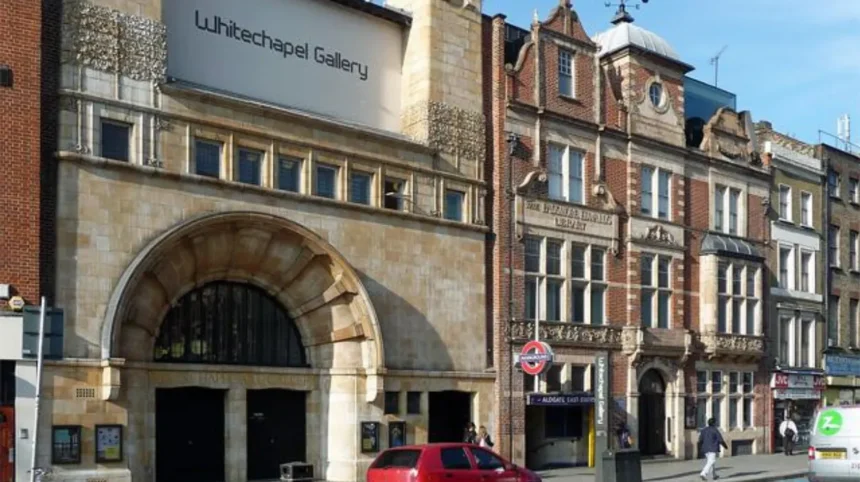
Whitechapel Gallery is a contemporary art institution on Whitechapel High Street, founded in 1901. Visitors encounter changing exhibitions, public displays, artist-led projects and cultural events in a historic building that connects international art with East London’s communities.
Whitechapel Gallery is one of the district’s defining cultural attractions. Its founding purpose was to expand public access to art in an area where cultural institutions were less established than in central London’s wealthier districts.
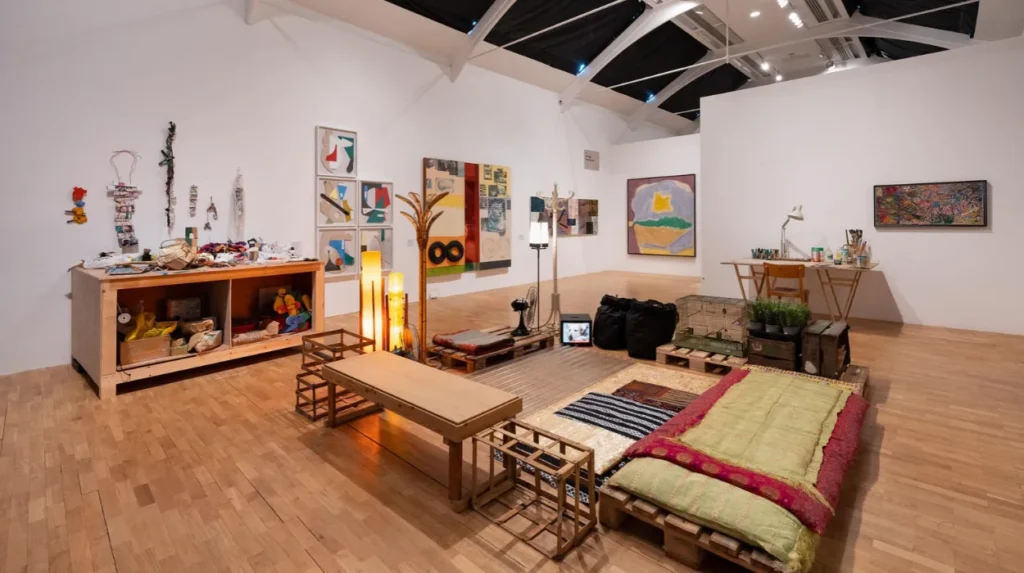
The gallery has presented important artists, including Pablo Picasso, Frida Kahlo and Mark Rothko, alongside contemporary artists working across different media. Its exhibitions explore subjects such as identity, social change, artistic experimentation and international cultural exchange.
The building incorporates the former Whitechapel Public Library and contains exhibition spaces, an auditorium, learning and studio facilities, a specialist bookshop and a café. Visitors can combine an exhibition visit with time spent reading, attending a public programme or exploring the gallery’s cultural resources.
Admission arrangements vary by exhibition. The main entrance and selected displays are free, while some major exhibitions require tickets. Under-16s attend ticketed exhibitions free, according to the gallery’s published visitor information.
Opening hours generally run from Tuesday to Sunday, with extended Thursday opening into the evening. Visitors should check the official website before travelling because exhibition schedules, ticket prices and opening arrangements change.
The gallery also offers a useful option for visitors seeking a quieter cultural activity during a busy day in East London. Its Common Rooms provide seating, reading material and space to work or take a break, while free Wi-Fi supports visitors who need to check travel arrangements or complete short tasks.
For visitors interested in modern art, social history and architecture, Whitechapel Gallery offers a direct connection between the area’s historic identity and its contemporary creative life.
Which historic buildings and religious landmarks should visitors explore in Whitechapel?
Whitechapel’s historic buildings and religious landmarks reflect its changing communities, charitable traditions and architectural development. Visitors can explore the East London Mosque, historic churches, former commercial premises and surviving streetscapes to understand the area’s religious and social heritage.
Religious buildings are an important part of Whitechapel’s cultural landscape. They document how different communities established places for worship, education, social support and collective identity.
The East London Mosque is a significant institution serving Muslim communities across East London. Its development reflects the growth of local Muslim communities and the establishment of religious and community services in the area. Visitors should consult the mosque’s visitor guidance before entering, particularly during prayer times or religious events.
Historic churches and other religious buildings across Whitechapel and neighbouring Spitalfields provide evidence of earlier settlement patterns. Some buildings have changed function over time, while others continue to serve active congregations.
Nearby Christ Church Spitalfields is an important architectural landmark associated with eighteenth-century London. Designed by Nicholas Hawksmoor and completed in the early eighteenth century, the church forms part of the wider historic environment accessible on foot from Whitechapel.
Commercial streets also reveal the area’s architectural history. Older shopfronts, narrow building plots, Victorian brick façades and later developments illustrate how local buildings adapted to changes in retail, housing and transport.
When visiting active religious buildings, visitors should dress respectfully, follow posted photography rules and avoid entering restricted areas. Opening access varies, so a building’s exterior is often the most reliable part of a self-guided walk.
Exploring these sites alongside Whitechapel Gallery gives visitors a broader understanding of the district’s cultural development, from historic institutions to contemporary public life.
Which markets and shopping streets reveal Whitechapel’s local culture?
Whitechapel’s markets and shopping streets reveal the area’s commercial history, everyday routines and multicultural food traditions. Whitechapel High Street, Whitechapel Market and nearby Petticoat Lane Market provide opportunities to explore street trading, local shops, fresh produce, clothing and neighbourhood food businesses.
Markets are central to the character of East London. They connect the area’s historic role as a trading district with contemporary shopping habits and independent businesses.
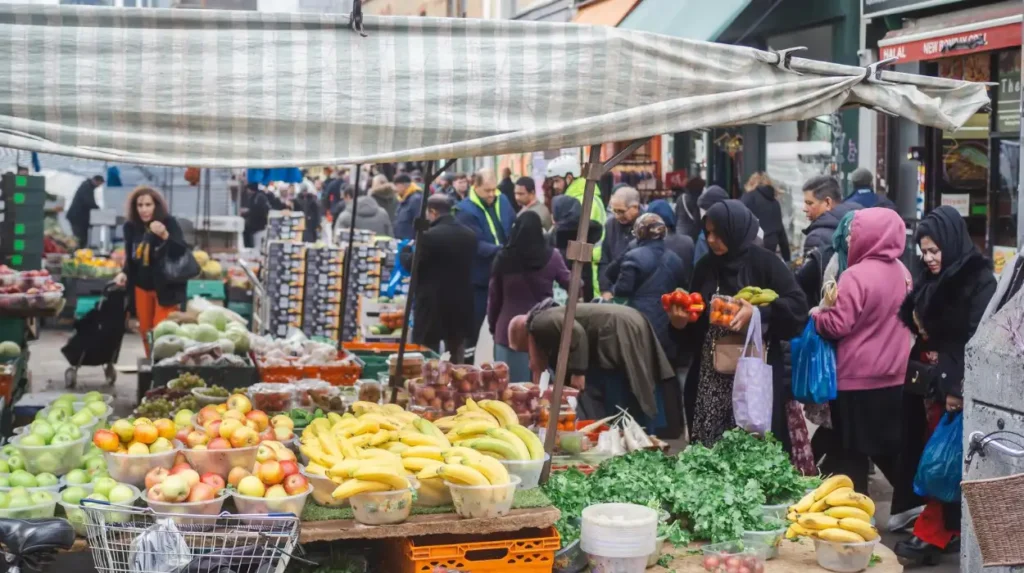
Whitechapel Market runs along Whitechapel High Street and serves local residents, workers and visitors. Market stalls and nearby shops offer everyday goods, food and products reflecting the area’s varied communities. The surrounding street also provides an opportunity to observe how traditional market trading operates alongside modern retail premises.
Nearby Petticoat Lane Market, associated with the wider Middlesex Street market area, is known for clothing, accessories and general merchandise. It is particularly relevant for visitors exploring the historic commercial connections between Whitechapel, Aldgate and Spitalfields.
These markets are active commercial environments rather than museum displays. Their opening patterns, stall availability and product ranges vary by day and individual trader. Visitors should check current local information before planning a dedicated market visit.
Food businesses add another dimension to Whitechapel’s cultural identity. South Asian restaurants, bakeries, cafés and takeaway shops reflect the influence of Bengali and other migrant communities. Visitors can experience these traditions through locally prepared dishes while supporting independent businesses.
Market visits also provide opportunities for street photography, although visitors should ask permission before taking close-up photographs of traders or customers. Keeping pathways clear and following stallholders’ instructions helps maintain a respectful visit.
For travellers interested in the relationship between commerce and culture, Whitechapel’s markets provide a practical way to explore the area’s identity beyond formal cultural institutions.
Where can visitors discover Whitechapel’s migration and community heritage?
Whitechapel’s migration heritage is visible in its religious institutions, community organisations, food businesses and historic streets. Jewish East End history and the development of Bengali communities are particularly important to understanding the district’s changing population, cultural traditions and present-day identity.
Whitechapel’s cultural history reflects successive waves of migration. New residents established businesses, places of worship, educational facilities and mutual-support networks, changing the district while contributing to London’s wider social and economic development.
Jewish heritage is especially significant in the history of the nineteenth-century East End. Jewish migrants from Eastern Europe established workshops, market businesses, synagogues and community organisations. Their experiences formed part of the area’s wider history of migration, labour and urban life.
The history of Bengali communities is equally important to contemporary Whitechapel. Bangladeshi migration, particularly from Sylhet, helped shape local restaurants, retail businesses, religious institutions and cultural organisations during the twentieth century. Bengali community life continues to influence the district’s public spaces and commercial streets.
The Tower Hamlets Local History Library and Archives provides a research resource for people interested in the borough’s past. Local historical collections, photographs, documents and records help researchers investigate changes in neighbourhoods and the lives of their residents. Visitors should check the archive’s current access arrangements and opening hours before travelling.
Academic projects also contribute to understanding Whitechapel’s complex history. University College London has conducted research and public engagement relating to the district, including work examining the histories and experiences of communities in the East End.
Community heritage is not confined to formal exhibitions. Shops, cafés, religious buildings and local associations continue traditions that developed through migration and settlement.
Visitors should approach these places as active community spaces. Respectful observation, support for local businesses and attention to the historical context provide a more informative experience than treating cultural identity as a tourist spectacle.
How can visitors explore Whitechapel’s art, public spaces and surrounding cultural attractions?
Visitors can explore Whitechapel through a walking route linking the gallery, Whitechapel High Street, local markets and historic religious buildings. Nearby Brick Lane, Spitalfields and Aldgate extend the experience with additional art, architecture, food and commercial heritage.
A walking visit helps connect Whitechapel’s cultural attractions geographically and historically. Many key destinations sit close to major roads and public transport stations, making the area suitable for independent exploration without a car.
Start at Whitechapel Gallery to explore contemporary art and the building’s cultural programme. Continue along Whitechapel High Street to observe market trading, shops and the movement of people through this busy East London corridor.
Altab Ali Park offers a quieter public space near the High Street. Named in memory of Altab Ali, a Bangladeshi textile worker murdered in a racist attack in 1978, the park includes a memorial associated with the history of anti-racist activism and the Bengali community in East London.
From the park, visitors can continue towards Brick Lane, known for its restaurants, independent retail businesses and street art. The route also connects with Spitalfields, where historic commercial buildings and market spaces illustrate the continuing relationship between heritage and modern urban activity.
The wider borough’s cultural attractions include established markets and heritage sites, with Tower Hamlets Council providing information on local destinations and cultural trails. towerhamlets.gov.uk+1
A practical route can take half a day, depending on exhibition visits, shopping stops and time spent eating. Visitors interested primarily in art should allow more time at the gallery, while those focused on local culture can spend longer exploring the market streets.
Street art and shopfronts change over time. Visitors should treat individual works as part of a changing public environment rather than assume that a particular mural, installation or business will remain in the same location.
What should visitors know before planning a Whitechapel heritage trip?
Visitors should plan around gallery opening hours, market trading days, public transport and access arrangements. Checking official attraction information in advance helps avoid closed venues, unexpected exhibition charges and unnecessary travel while allowing enough time for walking between Whitechapel’s cultural sites.
Whitechapel is accessible by public transport, with Whitechapel Underground and Overground services and Aldgate East Underground station providing connections to the wider London transport network. The Elizabeth line also serves Whitechapel station.
Whitechapel Gallery is located at 77–82 Whitechapel High Street, London E1 7QX. Its published visitor guidance identifies Aldgate East station as less than a minute’s walk away.
Visitors should check the following practical details before setting out:
- Opening hours: Confirm gallery and archive opening times, particularly on Mondays and public holidays.
- Tickets: Check whether a temporary exhibition requires payment. The gallery offers free displays alongside selected ticketed exhibitions.
- Transport: Use Transport for London’s journey-planning information for service changes, accessible routes and bus connections.
- Accessibility: Review step-free access, seating, toilets and other facilities with each venue before visiting.
- Markets: Confirm trading days and times if a market is a main reason for the trip.
- Photography: Follow venue rules and respect privacy in religious buildings, private premises and community spaces.
Whitechapel is suitable for a range of visitors, including solo travellers, couples, families and people exploring London between business commitments. The gallery’s reading and working spaces also provide an option for digital nomads who need a short break from cafés or shared workspaces, subject to the venue’s current visitor guidance.
Budget planning should distinguish free public spaces and displays from ticketed exhibitions, meals and purchases. Walking between nearby attractions reduces local transport costs and makes it easier to notice architectural and cultural details along the way.
The most useful approach is to choose a small number of priority sites and leave time for independent exploration. Whitechapel’s appeal comes from the relationship between its established institutions and the ordinary streets where its history remains visible.
Explore More Area Guide
Bow East London: Heritage, Historic Landmarks and Attractions
Exploring Stepney: Historic Places and Attractions in East London
Why does Whitechapel’s cultural heritage remain relevant today?
Whitechapel’s cultural heritage remains relevant because its historic streets, community institutions and contemporary arts venues document London’s continuing social change. Preserving these places supports local identity, public education and cultural tourism while connecting visitors with the communities that shape East London today.
Whitechapel demonstrates how a historic district can retain its identity while adapting to changing economic and social conditions. Its markets continue to serve everyday shoppers, religious institutions support active communities, and the Whitechapel Gallery connects local audiences with international artistic developments.
Heritage conservation also helps explain the relationship between buildings and the people who use them. Historic shopfronts, public parks, religious sites and former commercial premises provide evidence of earlier patterns of work, settlement and community life.
Cultural tourism contributes to this process by bringing visitors into contact with local institutions and businesses. Responsible tourism involves spending at independent shops, respecting community spaces and learning about the historical context of attractions rather than focusing exclusively on well-known landmarks.
Whitechapel’s future cultural relevance depends on maintaining access to public spaces, supporting local businesses and preserving historic buildings alongside new development. Museums, archives, galleries and community organisations each play a role in recording experiences that are not always represented in conventional accounts of London’s history.
For visitors, the district offers a way to understand East London through several connected perspectives: artistic innovation, migration, religious life, commercial activity and urban change. These themes make Whitechapel relevant to both first-time tourists and returning visitors seeking a deeper understanding of the capital.
How can visitors make the most of a cultural day out in Whitechapel?
Visitors can make the most of Whitechapel by combining a gallery visit with a heritage walk, a market stop and time in local cafés. Checking opening arrangements, travelling by public transport and exploring respectfully creates a practical introduction to East London’s history and contemporary culture.
A well-planned visit begins with Whitechapel Gallery, followed by a walk along the High Street and through nearby public spaces. Visitors can then explore local markets, discover community heritage and continue towards Brick Lane or Spitalfields if time allows.
The district does not require every attraction to be visited in a single trip. Selecting destinations according to personal interests creates a more manageable experience and leaves room to explore unexpected architectural details, independent shops and local food businesses.
Art enthusiasts should prioritise the gallery’s current programme. History-focused visitors can investigate local archives and heritage sites, while travellers interested in everyday culture can concentrate on markets, religious landmarks and community businesses.
Whitechapel’s main attraction is the combination of these experiences within one historic part of London. Exploring the area with attention to both its past and present gives visitors a fuller understanding of East London’s cultural identity.
What is Whitechapel famous for?
Whitechapel is famous for its art galleries, historic markets, multicultural heritage, Bengali community, Jewish history and association with the East End of London. Whitechapel Gallery is one of its best-known cultural attractions.