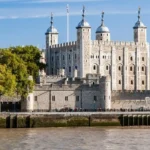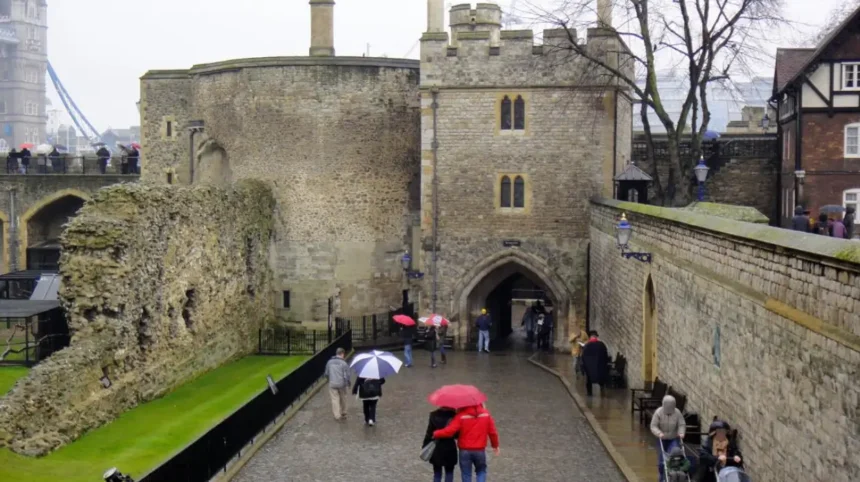
Tower Hamlets is one of East London’s most historically layered and culturally diverse boroughs. It stretches from the historic City fringe around Aldgate and Whitechapel through Spitalfields, Bethnal Green, Bow, Poplar and the Isle of Dogs to the River Thames.
- What is Tower Hamlets known for?
- Which historic attractions should visitors explore in Tower Hamlets?
- Which museums are worth visiting in Tower Hamlets?
- Where can visitors experience Tower Hamlets markets?
- Which Tower Hamlets neighbourhoods offer the most interesting experiences?
- What can visitors do in Tower Hamlets parks and green spaces?
- Where can visitors explore East London’s cultural heritage?
- What can visitors see around Canary Wharf and the Docklands?
- Which lesser-known places should curious visitors explore?
- How can visitors plan a Tower Hamlets sightseeing day?
- Why is Tower Hamlets important for understanding modern London?
- What makes Tower Hamlets a useful destination for curious visitors?
The borough combines major landmarks, historic markets, museums, parks, waterfront districts, religious buildings, contemporary cultural venues and distinctive neighbourhoods. Tower Hamlets Council describes the area as the heart of London’s East End and highlights its long history, cultural diversity and mixture of ancient and modern places.
For curious visitors, Tower Hamlets works particularly well as a place to explore by theme rather than simply by landmark. A visitor can spend a day following the history of the docks, exploring East End markets, tracing migration and religious heritage, visiting museums, walking through historic streets or combining Canary Wharf architecture with riverside scenery.
What is Tower Hamlets known for?
Tower Hamlets is known for its East End heritage, historic markets, docklands, multicultural communities, museums, parks and landmarks including the Tower of London. Its neighbourhoods connect centuries of London history with modern commercial, cultural and residential development.
Tower Hamlets takes its name from the historic association between the Tower of London and the hamlets surrounding it. The borough contains parts of the traditional East End and occupies an important position between central London, the River Thames and the expanding Docklands.
Its southern boundary follows the River Thames. Canary Wharf provides a modern skyline of office towers, transport infrastructure, restaurants and public spaces, while areas such as Whitechapel, Spitalfields and Bethnal Green retain strong connections with earlier phases of London’s urban history.
The borough’s attractions therefore fall into several interconnected themes: royal and medieval heritage, industrial and maritime history, migration and community heritage, markets, public parks, art and contemporary architecture.
This mixture is particularly useful for visitors who want more than conventional sightseeing. The borough provides opportunities to examine how London’s physical landscape changed as its economy, population and communities developed.
Which historic attractions should visitors explore in Tower Hamlets?
Historic attractions in Tower Hamlets include the Tower of London, Tower Bridge surroundings, Christ Church Spitalfields, historic streets around Spitalfields, St Anne’s Limehouse, old docklands and heritage buildings across Whitechapel, Stepney, Poplar and Bethnal Green.
The Tower of London is the borough’s most internationally recognised historic attraction. The fortress is a World Heritage Site and a Grade I listed building. It represents several phases of English history, including royal residence, military defence, imprisonment and the preservation of the Crown Jewels.
Christ Church Spitalfields provides another important historic landmark. Designed by Nicholas Hawksmoor, it forms part of the architectural heritage of the Spitalfields area.
Nicholas Hawksmoor also designed St Anne’s Limehouse and St George-in-the-East, creating a notable group of early eighteenth-century churches within Tower Hamlets. St George-in-the-East’s former churchyard is now St George’s Gardens, which opened to the public in 1875.
The historic environment extends beyond individual monuments. Streets around Spitalfields and Whitechapel preserve evidence of successive communities, commercial activity, religious institutions and residential development.
Tower Hamlets Council also maintains a local list identifying heritage assets valued for their architectural, historical and townscape significance. These locally important buildings are not necessarily nationally listed but contribute to the borough’s distinctive character.
As you explore the modern streets, you are crossing land shaped by centuries of migration, commerce and urban change. Read the full to understand how the borough developed from historic East End settlements into the modern London district.
Which museums are worth visiting in Tower Hamlets?
Tower Hamlets has museums covering docklands, East End social history, medicine, immigration and local heritage. London Museum Docklands, the Ragged School Museum and Royal London Hospital Museum provide different perspectives on trade, education, healthcare and everyday life.
London Museum Docklands is one of the strongest starting points for understanding the relationship between Tower Hamlets and the River Thames. It occupies a historic Grade I-listed warehouse at West India Quay and explores London’s river, port and Docklands history.
The museum’s collections address subjects including trade, cultural exchange, slavery, wartime experiences and the transformation of the docks. Its permanent galleries are free, making it particularly useful for visitors planning a culture-focused day without a large museum admission cost.
The Ragged School Museum provides a different perspective. It examines Victorian East London and the history of education and social conditions. Its recreated classroom environment helps visitors understand how charitable education operated in the nineteenth century.
The Royal London Hospital Museum documents the history of healthcare in the East End from the eighteenth century onwards. This makes it relevant for visitors interested in medicine, social history and Whitechapel.
Tower Hamlets also has a particularly rich archive tradition. The Tower Hamlets Local History Library and Archives contains historic documents dating from 1384, alongside maps, plans, photographs and newspaper cuttings.
These institutions demonstrate that the borough’s history is not limited to famous buildings. Its heritage also concerns workers, families, schools, hospitals, migration, commerce and public services.
Where can visitors experience Tower Hamlets markets?
Tower Hamlets has a major concentration of historic street markets, including Brick Lane, Columbia Road, Roman Road, Chrisp Street, Whitechapel and Petticoat Lane. Each market has a distinct location, trading pattern and connection with local communities and commerce.
Markets are central to the visitor experience because they connect food, shopping, local business and neighbourhood identity.
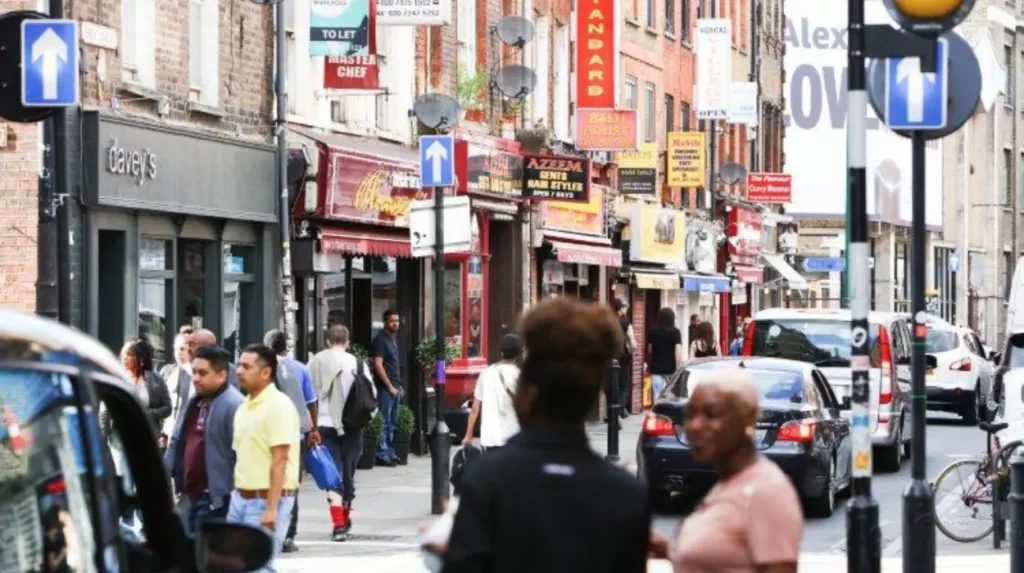
Brick Lane Market is one of the best-known examples. The market is associated with fashion, food, art, vintage goods and the multicultural history of the surrounding East End. Tower Hamlets Council states that Brick Lane Market was established in 1888.
Columbia Road Flower Market offers a very different experience. It focuses on flowers and plants and operates on Sundays. The surrounding street contains independent shops, galleries, cafés and pubs, creating a broader neighbourhood experience beyond the market stalls.
Roman Road Market operates on Tuesdays, Thursdays and Saturdays and serves the Bow and Bethnal Green area. Its name reflects the area’s association with an ancient route. Stalls include clothing, household goods, toys, jewellery, food and other everyday products.
Chrisp Street Market in Poplar dates from the Victorian period. It provides food, clothing, household goods and cafés within a pedestrianised setting.
Tower Hamlets Council identifies ten street markets, including Brick Lane, Bethnal Green Road, Chrisp Street, Columbia Road, Petticoat Lane, Roman Road, Roman Road Square, Sclater Street, Watney Market and Whitechapel Market.
Market opening arrangements vary by location and day, so visitors should check the current local information before planning a market-focused itinerary.

Which Tower Hamlets neighbourhoods offer the most interesting experiences?
Whitechapel, Spitalfields, Bethnal Green, Bow, Poplar, Limehouse and Canary Wharf each offer different visitor experiences. Together they show Tower Hamlets as a collection of distinct neighbourhoods rather than a single uniform tourist district.
Whitechapel is particularly important for East End social and cultural history. Its streets contain religious buildings, markets, galleries, historic institutions and connections with successive migrant communities.
Spitalfields combines historic architecture with independent businesses, markets, restaurants and creative activity. The area is particularly suitable for visitors interested in architecture and urban history.
Bethnal Green provides access to Victoria Park, local markets, museums and residential streets. It also connects with the cultural landscape around Brick Lane and Columbia Road.
Bow combines historic churches, residential neighbourhoods, Roman Road Market and access to Mile End. It provides a useful route between central East London and the eastern side of the borough.
Poplar offers a different perspective through Chrisp Street Market, the Docklands and historic connections with working-class East London.
Limehouse has a strong maritime and riverside identity. Its historic buildings and proximity to the Thames make it useful for visitors interested in the transition between historic docklands and modern London.
Canary Wharf represents the modern Docklands. High-rise commercial buildings dominate the skyline, while public spaces, riverside routes, restaurants and transport links provide visitor activities alongside the area’s business function.
The contrast between these neighbourhoods is one of Tower Hamlets’ defining characteristics. A visitor can move from eighteenth-century architecture to nineteenth-century markets and twentieth- and twenty-first-century Docklands development within a relatively compact area.
What can visitors do in Tower Hamlets parks and green spaces?
Tower Hamlets has more than 120 parks and green spaces, ranging from major historic parks to smaller gardens and open spaces. Victoria Park, Mile End Park, Island Gardens and Tower Hamlets Cemetery Park provide varied outdoor experiences.
Victoria Park is the borough’s largest and oldest park. Tower Hamlets Council describes it as covering more than 200 acres and records around nine million visits each year. The park includes lakes, historic monuments, cafés and open lawns.
The park opened in the nineteenth century as part of the development of public open space in East London. Its historic features include the Burdett-Coutts Memorial and two stone alcoves originating from the old London Bridge.
Mile End Park provides another major outdoor destination. Its facilities include Mile End Stadium, the Ecology Park and the Arts Pavilion. This combination makes the park relevant to visitors interested in recreation, ecology and public art.
Island Gardens occupies an important position opposite Greenwich across the Thames. The gardens were opened in 1895 on land preserved to protect views towards Greenwich.
Tower Hamlets Cemetery Park offers a different form of green-space experience. It combines landscape, ecology and burial history within a large historic cemetery.
The borough’s green spaces also reveal changes in London’s urban planning. Some parks originated as purpose-built Victorian public spaces, while others developed from churchyards, commons, former burial grounds or later redevelopment.
Where can visitors explore East London’s cultural heritage?
Visitors can explore Tower Hamlets’ cultural heritage through Brick Lane, Whitechapel, Spitalfields, religious buildings, historic markets, community landmarks and dedicated cultural trails. The borough’s heritage reflects successive Huguenot, Jewish, Bangladeshi and other communities.
Brick Lane demonstrates this layered history particularly clearly. Tower Hamlets Council records its associations with French Huguenot and Jewish communities before its strong connection with the Bangladeshi community.
The Tower Hamlets Cultural Trail identifies 20 sites around Brick Lane and Spitalfields. These include Boundary Estate, Redchurch Street, Brick Lane Sunday Market, Old Truman Brewery, Commercial Street, Princelet Street, Brick Lane Jamme Masjid, Christ Church Spitalfields, Old Spitalfields Market, Fournier Street, Whitechapel Art Gallery and Toynbee Hall.
This makes the cultural trail useful for visitors who prefer walking and interpretation to conventional sightseeing.
Religious buildings are particularly important because they document changing communities. A former synagogue, church or mosque can represent different stages in the history of a single street or neighbourhood.
The council’s Jewish East End heritage walk, for example, links landmarks around Aldgate, Whitechapel and Stepney, including synagogues, schools, community institutions, Brick Lane Mosque and historic Jewish businesses.
This layered approach allows visitors to understand Tower Hamlets as a living cultural landscape rather than simply a collection of tourist attractions.
What can visitors see around Canary Wharf and the Docklands?
Canary Wharf and the Docklands provide a modern counterpoint to historic East London. Visitors can explore high-rise architecture, waterfront public spaces, former dock infrastructure, museums, restaurants and transport connections while learning about London’s transformation from working docks to a financial district.
The Docklands were historically associated with London’s port economy. West India Docks formed an important part of that system, and the surviving warehouses now provide evidence of the area’s commercial past.
London Museum Docklands is particularly useful here because it occupies a historic warehouse at West India Quay. Its location connects museum interpretation directly with the physical landscape of the former docks.
Canary Wharf represents a later phase of development. The district became one of London’s major financial centres and is now recognised for its high-rise skyline and modern commercial architecture. Tower Hamlets Council describes Canary Wharf as an internationally recognised Docklands centre.
Visitors can combine architecture with waterfront walking, public spaces, food and cultural venues. The district also provides an effective transport base for exploring other parts of East London.
For domestic business travellers, Canary Wharf offers particular practical value because sightseeing can be combined with work-related travel, dining and short walks without requiring a full-day excursion.
Which lesser-known places should curious visitors explore?
Less prominent attractions include St George’s Gardens, Tower Hamlets Cemetery Park, local heritage trails, historic churchyards, small gardens, neighbourhood markets and architectural sites around Limehouse, Stepney and Poplar. These places reveal everyday East End history beyond major tourist landmarks.
St George’s Gardens is a strong example. The garden occupies the former churchyard of St George-in-the-East, one of three Tower Hamlets churches designed by Nicholas Hawksmoor. It covers 1.19 hectares and includes conserved heritage features and interpretation panels.
Small historic gardens are also important because they demonstrate how public open space developed in densely populated areas.
Stepney Green Gardens retains part of the historic Stepney Green landscape. The Metropolitan Gardens Association created the gardens in 1872. Bethnal Green Gardens has connections with the former Bethnal Green Poor’s Land and became a public recreation ground in 1895.
The borough contains many other historic green spaces, including Arbour Square, Boundary Gardens, Meath Gardens and Trinity Square Gardens. The London Inventory of Historic Green Spaces identified 52 publicly accessible historic open spaces in Tower Hamlets.
These places are especially relevant to visitors interested in architecture, landscape history, photography, walking and local research.
How can visitors plan a Tower Hamlets sightseeing day?
A practical Tower Hamlets day works best when attractions are grouped geographically. Visitors can combine Spitalfields and Brick Lane, Whitechapel and historic markets, Victoria Park and Bethnal Green, or Docklands and Canary Wharf rather than crossing the borough repeatedly.
A Spitalfields and Brick Lane day can begin with historic architecture before continuing through markets, independent businesses and the cultural trail. Christ Church Spitalfields, Fournier Street, Brick Lane and Old Spitalfields Market provide a concentrated sequence of heritage sites.
A Whitechapel heritage day can focus on markets, religious history, galleries and local institutions. It also provides opportunities to examine the borough’s changing communities.
A Victoria Park and Bethnal Green route provides a combination of open space, museums, neighbourhood streets and food. Victoria Park itself contains historic features and extensive lawns, while nearby areas connect with other East London attractions.
A Docklands route can combine London Museum Docklands with West India Quay, Canary Wharf and riverside spaces. The museum provides historical context before visitors explore the modern Docklands landscape.
A market-focused itinerary should be planned around opening days. Brick Lane operates on Sundays, Columbia Road Flower Market also operates on Sundays, while Roman Road and Chrisp Street have different weekly schedules.
Visitors should check official attraction and market information immediately before travelling because opening times, exhibitions and access arrangements change.
Explore More Area Guide
Best Places to Discover Tower Hamlets Culture in London
Tower Hamlets Visitor Guide: Streets, Waterfronts & Attractions
Why is Tower Hamlets important for understanding modern London?
Tower Hamlets is important because its streets, markets, docks, parks and buildings document major changes in London’s economy, population and culture. The borough connects medieval and royal heritage with industrialisation, migration, public housing, regeneration, finance and contemporary urban life.
The borough’s importance is therefore broader than its individual attractions.
Its historic docks demonstrate London’s role as an international trading port. Its markets reveal the continuing importance of street commerce. Its religious and community buildings document migration and demographic change. Its parks show the development of public recreation and urban green space.
Its modern Docklands illustrates large-scale economic restructuring. Former industrial waterfronts became major commercial and residential districts, while historic warehouses and infrastructure were incorporated into the contemporary city.
Archaeology adds another layer. Tower Hamlets contains areas with archaeological potential and recognised scheduled ancient monuments. The council describes archaeological remains as irreplaceable resources requiring protection.
This makes the borough particularly valuable for visitors who want to understand how London developed physically and socially.
The experience is not confined to major attractions. A market stall, churchyard, warehouse, terrace, park or riverside path can each provide evidence of a different period in the borough’s development.
What makes Tower Hamlets a useful destination for curious visitors?
Tower Hamlets combines major London landmarks with markets, museums, heritage trails, parks, neighbourhoods and modern Docklands. Its compact concentration of contrasting experiences allows visitors to investigate London’s history, culture, architecture and contemporary urban development within one East London borough.
The borough provides a broad range of visitor experiences without relying on one attraction type.
History-focused visitors can explore the Tower of London, historic churches, Spitalfields architecture and docklands heritage. Culture-focused visitors can follow the Brick Lane and Spitalfields trail, visit galleries and explore community landmarks.
Food and shopping visitors can explore markets such as Brick Lane, Columbia Road, Roman Road and Chrisp Street. Outdoor visitors have access to more than 120 parks and green spaces, including Victoria Park and Mile End Park.
Digital nomads and business travellers can also use neighbourhood cafés, public spaces and commercial districts as practical bases between meetings, while Canary Wharf provides direct connections between work, dining, culture and waterfront exploration.
Most importantly, Tower Hamlets rewards visitors who look beyond a single landmark. Its defining attraction is the relationship between different layers of London: royal history beside markets, former docks beside financial towers, historic churches beside modern neighbourhoods, and centuries-old public spaces beside contemporary cultural activity.
For a curious visitor, that combination makes Tower Hamlets one of East London’s most information-rich areas to explore.
What is Tower Hamlets known for?
Tower Hamlets is known for its East End heritage, Brick Lane, Spitalfields, historic markets, Docklands, Canary Wharf, Victoria Park, museums and multicultural communities.