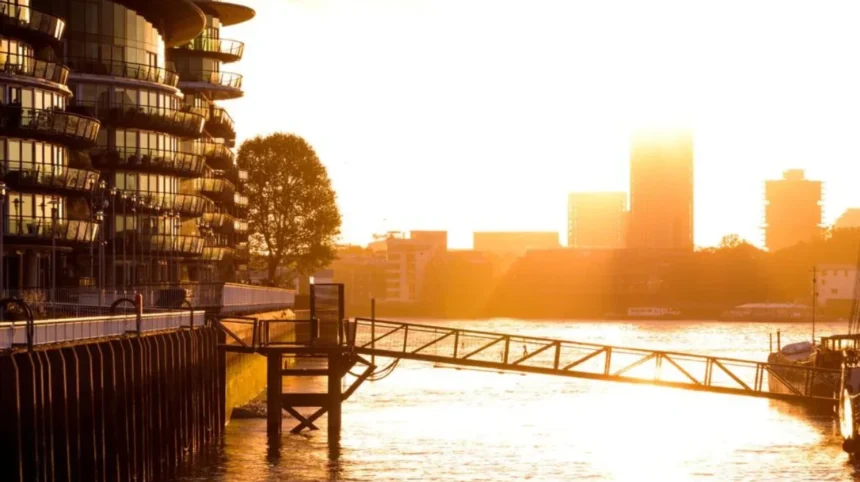
Tower Hamlets is one of East London’s most historically significant and culturally diverse boroughs. It stretches from the City of London and Tower Hill through Whitechapel, Spitalfields, Bethnal Green, Mile End and Bow to Poplar, the Isle of Dogs and Canary Wharf. The River Thames forms its southern boundary, creating a visitor landscape that combines historic streets, former docks, markets, parks, museums, landmarks and modern business districts.
- What makes Tower Hamlets an important visitor destination?
- How did Tower Hamlets develop into the East London district visitors see today?
- Which streets and neighbourhoods should visitors explore in Tower Hamlets?
- What are the best Tower Hamlets attractions for first-time visitors?
- Where can visitors experience the waterfront in Tower Hamlets?
- Which Tower Hamlets markets are worth visiting?
- Which parks and green spaces should visitors explore in Tower Hamlets?
- How can visitors combine Tower Hamlets attractions into a day itinerary?
- How can visitors explore Tower Hamlets sustainably?
- What should visitors know before exploring Tower Hamlets?
- Why does Tower Hamlets remain important for London visitors?
- What is the best way to experience Tower Hamlets as a visitor?
The borough’s identity developed through maritime trade, migration, industry, housing, markets and regeneration. Its modern attractions therefore sit within an unusually layered urban environment. Visitors can walk beside historic warehouses in Wapping, explore markets around Brick Lane and Whitechapel, visit major landmarks around Tower Hill, relax in Victoria Park and finish the day among Canary Wharf’s contemporary architecture.
Tower Hamlets also provides a useful base for exploring wider East London. Its transport connections include Underground, DLR, London Overground and Elizabeth line services, making many districts accessible without a car.
What makes Tower Hamlets an important visitor destination?
Tower Hamlets combines historic East End streets, major London landmarks, riverside districts, markets, museums, parks and Canary Wharf in one borough, giving visitors access to centuries of London history alongside contemporary culture, commerce and leisure attractions.
Tower Hamlets is distinctive because its visitor attractions are spread across different urban environments rather than concentrated around one single destination. Tower Hill and Wapping provide historic riverside experiences. Spitalfields and Brick Lane provide markets, food and cultural activity. Bethnal Green and Mile End provide parks, museums and neighbourhood streets. Poplar and the Isle of Dogs connect industrial heritage with modern Docklands development.
The borough is also strongly associated with the East End of London. Its name comes from the historical hamlets surrounding the Tower of London. The area developed around movement routes connecting London, the East of England and the River Thames.
Today, Tower Hamlets combines residential neighbourhoods with internationally recognised destinations. Canary Wharf functions as a major financial district, while the older districts retain market streets, historic buildings and communities shaped by successive migration.
This mixture gives visitors several distinct experiences without leaving the borough.
How did Tower Hamlets develop into the East London district visitors see today?
Tower Hamlets developed through maritime trade, dock construction, migration, industry, housing expansion and post-war regeneration. Its present streets preserve evidence of medieval settlements, Victorian markets, historic docks, twentieth-century reconstruction and modern Canary Wharf development.
The River Thames was fundamental to the borough’s development. Shipbuilding existed locally by the late fourteenth century, while the docks later became internationally important centres of trade. Blackwall Yard was established in 1614 and became one of the country’s major private shipyards.
The nineteenth century brought major changes. West India Docks and other enclosed docks created large industrial waterfronts and warehouse districts. The Regent’s Canal and Limehouse Basin connected the area with the wider canal network, supporting additional movement of goods.
Migration also shaped the borough. Huguenots, Jewish communities and later Bangladeshi communities contributed to the cultural identity of districts such as Spitalfields, Whitechapel and Brick Lane.
As you explore the modern streets and waterfronts, you are crossing land shaped by centuries of change. Read the full to understand the borough’s historical origins and development.
The twentieth century brought severe wartime damage, housing reconstruction and changes to the docks. The closure of the East India Docks in 1967 marked part of a wider decline in traditional dock activity. From the late twentieth century, former industrial areas were progressively regenerated.
Canary Wharf became the most visible symbol of this transformation. Former docklands were converted into a major commercial district with high-rise offices, public spaces, retail areas and transport connections.
Which streets and neighbourhoods should visitors explore in Tower Hamlets?
Visitors should explore Whitechapel, Spitalfields, Brick Lane, Wapping, Bethnal Green, Mile End, Bow, Poplar, Limehouse and Canary Wharf because each area presents a different combination of historic streets, markets, architecture, culture, waterfront scenery and contemporary London life.
Whitechapel
Whitechapel is one of the borough’s best-known historic districts. Whitechapel Road remains an important commercial route, while Whitechapel Market provides a strong connection to East London’s trading culture.
The area also has major transport connections. Whitechapel station links Underground, Overground and Elizabeth line services, making it practical for visitors arriving from other parts of London.
Spitalfields
Spitalfields sits close to the City of London and provides a transition between the financial centre and the East End. Its streets contain historic architecture, independent businesses, restaurants, galleries and market activity.
Spitalfields Market is particularly useful for visitors interested in shopping, food and design.
Brick Lane
Brick Lane is one of the borough’s most recognisable streets. It is associated with markets, street food, fashion, art and the history of the Bangladeshi community. Tower Hamlets Council records the street market as dating from 1888.
Wapping
Wapping provides a more residential riverside environment. Historic warehouses and former industrial buildings reflect the area’s connection with maritime trade.
Its riverside setting makes it suitable for visitors looking for quieter walks away from the busiest central attractions.
Bethnal Green and Mile End
Bethnal Green and Mile End combine residential streets, cultural venues and substantial green spaces. Mile End Park provides outdoor recreation, while Victoria Park is one of the borough’s major visitor destinations.
Canary Wharf and the Isle of Dogs
Canary Wharf presents a completely different urban landscape. High-rise towers, dock basins, public squares, restaurants and modern transport infrastructure define the district.
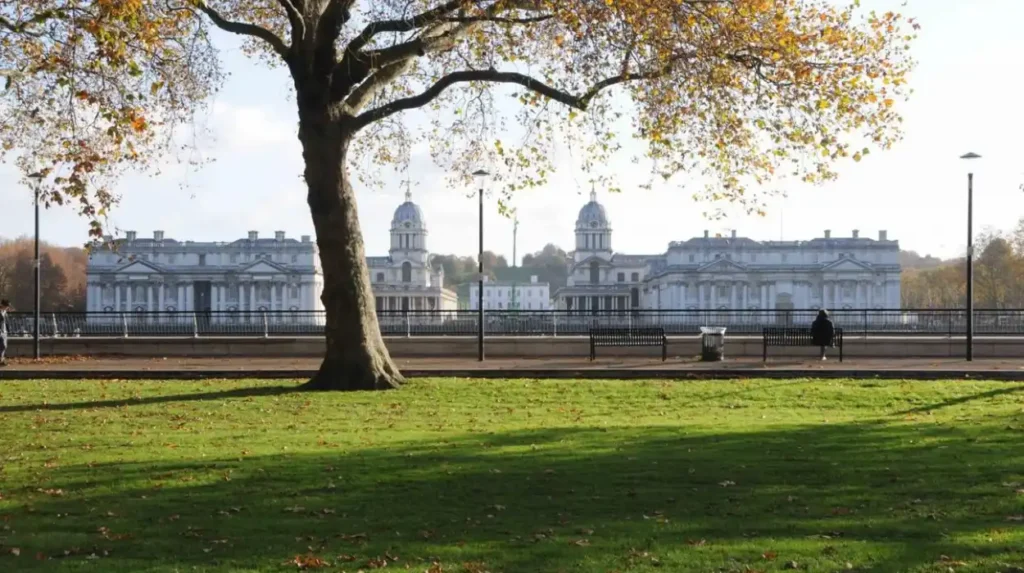
The Isle of Dogs also contains historic waterfront locations, including Island Gardens, which provides views towards Greenwich.

What are the best Tower Hamlets attractions for first-time visitors?
First-time visitors should prioritise the Tower of London, Tower Bridge, Museum of London Docklands, Victoria Park, Brick Lane, Columbia Road Flower Market, Canary Wharf and riverside districts such as Wapping and Island Gardens for a balanced introduction to Tower Hamlets.
The Tower of London is one of the borough’s most important historic landmarks. The medieval fortress forms part of the wider Tower Hill visitor area and connects Tower Hamlets directly with London’s royal and military history.
Tower Bridge is another defining landmark. Its location beside the Thames makes it particularly useful for combining sightseeing with a riverside walk.
The Museum of London Docklands provides deeper context about the borough’s relationship with the River Thames, port activity, trade and Docklands regeneration. Tower Hamlets Council identifies the museum as an important place for understanding the borough’s development as London’s port.
Victoria Park offers a completely different visitor experience. It provides open lawns, lakes, historic features, sports facilities and pathways.
Brick Lane is particularly relevant for visitors interested in markets, food and cultural history.
Columbia Road Flower Market provides another distinctive market experience. The Sunday market specialises in flowers and plants and is surrounded by independent shops, galleries, cafés and pubs.
Canary Wharf is best suited to visitors interested in contemporary architecture, public spaces, retail and the modern financial district.
Where can visitors experience the waterfront in Tower Hamlets?
Tower Hamlets has extensive riverside and dockside environments, including Wapping, Limehouse, Canary Wharf, the Isle of Dogs, West India Docks and Island Gardens, allowing visitors to experience historic warehouses, modern architecture, canals, parks and Thames views.
The River Thames forms the southern boundary of the borough. Its distinctive bend creates a long waterfront edge that has influenced the borough’s economic and physical development.
Wapping waterfront
Wapping is one of the best areas for understanding the relationship between historic London and the river. Former warehouses and industrial buildings remain important parts of the streetscape.
The area is also connected with the historic dock system that supported London’s international trade.
Limehouse Basin
Limehouse Basin connects the Regent’s Canal with the Thames. The Regent’s Canal was constructed in the early nineteenth century, and the canal network increased connections between the docks and inland destinations.
Today, the basin provides a modern waterside environment surrounded by residential development, walking routes and canal infrastructure.
Canary Wharf and West India Docks
West India Docks represent the industrial foundation of modern Canary Wharf. Large warehouses were historically used to store imported goods before distribution into London and beyond.
The surviving dock basins now sit alongside high-rise commercial buildings, creating one of the most recognisable contrasts in East London.
Island Gardens
Island Gardens provides three acres of waterfront parkland on the Isle of Dogs. It is known for its view towards Greenwich and provides pedestrian access to Greenwich through the foot tunnel beneath the Thames.
This makes Island Gardens particularly useful for visitors combining green space, river scenery and cross-river exploration.
Which Tower Hamlets markets are worth visiting?
Tower Hamlets has ten recognised street markets, including Brick Lane, Columbia Road, Chrisp Street, Petticoat Lane, Roman Road, Whitechapel and Watney Market, giving visitors options for food, flowers, clothing, household goods and local shopping.
Markets are central to the borough’s visitor identity. Tower Hamlets Council identifies ten street markets across the borough. Examples include Brick Lane, Bethnal Green Road, Chrisp Street, Columbia Road, Petticoat Lane, Roman Road, Roman Road Square, Sclater Street, Watney Market and Whitechapel Market.
Brick Lane Market
Brick Lane Market operates on Sundays and includes fashion, food, art, vintage goods, jewellery and other products. The market’s history also connects directly with the multicultural development of the surrounding East End.
Columbia Road Flower Market
Columbia Road is focused on flowers and plants. The Sunday market also provides access to independent businesses, cafés, galleries and antique sellers.
Whitechapel Market
Whitechapel Market operates along Whitechapel Road. Visitors find fresh produce, spices, fashion, cultural clothing and jewellery.
Roman Road Market
Roman Road Market operates on Tuesdays, Thursdays and Saturdays. The market includes clothing, household products, toys, beauty products, jewellery and food.
Chrisp Street Market
Chrisp Street Market is located in Poplar and operates from Monday to Saturday. Its offer includes fresh produce, clothing, household goods, cafés and traditional food businesses.
Market opening days and operating arrangements can change, so visitors should check current council information before planning a market-focused visit.
Which parks and green spaces should visitors explore in Tower Hamlets?
Tower Hamlets has more than 120 parks and green spaces, including Victoria Park, Mile End Park and Island Gardens, providing visitors with historic landscapes, lakes, gardens, recreation areas, waterfront views and quieter places to take a break.
Green space is an important part of the Tower Hamlets visitor experience. The council records more than 120 parks and green spaces across the borough, including small parks, garden squares and larger public landscapes.
Victoria Park
Victoria Park is the borough’s oldest and largest park. It receives more than nine million visits annually and contains historic lakes, monuments, a bandstand and original stone alcoves from London Bridge.
The park was established in the nineteenth century. Its historical development includes a pagoda acquired from the Chinese Exhibition at Hyde Park Corner and Queen Victoria’s visit in 1873.
Mile End Park
Mile End Park provides another major green corridor. It includes the Art Pavilion, Ecology Pavilion, sports facilities and recreational spaces.
Island Gardens
Island Gardens is smaller but important for its riverside location. Its Greenwich view and Thames foot tunnel make it particularly useful for visitors combining a park visit with a river crossing.
These green spaces also support slower-paced itineraries. Visitors can combine a museum or market with a park rather than spending an entire day among dense commercial streets.
How can visitors combine Tower Hamlets attractions into a day itinerary?
A practical Tower Hamlets day can combine Tower Hill and the riverside in the morning, Spitalfields or Brick Lane around midday, a park or museum in the afternoon, and Canary Wharf or another waterfront district later in the day.
A central sightseeing route starts around Tower Hill. Visitors can explore the Tower of London and Tower Bridge before continuing east along the Thames.
The route can then move towards Wapping, where historic warehouses and riverside streets provide a different architectural environment.
For lunch and shopping, continue towards Spitalfields and Brick Lane. These areas provide markets, cafés, restaurants, independent shops and street-level cultural activity.
An alternative afternoon route leads north-east towards Bethnal Green and Victoria Park. Victoria Park provides substantial open space and historic features after a busy morning of sightseeing.
Another option is to continue south-east towards Canary Wharf. The district provides a strong contrast between historic Docklands infrastructure and contemporary high-rise development.
For a riverside finish, visitors can continue towards Island Gardens. The park provides a direct view towards Greenwich and access to the Thames foot tunnel.
The best itinerary depends on opening days, market schedules and attraction ticket requirements. Public transport allows visitors to divide the borough into manageable sections rather than attempting to walk every district.
How can visitors explore Tower Hamlets sustainably?
Visitors can explore Tower Hamlets sustainably by using public transport, walking between nearby attractions, visiting local markets and independent businesses, using parks responsibly, reducing car travel and combining several attractions within connected neighbourhoods.
Tower Hamlets has strong public transport coverage. Underground, DLR, Overground and Elizabeth line stations connect many parts of the borough with central London and wider East London.
Walking is particularly effective within individual visitor zones. Spitalfields, Brick Lane, Whitechapel and parts of Shoreditch can be explored on foot. Wapping also provides opportunities for riverside walking.
Public transport is more practical for longer movements, such as travelling between Tower Hill, Victoria Park and Canary Wharf.
Visitors can also support the local economy through established markets and independent businesses. Markets such as Columbia Road, Brick Lane, Roman Road and Whitechapel have long-standing connections with local communities and commercial activity.
Parks should be treated as shared public spaces. Visitors should use designated paths, dispose of waste responsibly and follow park regulations.
For digital nomads and business travellers, neighbourhood cafés, libraries and commercial districts provide opportunities to combine work requirements with sightseeing. Canary Wharf is particularly relevant to business visitors because of its concentration of offices, retail and transport infrastructure.
What should visitors know before exploring Tower Hamlets?
Visitors should plan around attraction opening times, market days, public transport routes and walking distances because Tower Hamlets covers several distinct neighbourhoods, and its attractions range from ticketed landmarks and museums to open streets, parks, markets and public waterfronts.
Market schedules are particularly important. Columbia Road Flower Market and Brick Lane Market have specific Sunday trading patterns, while Roman Road, Whitechapel and Chrisp Street operate on different days.
Victoria Park has defined opening arrangements, with the park generally opening at 7am and closing at dusk.
Visitors should also distinguish between borough attractions and attractions immediately outside its boundaries. Tower Hamlets contains major landmarks including the Tower of London and Tower Bridge, while nearby destinations across the Thames or neighbouring boroughs require separate planning.
Weather also affects waterfront and park visits. Riverside walks and large parks are most comfortable when visitors plan suitable clothing and footwear.
For first-time visitors, dividing the borough into geographical sections is more efficient than attempting to cover every attraction in one route.
Explore More Area Guide
Best Places to Discover Across Tower Hamlets, London
Tower Hamlets Travel Guide: Historic East End London
Why does Tower Hamlets remain important for London visitors?
Tower Hamlets remains important because it connects London’s historic port, East End communities, markets, parks, cultural attractions and modern financial district, creating a visitor destination where historic urban landscapes and contemporary London operate within the same borough.
The borough’s future relevance comes from this combination of established heritage and continuing regeneration.
Canary Wharf represents the modern commercial economy. The historic docklands explain how London developed as an international trading city. Markets demonstrate the continuing importance of local commerce. Parks provide major public spaces in a densely urbanised environment.
Tower Hamlets also retains strong cultural diversity. Its communities, food businesses, markets and neighbourhood identities reflect successive periods of migration and settlement.
The physical environment tells the same story. Historic warehouses stand beside new residential buildings. Dock basins sit beside office towers. Traditional markets operate near major transport interchanges.
This makes Tower Hamlets particularly valuable for visitors interested in understanding London beyond its central tourist core.
A visit therefore does not need to focus on one attraction. The borough works best as a connected collection of streets, waterfronts, markets, green spaces, museums and landmarks.
What is the best way to experience Tower Hamlets as a visitor?
The best approach is to explore Tower Hamlets by connected neighbourhoods, combining major landmarks with markets, historic streets, parks and waterfronts rather than treating each attraction as an isolated destination within the wider East London visitor experience.
Start with the historic core around Tower Hill and the Thames. Continue through Wapping or Limehouse to understand the borough’s maritime landscape.
Move north towards Whitechapel and Spitalfields for markets, cultural activity and historic streets. Continue towards Brick Lane for food, shopping and East End heritage.
Use Victoria Park and Mile End Park when you want open space between urban attractions. Finish around Canary Wharf, West India Docks or Island Gardens to see how the former docklands have been transformed.
This approach reveals the borough’s defining structure: history, trade, migration, markets, green space, waterfronts and regeneration.
Tower Hamlets is therefore more than a collection of famous London attractions. It is an urban visitor destination where different periods of East London remain visible within a relatively compact area.
What is Tower Hamlets famous for?
Tower Hamlets is famous for the Tower of London, Tower Bridge, Brick Lane, Spitalfields, Victoria Park, historic Docklands, Canary Wharf and its diverse East End communities.