Tower Hamlets is one of East London’s most varied boroughs for visitors. It combines major historic landmarks, former docklands, riverside spaces, multicultural markets, contemporary architecture, museums, parks and neighbourhoods with distinctive local identities.
- Why should Tower Hamlets be included in a London itinerary?
- What can you see at the Tower of London?
- How does Tower Bridge fit into a Tower Hamlets sightseeing route?
- What makes Brick Lane important for visitors to Tower Hamlets?
- Which markets should visitors add to a Tower Hamlets itinerary?
- Which parks and green spaces are worth visiting in Tower Hamlets?
- What cultural experiences can visitors find in Tower Hamlets?
- What can visitors do around Canary Wharf and the Docklands?
- How should you build a one-day Tower Hamlets itinerary?
- How can visitors combine Tower Hamlets with the wider London itinerary?
- What makes Tower Hamlets relevant for future London travel?
The borough sits immediately east of the City of London and stretches from the River Thames around Tower Hill and Wapping through Whitechapel, Spitalfields, Bethnal Green, Bow, Poplar and the Isle of Dogs. Its geography makes it particularly useful for London itineraries because several major attractions sit within relatively compact areas.
Tower Hamlets also provides a direct connection between London’s medieval past, its industrial history and its modern financial landscape. The Tower of London and Tower Bridge sit close to the historic City, while Canary Wharf represents the transformed Docklands. Brick Lane and Columbia Road provide market and cultural experiences, while Victoria Park and Mile End Park provide substantial green space. Tower Hamlets Council describes the borough as the heart of London’s East End and highlights its combination of historic and modern attractions.
Why should Tower Hamlets be included in a London itinerary?
Tower Hamlets deserves a place on London itineraries because it combines historic landmarks, museums, markets, parks, riverside walks and modern architecture within a highly connected part of East London. Visitors can experience several distinct sides of London in one borough.
Tower Hamlets is particularly suitable for travellers who want more than the traditional Westminster itinerary. The borough contains internationally recognised attractions alongside neighbourhood destinations that reflect the social, commercial and cultural development of East London.
Its location also supports efficient sightseeing. Tower Hill provides access to the Tower of London and Tower Bridge. Spitalfields and Brick Lane connect historic streets with markets, food businesses, independent shops and cultural venues. Bethnal Green and Bow provide access to Victoria Park and other green spaces. The Isle of Dogs provides a contrasting modern environment dominated by Canary Wharf.
The borough’s name itself has historical significance. Tower Hamlets developed from the hamlets associated with the Tower of London. The area has evidence of human activity dating back thousands of years, while Roman, medieval, industrial and modern development all contributed to its present character.
For itinerary planning, this means Tower Hamlets works particularly well as a full-day destination or as several shorter neighbourhood visits distributed across a London trip.
What can you see at the Tower of London?
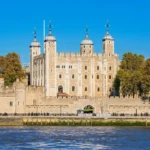
The Tower of London is a historic fortress on the River Thames known for its royal history, medieval architecture, prisoners, Yeoman Warders and Crown Jewels. It provides one of the strongest historical experiences available within Tower Hamlets and central London.
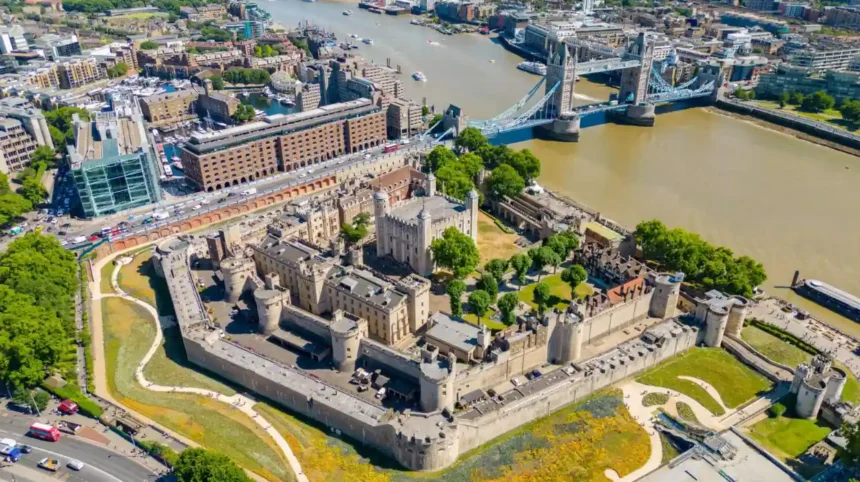
The Tower of London is the borough’s most internationally recognised historic attraction. Historic England identifies it as a scheduled monument and records its development from a tower keep castle into an enclosure castle from about the 13th century.
The complex represents several centuries of British political, military and royal history. Its functions changed over time. It operated as a fortress, royal residence, prison, armoury and treasury. The Crown Jewels remain one of its best-known visitor attractions.
Visit London describes the Tower as more than 900 years old and recommends allowing around two to three hours for a visit. The official visitor guide also identifies Tower Hill Underground Station on the Circle and District lines as the nearest Tube connection.
The Tower works especially well at the beginning of an East London itinerary because it provides immediate access to other riverside attractions. Tower Bridge is nearby, while the Thames provides a natural route towards Wapping and further east.
Visitors interested in heritage should treat the Tower as a substantial attraction rather than a quick photographic stop. Its buildings, defensive structures and collections require time to explore.
As you explore the modern site, you are crossing land with a deep heritage. Read about the full [Insert Anchor Text for History Article Here] to understand its origins.
How does Tower Bridge fit into a Tower Hamlets sightseeing route?
Tower Bridge adds architectural, engineering and riverside interest to a Tower Hamlets itinerary. Its location beside the Tower of London makes both landmarks easy to combine, creating a concentrated sightseeing route around one of London’s most recognisable river crossings.
Tower Bridge is one of London’s defining landmarks and forms an important visual connection between Tower Hamlets and Southwark across the River Thames.
The bridge opened in 1894 and uses a combined suspension and bascule design. Its bascules lift to allow larger vessels to pass along the Thames. The bridge therefore remains both a transport structure and a major heritage attraction.
For itinerary planning, Tower Bridge is best paired with the Tower of London. Visitors can explore the fortress first and then walk towards the bridge and riverside. This creates a logical sequence without requiring another major transport journey.
The surrounding area also provides strong views along the Thames. The riverfront offers opportunities for photography and walking, while the City of London skyline forms an important part of the background.
The proximity of these landmarks makes Tower Hill an efficient starting point for visitors with limited time. A traveller with only several hours in East London can combine the Tower of London, Tower Bridge and riverside walking before continuing towards St Katharine Docks, Wapping or the City.
What makes Brick Lane important for visitors to Tower Hamlets?
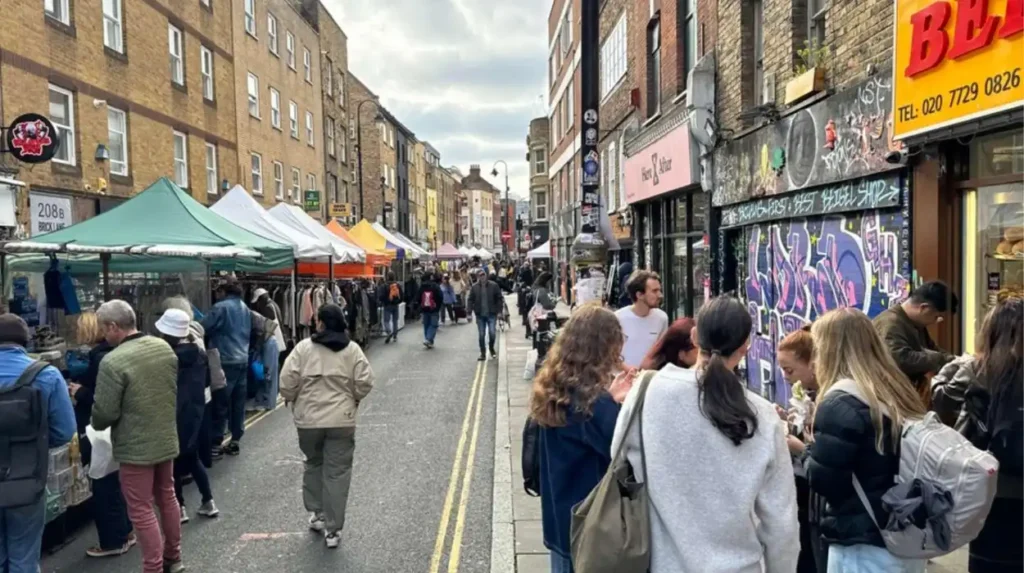
Brick Lane combines East End history, Bangladeshi heritage, street markets, food businesses, fashion, art and independent retail. Its dense mixture of cultural and commercial activity makes it one of the most distinctive neighbourhood experiences to add to an East London itinerary.
Brick Lane is one of the strongest choices for travellers seeking contemporary East London culture. Tower Hamlets Council identifies the street as a historic focal point for the Bangladeshi community and notes its earlier connections with French Huguenot and Jewish immigrant communities.
The street also has a long market tradition. Tower Hamlets Council records Brick Lane Market as being established in 1888. The market includes fashion, food, art, household goods, jewellery and retro clothing.
Brick Lane is therefore more than a food destination. It provides a concentrated view of migration, enterprise, retail and cultural change in London’s East End.
The surrounding Spitalfields area adds further historic context. Visitors can walk between Brick Lane, Spitalfields Market and nearby streets while observing changes in architecture and land use.
Brick Lane is particularly suitable for travellers interested in food and urban culture. Its restaurants and food businesses reflect the area’s long association with South Asian communities, while cafés, bakeries and independent retailers contribute to its contemporary identity.
The best itinerary approach is to combine Brick Lane with nearby Spitalfields rather than treating the street as an isolated attraction. This creates a broader neighbourhood experience and reduces unnecessary travel between individual stops.
Which markets should visitors add to a Tower Hamlets itinerary?
Tower Hamlets has a broad market network covering food, flowers, fashion, household goods, vintage products and street food. Brick Lane, Columbia Road, Roman Road, Chrisp Street and Petticoat Lane provide distinct market experiences across different East London neighbourhoods.
Markets are one of the strongest reasons to build a Tower Hamlets itinerary around specific days of the week. The borough officially lists several established markets with different locations, products and trading schedules.
Columbia Road Flower Market is focused on flowers, plants and gardening products. It is particularly associated with Sundays and provides a different experience from the borough’s general merchandise markets.
Roman Road Market operates on Tuesdays, Thursdays and Saturdays. Tower Hamlets Council describes Roman Road as being located on one of England’s oldest known trade routes. The market sells clothing, household products, toys, cosmetics and jewellery, alongside food and bakery stalls.
Chrisp Street Market in Poplar operates from Monday to Saturday. Its stalls include fruit and vegetables, clothing, household goods and other everyday products. The surrounding area also contains cafés and food businesses.
Petticoat Lane, centred around Middlesex Street, has a strong association with fashion, textiles and leather goods. It forms part of the historic market culture around Spitalfields and the East End.
These markets should not all be placed into one itinerary automatically. Their opening days differ, so travellers should match the market to the date of their visit.
For a Sunday itinerary, Brick Lane and Columbia Road provide particularly strong options. For a Saturday itinerary, Roman Road can be combined with Victoria Park or Bethnal Green. This approach creates a neighbourhood-focused day rather than a disconnected list of attractions.
Which parks and green spaces are worth visiting in Tower Hamlets?
Tower Hamlets contains more than 120 parks and green spaces, including Victoria Park, Mile End Park and local nature reserves. These spaces provide walking routes, gardens, sports facilities, historic features and quieter breaks between museums, markets and urban attractions.
Tower Hamlets Council states that the borough has more than 120 parks and green spaces. Fourteen currently hold Green Flag Awards, demonstrating recognised standards in park management and public access.
Victoria Park is the borough’s largest and oldest park. The council states that it receives around nine million visits annually and has received Green Flag recognition.
Victoria Park contains lakes, historic monuments, a bandstand and original stone alcoves associated with London Bridge. These features give the park significance beyond ordinary open space.
Mile End Park provides a different landscape. It is a linear park containing natural areas, sports facilities, the Art Pavilion and Ecology Pavilion. Its position helps connect several parts of East London through green infrastructure.
Tower Hamlets also contains Tower Hamlets Cemetery Park and Mudchute Park and Farm, which the council identifies as local nature reserves. These destinations provide opportunities to experience biodiversity within a densely urban borough.
The borough also contains nationally recognised registered parks and gardens. Tower Hamlets Council identifies five registered parks and gardens: Victoria Park, Boundary Gardens, Island Gardens, Museum Gardens and Novo Cemetery.
For itinerary design, Victoria Park works particularly well with Bethnal Green, Roman Road and Bow. Mile End Park fits naturally with Mile End and the eastern neighbourhoods. Island Gardens provides a useful contrast with the skyscrapers of Canary Wharf.
What cultural experiences can visitors find in Tower Hamlets?
Tower Hamlets offers museums, galleries, cultural venues, community spaces and heritage sites that explain East London’s social and economic development. The borough’s cultural attractions connect maritime history, migration, industry, contemporary arts and local community life.
The Museum of London Docklands is one of the most important cultural destinations for understanding the borough’s relationship with the River Thames and the Port of London. Tower Hamlets Council specifically highlights the museum’s coverage of the area’s development as London’s port through to the modern period.
The museum is located in the former West India Docks area, making its surroundings part of the historical experience. The Docklands setting provides a direct connection between museum interpretation and the physical landscape of warehouses, waterways and modern redevelopment.
The wider borough also contains cultural facilities that serve local communities. Idea Stores combine library services, learning, public computers, Wi-Fi and community activities. They provide useful spaces for visitors seeking practical facilities while exploring East London.
Tower Hamlets also maintains a programme of cultural and community events. Council listings include activities connected with heritage, arts, music, workshops, festivals and parks.
For visitors, cultural planning works best when museums and neighbourhood exploration are combined. A museum visit can explain the historical context, while a subsequent walk through the surrounding district shows how that history shaped the modern environment.
What can visitors do around Canary Wharf and the Docklands?
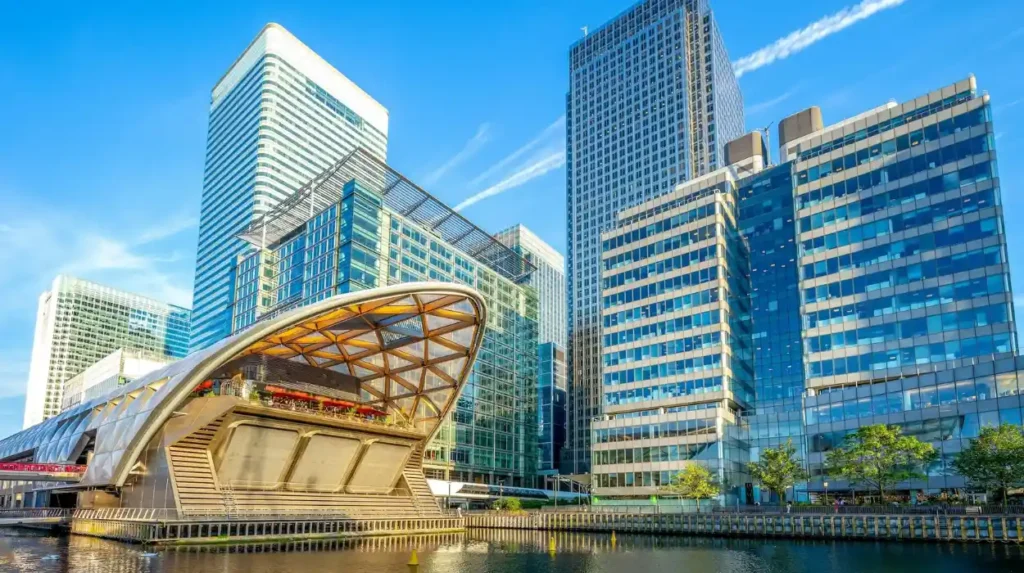
Canary Wharf provides a modern contrast to Tower Hamlets’ historic East End. Visitors can explore high-rise architecture, waterways, public spaces, shopping, restaurants and riverside routes while experiencing the transformation of former docklands into a major financial district.
Canary Wharf is one of the clearest examples of modern urban redevelopment in Tower Hamlets. The district occupies the former Docklands landscape and has developed into a major financial and commercial centre.
Tower Hamlets Council describes the borough’s Docklands regeneration as a major transformation and identifies Canary Wharf’s high-rise skyline as a defining feature of modern East London.
The area works well for travellers interested in architecture and contemporary London. Tall commercial buildings sit alongside docks and waterways, creating a strong contrast between industrial heritage and modern development.
Visitors can combine Canary Wharf with the Museum of London Docklands. This pairing provides chronological context: the museum explains the historical importance of the docks, while the surrounding district demonstrates their later transformation.
The Isle of Dogs also contains riverside spaces and views towards other parts of London. Island Gardens is particularly notable as a registered historic park and garden within the borough.
Canary Wharf is also practical for domestic business travellers. Its concentration of offices, transport connections, cafés, restaurants and public spaces provides options for using limited free time without travelling far from the commercial district.
How should you build a one-day Tower Hamlets itinerary?
A one-day Tower Hamlets itinerary works best when attractions are grouped geographically. A western route can combine the Tower of London, Tower Bridge and Brick Lane, while an eastern route can combine Victoria Park, Roman Road, Docklands and Canary Wharf.
The most efficient itinerary depends on opening days, interests and the amount of time available. Tower Hamlets contains enough attractions for several separate visits, so geographical grouping prevents excessive backtracking.
A heritage-focused morning can begin around Tower Hill with the Tower of London. The Tower provides the strongest historical anchor and requires substantial visiting time. Tower Bridge can follow as a nearby architectural and riverside stop.
The afternoon can then move towards Spitalfields and Brick Lane. This section introduces markets, food, migration history and contemporary East End culture.
A second itinerary option starts in Bethnal Green or Roman Road. Visitors can explore Roman Road Market when it is operating, continue towards Victoria Park and then travel east towards Mile End or Canary Wharf.
A Docklands-focused day can centre on the Museum of London Docklands, followed by Canary Wharf and the surrounding waterways. This route is particularly suitable for visitors interested in industrial history, architecture and urban regeneration.
The official Visit London guide recommends using attraction maps and neighbourhood-based planning to organise sightseeing routes across the capital.
Visitors should also check current attraction opening times before travelling. Markets have specific trading days, while major attractions operate according to published seasonal schedules.
Explore More Area Guide
East London Explorer: Top Tower Hamlets Attractions 2026
Tower Hamlets Attractions for Holidaymakers: East London 2026
How can visitors combine Tower Hamlets with the wider London itinerary?
Tower Hamlets connects naturally with central London, the City, South Bank and other East London districts. Its western landmarks sit close to the City, while transport links from areas such as Canary Wharf support onward journeys across London.
Tower Hamlets is useful as part of a larger London itinerary because its western boundary is close to some of the capital’s most important central districts.
A Tower Hill visit can connect directly with the City of London. Visitors can continue towards St Paul’s Cathedral, the Monument or the Thames riverside depending on their wider itinerary.
The riverside also provides a logical east-west sightseeing structure. Travellers can move between historic landmarks, former docks and modern developments while remaining within the broader Thames corridor.
For visitors staying elsewhere in London, Tower Hamlets can therefore function as either a dedicated day or a half-day extension to central London sightseeing.
The borough also supports different travel styles. Tourists can focus on major attractions and heritage. Residents can explore lesser-known parks and markets. Digital nomads can use cafés, libraries and public spaces between activities. Business travellers can combine Canary Wharf appointments with cultural attractions during free periods.
This flexibility is one of the borough’s strongest itinerary advantages. Tower Hamlets is not defined by one attraction. Its value comes from the concentration of historically, culturally and geographically different experiences.
What makes Tower Hamlets relevant for future London travel?
Tower Hamlets remains significant for London travel because its historic landmarks, cultural diversity, parks, markets and regenerated Docklands continue to support different visitor interests. Its combination of heritage and contemporary development gives the borough lasting itinerary value.
The borough’s future relevance comes from the coexistence of preserved heritage and continuing urban change.
The Tower of London represents medieval and royal London. Brick Lane represents layers of migration, commerce and community development. The docks represent London’s industrial and maritime economy. Canary Wharf represents the financial transformation of former industrial land. Victoria Park and other green spaces provide public recreation and ecological value.
This range gives visitors several ways to understand London without leaving the borough.
Tower Hamlets also maintains an extensive network of public parks. Its current parks information identifies more than 120 green spaces and highlights ongoing programmes involving events, recreation, biodiversity and improvements.
Markets continue to provide another important layer. Brick Lane, Roman Road, Chrisp Street, Columbia Road and Petticoat Lane each serve different communities and visitor interests.
For itinerary planning, the practical lesson is simple: choose Tower Hamlets according to the experience you want. Select the Tower of London and Tower Bridge for heritage. Choose Brick Lane and the markets for culture and food. Choose Victoria Park and Mile End Park for green space. Choose the Museum of London Docklands and Canary Wharf for industrial history and modern architecture.
Tower Hamlets therefore offers a complete East London travel experience within a highly accessible part of the capital. Its combination of historic sites, markets, museums, parks, riverside spaces and modern districts makes it a strong addition to both first-time London itineraries and repeat visits.
What are the best places to visit in Tower Hamlets?
The best places to visit in Tower Hamlets include the Tower of London, Tower Bridge, Brick Lane, Victoria Park, Columbia Road Flower Market, Museum of London Docklands, Canary Wharf, Roman Road Market and Mile End Park.