
In summer 2025, four out of 12 staff members (one-third) of Barking and Dagenham Council’s SEND team resigned, creating a backlog of hundreds of education, health, and care plan (EHCP) assessments for children with special educational needs and disabilities in East London.
- What Happened When Barking and Dagenham SEND Staff Resigned
- Why Did SEND Staff Resign From Barking and Dagenham Council
- What Is SEND and Why Does It Matter in Barking and Dagenham
- How Many EHCP Assessments Are Now Backlogged
- What Impact Have Resignations Had on Families and Children
- What Is Barking and Dagenham Council Doing to Fix The Problem
- How Does This Compare to SEND Staffing Crisis Across East London
- What Are The Long-Term Implications for SEND Services in The Borough
- When Will Families Expect Backlog Reduction and Service Recovery
- What Can Parents Do If Their Child Needs SEND Support During This Crisis
What Happened When Barking and Dagenham SEND Staff Resigned
Four SEND staff members resigned from Barking and Dagenham Council’s 12-person team in summer 2025, representing one-third of the workforce and triggering a significant backlog in EHCP assessments for children with special educational needs. This departure occurred during peak demand periods when parents were requesting increasing numbers of EHCP assessments, leaving the remaining staff with unsustainable caseloads of 200-300 children per worker.
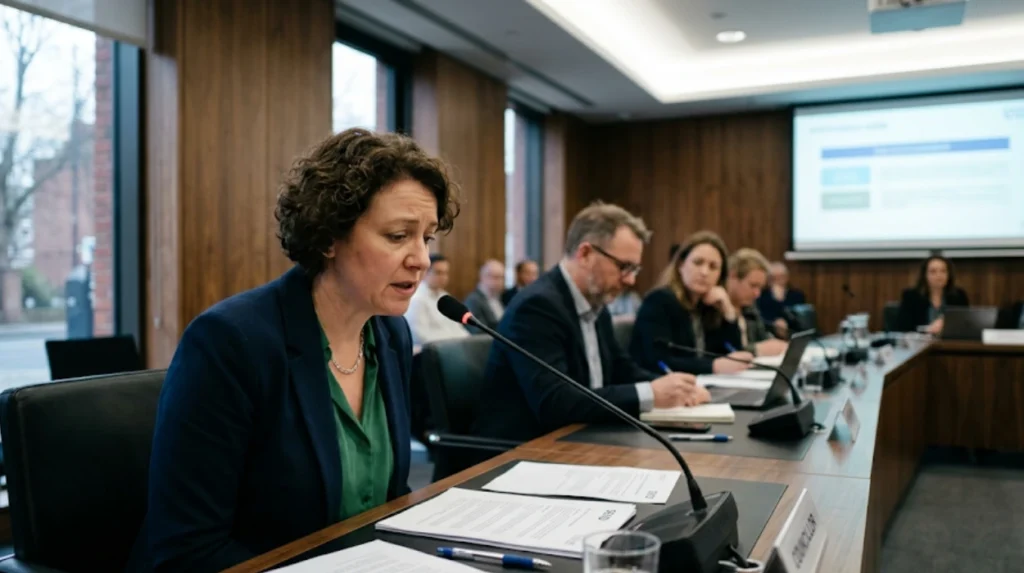
The resignations were revealed during an Overview and Scrutiny Committee meeting held on February 11, 2026, where council officials acknowledged the staffing crisis had severely impacted service delivery. Barking and Dagenham, a London borough in East London serving approximately 220,000 residents, supports around 8,500 children with SEND, of whom over 2,900 have an EHCP. The loss of four experienced staff members created immediate capacity gaps that the council could not quickly fill.
Why Did SEND Staff Resign From Barking and Dagenham Council
SEND staff resigned due to unsustainable caseloads of 200-300 children per worker, combined with rapidly increasing demand that rose 100% since 2022—four times the national average—while funding failed to match growing pressures. The borough’s population grew by approximately 26,000 residents since 2014, directly increasing demand for SEND services.
Staff faced impossible working conditions where managing 200-300 cases individually violated professional standards for quality care. The Special Educational Needs and Disabilities (SEND) system requires detailed assessments, individualized support planning, and regular monitoring—tasks that become impossible when caseloads exceed 50-70 children per worker. When caseloads reach 200-300, staff cannot complete mandatory timelines, attend necessary meetings, or provide adequate support.
Demand for EHCP assessments increased by 100% since 2022, according to Parliament’s July 2025 debate on SEND Provision in Barking and Dagenham. This surge represents four times the national average increase, creating explosive pressure on existing staff. The growing pressures in health services and shortages of therapists further made it difficult to meet statutory demands, compounding staff frustration and burnout.
What Is SEND and Why Does It Matter in Barking and Dagenham
SEND (Special Educational Needs and Disabilities) refers to children who require additional educational support due to learning difficulties, physical disabilities, autism, speech impairments, or mental health conditions, with EHCPs (Education, Health and Care Plans) providing legally binding support documentation. An EHCP details the specific support a child needs, including therapy hours, classroom accommodations, and funding allocations.
Barking and Dagenham currently supports approximately 8,500 children and young people with SEND, representing nearly 40% of the borough’s child population. Over 2,900 of these children have an EHCP, which is a legal document issued under the SEND Regulations 2014 that guarantees specific educational, health, and care provisions. These plans are critical because they legally obligate the council and schools to provide specified support.
The SEND system operates through a structured process: parents request an EHCP assessment, the council evaluates the child’s needs within 20 weeks mandated by law, and if approved, creates an EHCP detailing support requirements. Without an EHCP, children falling behind in school often receive minimal intervention, as schools prioritize resources for students with formal plans.
How Many EHCP Assessments Are Now Backlogged
The staff resignations created a backlog of hundreds of EHCP assessments, with demand rising 100% since 2022 while the team lost 33% of its workforce, leaving only 8 staff members to handle 200-300 cases each. The exact backlog number remains unquantified in public reports, but officials described it as “significant” during the February 2026 committee meeting.
Before the resignations, 12 staff members shared the borough’s SEND caseload. After four departed, only 8 workers remained, each now responsible for 200-300 cases. This means approximately 1,600-2,400 children are directly affected by reduced capacity. The backlog prevents families from accessing timely assessments, with only 1% of children in similar East Essex regions receiving EHCP assessments within the mandated 20-week timeframe as of 2024.
The assessment backlog has cascading effects. Without an EHCP, children cannot access guaranteed therapy hours, specialized classroom support, or funding for additional resources. Families wait months or years for assessments that legally should complete within 20 weeks. In neighboring Essex County Council, identified as the worst performer in 2024, 2,237 EHCPs were pending assessment with 26 families waiting over a year.
What Impact Have Resignations Had on Families and Children
Families face delayed EHCP assessments leaving children without legally guaranteed support, while remaining staff cannot meet statutory timelines, attend necessary meetings, or provide adequate individualized care for 200-300 children each. Children miss critical therapy hours, classroom accommodations, and educational support that EHCPs guarantee.
Parents experience prolonged uncertainty as they wait for assessments that should complete within 20 weeks but now extend months or years. Without an EHCP, schools prioritize limited resources for students with formal plans, leaving children without plans receiving minimal intervention even when falling significantly behind. Families report feeling “let down” by the system, with some waiting over a year for basic assessment decisions.
The impact extends beyond educational support. EHCPs include health and care provisions such as speech therapy, occupational therapy, psychological support, and social care services. Delays in assessment mean delays in all these services, affecting children’s overall development, mental health, and family wellbeing. Parents must navigate complex appeal processes through the Special Educational Needs and Disability (SEND) Tribunal when councils refuse assessments or inadequate plans.
Staff burnout affects service quality even for families receiving timely responses. When workers manage 200-300 cases, they cannot attend annual review meetings, update plans appropriately, or provide the personalized support each child needs. This creates a cycle where poor service quality generates more complaints, more appeals, and additional workload for already overwhelmed staff.
What Is Barking and Dagenham Council Doing to Fix The Problem
The council has acknowledged the staffing crisis during committee meetings but has not publicly announced specific recruitment targets, funding allocations, or timeline commitments to replace the four departed staff members or reduce unsustainable caseloads. Officials described caseloads as “just not acceptable” during the February 11, 2026 Overview and Scrutiny Committee meeting.
The Overview and Scrutiny Committee scheduled an in-depth review of the Education, Health and Care (EHC) process for February and March 2026, with a final report planned for March 2026. This review examines pressures and data surrounding the EHC process, though public details of proposed solutions remain limited. The Commissioning Director for Education and Head of Statutory SEND Services presented session 4 of the EHC process for scrutiny review.
In September 2024, an Ofsted inspection of Barking and Dagenham’s Local Area Partnership for SEND highlighted positive outcomes for children and families while identifying areas for improvement regarding EHCP and annual review timeliness. The inspection noted progress is slow in relation to up-to-date EHCPs and Annual Reviews, transition to adulthood, and insufficient face-to-face antenatal visits for families.
Government funding allocation of £740 million for 2025-26 aims to deliver additional SEND places in mainstream and special schools nationwide, but SEND spending continues to outpace available funding in Barking and Dagenham. SEND funding deficits are growing rather than shrinking, forcing schools to prioritize core provision over individualized support.
How Does This Compare to SEND Staffing Crisis Across East London
Barking and Dagenham’s 100% demand increase since 2022—four times the national average—exceeds staffing pressures in neighboring East London boroughs, though similar CASeload crises affect multiple authorities including Essex where only 1% of children received EHCPs within 20 weeks in 2024. Essex County Council was identified as the country’s worst performer for completing EHCP assessments within the mandated timeframe, with 2,237 EHCPs pending and 26 families waiting over a year.
By March 2026, Essex improved to approximately 20% of children receiving EHCPs within 20 weeks after pledging £2.6 million to address their backlog. This investment demonstrates a funding approach Barking and Dagenham has not publicly matched. Essex’s £2.6 million commitment specifically targets hiring assessment specialists and reducing waiting times, providing a model for potential solutions.
Population growth patterns differ across East London. Barking and Dagenham added approximately 26,000 residents since 2014, directly driving SEND demand increases. Other East London boroughs face similar population pressures but may have different baseline staffing capacity or funding arrangements. The national average demand increase is 25% since 2022, making Barking and Dagenham’s 100% surge four times worse.
Staff caseloads of 200-300 per worker in Barking and Dagenham represent extreme pressures. Professional standards suggest 50-70 cases maximum per SEND officer. Neighboring authorities likely face similar but potentially less severe caseload issues, as Barking and Dagenham’s combination of population growth, demand surge, and staff resignations created a uniquely acute crisis.
What Are The Long-Term Implications for SEND Services in The Borough
Without immediate staff recruitment and caseload reduction, Barking and Dagenham faces continued assessment delays, potential Ofsted enforcement action, increased tribunal appeals, and deteriorating outcomes for 8,500 children with SEND as funding deficits grow rather than shrink. The borough’s 100% demand increase since 2022 suggests sustained pressure that will not resolve without systemic changes.
Growing SEND funding deficits mean schools cannot maintain core provision while providing individualized support. As deficits expand, services face further compression, potentially triggering additional staff resignations and worsening the backlog. This creates a dangerous cycle where poor service quality generates more complaints and appeals, increasing workload for remaining staff and accelerating burnout.
The 2,900 children with EHCPs require annual reviews to update support needs. When staff manage 200-300 cases, annual reviews become delayed or inadequate, meaning children’s support plans do not reflect current needs. This undermines the legal purpose of EHCPs and may trigger tribunal appeals when families receive insufficient support.
Long-term implications include increased inequality for children with SEND, as families without resources to navigate complex appeal processes or purchase private therapy receive inadequate support. The borough’s rapid population growth suggests demand will continue rising, making current staffing levels increasingly unsustainable without intervention.
Explore More Help & Resources
Safest Areas in East London 2026 Ranked by Crime Figures
Hackney Rats Problem Scale Complaints and What the Council Is Doing
When Will Families Expect Backlog Reduction and Service Recovery
No public timeline exists for backlog reduction, as the council has not announced specific recruitment numbers, funding commitments, or recovery targets following the February 2026 committee acknowledgment of the staffing crisis. The March 2026 final report on the EHCP review may provide updated information, but no commitments have been publicly confirmed.
Typical EHCP assessment timelines require 20 weeks from request to decision under SEND Regulations 2014. With hundreds of assessments backlogged and only 8 staff managing 200-300 cases each, realistic recovery depends on recruitment speed and caseload reduction targets. If the council recruits four replacement staff immediately and maintains them, backlog reduction could take 6-12 months depending on daily assessment capacity.
Neighboring Essex County Council’s experience provides a reference point. After pledging £2.6 million in March 2026, Essex improved from 1% to 20% of children receiving EHCPs within 20 weeks by March 2026—a significant but incomplete recovery. This suggests Barking and Dagenham would need substantial investment and time to achieve similar improvements.
Families currently waiting for assessments face uncertainty. Without published recovery timelines, parents cannot plan education transitions, therapy schedules, or support arrangements. The lack of public commitment suggests the council may still be developing solutions rather than implementing确定的 recovery plans.

What Can Parents Do If Their Child Needs SEND Support During This Crisis
Parents can request EHCP assessments through the council, appeal refused decisions to the SEND Tribunal, request emergency reviews for inadequate annual reviews, and complain to the Local Government Ombudsman if the council exceeds statutory deadlines. The SEND system provides legal mechanisms for challenging delays or inadequate support even during staffing crises.
To request an EHCP assessment, parents submit a formal request to Barking and Dagenham Council’s SEND department. The council must evaluate within 20 weeks and respond whether an EHCP will be issued. If the council refuses assessment or creates inadequate plans, parents can appeal to the Special Educational Needs and Disability (SEND) Tribunal after consulting mediation advisers.
For children with existing EHCPs, annual reviews must occur yearly. If Barking and Dagenham fails to hold reviews, consults parents improperly, ignores evidence, or proposes inadequate amendments, parents can challenge using Regulation 18 of the SEND Regulations 2014. Write to the local authority explaining inadequacies and required changes. If unsatisfactory responses occur, appeal to the SEND Tribunal or complain to the Local Government Ombudsman.
After review meetings, the council has 4 weeks to decide whether to maintain, amend, or cease the EHCP. If amending, they must send draft proposed amendments within 15 days for parent response. Parents should not allow the council to exceed these strict deadlines. Emergency reviews can be requested for inadequate support.
Parents facing prolonged delays should document all communications, track statutory deadline breaches, and consider private therapy purchases if resources allow. While private purchases do not replace council obligations, they provide interim support during delays. Community SEND support groups in East London may offer guidance on navigating the crisis.
What happened when Barking and Dagenham SEND staff resigned?
In summer 2025, four of the 12 staff members in Barking and Dagenham Council’s SEND team resigned, reducing the workforce by one-third. The departures contributed to a significant backlog of EHCP assessments and increased pressure on remaining staff.