
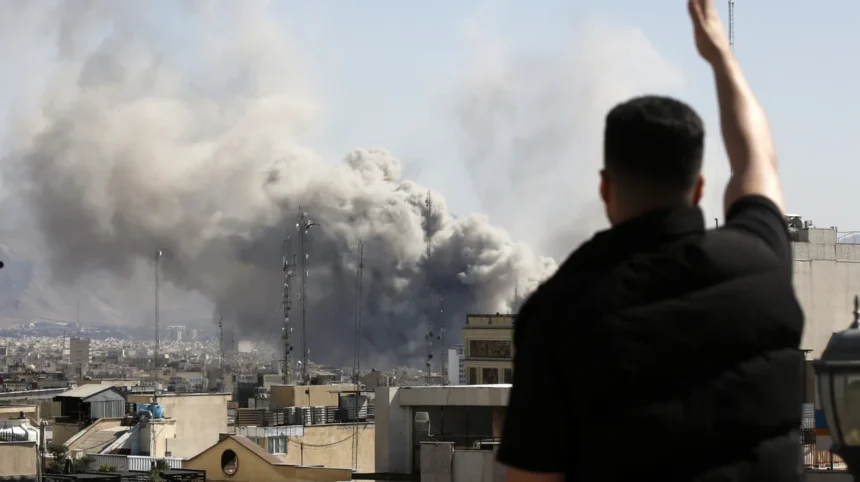
The ongoing conflict involving Iran is creating mounting pressure on the global economy, driving up energy prices, worsening inflation, and increasing financial strain on households worldwide.
While military and diplomatic uncertainty continues surrounding the conflict, economists say the economic impact is already being felt across international markets, particularly through rising oil prices and growing fears of a prolonged global inflation crisis.
Global benchmark oil prices have surged sharply since the conflict escalated, with Brent crude climbing well above levels seen earlier this year. Although emergency releases from global oil reserves have temporarily helped stabilise prices, analysts warn the situation may become increasingly difficult to control if disruptions continue.
According to the International Energy Agency, global oil deliveries from the Persian Gulf have already fallen by around one billion barrels since the conflict began.
Much of the shortfall has been offset by reduced demand, increased production outside the Gulf region, and the release of strategic oil reserves. However, energy officials warn those reserves are declining at an unsustainable pace as global demand continues rising.
The consequences are being felt most severely in developing countries, where higher fuel and transport costs are rapidly increasing food prices and economic hardship.
In Somalia, aid groups report that transportation costs for delivering food into refugee camps have doubled or even tripled because of rising diesel prices. Access to clean water has also become more expensive in some areas due to increased fuel costs for diesel-powered pumps.
Across parts of Africa, public anger over fuel price increases has intensified political and economic tensions. Protests linked to rising energy costs in Kenya have already resulted in deaths and growing instability.
In India, soaring prices for cooking gas have hit low-income urban households particularly hard, forcing many workers and small businesses into financial distress.
Economists warn the conflict is now creating a broader inflationary shock that could affect everything from transport and agriculture to manufacturing and consumer goods.
Agricultural sectors worldwide are also under pressure as the prices of fertilisers and diesel continue climbing. Experts fear this could eventually reduce crop production and push global food prices even higher.
The World Food Programme previously warned that millions more people could face acute hunger if the conflict continues disrupting global supply chains and energy markets.
Financial markets are also beginning to show signs of stress. Many developing economies are struggling with rising trade deficits, weakening currencies, and growing inflation pressures linked to higher oil prices.
Countries including India, Indonesia, and the Philippines have reportedly spent billions defending their currencies and stabilising financial markets.
Europe, while less dependent on Persian Gulf oil than Asia, is also facing economic risks. European officials have warned the continent could face stagflation, where inflation rises while economic growth slows.
In the United States, officials have attempted to downplay the economic risks, pointing to increased domestic energy production and rising American oil exports.
US energy companies have benefited significantly from higher global oil prices, with exports increasing sharply since the conflict began.
However, American consumers are also paying more for fuel. Reports suggest US households have spent tens of billions of dollars extra on gasoline since the start of the conflict.
The impact is also spreading into housing and financial markets as rising inflation pushes government bond yields and borrowing costs higher.
In the US, inflation recently climbed to 3.8%, well above the Federal Reserve’s target, increasing pressure on policymakers to keep interest rates elevated.
Higher borrowing costs are already affecting mortgage rates, business investment, and household spending in several major economies.
Despite stock markets remaining relatively resilient so far, analysts warn the longer the conflict continues, the greater the risk of a deeper global economic slowdown driven by inflation, energy shortages, and financial instability.
For many lower-income countries and vulnerable households worldwide, economists say the economic consequences of the Iran conflict are already becoming impossible to ignore.