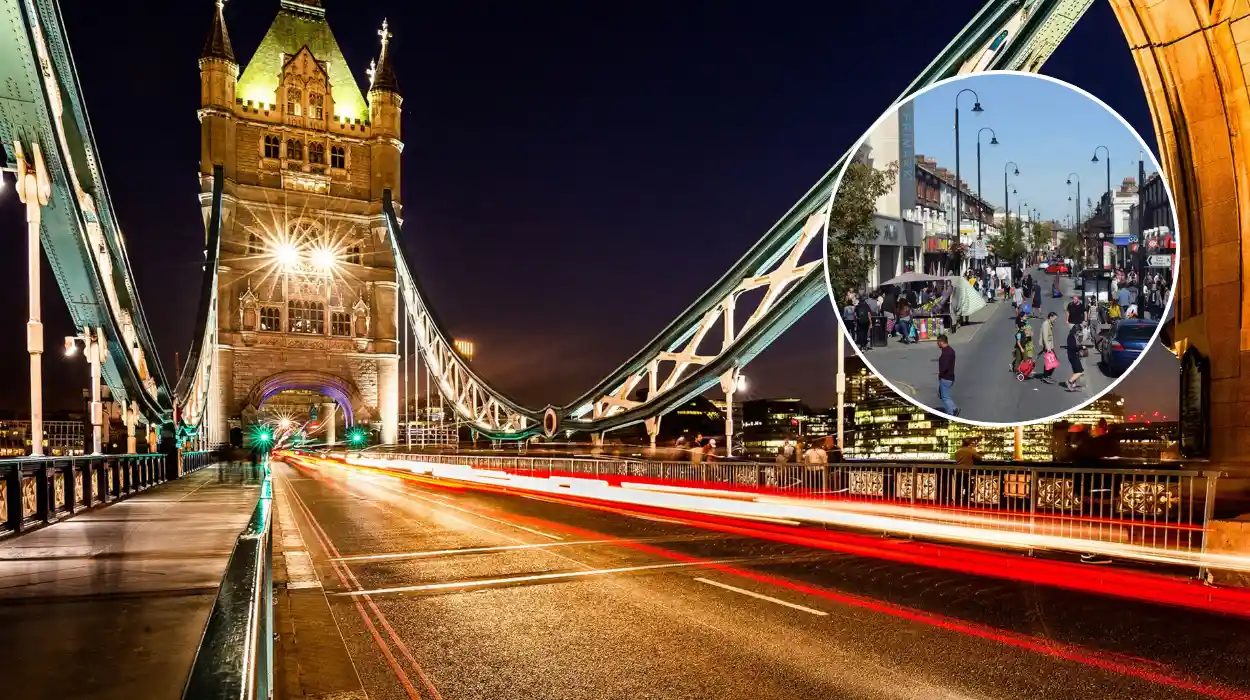
East Ham stands as a vibrant cornerstone of East London, blending ancient roots with modern multiculturalism. This district in the London Borough of Newham captivates with its evolution from marshy meadows to a bustling hub of diversity and resilience.
Ancient Origins
East Ham traces its name to the Old English “Hamm,” denoting low-lying meadowland or marsh. First documented in 958 AD as “Esthamme,” it formed part of the ancient parish of West Ham in Essex, remaining a quiet rural village for centuries.
Agricultural life dominated, with farms, fisheries, and mills along the River Lea sustaining locals. The 12th-century St. Mary Magdalene Church in nearby West Ham underscores the area’s medieval footprint, though East Ham itself stayed agrarian until enclosures in the 18th century reshaped land use.
Domesday Book records highlight early manors like Hamfrith, emphasizing East Ham’s role in Essex’s feudal landscape before London’s sprawl encroached.
Industrial Awakening
The 19th century transformed East Ham through railways and docks. The London, Tilbury and Southend Railway’s 1854 arrival spurred suburban growth, drawing workers to nearby industries.
Proximity to the Royal Victoria Dock fueled expansion; by 1894, East Ham’s population exploded from 5,000 to over 32,000 in a decade. It gained urban district status in 1890 and county borough independence in 1915, boasting its own town hall by 1930.
Shipbuilding, chemicals, and engineering boomed, with Beckton Gas Works exemplifying the era’s grit. Housing followed—terraced homes for the working class sprang up, cementing East Ham’s industrial identity.
World Wars Impact
Both world wars scarred East Ham profoundly. World War I saw munitions factories employ thousands, including women, but Zeppelin raids claimed lives and homes.
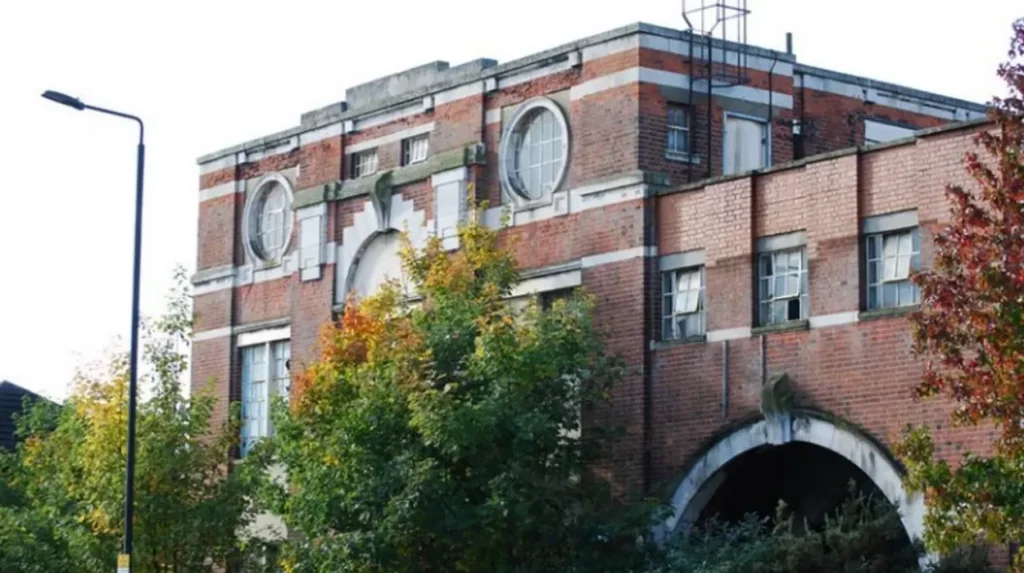
World War II brought heavier devastation: over 1,000 bombs fell, destroying shops and factories. The 1940s Blitz leveled parts of High Street North, yet community spirit endured through air-raid shelters and evacuation efforts.
Post-1945 reconstruction prioritized council housing; the 1965 merger into Newham Borough integrated East Ham into Greater London, paving way for high-rises like Brimstone House.
Cultural Mosaic
Today, East Ham epitomizes East London’s multiculturalism, with over 70% non-white residents per recent censuses. South Asian communities, especially from India, Pakistan, and Bangladesh, arrived post-1960s, opening shops and eateries along Green Street.
Caribbean, African, and Eastern European influences enrich the tapestry. Diwali festivals light up Plashet Park, while mosques like East Ham Islamic Centre serve diverse faiths. This blend fosters global cuisine—from curry houses to Afro-Caribbean bakeries—making East Ham a foodie’s paradise.
Community events, like the annual East Ham Market, celebrate this vibrancy, drawing locals and visitors alike.
Landmarks Spotlight
Central Park offers green respite with playgrounds, sports pitches, and a boating lake, ideal for family outings. The historic East Ham Town Hall, a 1930s Art Deco gem, hosts civic events.
Priory Park, named for a medieval priory site, features ornamental gardens and a cafe. Plashet Grove Library stands as a modern knowledge hub, while the East Ham Memorial Clock honors war dead.
Street art and murals along Romford Road add contemporary flair, reflecting the area’s creative pulse.
Transport Links
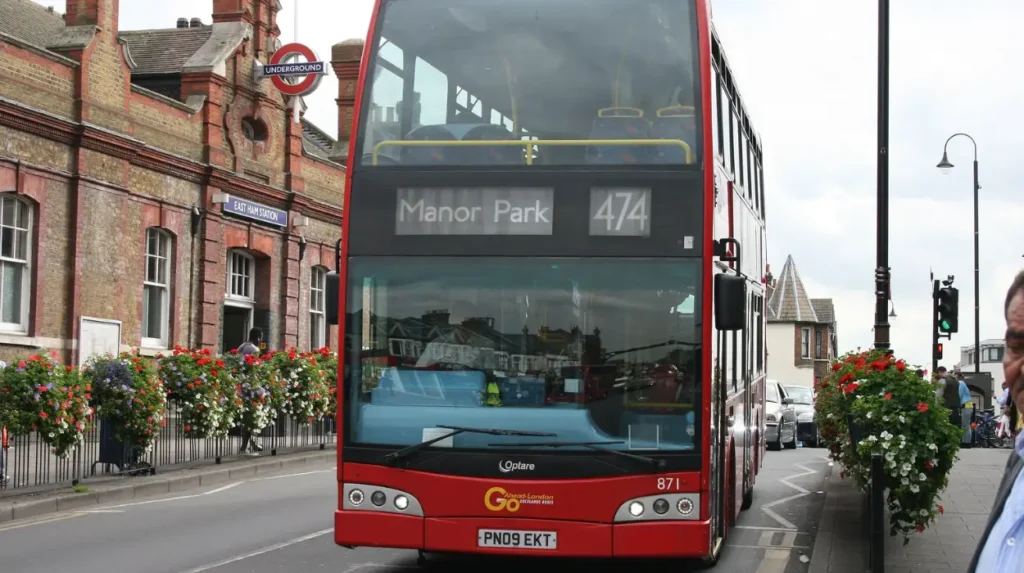
East Ham thrives on connectivity. East Ham Underground station on the District and Hammersmith & City lines links to central London in under 30 minutes. Elizabeth line access via nearby Maryland enhances commutes.
National Rail’s East Ham station serves Essex and beyond. Major roads like the A13 and A406 North Circular ease travel, though traffic remains a local gripe. Cycling paths and bus routes, including the 5 and 101, bolster everyday mobility.
Economy Pulse
Retail dominates, with Green Street’s markets offering bargains in fabrics, electronics, and spices. Boleyn Ground, former West Ham United home until 2016, left a sporting legacy; now redeveloped into housing.
Employment spans logistics at nearby docks, NHS roles at Newham Hospital, and small businesses. Unemployment hovers around UK averages, but entrepreneurship thrives among immigrant communities.
Gentrification edges in, with cafes and co-working spaces emerging, balancing tradition with renewal.
Education Hubs
East Ham boasts solid schools. Brampton Manor Academy ranks among England’s top comprehensives, excelling in GCSEs and A-levels. Elmhurst Primary and Plashet School cater to diverse needs with strong Ofsted ratings.
Newham College offers vocational courses in health, IT, and business. Libraries and adult education centers support lifelong learning, vital in a multicultural setting.
Green Spaces
Parks define East Ham’s livability. Central Park spans 14 hectares with tennis courts, a cafe, and events space. Priory Park’s rose gardens and aviary attract nature lovers.
Plashet Park hosts cricket and fitness trails. These oases counter urban density, promoting mental health amid tower blocks.
Community Spirit
East Ham’s residents rally through initiatives like the East Ham Neighbourhood Centre, aiding integration and skills training. Faith groups bridge divides, from gurdwaras to churches.
Crime rates, once high, have dropped via Safer Neighbourhood Teams, though pockets persist. Volunteer clean-ups and youth clubs foster pride.
Future Horizons
Regeneration promises growth: Newham Council’s plans include affordable housing and commercial hubs. The Thames Gateway vision eyes sustainable development, preserving East Ham’s character.
Climate resilience efforts, like flood defenses, address marshland vulnerabilities. As East London evolves, East Ham remains a beacon of adaptability.