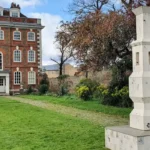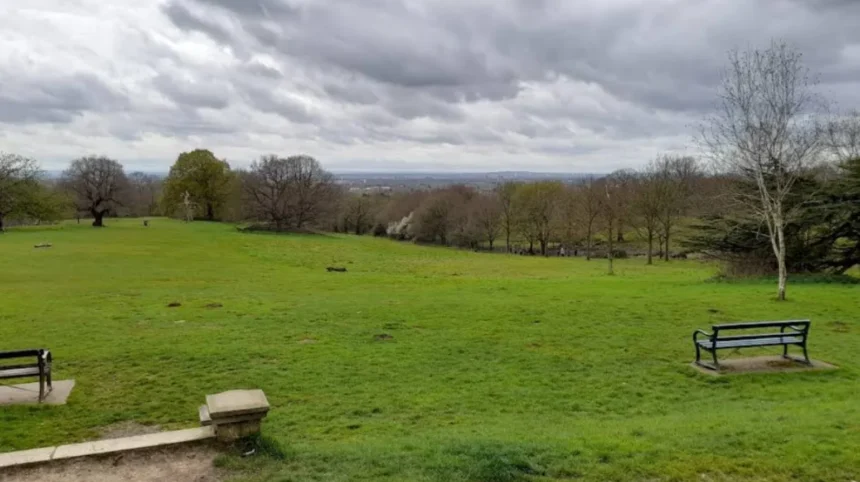
Havering, an outer London borough in east London, offers 97 hectares of green space at Hornchurch Country Park, 215 acres at Bedfords Park, and royal heritage dating to Saxon times, making it ideal for a relaxing day out with nature walks, wildlife viewing, historic sites, and peaceful countryside escapes.
- What Makes Havering the Best Borough for a Relaxing Day Out in East London?
- Which Green Spaces Offer the Most Peaceful Walks and Wildlife in Havering?
- How Large Is Hornchurch Country Park and What Wildlife Can You See There?
- What Makes Bedfords Park Nature Discovery Centre Unique for Nature Lovers?
- What Rare Animals Live in Dagnam Park Manor Nature Reserve?
- What Historic Sites and Royal Heritage Can You Explore in Havering?
- Where Was Havering’s Royal Palace Located and Which Monarchs Used It?
- What Is the History of Pyrgo Park and Henry VIII’s Connection?
- How Did Humphry Repton Design Dagnam Park’s Landscape?
- Where Can Digital Nomads and Business Travellers Find Work-Friendly Cafes in Havering?
- What Family-Friendly Activities and Play Areas Exist in Havering’s Parks?
- How Do You Get to Havering’s Top Attractions Using Public Transport?
- What Seasonal Events and Hidden Gems Make Havering Special Year-Round?
What Makes Havering the Best Borough for a Relaxing Day Out in East London?
Havering delivers 570+ acres of protected green space, 9 train stations in Zone 6, royal palace history from 617 AD, and 261 hectares of connected Ingrebourne Valley habitats, offering tourists and residents peaceful nature access within 25 miles of Central London.
Havering is the London Borough of Havering, an outer London borough in east London covering 43 square kilometres. The borough contains 102.33 hectares of Hornchurch Country Park, 215 acres of Bedfords Park, 345 acres of Dagnam Park, and Raphael Park at 17.8 hectares. These spaces form part of the 261-hectare Ingrebourne Valley, which includes river, marsh, grassland, reed bed, ancient woodland, and hedgerow habitats.
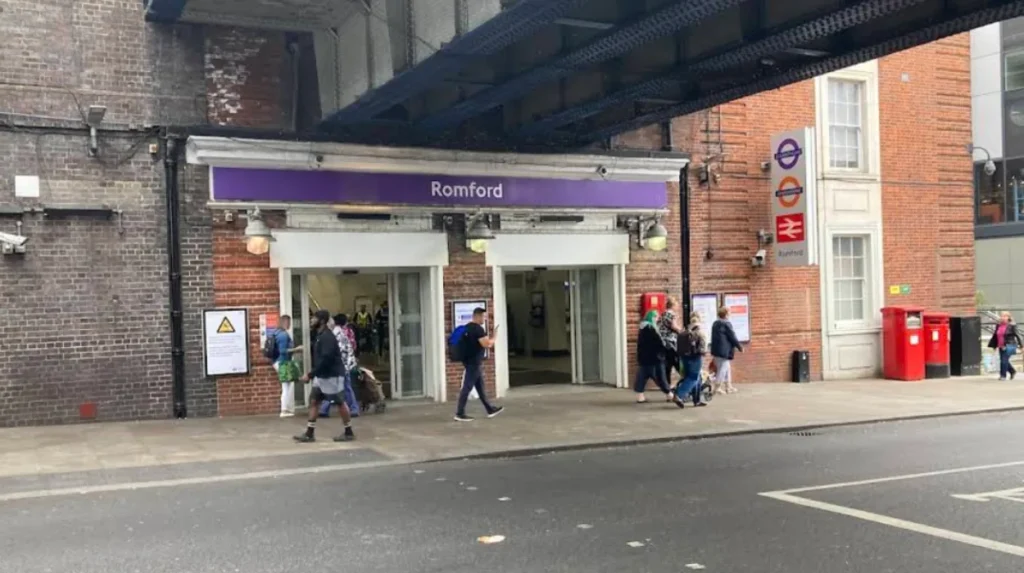
The borough has 9 railway stations all in London fare zone 6: Romford, Gidea Park, Harold Wood (Elizabeth line), Hornchurch, Upminster, Upminster Bridge, Elm Park (District line), Rainham (c2c), and Emerson Park (London Overground). Romford station serves Elizabeth line stopping services and Greater Anglia non-stop services to Liverpool Street, providing 30-minute connections to Central London.
Havering’s heritage includes the Royal Palace at Havering-atte-Bower, built by Sigeberht the Little (king of Essex 617-653), used by monarchs from Edward the Confessor (1042-66) through Charles I in 1631, and held by Catherine of Aragon, Anne Boleyn, and Jane Seymour under Henry VIII. Pyrgo Palace, built before 1540, served as Henry VIII’s royal residence from 1541.
Which Green Spaces Offer the Most Peaceful Walks and Wildlife in Havering?
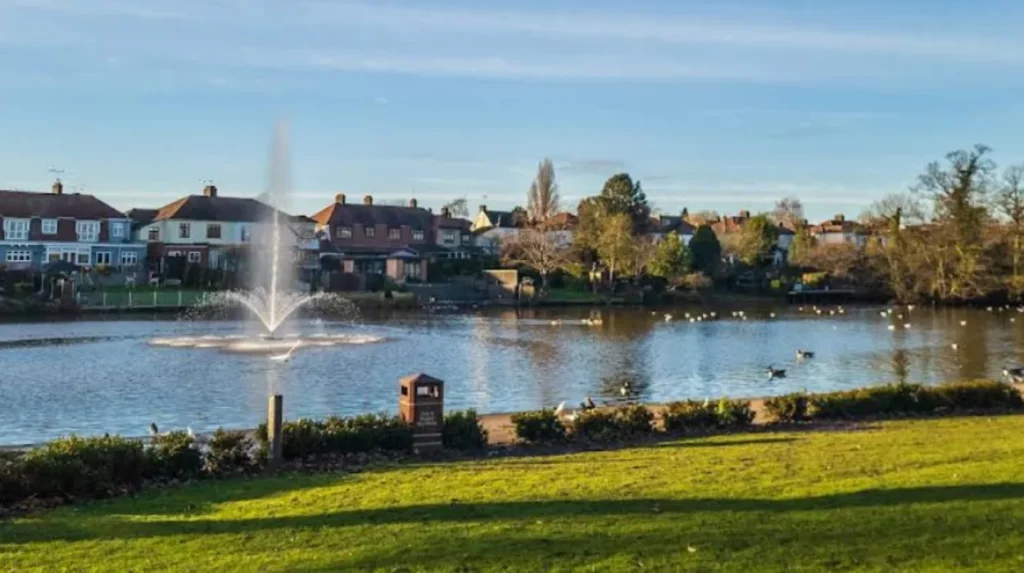
Hornchurch Country Park provides 97 hectares with 4km surfaced pathways, two ponds, a lake, woodland, and grassland habitats; Bedfords Park offers 215 acres with Essex Wildlife Trust’s Nature Discovery Centre; Dagnam Park delivers 345 acres with fallow deer and great crested newts.
How Large Is Hornchurch Country Park and What Wildlife Can You See There?
Hornchurch Country Park spans 97 hectares (240 acres) with grassland as the major habitat, planted woodland, two small ponds, a larger lake, and a 4km surfaced pathway, hosting great crested grebe, tufted duck, and mute swan.
The park sits in the Ingrebourne Valley next to Ingrebourne Valley Nature Reserve with its visitor centre and cafe. Created from a landfill site in 1980, the 257-acre site features informal pathways for exploration beyond the main 4km route. Grassland dominates the wildlife habitat alongside planted woodland.
Breeding birds include great crested grebe and tufted duck, with mute swan occurring occasionally. The lake attracts large numbers of water birds. The park serves walking, running, cycling, dog walking, play, and family visits, highly valued by the local community.
What Makes Bedfords Park Nature Discovery Centre Unique for Nature Lovers?
Bedfords Park covers 215 acres of historic parkland owned by Havering Council, featuring the Essex Wildlife Trust Nature Discovery Centre with refreshments, car park access off Broxhill Road, and footpaths from Lower Bedfords Road.
The Nature Discovery Centre sits at the end of the main driveway off Broxhill Road, offering visitors a base with refreshments. Two footpaths enter the site off Lower Bedfords Road for alternative access. The Essex Wildlife Trust manages the nature reserve within the historic parkland grounds.
The park provides walk, explore, and discover opportunities with Essex Wildlife Trust for nature education and wildlife viewing. This represents Havering’s most local park for frequent community visits with structured nature discovery programming.
What Rare Animals Live in Dagnam Park Manor Nature Reserve?
Dagnam Park is a 345-acre nature reserve with mature woodland, large open fields, established ponds, one of East London’s most important sites for great crested newt, and an ever-increasing herd of wild fallow deer.
The central area has been parkland for hundreds of years until 1946 when it remained in private hands. The park preserves original 18th-century boundaries with many original landscape features intact. Footprints for Dagnam Manor House, a three-story Georgian mansion destroyed during WWII, remain visible.
The park features an ancient moat, ongoing archaeological digs to uncover the demolished manor house and estate, and Hatters Wood as Havering’s largest woodland. The Lily Pond once served as the ornamental pond for Dagnams Manor House to the northwest. Ancient meadows exist to the east of the car park area.
The park is home to large numbers of interesting animals and plants, representing one of the most important East London sites for great crested newt conservation. Wild fallow deer herds continue increasing within the reserve.
What Historic Sites and Royal Heritage Can You Explore in Havering?
Havering-atte-Bower contains the Royal Palace site from 617 AD used by English monarchs until 1638, Pyrgo Park with Henry VIII’s palace from 1541, and Dagnam Park with Humphry Repton’s 18th-century landscape design and Georgian manor footprints.
Where Was Havering’s Royal Palace Located and Which Monarchs Used It?
The Royal Palace at Havering-atte-Bower was built by Sigeberht the Little (king of Essex 617-653), used by Edward the Confessor (1042-66), William the Conqueror (1066-87), and all English monarchs until Charles I in 1631, falling into disrepair.
The palace stood on what is now the Village Green with St John the Evangelist Church on the left. The first palace was a large barn-like wooden structure from Saxon times. Edward the Confessor built the second palace, giving the Manor of Havering to Harold Godwinson, who became King Harold after Edward’s death.
After Harold’s death at the Battle of Hastings in 1066, William the Conqueror took over the Manor and Palace. The palace continued serving all English kings and queens until Charles I in 1631 when disrepair set in. Under Henry VIII, the palace belonged successively to Catherine of Aragon, Anne Boleyn, and Jane Seymour.
The palace later served as a nursery palace for Prince Edward. In 1543, Henry VIII stayed at the nearby Pyrgo estate. No physical remains exist today, but a ground plan was drawn in a 1578 survey. A detailed model of the Royal Palace as it appeared during Elizabeth I’s reign in 1578 displays at Havering Museum.
What Is the History of Pyrgo Park and Henry VIII’s Connection?
Pyrgo Park sits on the site of Pirgo Palace built before 1540 and demolished by 1814, serving as Henry VIII’s royal residence from 1541, with Sir Brian Tuke constructing 200 acres of open land plus 100 acres of woods in 1537.
Pirgo, spelled Portegore by Henry VIII’s officials, belonged to the liberty of Havering-atte-Bower near Havering Palace. In 1537, the King’s Steward Sir Brian Tuke constructed a park with 200 acres (81 ha) of open land and 100 acres (40 ha) of woods northeast of Havering village. Henry VIII made Pirgo his personal property in 1541.
King Edward the Confessor (1003-1066) reportedly experienced nightingales disturbing his devotions at this location. Pyrgo House was built in 1841 and later demolished. A new house constructed in 1852 lasted less than a century before demolition by 1941.
Pyrgo Park now offers countryside escape with breathing fresh air experiences for visitors seeking peaceful rural atmosphere within London boundaries. The site maintains its historical significance as Henry VIII’s personal royal residence.
As you explore the modern site, you are crossing land with a deep heritage. Read about the full [Royal Palace at Havering-atte-Bower History] to understand its origins.
How Did Humphry Repton Design Dagnam Park’s Landscape?
Dagnam Park was designed by landscape architect Humphry Repton in 1812, featuring original 18th-century boundaries, landscaped features, specimen trees, ponds, and a curving track following the 18th-century drive.
Sir Richard Neave purchased the estate in 1772 and built a Georgian mansion. In 1812, Neave commissioned Humphry Repton to advise on improvements, documented in his ‘Fragments’ (1816) regarding water improvements. The walled garden converted into a rose garden in the late 19th century.
Dagnam House was demolished in 1948, with Cockerels house (Dagnam Park Farm in the 19th century) also demolished. The house met destruction during WWII as a three-story Georgian mansion. London County Council built the Harold Hill Estate on part of the grounds in the 1940s.
The public park preserves 18th-century boundaries with surviving original landscape features, specimen trees, and ponds. A curving track crossing the park follows the line of the original 18th-century drive. The park now operates as a public recreation area with unrestricted opening.
Where Can Digital Nomads and Business Travellers Find Work-Friendly Cafes in Havering?
Romford town centre within Raphael Park’s walking distance offers multiple cafes with WiFi access, Elizabeth line stations providing 30-minute Central London connectivity, and Havering’s Hidden Gems campaign highlighting unique local spaces.
Raphael Park serves as Romford’s town centre park at 17.8 hectares, located within walking distance of Romford town centre with Elizabeth line station access. The park provides valuable community nature access for digital nomads seeking outdoor work breaks between cafe sessions.
Havering’s Hidden Gems campaign highlights everything making the borough special and unique, from parks and open spaces to wildlife areas, identifying local resources for residents and visitors seeking distinctive activities. This campaign surfaces hidden local hubs suitable for work-friendly visits.
Elizabeth line services from Romford and Gidea Park stations provide non-stop Greater Anglia services to Liverpool Street, enabling business travellers to maximize downtime with quick Central London connections. All Havering stations sit in fare zone 6 for consistent Oyster/contactless pricing.
Waterfront cafes near Raphael Park’s lake and bandstand offer outdoor seating options for laptop work during off-peak hours, with the Romford Summer Theatre utilizing the rockery near the lake’s end for cultural programming.
What Family-Friendly Activities and Play Areas Exist in Havering’s Parks?
Raphael Park features a children’s play area remodelled in 2009, sunken tennis courts, cricket and football pitches, bandstand, and rockery; Hornchurch Country Park includes play areas alongside walking trails and wildlife viewing.
Raphael Park’s children’s play area underwent remodelling in 2009, replacing the circular play area and tennis courts previously filled with water known as the “Spoon Pond”. The park contains two ancient Pedunculate Oaks recorded by the Woodland Trust.
A statue of Percy the Park Keeper, created by author and illustrator Nick Butterworth, stands in Raphael Park, with the inspiration reportedly coming from a real-life park keeper at this location. Percy the Park Keeper serves as children’s character promoting park conservation awareness.
The southern park section contains a bandstand, with the rockery near the lake end used by Romford Summer Theatre for performances. Sports pitches operate for football in winter and cricket in summer, with sunken tennis courts reportedly sunk due to sand excavation for surrounding house construction.
Wooded islands within Raphael Park feature sycamore, oak, horse chestnut, and common lime trees, with two such islands present. The lake supports angling activities alongside water bird viewing.
How Do You Get to Havering’s Top Attractions Using Public Transport?
All 9 Havering stations sit in fare zone 6, with Romford station offering Elizabeth line 30-minute connections to Liverpool Street, Hornchurch on District line, and Elizabeth line stopping services at Gidea Park and Harold Wood.
Romford station serves Elizabeth line stopping services and Greater Anglia non-stop services originating at Liverpool Street’s central London terminal. The Great Eastern Main Line has stations at Romford, Gidea Park, and Harold Wood with Elizabeth line stopping services.
The District line serves Elm Park, Hornchurch, Upminster, and Upminster Bridge stations. London, Tilbury and Southend line with c2c services crosses Havering at Rainham and Upminster stations, with c2c’s central London terminal at Fenchurch Street.
The Romford to Upminster Line operated by London Overground remains entirely within Havering with intermediate Emerson Park station. Emerson Park trains depart twice hourly in each direction, with approximately five minutes to Upminster and four minutes to Romford.
A walk from Gidea Park Elizabeth Line station to Raphael Park covers approximately 1.9km in 45 minutes, featuring beautiful lake views, historic bandstands, and woodland walking. All stations in Havering maintain zone 6 placement for consistent Oyster and contactless payment pricing.
What Seasonal Events and Hidden Gems Make Havering Special Year-Round?
Havering’s Hidden Gems campaign celebrates the borough’s parks, open spaces, and wildlife as unique features, with summer celebrations highlighting everything making Havering special and unique for residents and tourists.
The council launched a summer campaign celebrating “hidden gems” to highlight everything making Havering special and unique, focusing on parks, open spaces, and wildlife throughout the borough. This initiative surfaces distinctive local attractions beyond major tourist sites.
Hornchurch Country Park features in the Havering Hidden Gems YouTube series, showcasing the park’s walking trails, ponds, nature reserves, and wildlife opportunities. The campaign provides video content documenting these hidden local treasures.
Bedfords Park serves as Havering’s most frequently visited local park for residents, with regular community use for walking, nature discovery, and family visits. The Essex Wildlife Trust Nature Discovery Centre provides structured nature education programming throughout the year.
Dagnam Park’s ongoing archaeological digs uncover the old demolished manor house and estate, offering visitors opportunity to see active historical research and discovery within the 345-acre reserve. The ancient moat remains visible alongside the manor house footprints.
Raphael Park underwent recent restoration with official reopening in 2014 following conservation work. The park represents Havering’s first public park, opened in 1904 by Sir Herbert Raphael MP who donated it to Romford Urban District.
The park’s western fringe manages as a nature area with infrequent cutting, allowing bramble, hogweed, and cow parsley to colonize the western grassland. Dead wood remains standing as official policy, supporting biodiversity and habitat development.
Havering’s countryside service provides free route choices between 3-10 miles (5-16km) through Tylers Common and Warley Areas, offering structured walking routes for those seeking longer countryside excursions. The Havering Countryside Service operates from Mercury House, Mercury Gardens, Romford, Essex RM1 3SL.
What is Havering famous for?
Havering is famous for its extensive green spaces, royal heritage, historic landmarks, and countryside character. Key attractions include Upminster Windmill, Rainham Hall, Hornchurch Country Park, Bedfords Park, and the historic village of Havering-atte-Bower.