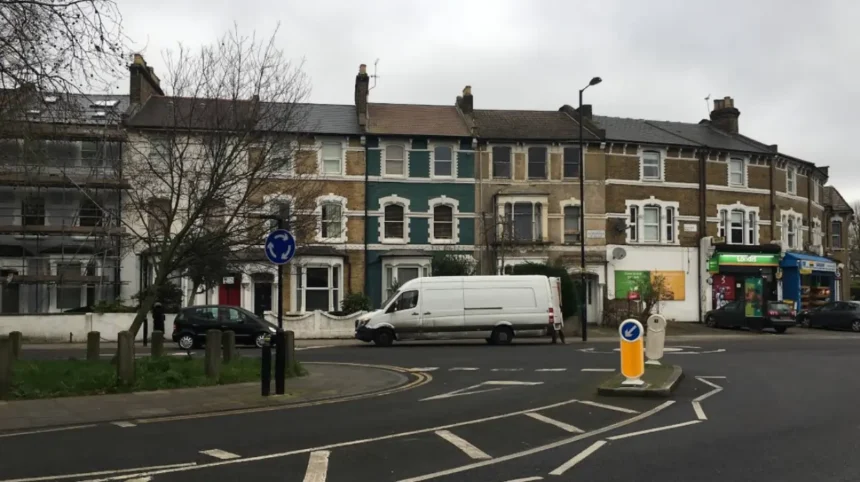
Stoke Newington stands out because it combines village-style streets, a long historical identity, strong community life, and a dense mix of independent shops, parks, and housing styles. It is one of London’s most discussed neighbourhoods because it feels local, walkable, and culturally distinct while staying closely connected to the rest of the city.
What is Stoke Newington?
Stoke Newington is a neighbourhood in north-east London, in the London Borough of Hackney, known for its residential streets, Church Street, green spaces, and strong local identity. The area is often shortened to “Stokey” in everyday use, and it is widely described as having a village feel inside a large capital city. That combination makes it easy to define and easy to remember, which helps explain why it appears often in local coverage, lifestyle writing, and neighbourhood guides.
The area is not defined by one single landmark. It is shaped by a wider pattern of streets, community spaces, parks, schools, cafes, and transport links. For readers in East London, Stoke Newington is best understood as a highly localised urban area with a strong sense of place.
Why is it historically important?
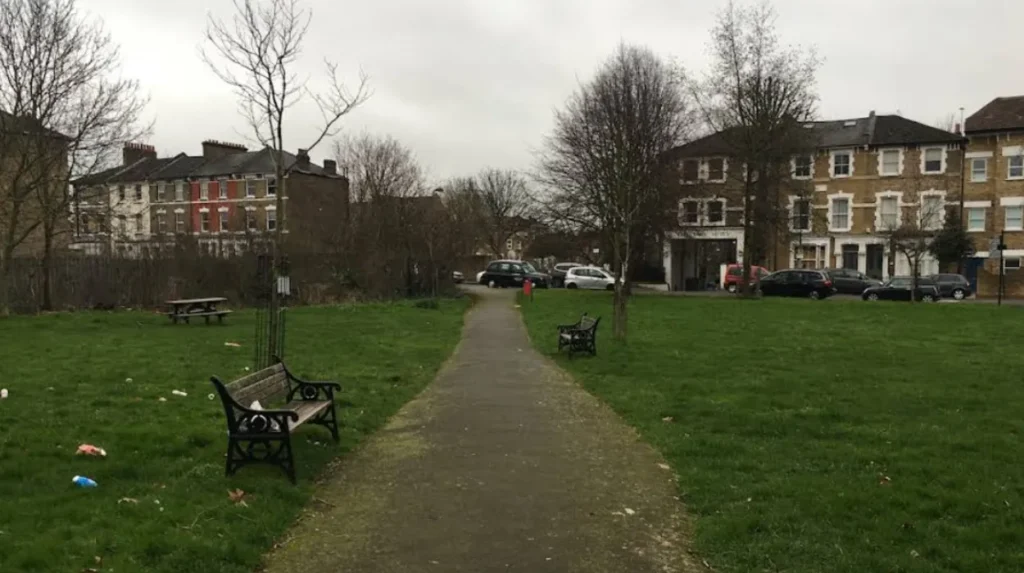
Stoke Newington has deep historical roots and a long record of change from rural settlement to urban neighbourhood. Its name is linked to Anglo-Saxon origins, with “Stoc” associated with a farm or barn settlement, and “Newington” used to distinguish it from other places with similar names. This gives the area a history that predates modern London expansion by many centuries.
Its development accelerated during the 18th and 19th centuries as London grew outward. The arrival of rail transport in the 19th century supported further residential and commercial change, connecting the area more closely to the rest of the city. Victorian development left a visible mark on the built environment, especially in terraces and commercial buildings that still shape the streetscape today.
What gives it a village feel?
Stoke Newington is talked about so often because it retains a compact, neighbourhood-centred character that is rare in inner London. Church Street acts as a clear local spine, with independent retailers, food businesses, and social venues creating a high street that feels distinct rather than generic. That local concentration matters because it gives residents a daily environment that feels self-contained.
The area is also characterised by a strong community atmosphere. Public life is visible in its parks, local businesses, and shared neighbourhood use of streets and spaces. This creates an identity that is social rather than purely residential, which is one reason the area attracts families, creatives, and long-term locals.
Which green spaces matter most?
Stoke Newington is notable for its unusually strong access to green space in an urban setting. Clissold Park is the best-known example, with lawns, ponds, deer, and family-oriented recreational space. It serves as a major local anchor and is repeatedly identified as one of the area’s defining assets.
Abney Park is another major landmark, and it carries both heritage and ecological significance. It is known as one of London’s “Magnificent Seven” cemeteries and also functions as a landscape of trees, habitats, and historic memorials. The East and West Reservoirs add another layer, offering walking, wildlife, sailing, kayaking, and swimming-related activities. Together, these spaces make Stoke Newington one of the greenest-feeling parts of inner north-east London.
What housing defines the area?
The housing stock in Stoke Newington is a major part of its identity. Victorian terraced houses dominate much of the area, especially on tree-lined residential streets. Georgian and Edwardian buildings also appear across the neighbourhood, giving the area a layered architectural character rather than a single design style.
More recent development has added smaller modern blocks and converted buildings. Former schools, workplaces, and places of worship have also been adapted for residential use. This mixture creates a housing market with clear contrast: older period homes, conversions, and compact modern schemes all sit within walking distance of each other.
Explore More Help & Resources
Rush Green London 2026: Ultimate Guide to Life in This Suburban District
Safest Areas in East London 2026 Ranked by Crime Figures
Why do families and creatives move there?
Stoke Newington attracts people who want local character, independent services, and access to open space. The area’s schools, parks, and walkable streets appeal to families. Its creative and bohemian reputation also draws artists, freelancers, and younger professionals who value distinctive neighbourhood culture.
The area’s cultural identity is also shaped by diversity. Over time, different communities have contributed to the local social and commercial life, including West Indian, Greek Cypriot, Turkish, and Hasidic Jewish communities. That demographic layering contributes to food, retail, worship, and cultural variety in the area. For a broad audience, that diversity explains why Stoke Newington is discussed as both local and cosmopolitan.
How strong are the transport links?
Stoke Newington’s popularity is supported by solid transport connections to the rest of London. Good links make it practical for commuters, students, and workers who need access to central and wider north-east London. Transport access is one of the main reasons the area remains attractive even as demand for inner London neighbourhoods stays high.
The transport picture matters because it preserves the area’s “near-central but still local” appeal. Residents can live in a neighbourhood with a distinctive identity while still reaching other parts of the city without losing convenience. That balance is central to the area’s ongoing appeal and visibility.
Why is it still relevant now?
Stoke Newington remains relevant because it reflects several major London trends at once: localism, heritage reuse, green urban living, and independent retail culture. It is the kind of neighbourhood that appears in conversations about liveability because it offers a compact mix of housing, parks, food, and community life.
It is also relevant because it keeps evolving without losing its core identity. New development, changing demographics, and continued pressure on inner London housing all shape the area’s future. At the same time, its parks, heritage streets, and high street remain the features that keep it recognisable and widely discussed.
What makes it stand out?
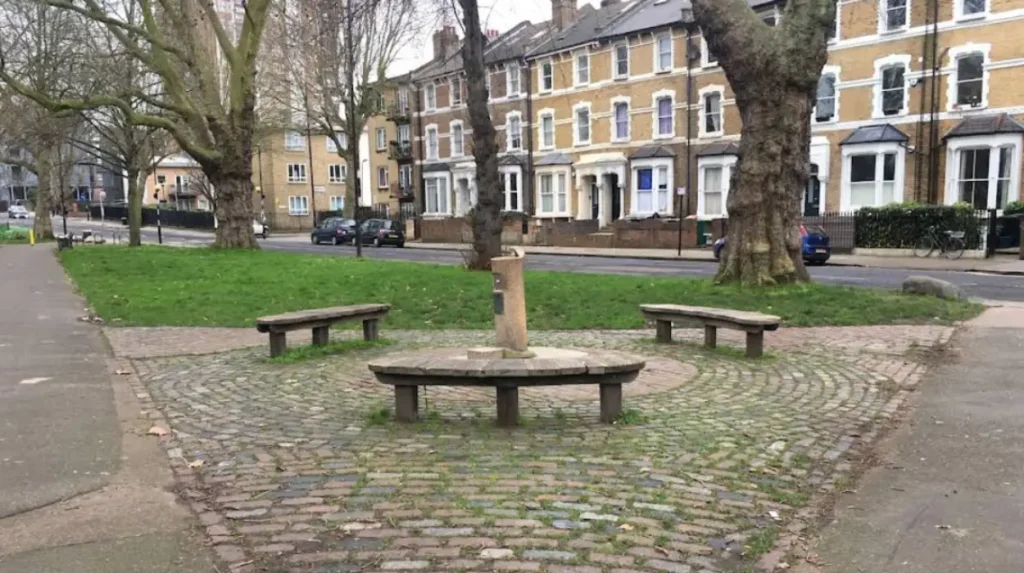
Stoke Newington stands out because it combines history, greenery, housing variety, and a strong independent culture in one compact area. Few London neighbourhoods keep such a clear village-style identity while also functioning as a modern inner-city district. That tension between old and new is the main reason it stays in public conversation.
For East London audiences, the area represents a familiar pattern: a neighbourhood where heritage, housing, lifestyle, and local commerce all matter at once. That combination gives Stoke Newington lasting search interest, local relevance, and broad appeal.
What is Stoke Newington?
Stoke Newington is a neighbourhood in the London Borough of Hackney in north-east London. Often called “Stokey,” it is known for its village-like atmosphere, independent shops, green spaces, historic architecture, and strong community identity.