Havering, one of London’s greenest boroughs, offers tourists and leisure travellers outstanding access to nature reserves, country parks, walking trails, and countryside attractions right on the capital’s eastern edge.
- What are the best nature reserves and parks to visit in Havering?
- Where can visitors find the best walking and cycling trails in Havering?
- What wildlife can tourists expect to see in Havering’s nature reserves?
- How accessible are Havering’s parks and reserves for families and disabled visitors?
- What historical and cultural features enhance Havering’s outdoor spaces?
- What seasonal highlights should visitors plan for in Havering?
- How can visitors reach Havering’s nature reserves and parks using public transport?
- What facilities and activities complement nature visits in Havering?
- What conservation designations protect Havering’s green spaces?
- How does Havering’s green space network compare within Greater London?
What are the best nature reserves and parks to visit in Havering?
Havering’s top outdoor destinations include Rainham Marshes, Ingrebourne Valley, Hornchurch Country Park, Bedfords Park, Raphael Park, and The Manor Nature Reserve.
Visitors to Havering encounter a diverse network of protected green spaces stretching across more than 100 designated sites, including 16 Green Flag Award parks that meet national standards for quality and management. The borough’s nature reserves and country parks range from 17-hectare urban parks like Raphael Park in Romford to 266-hectare wetland complexes such as Ingrebourne Valley, which holds national importance for wildlife conservation.
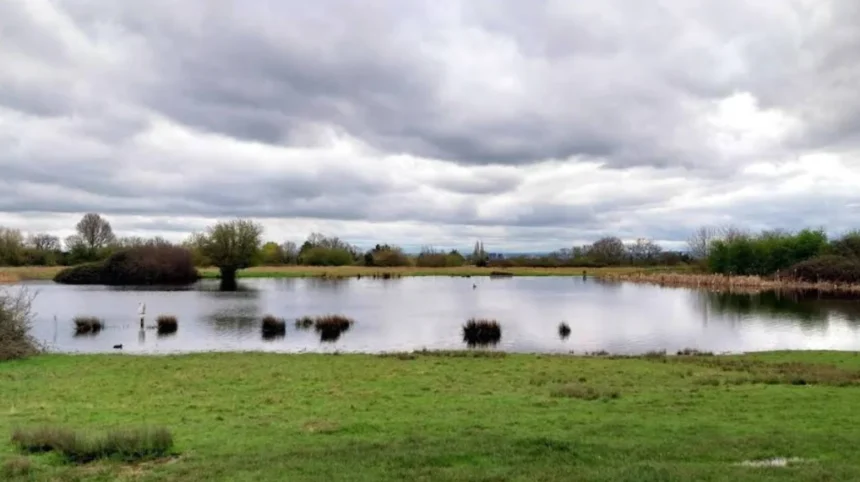
Rainham Marshes, managed by the RSPB, covers 79 hectares of Thames Estuary grazing marsh and supports one of the densest water vole populations in the UK, alongside 1,000 wigeon and up to 3,500 teal in winter. Ingrebourne Valley Local Nature Reserve extends 266 hectares across wet grasslands, reedbeds, lakes, and boggy willow woodland, supporting breeding redshank, lapwing, hobby, and London’s only recent bearded tit records.
Hornchurch Country Park occupies 97 hectares on the former RAF Hornchurch airfield site, featuring surfaced trails, a Nature Discovery Centre, and historic heritage interpretation. Bedfords Park spans 215 acres (87 hectares) between Collier Row and Harold Hill, with mature woodland, wildflower meadows, ponds, and a captive red deer herd visible from the Essex Wildlife Trust visitor centre.
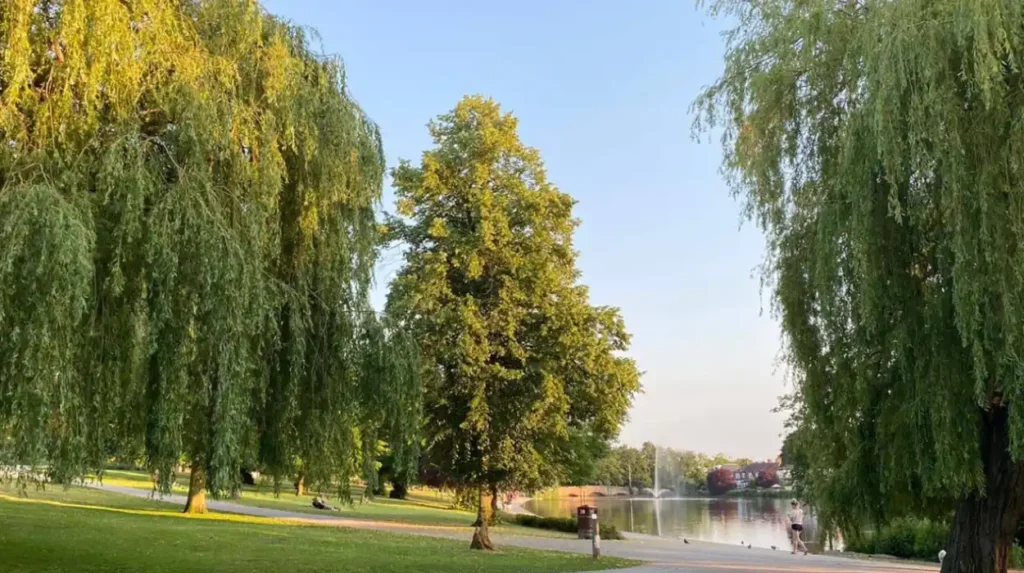
The Manor Nature Reserve in Harold Hill provides 68 hectares of ancient coppiced woodland, wildflower meadows, and veteran trees, designated as a Site of Metropolitan Importance for Nature Conservation. Raphael Park, Havering’s first public park opened in 1904, covers 17.1 hectares in Romford town centre with a lake supporting great crested grebe and tufted duck breeding populations.
Where can visitors find the best walking and cycling trails in Havering?
Havering offers over 20 kilometres of surfaced and accessible trails, including the 4km Ingrebourne Valley Greenway, Thames Path connections, and circular routes through Bedfords Park and Hornchurch Country Park.
The Ingrebourne Valley Greenway provides a 4-kilometre hardened pathway suitable for bicycles, pushchairs, and wheelchairs, running from Hornchurch Stadium north of Hacton Lane to Albyns Farm within Hornchurch Country Park. This route forms part of a wider network of informal pathways throughout the 147-hectare reserve, allowing visitors to access wetland boardwalks, grassland tracks, and woodland trails.
AllTrails documents 20 distinct walking routes across Havering, ranging from easy family-friendly circuits to more challenging hikes through the borough’s wooded valleys and heathland. Bedfords Park features multiple interconnected loops through its upper landscaped parkland and lower wildlife-managed meadows, with signposted trails leading to the visitor centre, deer enclosure, and panoramic viewpoints across east London and Kent.
Hornchurch Country Park maintains approximately 4 miles of surfaced paths suitable for wheelchairs and buggies, connecting the main entrance on Squadrons Approach to the Nature Discovery Centre, play areas, and historic RAF heritage interpretation points. The park’s former airfield runways now serve as wide, traffic-free routes popular with cyclists, runners, and dog walkers.
Rainham Marshes provides accessible nature trails through its 79 hectares of grazing marsh, with pushchair-friendly routes circling the scrapes and wetland habitats. The reserve connects to the wider Thames Path network, enabling longer-distance walking from Purfleet station through to the Thames Estuary.
What wildlife can tourists expect to see in Havering’s nature reserves?
Havering’s reserves support over 200 bird species, water voles, deer, great crested newts, and nationally rare insects including the scarce emerald damselfly.
Rainham Marshes holds national importance for wintering wildfowl, regularly recording 1,000 wigeon and 3,500 teal, alongside breeding reed bunting, little grebe, meadow pipit, and skylark. The reserve’s Thames Estuary location attracts large flocks of dunlin, black-tailed godwit, curlew, grey plover, and turnstone during migration periods. In December 2005, a rare sociable lapwing visit drew over 1,700 visitors to the reserve.
Ingrebourne Valley’s exceptional wetland habitats support breeding redshank, lapwing, hobby, water rail, kingfisher, common snipe, reed bunting, cuckoo, and long-eared owl. The reedbeds host London’s only recent bearded tit breeding records and irregular Cetti’s warbler and marsh warbler occurrences. Berwick Ponds within the reserve attract large numbers of teal and tufted duck in winter, while four bat species forage over the water.
The Manor Nature Reserve protects one of Havering’s strongest great crested newt populations at Cockerell’s moated site, a scheduled ancient monument in Dagnam Park. Ancient woodland areas including Hatters Wood, Fir Wood, and Duck Wood support breeding skylark, yellowhammer, and hawfinch, alongside wild service tree, small-leaved lime, bluebell, and common spotted-orchid.
Bedfords Park’s woodlands characterise abundant bluebell populations and uncommon plants including great horsetail and hairy wood-rush. Bower Wood on the site supports opposite-leaved golden-saxifrage, yellow archangel, and the regionally scarce thin-spiked wood-sedge. The park’s grasslands support betony, devil’s-bit scabious, sharp-flowered rush, pepper-saxiforge, and sneezewort, with breeding birds including hobby, jackdaw, lesser spotted woodpecker, and nuthatch.
All three British woodpecker species breed in Raphael Park, alongside spotted flycatcher, goldcrest, great crested grebe, and tufted duck on the lake. The park’s two wooded islands support sycamore, oak, horse chestnut, and common lime, with dead wood left standing as policy to benefit invertebrates.
How accessible are Havering’s parks and reserves for families and disabled visitors?
Sixteen of Havering’s parks hold Green Flag status, with surfaced trails, accessible toilets, visitor centres, and dedicated family facilities across major sites.
Havering Council manages 24 top parks and open spaces, with 16 achieving Green Flag Award recognition as the national benchmark for quality, safety, and accessibility. The borough’s parks team works with community groups to maintain welcoming, inclusive environments for all visitors.
Ingrebourne Valley Greenway’s 4-kilometre hardened pathway explicitly accommodates bicycles, pushchairs, and wheelchairs, with additional informal routes throughout the reserve. Hornchurch Country Park’s 4 miles of surfaced paths meet accessibility standards, with the Nature Discovery Centre providing disabled facilities and interpretation suitable for all ages.
Rainham Marshes offers pushchair-friendly trails, picnic areas, and a car park, with free entry for Havering residents and RSPB members. The reserve opens 9:30am to 4:30pm from November to March and 9:30am to 5pm from April to October, closing only on Christmas Day and Boxing Day.
Bedfords Park’s visitor centre, operated by Essex Wildlife Trust, provides facilities for disabled visitors, with daily opening from 9am to 5pm (closed Christmas Day and Boxing Day). The upper parkland section features accessible paths to viewpoints, while the lower wildlife areas maintain more natural surface conditions.
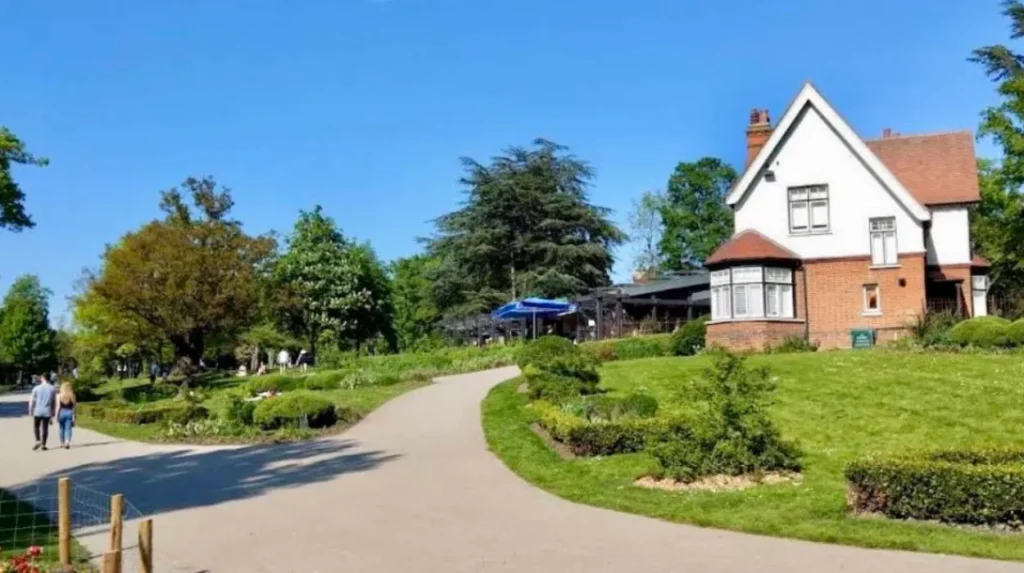
Raphael Park includes accessible cycle paths, a café, toilets, children’s play area, and tennis courts, with recent Heritage Lottery-funded restoration enhancing community and education facilities. The park’s lake supports angling, and the bandstand hosts regular community events throughout the year.
What historical and cultural features enhance Havering’s outdoor spaces?
Havering’s parks preserve heritage from Saxon royal manors, Victorian landscape design, WWII airfields, and scheduled ancient monuments, with interpretation centres and guided walks available.
Hornchurch Country Park occupies the site of RAF Hornchurch, a World War II airfield, with heritage interpretation panels explaining the site’s military history and transformation into a 97-hectare country park in the early 1980s. The Nature Discovery Centre provides educational resources connecting the area’s ecological and historical narratives.
Bedfords Park’s history extends to 1461, when London merchant Thomas Cooke secured a royal licence to “empark” the Gidea Hall estate. The 215-acre park was purchased by Romford Council in 1933 and likely named after John Bedford, a local landowner recorded in 1362 during the Peasants’ Revolt era. Lawyer John Heaton erected a mansion in 1771, demolished in 1959 after vandalism, though the walled garden was rescued by the Friends of Bedfords Park.
The Manor Nature Reserve contains Cockerell’s moated site, a scheduled ancient monument representing Dagnam Park Farm’s medieval origins, now a breeding pond for great crested newts. Dagnam Park itself was formally laid out by Victorian landscape architect Humphrey Repton, preserving 18th-century boundaries with original copses, ponds, and specimen trees.
Raphael Park formed part of the Gidea Hall Estate dating to Saxon times, when it served the royal manor and ancient Saxon palace at Havering. Sir Herbert Raphael MP gave the park to Romford Urban District in 1904, establishing Havering’s first public park. The 2014 Heritage Lottery-funded restoration preserved historic structures including the 18th-century Black’s Bridge and bandstand, while adding community and education facilities.
As you explore the modern site, you are crossing land with a deep heritage. Read about the full History of Havering’s Parks and Green Spaces to understand its origins.
What seasonal highlights should visitors plan for in Havering?
Spring and summer offer peak wildflower displays, breeding birds, and dragonflies, while autumn and winter provide migrating birds, large wildfowl flocks, and atmospheric woodland walks.
Rainham Marshes presents distinct seasonal experiences: spring fills the air with birdsong as birds establish territories and attract mates, summer reveals young birds and breeding activity, autumn brings migrating species passing through the reserve, and winter concentrates large flocks of wildfowl and waders forming dusk roosts. Highlights include large migrating bird movements in autumn and substantial wildfowl and wader gatherings in winter.
Ingrebourne Valley’s optimal visiting periods include May–June for breeding birds, July–August for dragonflies and butterflies, and migration periods in spring and autumn when unusual birds shelter in the marshes or plantations. The reedbeds and wet grasslands support exceptional insect diversity through summer, with banded demoiselles visible along the River Ingrebourne.
Bedfords Park’s meadows flower from spring through summer, with cuckoo flower, pignut, and ragged robin in spring, followed by knapweed, sneezewort, and pepper-saxiforge in late summer. Winter brings impressive roosts of rooks, crows, and jackdaws gathering in the park’s mature trees. The visitor centre’s panoramic views across east London and Kent remain clear on crisp winter days.
The Manor’s wildflower meadows display maximum colour from May through July, with common spotted-orchid, bluebell, and square-stemmed St John’s wort. Ancient woodland areas offer bluebell carpets in late April and early May, with fungal displays and autumn colour from veteran trees through October and November.
How can visitors reach Havering’s nature reserves and parks using public transport?
Major reserves connect to London Overground, Elizabeth line, and District line stations, with frequent bus services and clear walking routes from stations to main entrances.
Rainham Marshes lies 300 metres from New Tank Hill Road, accessible from Purfleet station on the Fenchurch Street line. Visitors turn right outside the station, follow the road to The Royal pub, then head down to the Thames and join the Riverside Path to the reserve entrance.
Hornchurch Country Park’s main entrance on Squadrons Approach off Suttons Lane is approximately 1 kilometre walking distance from Hornchurch station (District line). Frequent bus services connect to both entrance roads from Rainham, Hornchurch, and Romford. The sat-nav postcode RM12 6TS guides drivers to the main car park.
Bedfords Park’s main entrance off Broxhill Road runs north from Harold Hill to Havering-atte-Bower village, with sat-nav postcode RM4 1QH. Frequent bus services from Romford station (Liverpool Street line) reach the lower park entrance on Lower Bedfords Road. Pedestrian access remains open at all times, though vehicle entrance closes 30 minutes before sunset.
Raphael Park’s southern entrance on Main Road (formerly Hare Street) and northern entrance south of the A12 Eastern Avenue place it within walking distance of Romford and Gidea Park stations. The park forms part of a series of green spaces stretching northward from the railway line between Romford and Gidea Park.
What facilities and activities complement nature visits in Havering?
Visitor centres, cafés, nature discovery facilities, play areas, fishing, sports pitches, and seasonal events enhance outdoor experiences across Havering’s parks.
Bedfords Park Nature Discovery Centre, located on the former mansion site, offers light refreshments, snacks, a gift shop, and outdoor decked seating with panoramic views. The centre hosts exhibitions, events, and discovery days run by Essex Wildlife Trust, with educational programmes for schools and families.
Hornchurch Country Park’s Nature Discovery Centre provides interpretation, educational resources, and a base for ranger-led activities connecting the site’s RAF heritage with its current wildlife value. Play areas within the park cater to different age groups, with surfaced trails linking all facilities.
Raphael Park features a café, restaurant, bandstand hosting regular events, children’s play area, sports pitches for football and cricket, sunken tennis courts, and angling on the lake. The 2014 restoration added a community and education resource within the adapted park lodge, plus a kiosk café serving the play area.
Rainham Marshes provides picnic areas, accessible toilets, and a car park, with ranger-led events and volunteer opportunities available through the RSPB. The reserve’s connection to the Thames Path enables longer-distance walking and cycling routes through the Estuary.
The Manor Nature Reserve’s ancient woodland and wildflower meadows offer quiet walking and wildlife observation, with the Friends of Bedfords Park and local conservation groups occasionally running guided walks and volunteer conservation days across Havering’s reserves.
Explore More Area Guide
Where to Eat, Explore, and Unwind During a Visit to Havering
UK Heatwave Weather Forecast 2026: Met Office Predicts 32°C for East London
What conservation designations protect Havering’s green spaces?
Havering’s reserves include Sites of Special Scientific Interest (SSSI), Local Nature Reserves (LNR), Sites of Metropolitan Importance for Nature Conservation (SINC), and Green Flag Award parks.
Rainham Marshes forms part of the Inner Thames Marshes SSSI, designated for its nationally important wetland habitats and bird populations. The RSPB acquired Aveley and Wennington Marshes in 2000, formerly Ministry of Defence firing ranges, and developed them into a premier nature reserve.
Ingrebourne Valley holds Metropolitan-grade SINC status covering 266.59 hectares, with free public access across most of the site. The Ingrebourne Marshes component contains nationally important reedbeds supporting the scarce emerald damselfly and exceptional breeding bird communities.
The Manor Nature Reserve’s designation as a Site of Metropolitan Importance for Nature Conservation recognises the conservation value of Hatters Wood, Fir Wood, Duck Wood, and Dagnam Park’s ancient woodland, wildflower meadows, and veteran trees. Nearby Duck Wood holds Borough Importance for Nature Conservation status.
Bedfords Park’s 106.35-hectare site holds Metropolitan-grade SINC designation, with woodland, hay meadows, ponds, and marsh habitats supporting diverse flora and fauna. The park has retained Green Flag Award status since 2007, reflecting consistent management quality.
Raphael Park’s 17.1-hectare site holds Local-grade SINC status, with its lake, meadow, and developing woodland habitats supporting breeding water birds and woodland species. The park’s history as part of the Gidea Hall Estate and its 1904 public opening make it a significant heritage asset.
How does Havering’s green space network compare within Greater London?
Havering ranks among London’s greenest boroughs, with over 100 designated open spaces, 16 Green Flag parks, and extensive countryside character unmatched in most Outer London boroughs.
GiGL (Greenspace Information for Greater London) data identifies Havering’s extensive network of Sites of Importance for Nature Conservation, priority habitats, and open spaces, making it a key reference for planning and environmental decision-making. The borough’s Thames Chase Community Forest connection provides additional wooded landscapes and walking routes beyond the administrative boundary.
Havering’s 24 top parks and open spaces represent the most valued outdoor sites in the borough, spanning small village greens, historic estate parks, and extensive country parks. The borough’s parks team and community volunteers maintain these spaces to high standards, with recognition in the London in Bloom horticultural campaign.
AllTrails documents 20 walking routes in Havering, including 9 easy family-friendly trails and 12 hiking routes suitable for varying ability levels. The borough’s combination of accessible trails, wildlife-rich reserves, and heritage interpretation positions it as a leading destination for nature-based tourism in Greater London.
Havering’s countryside feel, expansive green spaces, and proximity to central London make it an ideal day-trip or short-break destination for tourists seeking wildlife areas, walking routes, and outdoor leisure opportunities without leaving the capital region.
What are the best nature reserves to visit in Havering?
Rainham Marshes, Ingrebourne Valley, Hornchurch Country Park, Bedfords Park, Raphael Park, and The Manor Nature Reserve are among Havering’s best nature reserves and parks, offering wildlife, walking trails, wetlands, woodlands, and family-friendly outdoor activities.