Tower Hamlets is one of East London’s most varied visitor areas, combining major heritage sites, large parks, busy markets, and long riverside routes in one borough. It suits tourists, residents, remote workers, and business travellers because its attractions are close together, easy to combine in one day, and rich in history and public open space.
- What makes Tower Hamlets worth visiting?
- Which attractions should first-time visitors prioritise?
- Which parks offer the best outdoor time?
- Which markets define local culture?
- Which riverside walks are most rewarding?
- How can visitors plan one day well?
- Where do work-friendly breaks fit best?
- Why does Tower Hamlets matter historically?
- What should visitors remember before going?
What makes Tower Hamlets worth visiting?
Tower Hamlets combines London heritage, green space, markets, and waterfront scenery in a compact area. Visitors can see major landmarks, explore large parks, shop at historic markets, and walk along the Thames, canals, and other accessible routes in one trip.
The borough sits in East London and includes parts of the Docklands, the historic East End, and a long stretch of the River Thames. That gives it an unusual mix of old and new: medieval and Victorian landmarks, modern commercial districts, community markets, city farms, museums, and riverside public space.
For first-time visitors, the main advantage is density. A short stay covers Tower Bridge, the Tower of London area, Spitalfields, Whitechapel, Canary Wharf, Victoria Park, Mile End Park, and the Isle of Dogs riverside. That makes the borough suitable for half-day sightseeing, full-day walking itineraries, and mixed-purpose visits that combine leisure with work.
Which attractions should first-time visitors prioritise?
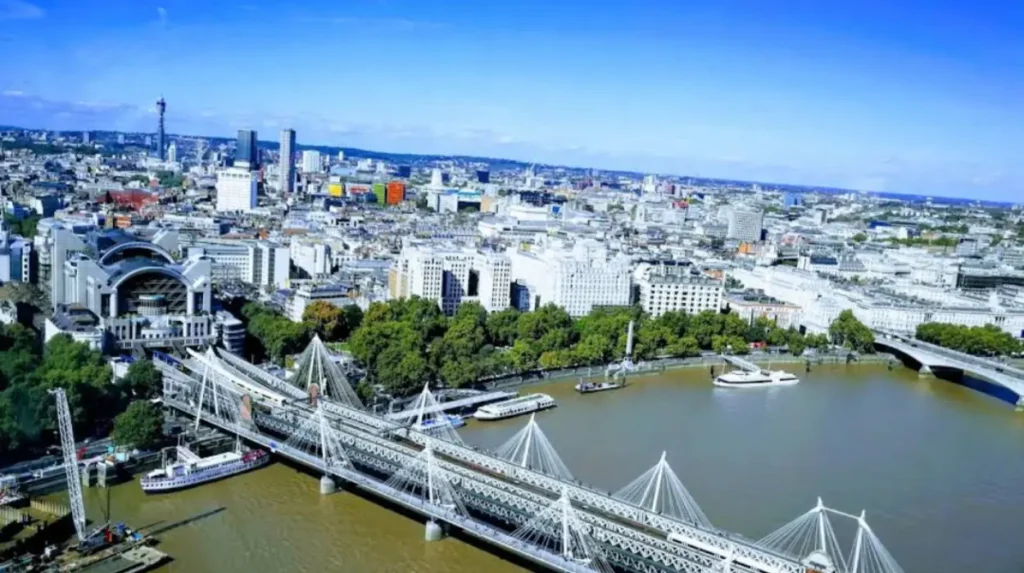
First-time visitors should prioritise Tower Bridge, the Tower of London area, Canary Wharf, Spitalfields, and the borough’s major museums and galleries. These places show the full range of Tower Hamlets, from heritage and trade to finance, culture, and public waterfront access.
Tower Bridge and the Tower of London form the most recognisable historic edge of the borough. The area around them remains one of the strongest heritage zones in East London. The riverfront here gives clear views across the Thames and links naturally to nearby walking routes.
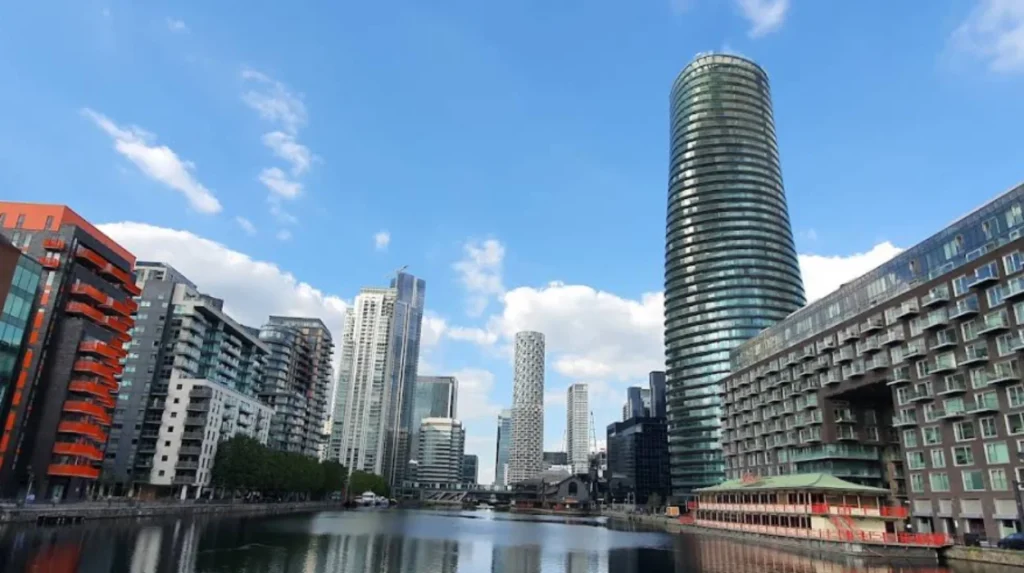
Canary Wharf adds the modern side of the borough. It is a principal business district with tall buildings, public art, seasonal light displays, outdoor events, and roof-garden space. This creates a different visitor experience from the East End market streets, and it works well for travellers who want architecture, cafes, and easy transport links.
Spitalfields and Whitechapel bring food, shopping, and cultural depth. The borough’s markets, including Old Spitalfields Market, Petticoat Lane, Roman Road Market, Backyard Market, and Columbia Road Flower Market, are central to its visitor appeal. The area also includes religious landmarks and museums that add depth to a sightseeing day.
Which parks offer the best outdoor time?
Victoria Park, Mile End Park, Mudchute Park and Farm, and Stepney Green Park offer the best outdoor time in Tower Hamlets. They give visitors lawns, lakes, trails, wildlife, play areas, sports facilities, and farm experiences without leaving the borough.
Victoria Park is the borough’s best-known green space. It is the flagship park and a major open area with lakes, monuments, lawns, and cafés. Its scale makes it ideal for a slower visit, picnics, walking, or a rest between sightseeing stops.
Mile End Park is important because it stretches through the borough as a linear park. It connects green spaces through the heart of the area, with habitats, play areas, and ecology features. Its design makes it especially useful for walkers who want a flat, continuous route rather than a single enclosed park.
Mudchute Park and Farm adds a countryside-style experience inside the city. It is a working farm and parkland on the Isle of Dogs, which makes it attractive for families, residents, and visitors looking for open space. Stepney Green Park gives a smaller, local green-space option.
Which markets define local culture?
Tower Hamlets markets define the borough’s everyday culture through food, fashion, flowers, and independent trading. Old Spitalfields Market, Petticoat Lane, Roman Road Market, Backyard Market, and Columbia Road Flower Market are the strongest examples.
Old Spitalfields Market is one of the borough’s most established visitor markets. It operates throughout the week and brings together independent traders, food, art, and design. That makes it useful for visitors who want shopping, lunch, and a lively atmosphere in one stop.
Petticoat Lane and Roman Road Market reflect the borough’s East End trading tradition. These markets remain important because they connect modern visitor activity with older patterns of street commerce and community life. They also give travellers an easy way to experience local character rather than only polished retail space.
Columbia Road Flower Market is one of the best-known Sunday experiences near Tower Hamlets. It is known for its colour and fragrance, and its location near other East London attractions helps visitors combine two distinct neighbourhood experiences in one outing. Backyard Market adds a smaller-scale option for crafts and creative goods.
Which riverside walks are most rewarding?
The most rewarding riverside walks follow the Thames around the Isle of Dogs, link Tower Bridge with the wider docklands, and use the River Lea and canal towpaths for longer flat routes. These walks are scenic, accessible, and closely tied to the borough’s history and redevelopment.
Tower Hamlets is a riverside borough, and one of its largest open spaces is the Thames itself. The riverside trail runs from Tower Bridge eastward around the Isle of Dogs and continues toward the River Lea crossing, giving walkers a long route with docks, skyline views, and access points to the foreshore in some places.
The River Lea forms the borough’s eastern boundary, and towpaths in the area are suitable for walking and cycling. This matters for visitors who want a longer, quieter route away from the main streets. It also helps business travellers and digital nomads fit in exercise before or after work, because the routes are flat and easy to access from several transport nodes.
Canal and dockside routes also create strong visitor value because they connect parks, neighbourhoods, and waterfront developments. Walkers can move between Limehouse, Mile End, the Docklands, and nearby green corridors without complex navigation. The result is a borough that works well for both short scenic loops and longer walking days.
As you explore the modern waterfront, you are also crossing land shaped by shipping, trade, and redevelopment. Read about the full Tower Hamlets riverside history guide to understand how the docks, canals, and river paths developed over time.
How can visitors plan one day well?
A well-planned day in Tower Hamlets combines one heritage site, one market, one park, and one riverside walk. That structure reduces travel time, balances indoor and outdoor activities, and gives visitors a complete East London experience without repeating the same type of stop.
A practical sightseeing day begins near Tower Bridge or the Tower of London area, continues to Spitalfields or Whitechapel for lunch and market browsing, and ends in a park or along the river. This route works because the borough’s major attractions cluster along well-connected corridors rather than sitting in isolated zones.
For a quieter day, Victoria Park and Mile End Park create a strong green-space pairing. Victoria Park offers larger lawns and formal features, while Mile End Park gives a more linear, movement-based experience through the borough. Visitors who prefer walking can combine one park with a canal or riverside path for a longer outdoor itinerary.
For a more urban day, Canary Wharf, Crossrail Place Roof Garden, and the Isle of Dogs waterfront provide modern scenery, public art, and food options. The area also offers seasonal displays and events, so it works well for travellers who want a polished business-district setting during spare time.
Where do work-friendly breaks fit best?
Work-friendly breaks fit best in Canary Wharf, Victoria Park, and around Spitalfields because these areas combine seating, food, transport access, and walkable surroundings. They suit remote workers and business travellers who need short productive pauses between meetings or sightseeing.
Canary Wharf is the strongest choice for business travellers because it is a major commercial district with extensive amenities. It is more than offices and shopping, thanks to public art, rooftop garden space, outdoor events, and seasonal programming. That makes it a good place for a coffee break, a short walk, or a work reset.
Victoria Park also suits longer breaks because it combines open lawns with cafés and ample space. For digital nomads, that matters because a park visit can break up screen time without requiring a long journey. Mile End Park provides a similar benefit, especially for people who want a structured walk before returning to work.
Spitalfields and nearby areas are useful when a visitor needs lunch, browsing, and transit convenience in one zone. The market environment gives variety, while the nearby streets connect quickly to the rest of central and east London. That keeps downtime efficient rather than fragmented.
Explore More Area Guide
Havering Visitor Guide: Best Attractions, Green Spaces & Cultural Experiences
Most Popular Places to Explore in Havering for First-Time Visitors to East London
Why does Tower Hamlets matter historically?
Tower Hamlets matters historically because it links medieval London, dock labour, migration, trade, and modern redevelopment in one borough. Its present visitor offer makes more sense when seen against that long pattern of river commerce and East End settlement.
The borough’s strongest heritage point is the Tower of London and its surrounding riverfront, which anchor the western edge of the area. Nearby Tower Bridge strengthens that historic identity, while the old docks and market streets show how trade shaped everyday life across later centuries.
The East End market culture remains important because it reflects long-running commercial exchange and community adaptation. Spitalfields, Petticoat Lane, and Roman Road all connect present-day visitors to the borough’s older retail and street-trading traditions. This historical continuity is one reason the area feels distinct from other parts of London.
The borough also contains major examples of regeneration. Canary Wharf, Mile End Park, and riverfront walking routes show how industrial and dockland spaces have become public, leisure, and business environments. That transformation explains why Tower Hamlets now works equally well for sightseeing, fitness, and work-compatible travel.
What should visitors remember before going?
Visitors should remember that Tower Hamlets rewards planning around clusters rather than single isolated stops. The best results come from pairing heritage with markets, parks with walks, and waterfront routes with nearby food or transport hubs.
The borough is large enough to support multiple travel styles, but its attractions are strongest when combined in a sensible route. One day can focus on history and markets, another on parks and riverside walks, and another on modern Canary Wharf and public art. That flexibility makes the area useful for both leisure and business travel.
Tower Hamlets also stands out because its public open spaces are part of the experience, not just breaks between attractions. Victoria Park, Mile End Park, the Thames path, and the Lea towpaths create a visitor pattern that is unusually walkable for central East London.
For search visibility and editorial completeness, this borough should be framed as a complete East London destination: heritage, shopping, green space, and river access in one place. That positioning matches how visitors actually use it and how the area is commonly presented to travellers.
What is Tower Hamlets famous for?
Tower Hamlets is famous for the Tower of London, Tower Bridge, Canary Wharf, Brick Lane, Old Spitalfields Market, Victoria Park, and its rich East End history, combining historic landmarks with modern waterfront development.