Tower Hamlets is one of the most distinctive parts of East London. The borough combines historic riverside districts, former docklands, major cultural institutions, traditional markets, extensive green spaces, and the modern financial district of Canary Wharf.
- What is Tower Hamlets known for?
- How did Tower Hamlets develop into a major East London destination?
- Which attractions should visitors see in Tower Hamlets?
- Which markets are worth visiting in Tower Hamlets?
- Which parks and green spaces can visitors explore in Tower Hamlets?
- Can visitors explore Tower Hamlets on foot?
- How can visitors plan a full day in Tower Hamlets?
- Morning: Tower Hill and the Thames
- Late morning: Spitalfields and Brick Lane
- Afternoon: Whitechapel or Docklands
- Late afternoon: Green space
- Evening: Canary Wharf or Spitalfields
- What makes Tower Hamlets important for visitors to East London?
- Why should Tower Hamlets be included in an East London itinerary?
Its location gives visitors access to several different versions of London within a relatively compact area. The Tower of London represents royal and military history. Whitechapel and Spitalfields reflect centuries of migration, trade and cultural change. Brick Lane is associated with markets, food and creative industries. Victoria Park provides one of East London’s largest historic green spaces. Canary Wharf presents the transformed Docklands as a major international business district.
Tower Hamlets Council describes the borough as the heart of London’s East End and highlights its combination of ancient and modern attractions. The borough’s southern boundary follows the River Thames, while the Tower of London and Tower Bridge form major landmarks along its western riverside.
For visitors, this combination makes Tower Hamlets particularly suitable for self-guided exploration. A single day can include heritage, architecture, shopping, food, public art, parks and riverside scenery without requiring a journey across central London.
What is Tower Hamlets known for?
Tower Hamlets is an East London borough combining historic docks, riverside landmarks, multicultural neighbourhoods, markets, museums, parks, and modern Canary Wharf. Attractions range from the Tower of London and Brick Lane to Victoria Park, Whitechapel, and the Isle of Dogs.
Tower Hamlets occupies a strategically important position immediately east of the City of London. The borough extends from the historic Tower Hill area towards Bow, Bethnal Green, Poplar and the Isle of Dogs.
Its identity developed through several interconnected activities. The River Thames supported shipping and trade. The docks created employment and attracted workers. Markets supplied growing communities. Religious institutions served different populations. Industrialisation transformed streets and housing. Later, Docklands regeneration created the high-rise business environment around Canary Wharf.
The borough’s official tourism information identifies museums, galleries, historic buildings and markets among its principal visitor attractions. It also promotes cultural trails through Brick Lane and Spitalfields.
Tower Hamlets is also notable for its cultural diversity. Whitechapel and Brick Lane have long histories involving different migrant communities, including French Huguenots, Jewish communities and the Bangladeshi community. This history remains visible through architecture, religious buildings, food businesses, markets and street names.
The borough therefore works as both a destination and a gateway. Visitors can explore East London’s history while remaining close to central London transport connections.
How did Tower Hamlets develop into a major East London destination?
Tower Hamlets developed around the Tower of London, medieval villages, docks, industry, and expanding East End communities. Roman activity, maritime trade, immigration, Victorian urban growth, wartime change, and Docklands regeneration shaped the borough visible to visitors today.
The area’s history extends far beyond the modern borough. Archaeological evidence identified by Tower Hamlets Council includes human activity dating back thousands of years, including axes and other implements from the Stone and Bronze Ages.
The Tower of London became one of the defining landmarks of the area. The borough itself takes its name from the historic relationship between the Tower and the surrounding hamlets. The Tower’s presence influenced administration, settlement and the development of nearby communities.
During the medieval and early modern periods, villages and rural settlements occupied much of what is now dense urban territory. Stepney, Poplar, Bow, Bethnal Green and other districts gradually became more closely connected to London.
The growth of the Thames waterfront changed the area dramatically. Docks provided infrastructure for London’s international trade. The West India Docks, East India Docks and other facilities created a major maritime economy.
The Victorian period brought rapid population growth. Housing, factories, railways, markets and public institutions expanded to accommodate East London’s growing population.
Public parks also became important responses to urban density. Victoria Park opened in 1845 after concerns about overcrowding, poor sanitation and the lack of open space in the East End. A petition supporting the creation of a Royal Park reportedly attracted 30,000 local signatures in 1840.
The twentieth century brought further change. Wartime bombing affected residential districts and industrial areas. The docks declined during the second half of the century as shipping technology changed.
Docklands regeneration then transformed former industrial land into offices, housing, public spaces and transport infrastructure. Canary Wharf became the most recognisable symbol of this transformation.
For visitors, this history is not confined to museums. It remains visible in warehouses, churches, markets, dock basins, parks, street layouts and modern developments.
Internal historical link: As you explore the modern borough, you are crossing land with a deep heritage. Read the full to understand its origins.
Which attractions should visitors see in Tower Hamlets?
Tower Hamlets offers several major attractions including the Tower of London, Museum of London Docklands, Whitechapel Gallery, Old Spitalfields Market, Christ Church Spitalfields, and Canary Wharf. Each represents a different aspect of royal, commercial, artistic, religious, or contemporary London history.
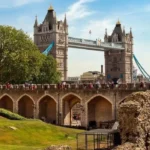
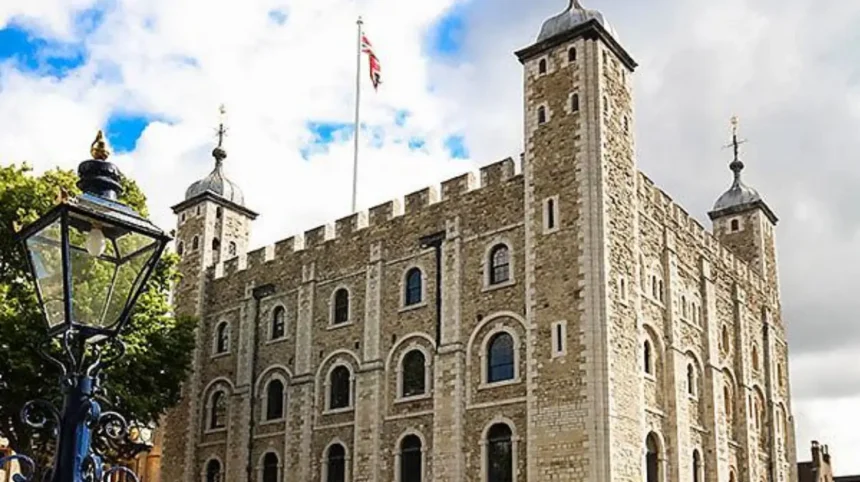
The Tower of London is one of the borough’s most important historic landmarks. The historic fortress sits beside the River Thames and has served different functions during its long history, including royal residence, fortress and prison. It is managed by Historic Royal Palaces.
Nearby Tower Bridge provides another major riverside landmark. Although Tower Bridge crosses the Thames between Tower Hamlets and Southwark, its northern approach and Tower Hill surroundings form part of the borough’s major visitor zone.
The Museum of London Docklands provides a more specialised introduction to the history of London’s river, docks and global trade. The museum occupies a historic warehouse at West India Quay and connects the modern Canary Wharf district with its maritime past.
Whitechapel Gallery is a major contemporary and modern art institution. It forms part of the cultural landscape around Whitechapel and provides a useful contrast with the area’s historic architecture.
Christ Church Spitalfields is a major eighteenth-century church designed by Nicholas Hawksmoor. Its distinctive architecture forms an important landmark near Commercial Street and Spitalfields.
Old Spitalfields Market combines a historic market setting with contemporary retail, food and independent businesses. The wider Spitalfields area contains Georgian streets, former workshops, religious buildings and long-established commercial routes.
Canary Wharf represents the modern side of Tower Hamlets. Its high-rise offices, public squares, restaurants, shops, waterways and public art create a very different visitor environment from Whitechapel or Spitalfields.
The area’s waterfront spaces are particularly useful for visitors interested in architecture. Older dock infrastructure sits alongside modern towers, creating a clear visual record of London’s economic transformation.
Which markets are worth visiting in Tower Hamlets?
Tower Hamlets has a strong market culture, with ten council-recognised street markets including Brick Lane, Columbia Road, Chrisp Street, Roman Road, Petticoat Lane, Whitechapel, and Watney Market. These markets connect food, fashion, flowers, household goods, community life, and local commerce.
Markets form an essential part of the visitor experience in Tower Hamlets. The council identifies ten street markets across the borough, including Brick Lane, Bethnal Green Road, Chrisp Street, Columbia Road, Petticoat Lane, Roman Road, Roman Road Square, Sclater Street, Watney Market and Whitechapel Market.
Brick Lane Market is one of the best-known. The Sunday market is associated with fashion, food, art, vintage goods and street trading. The street also provides access to independent food businesses, cafés, galleries and cultural venues.
The history of Brick Lane is particularly significant. The street developed through successive communities and became strongly associated with the Bangladeshi community during the twentieth century. The area’s religious and commercial buildings reflect this history.
Columbia Road Flower Market has a more specialised identity. Flowers and plants dominate the Sunday market, while surrounding streets contain independent shops, cafés and small businesses.
Petticoat Lane Market, centred around Middlesex Street and nearby streets, has a long association with clothing, textiles and fashion trading. It remains connected to the wider commercial environment around Spitalfields and the City fringe.
Roman Road Market serves the Bow and Bethnal Green area. The council describes Roman Road as following an ancient trading route and lists market trading on Tuesdays, Thursdays and Saturdays.
Chrisp Street Market in Poplar provides another example of a neighbourhood market. Its traders sell food, clothing, household products and other everyday goods.
Market schedules vary by location and day. Visitors should check current arrangements before travelling, especially when planning a market-focused itinerary.
Markets also provide a useful way to understand local economic geography. They demonstrate how traditional street trading remains integrated with residential communities, independent businesses and newer visitor-oriented activities.

Which parks and green spaces can visitors explore in Tower Hamlets?
Tower Hamlets has more than 120 parks and green spaces, including Victoria Park, Mile End Park, Island Gardens, and Tower Hamlets Cemetery Park. These spaces provide walking routes, gardens, historic features, wildlife habitats, sports facilities, playgrounds, and outdoor recreation opportunities.
Tower Hamlets Council states that the borough has more than 120 parks and green spaces. Fourteen currently hold Green Flag Awards, demonstrating recognised standards in park management, environmental quality and community value.
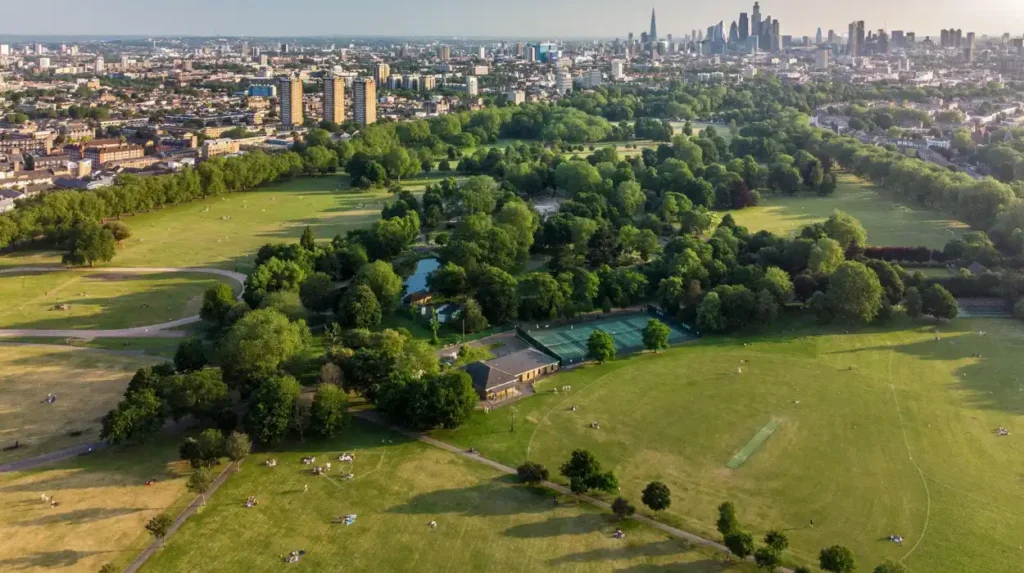
Victoria Park is the largest and most historically significant public park in the borough. It opened in 1845 and was specifically created to provide open space for communities in the densely populated East End.
The park contains lakes, lawns, mature trees, historic features, a bandstand and surviving stone alcoves from London Bridge. The council identifies Victoria Park as the borough’s oldest and largest park and records around nine million visits each year.
Mile End Park provides a different landscape. It operates as a linear green corridor through a dense urban area. Its facilities include the Arts Pavilion, Ecology Pavilion, sports facilities, play areas and landscaped spaces.
Island Gardens provides a notable riverside setting on the Isle of Dogs. Its position creates views towards Greenwich across the Thames. The park is also included among Tower Hamlets’ historic green spaces.
Tower Hamlets Cemetery Park combines nature conservation with social and burial history. The cemetery opened in 1841 and eventually became an important open space after burial activity ended. The council identifies it as a local nature reserve.
The borough’s green network also includes smaller gardens and historic squares. Stepney Green, Bethnal Green Gardens, Altab Ali Park, Boundary Gardens and numerous neighbourhood spaces demonstrate how public open space developed alongside urban growth.
For visitors, these parks provide practical breaks between museums, markets and shopping areas. They also create opportunities for walking, photography, birdwatching, informal recreation and observing local architecture.
The parks are not simply recreational facilities. Their history reflects major changes in public health, urban planning, housing, conservation and community life.
Can visitors explore Tower Hamlets on foot?
Tower Hamlets is well suited to walking because attractions cluster around Whitechapel, Spitalfields, Brick Lane, the City fringe, Canary Wharf, and the Thames. Underground, Overground, DLR, bus, and river connections provide practical links between neighbourhoods for visitors.
Walking is one of the most effective ways to understand Tower Hamlets because neighbourhood identities change over relatively short distances.
A Whitechapel and Spitalfields walk can connect Whitechapel Gallery, Altab Ali Park, Brick Lane, Fournier Street, Christ Church Spitalfields and Old Spitalfields Market. Tower Hamlets Council’s cultural trail identifies 20 sites of particular interest in this area, including the Boundary Estate, Redchurch Street, Old Truman Brewery, Princelet Street, Brick Lane Jamme Masjid, Fashion Street and Toynbee Hall.
A Thames riverside route provides access to the Tower of London area, Tower Bridge surroundings, St Katharine Docks and the wider waterfront. The river provides a clear geographical reference point.
A Canary Wharf walk focuses on modern architecture, dock basins, public spaces, retail areas and high-rise commercial buildings. The area also provides access towards the Isle of Dogs and riverside parks.
A Victoria Park and Mile End route focuses on green space. Visitors can combine the historic park landscape of Victoria Park with the linear landscapes of Mile End Park.
Transport remains important when covering larger distances. Tower Hamlets is served by several Underground lines, London Overground services, the Docklands Light Railway, extensive bus routes and river services.
The DLR is particularly relevant for visitors exploring Docklands. Stations provide connections between the City fringe, Poplar, Canary Wharf, the Isle of Dogs and destinations beyond the borough.
The best walking strategy is therefore to choose a neighbourhood cluster rather than attempting to cover the entire borough in one continuous walk.
How can visitors plan a full day in Tower Hamlets?
Visitors should plan around opening days, market schedules, walking distances, weather, and attraction entry arrangements. Combining one historic site, one market, one green space, and one cultural venue creates a balanced Tower Hamlets itinerary without unnecessary cross-borough travel.
A full-day itinerary works best when activities are grouped geographically.
Morning: Tower Hill and the Thames
Start around Tower Hill and the northern side of the Thames. The Tower of London provides the main historic attraction. The surrounding streets contain views towards Tower Bridge and access to riverside routes.
Visitors interested in London’s maritime history can continue eastwards towards the dock areas.
Late morning: Spitalfields and Brick Lane
Move towards Spitalfields and Brick Lane. This area contains a dense combination of historic buildings, markets, food businesses, religious architecture and independent shops.
Old Spitalfields Market provides an indoor market environment, while Brick Lane offers a larger street-based cultural experience.
Afternoon: Whitechapel or Docklands
Choose Whitechapel for art and local history. Whitechapel Gallery provides a major cultural stop, while nearby streets contain historic buildings and community landmarks.
Alternatively, travel towards Canary Wharf and the Museum of London Docklands. This combination connects the history of the docks with the modern financial district.
Late afternoon: Green space
Victoria Park works well for visitors who prefer a traditional park environment. Mile End Park provides a more linear urban landscape and links several neighbourhoods.
Island Gardens provides a strong option for visitors already exploring the Isle of Dogs.
Evening: Canary Wharf or Spitalfields
Canary Wharf offers restaurants, bars, public spaces and illuminated architecture after business hours. Spitalfields and Brick Lane provide a different evening environment centred on food, independent businesses and cultural venues.
The itinerary should remain flexible around individual attraction opening hours. Markets also operate on different days, so a Sunday visit creates a substantially different experience from a weekday visit.
Explore More Area Guide
Tower Hamlets Tourist Guide: Best Experiences East London
Best Places to Relax, Explore & Sightsee in Tower Hamlets
What makes Tower Hamlets important for visitors to East London?
Tower Hamlets is important because it concentrates several defining elements of East London within one borough. Its historic waterfront explains London’s maritime development. Its markets demonstrate continuing street commerce. Its parks reflect public health and urban planning. Its cultural districts demonstrate successive waves of migration and creativity.
The borough also illustrates the scale of London’s transformation. Historic warehouses and docks sit beside modern commercial towers. Georgian churches stand close to contemporary galleries. Traditional markets operate alongside international businesses.
This layered geography makes Tower Hamlets valuable for visitors seeking more than conventional central London attractions.
Its visitor economy also benefits from strong transport connectivity. The borough’s proximity to the City of London means that domestic business travellers can reach cultural attractions and leisure spaces during limited downtime. Digital nomads and remote workers also have access to cafés, libraries, public spaces and transport-connected commercial districts, although individual venue facilities and access conditions vary.
For residents, the same attractions function as everyday community assets. Parks provide recreation. Markets support local commerce. Galleries and cultural institutions provide education and events. Historic sites preserve local identity.
The borough’s parks also have environmental importance. Tower Hamlets Council identifies its two local nature reserves as Tower Hamlets Cemetery Park and Mudchute Park and Farm.
The result is a destination with several distinct layers rather than one single tourist centre.
Why should Tower Hamlets be included in an East London itinerary?
Tower Hamlets provides one of the strongest combinations of history, culture, markets, parks, architecture and modern urban development in East London. Visitors can explore royal heritage at the Tower of London, maritime history at the Museum of London Docklands, cultural heritage around Brick Lane and Spitalfields, and modern London around Canary Wharf.
The borough’s more than 120 parks and green spaces provide additional options for visitors who want outdoor experiences alongside museums and markets. Victoria Park alone demonstrates the historical importance of public recreation in East London.
Its market network provides another major attraction. Brick Lane, Columbia Road, Roman Road, Chrisp Street and Petticoat Lane each have different trading identities and operating patterns.
The cultural trail around Brick Lane and Spitalfields further demonstrates how the borough’s history can be explored through streets rather than museums alone. Its 20 identified sites include religious buildings, markets, historic estates, galleries and former industrial locations.
For first-time visitors, the most efficient approach is to select one geographical area and combine complementary experiences. A Tower Hill and riverside visit suits history-focused travellers. Spitalfields and Brick Lane suit visitors interested in markets, architecture and cultural heritage. Victoria Park and Mile End suit outdoor visitors. Canary Wharf and the Docklands suit architecture, business and maritime-history interests.
Tower Hamlets therefore functions as a comprehensive East London visitor destination. Its attractions cover different periods, communities and urban environments while remaining connected through public transport and walkable neighbourhoods.
What is Tower Hamlets famous for?
Tower Hamlets is famous for the Tower of London, Brick Lane, Spitalfields, Canary Wharf, Victoria Park, historic docks, multicultural communities, markets and riverside attractions.