Tower Hamlets is one of East London’s most diverse leisure destinations. The London Borough of Tower Hamlets stretches from the historic East End and Whitechapel to the Thames, Canary Wharf, the Isle of Dogs, Bow and Victoria Park. Its visitor offer combines heritage, museums, contemporary art, markets, riverside walks, green spaces, architecture, food and entertainment.
- What makes Tower Hamlets an important leisure destination in London?
- Which historic attractions should leisure travellers visit in Tower Hamlets?
- Where can visitors experience Tower Hamlets’ East End culture?
- Which museums and galleries are worth visiting in Tower Hamlets?
- Where can visitors enjoy markets and independent shopping?
- Which parks and green spaces are best for relaxing?
- What can visitors do around Canary Wharf?
- Where can visitors enjoy riverside walks in Tower Hamlets?
- What food and dining experiences should leisure travellers explore?
- Which areas are best for an evening of entertainment?
- How can visitors explore Tower Hamlets efficiently?
- Why is Tower Hamlets suitable for digital nomads and business travellers?
- When is the best time to explore Tower Hamlets?
- What should first-time visitors prioritise in Tower Hamlets?
- How does Tower Hamlets combine history, culture and modern London?
The borough is also one of London’s most densely populated areas. Census 2021 recorded approximately 310,300 residents, up 22.1% from 2011. This rapid population growth reflects the borough’s continuing transformation while its historic neighbourhoods retain strong cultural identities.
For leisure travellers, Tower Hamlets works particularly well as a destination for combining several experiences in one day. A visitor can explore the Tower of London in the morning, walk through Whitechapel and Spitalfields, eat around Brick Lane, relax in Victoria Park and finish with a riverside evening in Canary Wharf.
What makes Tower Hamlets an important leisure destination in London?
Tower Hamlets combines historic landmarks, cultural institutions, markets, parks, waterfront districts and dining areas within a compact East London destination. Its strongest visitor experiences connect London’s medieval, industrial, migrant, artistic and financial histories.
The borough occupies a strategically important part of London. The River Thames forms its southern edge, while the City of London sits immediately to the west. This location created centuries of commercial activity around docks, warehouses, markets and transport routes.
Modern Tower Hamlets contains several distinct visitor environments. Whitechapel provides galleries, historic streets and international food. Spitalfields combines heritage architecture with markets and independent businesses. The Isle of Dogs provides dockside scenery and the Canary Wharf skyline. Bow and Bethnal Green provide access to Victoria Park and East London’s creative districts.
The borough also has extensive public green space. Tower Hamlets Council states that it contains more than 120 parks and green spaces. Fourteen parks hold Green Flag Awards, while Victoria Park has received major national and London recognition.
This combination gives leisure travellers several ways to structure a visit without leaving the borough.
Which historic attractions should leisure travellers visit in Tower Hamlets?
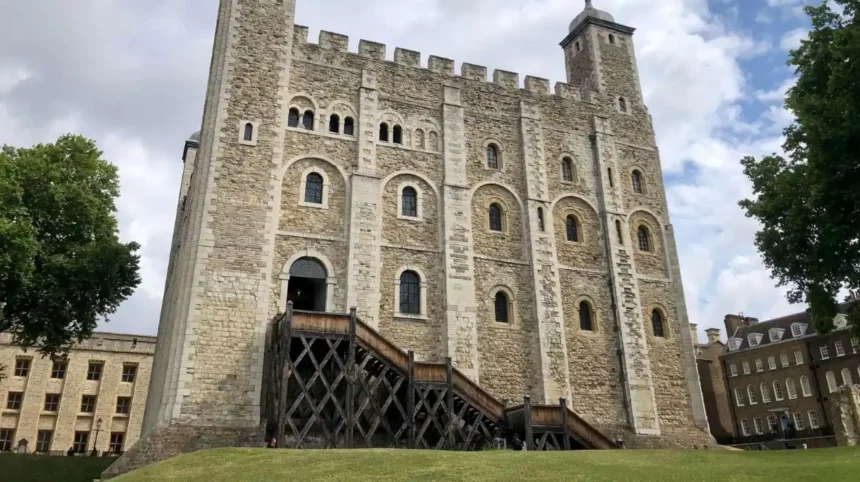
Historic attractions in Tower Hamlets include the Tower of London, St Katharine Docks, historic East End streets, former docklands and heritage buildings. These places explain the borough’s connections with monarchy, trade, migration, industry and London’s global development.
The Tower of London is the borough’s most internationally recognised historic attraction. The medieval fortress stands beside the Thames and has served as a royal palace, fortress, prison and treasury. Historic Royal Palaces operates the attraction and provides access to its historic buildings, exhibitions and Yeoman Warder tours.
The Tower also provides an important geographical connection between central London and the East End. Visitors can continue eastwards towards St Katharine Docks and Wapping after exploring the fortress.
St Katharine Docks provides a different form of historic experience. The former commercial dock complex contains waterside buildings, restaurants, offices and pedestrian routes. Its preserved dock environment demonstrates the importance of maritime infrastructure to London’s economy.
The historic identity of Tower Hamlets extends well beyond individual landmarks. Whitechapel, Stepney, Poplar, Wapping and the Isle of Dogs developed through changing patterns of trade, manufacturing, shipping and migration.
The borough’s official Local History Library and Archives provides a deeper research resource. Its collections include documents dating from 1384, maps, plans, photographs and newspaper cuttings.
As you explore the modern borough, you are crossing land with a deep heritage. Read the full to understand its origins.
Where can visitors experience Tower Hamlets’ East End culture?
Visitors experience East End culture through Whitechapel, Brick Lane, Spitalfields, Bethnal Green and surrounding streets. These districts combine migrant histories, independent businesses, markets, religious communities, contemporary art, food traditions and long-established neighbourhood institutions.
East End culture is not represented by one attraction. It is distributed across streets, markets, cultural venues and community spaces.
Whitechapel is particularly important. The district has long been shaped by migration and changing communities. Its cultural landscape includes Bangladeshi businesses, historic Jewish heritage, contemporary art institutions and long-established markets.
Brick Lane provides one of the clearest visitor routes through this cultural history. The street connects food businesses, independent shops, vintage retailers, cafés, street art and market activity. Its current identity reflects several generations of migration and commercial change.
Spitalfields provides another important cultural environment. The historic market area sits near Commercial Street and connects visitors with the architecture and commercial history of the East End.
Travellers should explore these districts on foot because their character is distributed between individual venues rather than concentrated inside one attraction.
The experience also changes throughout the week. Market activity, exhibitions, food businesses and entertainment venues operate according to their individual schedules, so visitors should check official opening information before travelling.
Which museums and galleries are worth visiting in Tower Hamlets?
Tower Hamlets offers museums and galleries covering London’s history, contemporary art, maritime commerce and local heritage. The strongest choices include the London Museum Docklands, Whitechapel Gallery and specialist local archives and cultural collections.
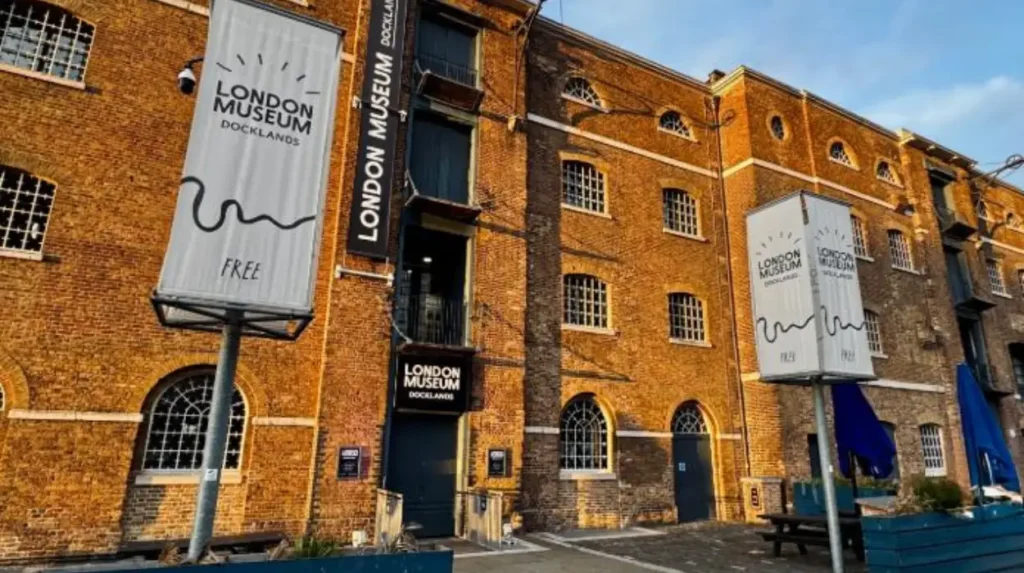
The London Museum Docklands is a major cultural attraction in the Canary Wharf area. It occupies a historic warehouse at West India Quay and examines London’s relationship with the River Thames, docks, trade and global commerce. Visit London describes its displays as covering 2,000 years of history.
The museum provides essential context for understanding the modern docklands. Canary Wharf’s skyscrapers stand within an area once dominated by warehouses, ships, cranes and imported commodities.
The Whitechapel Gallery provides a completely different cultural experience. Founded in 1901 by Samuel and Henrietta Barnett, it was established to bring major art and educational programmes to East London.
Its history includes exhibitions involving major artists such as Pablo Picasso, Jackson Pollock, Mark Rothko, David Hockney and Frida Kahlo. Picasso’s Guernica was displayed at the gallery in 1939 during its first and only visit to Britain.
The gallery remains a major contemporary art institution. Its 2026 programme demonstrates the continuing role of Whitechapel as a platform for international and London-based artists.
For visitors interested in local history, the Tower Hamlets Local History Library and Archives is another important resource. Its collection includes more than 20,000 books and pamphlets, 25,000 photographs and illustrations, and more than 2,000 maps and plans.
Where can visitors enjoy markets and independent shopping?
The strongest market and shopping experiences are concentrated around Spitalfields, Brick Lane, Whitechapel and surrounding East End streets. Visitors find food, clothing, vintage goods, crafts, design products, specialist shops and independent businesses across these connected districts.
Old Spitalfields Market provides an established covered market environment close to Liverpool Street and Shoreditch. Its location makes it easy to combine with a walking route through Commercial Street, Brick Lane and Whitechapel.
Brick Lane is particularly associated with independent retail and street-level culture. Visitors encounter vintage clothing, records, art, food businesses and changing market stalls.
The area also has a strong food identity. Restaurants and food stalls reflect the borough’s international population and include South Asian, Middle Eastern, European and other culinary traditions.
Columbia Road Flower Market, located in Bethnal Green, is another distinctive visitor experience. Its traditional market activity is concentrated around Sundays, creating a different atmosphere from the commercial districts of Canary Wharf.
Market visits work best when combined with nearby attractions. A traveller can begin around Spitalfields, continue through Brick Lane, visit Whitechapel Gallery and finish with food in the surrounding streets.
This approach also avoids treating Tower Hamlets as a collection of isolated attractions. Its neighbourhoods function as connected visitor environments.

Which parks and green spaces are best for relaxing?
Tower Hamlets has more than 120 parks and green spaces, giving leisure travellers extensive opportunities for walking, picnicking, sport and quiet outdoor time. Victoria Park, Mile End Park and Island Gardens provide particularly useful visitor experiences.
Victoria Park is the borough’s largest and most prominent green destination. The park covers more than 80 hectares and contains lakes, historic features, sports facilities, gardens, cafés, playgrounds and open lawns.
The park receives more than nine million visitors annually. It has also held the Green Flag People’s Choice Award for 13 consecutive years according to Tower Hamlets Council.
Victoria Park is useful for both active and relaxed visits. Visitors can walk beside the lakes, use recreational facilities, explore historic features or simply spend time on the open lawns.
Mile End Park provides another large green corridor. Its features include the Art and Ecology Pavilions, sports facilities and recreational spaces.
Island Gardens provides a more compact riverside experience on the Isle of Dogs. Its location gives visitors views towards Greenwich across the River Thames.
Tower Hamlets contains five registered parks and gardens recognised for their national importance: Victoria Park, Boundary Gardens, Island Gardens, Museum Gardens and the Novo Cemetery.
These green spaces make the borough suitable for travellers who want outdoor time between museums, markets and urban sightseeing.
What can visitors do around Canary Wharf?
Canary Wharf offers modern architecture, waterside walking, public art, gardens, shopping, restaurants, entertainment and cultural attractions. Its strongest leisure experiences combine the financial district’s skyline with former dock infrastructure and accessible riverside spaces.
Canary Wharf represents one of the most dramatic transformations within Tower Hamlets. Former docklands have been redeveloped into a major financial and commercial district surrounded by residential, cultural and leisure facilities.
Crossrail Place Roof Garden provides an elevated green space within the Canary Wharf development. The area combines landscaping, architecture and public access while creating a distinctive contrast with the surrounding towers.
The dockside routes around Canary Wharf also provide opportunities for walking and photography. Visitors can see modern office towers alongside retained waterside structures and historic dock buildings.
West India Quay connects Canary Wharf with the London Museum Docklands. It is therefore an efficient area for combining history, food and architecture within one itinerary.
Visit London identifies Canary Wharf attractions including the London Museum Docklands, Crossrail Place Roof Garden, public art, waterside dining and riverside walking routes.
The district also provides restaurants, cafés, shops and entertainment venues. This makes it particularly practical for business travellers who have limited leisure time between meetings.
Where can visitors enjoy riverside walks in Tower Hamlets?
Riverside walking in Tower Hamlets connects historic docks, modern architecture, public gardens and Thames viewpoints. Useful areas include Wapping, St Katharine Docks, the Isle of Dogs, Limehouse and Canary Wharf, each offering a different waterfront environment.
The Thames is central to the borough’s historical development. Its waterfront supported shipping, warehousing, manufacturing and international trade.
Wapping provides one of the most historic riverside environments. Former warehouses and industrial buildings line parts of the waterfront, while public paths provide views towards the river.
Limehouse connects the Thames with canals and historic East London neighbourhoods. The area provides a quieter walking environment than the central commercial districts.
The Isle of Dogs provides a more modern waterfront experience. Visitors can walk around Canary Wharf and surrounding docks while viewing some of London’s tallest commercial buildings.
Riverside walking also connects naturally with other attractions. A traveller can combine St Katharine Docks with the Tower of London, or combine Canary Wharf with the London Museum Docklands.
Walking is therefore one of the most effective ways to understand how Tower Hamlets developed from a maritime landscape into a modern metropolitan district.
What food and dining experiences should leisure travellers explore?
Tower Hamlets offers one of London’s strongest concentrations of international food, with South Asian cuisine particularly prominent around Whitechapel and Brick Lane. Canary Wharf adds restaurants, cafés and contemporary dining beside the docks.
Food is an important part of the visitor experience because Tower Hamlets has been shaped by generations of migration.
Brick Lane and Whitechapel are especially associated with South Asian food. Restaurants, bakeries, cafés and specialist food shops reflect the long-established Bangladeshi community in the area.
Visitors can also find food from many other traditions across the borough. Canary Wharf provides a broader contemporary restaurant environment, while Spitalfields and Bethnal Green contain independent cafés, restaurants and market food.
Dining itineraries work well when linked with sightseeing. Visitors can explore Whitechapel Gallery before eating around Brick Lane. They can visit the London Museum Docklands before dining around West India Quay. They can also combine Victoria Park with cafés and restaurants around Bethnal Green and Hackney Wick.
The borough’s food culture therefore functions as both a practical visitor service and a reflection of its social history.
Which areas are best for an evening of entertainment?
Tower Hamlets offers evening entertainment through restaurants, bars, cultural venues, live events and nightlife districts around Canary Wharf, Spitalfields, Brick Lane and Whitechapel. Entertainment ranges from contemporary venues to long-established East End cultural spaces.
Canary Wharf provides a polished evening environment centred on restaurants, bars, waterfront spaces and programmed entertainment.
Spitalfields and Brick Lane provide a more street-oriented evening experience. Restaurants, cafés, bars and cultural venues operate across the surrounding streets.
Whitechapel adds galleries, performance programmes and cultural events. The Whitechapel Gallery maintains an active programme of exhibitions, talks and public engagement alongside its major art shows.
Entertainment schedules change throughout the year. Travellers should check venue-specific information before making evening plans.
For leisure travellers, the most efficient approach is to choose one neighbourhood for dinner and entertainment rather than repeatedly crossing the borough. Public transport connections make it easy to move between districts when required.
How can visitors explore Tower Hamlets efficiently?
Visitors can explore Tower Hamlets efficiently by grouping attractions into neighbourhood-based itineraries. Whitechapel and Spitalfields suit culture and markets, Victoria Park suits outdoor activities, while Canary Wharf suits museums, architecture, dining and riverside experiences.
A historic East End itinerary can combine the Tower of London, St Katharine Docks, Wapping and Whitechapel.
A culture and food itinerary can combine Whitechapel Gallery, Brick Lane, Spitalfields Market and surrounding restaurants.
A green-space itinerary can focus on Victoria Park, Mile End Park and nearby neighbourhood cafés.
A docklands itinerary can combine the London Museum Docklands, West India Quay, Canary Wharf and Crossrail Place.
Transport is a major advantage. Tower Hamlets is served by the London Underground, Docklands Light Railway, Elizabeth line, London Overground, buses, river services and walking routes. The exact combination depends on the starting point and destination.
Visitors should use Transport for London journey planning before travelling because service patterns, engineering works and station access change over time.
Why is Tower Hamlets suitable for digital nomads and business travellers?
Tower Hamlets suits digital nomads and business travellers because it combines strong transport connections, cafés, libraries, cultural venues, restaurants, green spaces and commercial districts. Canary Wharf provides business infrastructure while East End neighbourhoods offer varied leisure environments.
Canary Wharf is particularly useful for business travellers because it is a major commercial centre with extensive offices, restaurants, shops and transport connections.
Digital nomads can also use cafés and public spaces across the borough. Tower Hamlets’ Idea Store network provides libraries, computers, internet access, learning services and public facilities. The council describes Idea Stores as combining library, learning and information services in high-street locations.
The Local History Library and Archives also has an educational and research function. Its Grade II listed building dates from 1860 and is located on Bancroft Road in Mile End.
Green spaces provide alternatives to indoor work environments. Victoria Park and Mile End Park provide open-air settings for breaks and walking.
This combination allows short business trips to incorporate meaningful leisure without requiring long journeys across London.
When is the best time to explore Tower Hamlets?
The best timing depends on the experience planned. Markets and outdoor attractions benefit from daytime visits, museums and galleries suit structured daytime itineraries, while Canary Wharf, Brick Lane and Spitalfields provide distinct evening experiences throughout the year.
Spring and summer provide longer daylight hours for parks and riverside walks. Victoria Park is particularly suitable for outdoor visits during these periods.
Autumn provides strong conditions for museums, galleries, markets and food-focused itineraries.
Winter places greater emphasis on indoor attractions such as the Tower of London, London Museum Docklands and Whitechapel Gallery, although opening hours and seasonal programmes require checking.
Market days also influence the experience. Visitors planning to see specific markets should check their official operating schedules before travelling.
Victoria Park operates throughout the year, with the council stating that the park opens from 7am until dusk, 365 days a year.
Explore More Area Guide
Best Experiences in Tower Hamlets: Attractions, Markets & Culture
Tower Hamlets Travel Inspiration: London Itinerary 2026
What should first-time visitors prioritise in Tower Hamlets?
First-time visitors should prioritise one major historic attraction, one cultural district, one green space and one riverside area. This approach captures Tower Hamlets’ heritage, community culture, public spaces, architecture and modern economic identity within one coherent visit.
A strong first visit can begin at the Tower of London and continue eastwards towards St Katharine Docks.
The itinerary can then move towards Whitechapel and Brick Lane for contemporary art, food, markets and East End cultural history.
For an outdoor break, Victoria Park provides a substantial green space with historic features and recreational facilities.
A final visit to Canary Wharf demonstrates the scale of the borough’s modern transformation. The skyscrapers, docks, public art, restaurants and gardens present a completely different environment from the historic East End.
This contrast is the central strength of Tower Hamlets as a leisure destination. The borough contains multiple layers of London’s development within a relatively concentrated geographical area.
How does Tower Hamlets combine history, culture and modern London?
Tower Hamlets combines medieval heritage, docklands history, migration, contemporary art, public parks and global business districts. Its visitor appeal comes from experiencing these different layers together rather than treating each attraction as an isolated destination.
The borough’s historic depth is visible in the Tower of London, former docks, warehouses, markets and surviving neighbourhood architecture.
Its social history is visible in Whitechapel, Brick Lane and other East End communities shaped by migration and changing industries.
Its cultural identity is represented by institutions such as Whitechapel Gallery, which has operated since 1901 and continues to present international contemporary art.
Its environmental infrastructure is represented by more than 120 parks and green spaces, including Victoria Park and Mile End Park.
Its modern economic identity is most visible around Canary Wharf, where financial, commercial, residential and leisure uses coexist around former docklands.
This combination makes Tower Hamlets an important destination for leisure travellers seeking more than conventional central London sightseeing. It provides historic landmarks, museums, markets, food, art, green spaces, waterfront walks and modern architecture within one East London borough.
For visitors planning a full day or longer stay, the most effective strategy is to organise activities geographically. Combining nearby attractions reduces travel time and creates a clearer understanding of how each district connects to the wider history and development of Tower Hamlets.
What are the best places to visit in Tower Hamlets?
The best places to visit in Tower Hamlets include the Tower of London, Brick Lane, Whitechapel, Spitalfields Market, Victoria Park, London Museum Docklands, Canary Wharf, St Katharine Docks and the Isle of Dogs.