Tower Hamlets, in East London, brings together centuries of maritime history, migration, industry, architecture and urban regeneration. Its historic streets, museums, riverside landmarks and modern cultural destinations help visitors understand how London’s East End developed and how its communities continue to shape the capital.
- Why Is Tower Hamlets One of the Best Places to Explore East London’s History?
- Where Can Visitors Discover the Maritime History of Tower Hamlets?
- Which Historic Landmarks Explain Tower Hamlets’ Medieval and Royal Past?
- Where Can Visitors Understand the History of Migration in Tower Hamlets?
- Brick Lane and Banglatown
- Brick Lane Jamme Masjid
- Whitechapel Road and its markets
- How can visitors explore the area’s history responsibly?
- Which Museums Reveal the Everyday Lives of East End Residents?
- The Ragged School Museum
- Tower Hamlets Local History Library and Archives
- Why are local archives important?
- Where Can Visitors See Tower Hamlets’ Industrial Heritage and Urban Regeneration?
- Which Markets and Cultural Districts Best Represent Tower Hamlets Today?
- Old Spitalfields Market
- Columbia Road Flower Market
- Petticoat Lane Market
- Why do markets matter to local identity?
- Where Can Visitors Explore Art, Architecture and Contemporary Culture in Tower Hamlets?
- Whitechapel Gallery
- Wilton’s Music Hall
- Rich Mix
- How does architecture reveal the area’s changing identity?
- How Can Visitors Trace Tower Hamlets’ History Through Its Streets and Neighbourhoods?
- Which Green Spaces Help Visitors Understand Tower Hamlets’ Social History?
- How Should Visitors Plan a Trip to Tower Hamlets’ Historic and Modern Attractions?
- Which places should visitors prioritise?
- What should visitors know about transport and opening times?
- How can business travellers and remote workers explore the area?
- Why Is Tower Hamlets Important for Understanding London’s Future?
Why Is Tower Hamlets One of the Best Places to Explore East London’s History?
Tower Hamlets is one of the most historically significant boroughs in East London because it combines maritime trade, migration, industrial development and modern regeneration. Its museums, historic streets, markets and waterfront districts explain how local communities transformed the capital across centuries.
The London Borough of Tower Hamlets lies immediately east of the City of London. Its geography includes the historic East End, the Isle of Dogs, Canary Wharf, Whitechapel, Bethnal Green, Poplar, Limehouse and parts of the wider Docklands area.
The borough’s name reflects its historical association with the Tower of London and the surrounding settlements. The River Thames also shaped its development by connecting local communities to international trade routes, shipping and industrial employment.
According to Tower Hamlets Council, the borough contains more than 120 parks and open spaces, alongside major cultural destinations and historic buildings. These assets make the area suitable for walking tours, museum visits, architectural exploration and independent cultural discovery.
Understanding Tower Hamlets requires more than visiting individual landmarks. The most informative approach connects historic buildings with the communities, industries and economic changes that shaped their surroundings.
Where Can Visitors Discover the Maritime History of Tower Hamlets?
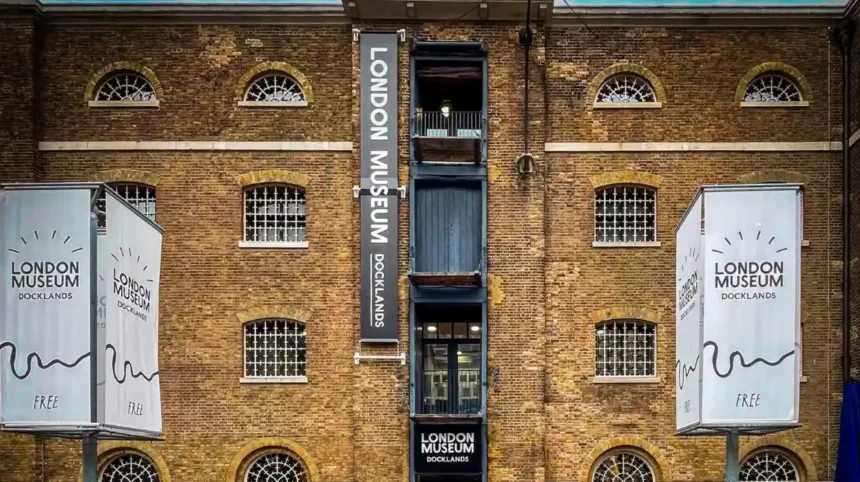
London Museum Docklands is one of the strongest starting points for understanding Tower Hamlets’ maritime past. Its historic warehouse, permanent galleries and river-focused collections explain the growth of London’s port, international commerce, migration and the transformation of the Docklands.
London Museum Docklands
London Museum Docklands stands at No. 1 Warehouse, West India Quay, in a former warehouse associated with the West India Docks. The Grade I-listed building connects the museum’s subject matter with the commercial architecture that supported London’s historic port.
The museum explores approximately 400 years of Docklands history through exhibitions covering trade, working life, migration, conflict and the changing relationship between London and the River Thames. Its galleries include material about the sugar trade and slavery, providing essential context for understanding the wealth generated by maritime commerce and its human consequences.
The museum’s permanent galleries are free to visit, and the institution also offers family activities, events and educational programmes. Visitors should check the official website for current exhibitions and access information before travelling.
West India Quay
West India Quay preserves the setting of the former commercial docks. Historic warehouse façades stand close to contemporary offices, restaurants and the high-rise buildings of Canary Wharf.
The area illustrates how industrial waterfront infrastructure has been adapted for public use and modern economic activity. Visitors can examine the relationship between the surviving warehouses, dock basins and surrounding development without travelling far from the museum.
This location is particularly useful for understanding the transition from a port-based economy to a service-based economy. It demonstrates how the same waterfront geography supports different industries across different periods.
Why does maritime history matter today?
London’s docks handled commodities, connected overseas markets and supported generations of dockworkers, merchants and local businesses. The history also involves colonial trade and the exploitation of enslaved people, making the maritime story inseparable from wider questions about wealth, labour and inequality.
Exploring the museum before walking around West India Quay gives visitors a stronger understanding of the surviving industrial landscape. It also provides context for the development of Canary Wharf, where the former docks now sit beside one of London’s most recognisable business districts.
Which Historic Landmarks Explain Tower Hamlets’ Medieval and Royal Past?
The Tower of London and Tower Bridge provide important historical context for the western edge of Tower Hamlets. The medieval fortress explains royal authority and London’s strategic development, while the Victorian bridge demonstrates how engineering supported transport and commerce.
Tower of London
The Tower of London began under William the Conqueror in the late eleventh century. Its White Tower formed part of a fortress intended to strengthen Norman control over London.
Over subsequent centuries, the complex served as a royal residence, defensive structure, prison, armoury and treasury. Today, it is internationally recognised for its Crown Jewels, historic buildings and ceremonial traditions.
The site helps explain the relationship between royal power, military security and the growth of the capital. Visitors can explore the fortress through exhibitions, guided tours and historic interiors. The attraction is ticketed, and its official visitor information provides current prices, opening times and accessibility guidance.
Tower Bridge
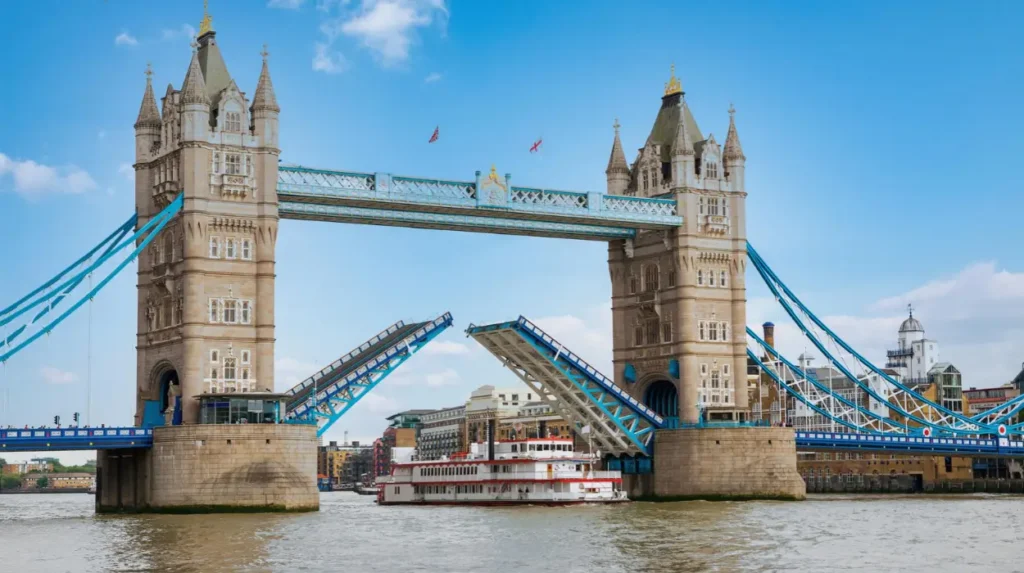
Tower Bridge opened in 1894 and became a defining feature of London’s riverfront. Its bascule mechanism allows the central roadway sections to rise for passing vessels, while the high-level walkways connect the two towers.
The bridge reflects the demands of a growing city in which river navigation and road transport needed to operate together. Its structure also illustrates Victorian engineering and the architectural ambitions associated with nineteenth-century London.
Visitors can appreciate the bridge from the riverside or purchase admission to explore its exhibition and historic engine rooms. The surrounding waterfront provides views of both historic structures and the modern skyline.
How should visitors connect these landmarks?
A walk between the Tower of London, Tower Bridge and nearby riverside viewpoints reveals how London’s historic centre expanded alongside the Thames. The route connects military architecture, transport infrastructure and commercial development.
Visitors should distinguish the landmarks’ historical roles. The Tower of London represents centuries of royal and state authority, while Tower Bridge reflects the practical demands of a growing industrial city. Together, they provide a useful introduction to the wider history of East London’s riverfront.
Where Can Visitors Understand the History of Migration in Tower Hamlets?
Brick Lane and Whitechapel provide some of the clearest evidence of Tower Hamlets’ changing communities. Their religious buildings, markets, food businesses and cultural institutions document successive waves of migration, including Huguenot, Jewish and Bangladeshi settlement.
Brick Lane and Banglatown
Brick Lane is a major destination for understanding the cultural history of the East End. Its streets reflect changing patterns of settlement, employment, religious life and independent commerce.
Huguenot refugees brought textile skills to the area from the late seventeenth century. Jewish communities later established businesses, religious institutions and social networks across the East End. Bangladeshi migration, particularly from the mid-twentieth century onwards, further shaped the neighbourhood’s identity.
Brick Lane’s restaurants, food shops, markets and community organisations reflect this continuing evolution. Banglatown, the name associated with the area’s Bangladeshi heritage, is particularly visible through its food culture and community identity.
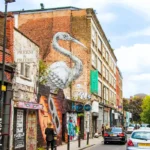
The neighbourhood also attracts visitors interested in street art, independent retail and contemporary urban culture. These features should be understood alongside the area’s residential and commercial history rather than as separate attractions.
Brick Lane Jamme Masjid
Brick Lane Jamme Masjid is an important example of how a building’s use changes as communities change. The building began as a French Protestant chapel associated with Huguenot settlement, later became a Methodist chapel, served as a synagogue and became a mosque in 1976.
This sequence documents successive religious communities within the same neighbourhood. It also demonstrates how historic buildings remain active parts of local life rather than surviving only as monuments.
Visitors should respect worshippers, observe access restrictions and avoid entering private or prayer areas without permission. The building’s exterior and documented history offer a meaningful introduction to the neighbourhood’s layered heritage.
Whitechapel Road and its markets
Whitechapel Road connects the area’s history of migration with everyday economic activity. Shops, market stalls, religious institutions and transport links contribute to a busy high street shaped by successive generations of residents.
Whitechapel is also associated with medical history, working-class politics and social reform. Its historic institutions provide a wider perspective on the challenges faced by communities living in a densely populated industrial district.
A walk through Whitechapel is most informative when visitors look beyond individual shopfronts. Street names, older buildings, market activity and the mix of businesses help explain how the East End has adapted to population change.
How can visitors explore the area’s history responsibly?
Visitors can support independent businesses, learn about local religious and cultural institutions, and use public heritage resources to understand the neighbourhood’s development. Food markets and cultural venues provide opportunities to experience contemporary community life.
The history of migration is not a single story. Each community brought distinct languages, traditions, occupations and institutions, while also interacting with the communities already living in the area. Brick Lane and Whitechapel make these overlapping histories visible within a relatively compact part of East London.
Which Museums Reveal the Everyday Lives of East End Residents?
Tower Hamlets’ smaller museums and archives reveal the lives of workers, families, children and local campaigners. The Ragged School Museum and Tower Hamlets Local History Library and Archives provide evidence about education, housing, employment and neighbourhood change.
The Ragged School Museum
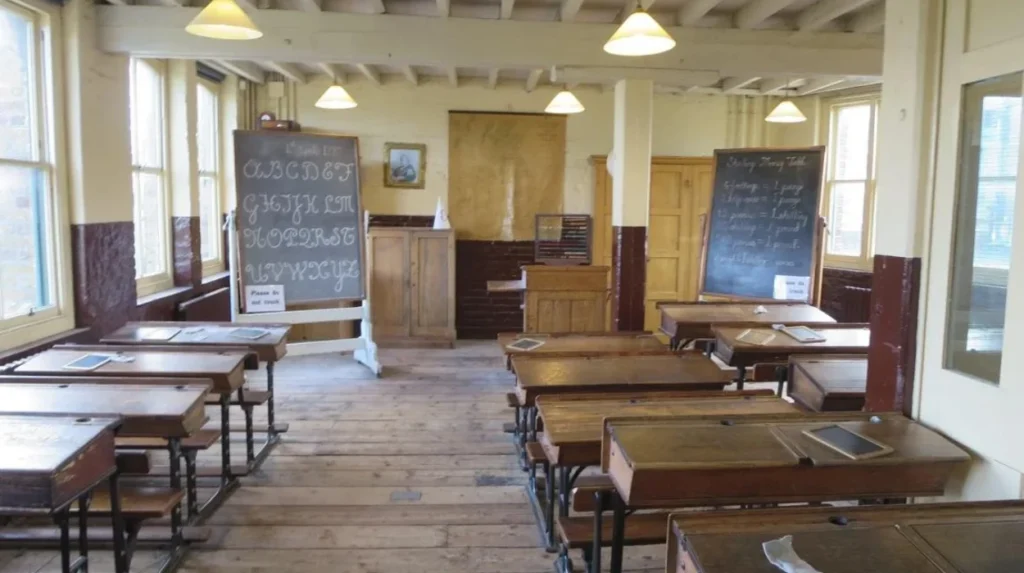
The Ragged School Museum occupies former school buildings beside the Regent’s Canal in Mile End. It interprets the history of free education for children from poor families in nineteenth-century London.
The museum’s setting links educational reform with the living conditions of working-class communities. Its collections and learning activities help visitors understand the barriers that poverty created for children and the role that charitable education played before the modern welfare state developed.
The museum also provides a connection between social history and the surrounding canal landscape. The canal supported transport and industry, while nearby communities experienced the pressures associated with rapid urban growth.
Visitors should check the museum’s official information before planning a visit because opening arrangements and activities vary.
Tower Hamlets Local History Library and Archives
The borough’s Local History Library and Archives preserves documentary evidence about streets, buildings, families and changing communities. The collection includes historic documents dating from 1384, as well as maps, plans, photographs and newspaper cuttings.
These resources are particularly useful for visitors who want to investigate a specific building or neighbourhood rather than follow a general sightseeing route. Historical maps can reveal changes in street layouts, industrial sites and land use, while photographs record how familiar places appeared in earlier periods.
The archive also supports family-history research and community heritage projects. Its collections help establish a connection between the borough’s major historical events and the everyday experiences of residents. Visitors should check access arrangements and research guidance before attending.
Why are local archives important?
Museums present selected objects and interpretations, while archives preserve original records that researchers use to investigate historical questions. Both are valuable, but they serve different purposes.
For example, a visitor researching a former market street can use an archive’s maps and photographs to examine its physical development. A museum visit can then provide context about the working conditions, industries or social changes that influenced the street.
This combination creates a more detailed understanding of Tower Hamlets than relying on famous landmarks alone.
Where Can Visitors See Tower Hamlets’ Industrial Heritage and Urban Regeneration?
Canary Wharf, the Isle of Dogs and Limehouse show how Tower Hamlets moved from a major dockland economy towards finance, technology, housing and cultural activity. These districts reveal the relationship between industrial decline, redevelopment, changing employment and modern urban planning.
Canary Wharf
Canary Wharf is one of London’s principal business districts. Its tall office buildings, public spaces, transport connections and waterfront setting contrast with the lower industrial buildings that once dominated much of the Docklands.
The closure and decline of London’s traditional docks contributed to major economic changes in the second half of the twentieth century. Redevelopment subsequently introduced new commercial buildings, housing, transport infrastructure and public spaces.
Canary Wharf demonstrates the scale of this transition. The area supports financial and professional services while also providing shops, restaurants, cultural events and riverside walking routes.
Visitors should explore the public spaces around the dock basins to observe how water, buildings and pedestrian routes shape the district. This setting provides a practical way to understand modern urban design and the changing economic role of East London.
Isle of Dogs
The Isle of Dogs is a peninsula surrounded by the River Thames and historic dock basins. Its development reflects the relationship between river geography, maritime employment, residential neighbourhoods and large-scale commercial construction.
The area contains modern high-rise buildings alongside older residential streets and surviving dockland features. This mixture illustrates how regeneration affects established communities as well as former industrial sites.
Visitors can compare the Canary Wharf skyline with residential areas and the remaining waterfront infrastructure. The contrast helps explain why regeneration involves more than constructing new offices: housing, public access, transport, community facilities and local economic opportunities also influence how a neighbourhood develops.
Limehouse Basin
Limehouse Basin connects the River Thames with the inland canal network. Its history reflects the importance of waterborne transport before road freight and modern logistics transformed urban distribution.
Today, the basin combines waterways, moorings, residential buildings and pedestrian routes. The setting provides an example of how former transport infrastructure has acquired new uses while retaining its geographical importance.
Walking around the basin allows visitors to compare historic water routes with modern residential development. It also creates a connection between the area’s industrial past and its current role as a place to live, work and spend leisure time.
What does regeneration mean for Tower Hamlets?
Regeneration refers to coordinated investment and planning intended to improve buildings, infrastructure, public spaces, housing and economic opportunities. Tower Hamlets Council identifies eight major areas for regeneration, including Canary Wharf, Whitechapel, Brick Lane and Banglatown, South Poplar and the Isle of Dogs.
The process affects the borough in several ways. New commercial buildings create workplaces, housing development changes residential capacity, and infrastructure projects influence how people travel between neighbourhoods.
However, regeneration also raises questions about affordability, heritage conservation and whether existing communities benefit from investment. Understanding these issues is essential when exploring modern Tower Hamlets because the borough’s future development remains closely connected to its historical patterns of trade, migration and inequality.
Which Markets and Cultural Districts Best Represent Tower Hamlets Today?
Brick Lane, Spitalfields, Columbia Road and Petticoat Lane demonstrate the continuing importance of markets and independent businesses in East London. Their stalls, shops, food outlets and surrounding streets connect historic trading traditions with contemporary shopping, tourism and community life.
Old Spitalfields Market
Old Spitalfields Market provides a setting for exploring the relationship between historic commerce and contemporary retail. The wider Spitalfields area has long been associated with trading, migration and changing patterns of employment.
The market environment combines independent traders, food businesses and retail activity. Its location also connects visitors with nearby streets shaped by the area’s commercial and residential past.
Spitalfields works well as part of a walking itinerary because it is close to other historic East London districts. Visitors can explore the market and then continue towards Brick Lane or Whitechapel to compare different forms of local commerce.
Columbia Road Flower Market
Columbia Road Flower Market is particularly associated with Sunday trading. Flower and plant stalls transform the street into a busy retail destination, while surrounding independent shops contribute to the area’s character.
The market offers insight into the role of specialist trading in contemporary East London. Its focus on flowers and plants differs from the food, clothing and general merchandise associated with other local markets.
Visitors should verify trading hours before travelling, especially on public holidays or during seasonal changes. Arriving early helps with browsing before the street becomes busier.
Petticoat Lane Market
Petticoat Lane is associated with East London’s long-standing street-trading tradition. Its market history reflects the importance of affordable goods, independent traders and busy commercial streets in the development of the East End.
The wider area around Petticoat Lane connects historic market activity with the financial and commercial districts closer to the City of London. This proximity highlights the range of economic activities that have developed within and around Tower Hamlets.
Visitors can use the market as a starting point for examining how independent retail continues to operate alongside offices, transport infrastructure and larger shopping destinations.
Why do markets matter to local identity?
Markets provide evidence of how people earn a living, exchange goods and maintain community connections. They also reflect changing consumer habits and the influence of tourism on local high streets.
The character of each market differs. Columbia Road focuses on flowers and plants, Spitalfields supports a broad mix of retail and food businesses, and Petticoat Lane retains a strong association with street trading.
Exploring these locations gives visitors a clearer understanding of Tower Hamlets as a living commercial district rather than simply a collection of historic attractions.
Where Can Visitors Explore Art, Architecture and Contemporary Culture in Tower Hamlets?
Whitechapel Gallery, Wilton’s Music Hall and Rich Mix demonstrate how Tower Hamlets connects historic buildings with contemporary artistic activity. These destinations provide opportunities to explore visual art, performance, independent cinema and cultural programming within the wider East End.
Whitechapel Gallery
Whitechapel Gallery is a major contemporary art institution in East London. Its exhibitions and public programmes introduce visitors to modern and contemporary art through changing displays and events.
The gallery provides a cultural counterpoint to the area’s markets, religious buildings and industrial heritage. It also illustrates how art institutions contribute to the cultural economy and bring visitors into established neighbourhoods.
Exhibition schedules change throughout the year, so visitors should consult the gallery’s official programme before planning a visit. Combining an exhibition with a walk through Whitechapel offers a broader understanding of how contemporary cultural activity fits within the area’s historic streetscape.
Wilton’s Music Hall
Wilton’s Music Hall is a historic performance venue in the East End. Its surviving architectural character connects the history of popular entertainment with the continuing use of older buildings for theatre, music and cultural events.
The venue offers a different perspective on local heritage because it interprets history through performance rather than museum displays alone. Attending a show also provides an opportunity to experience the building as an active cultural space.
Visitors should check the current programme, booking arrangements and access information before attending.
Rich Mix
Rich Mix is a contemporary arts and cultural centre in the Bethnal Green Road area. Its programme includes film, performance, exhibitions and community-focused events.
The venue reflects the cultural diversity of East London and the role of creative organisations in contemporary neighbourhood life. Its activities connect artists, residents and visitors through different forms of public programming.
For visitors interested in current cultural activity, Rich Mix complements historical sites by showing how the borough continues to develop new artistic platforms and audiences.
How does architecture reveal the area’s changing identity?
Tower Hamlets contains historic warehouses, religious buildings, Victorian public structures, traditional terraced streets and modern commercial towers. Each building type reflects different economic, social or planning priorities.
Industrial warehouses demonstrate the scale of former maritime trade. Religious buildings reveal the histories of local communities. Victorian institutions record nineteenth-century investment in public infrastructure, while Canary Wharf represents the economic transformation of former dockland.
Architecture becomes most informative when visitors consider a building’s original purpose, later uses and relationship with neighbouring streets. This approach connects the physical appearance of Tower Hamlets with the historical forces that shaped it.
How Can Visitors Trace Tower Hamlets’ History Through Its Streets and Neighbourhoods?
Walking routes through Whitechapel, Brick Lane, Limehouse and the Docklands help visitors connect historic buildings with modern streets. These neighbourhoods reveal how trade, transport, migration, housing and regeneration changed East London over time.
A neighbourhood walk allows visitors to observe details that are less apparent during individual museum visits. Brickwork, street layouts, former industrial buildings, religious architecture and market activity all provide clues about how an area developed.
Whitechapel is useful for exploring the relationship between markets, public institutions and community life. Brick Lane provides visible evidence of migration and changing religious identities. Limehouse illustrates the continuing influence of waterways, while the Docklands connects industrial history with modern business development.
For a historical walking itinerary, visitors should use official maps and heritage information to identify buildings of interest before setting out. The Tower Hamlets Local History Library and Archives can provide additional evidence through historic maps, photographs and documentary records.
A focused route also helps visitors understand the relationship between past and present. As you explore the modern Docklands, you are crossing land with a deep industrial and maritime heritage. Read the full [Tower Hamlets Historical Background and Heritage Guide] to understand the origins of the area’s docks, neighbourhoods and changing communities.
This is the article’s single recommended internal link to the related historical background page. It connects a practical visitor guide with a broader history article without duplicating the same search intent.
Which Green Spaces Help Visitors Understand Tower Hamlets’ Social History?
Victoria Park and Mile End Park provide a different perspective on Tower Hamlets by showing how open spaces support recreation, public health and community life. Their landscapes complement the borough’s historic streets, industrial sites and densely developed residential neighbourhoods.
Victoria Park
Victoria Park opened in 1845 and became an important public green space for residents of East London. Its development reflected nineteenth-century efforts to provide recreational landscapes in a rapidly growing urban area.
The park’s lawns, paths, water features and recreational facilities provide space for walking, exercise and community events. Its long-standing public role also connects the history of urban planning with modern concerns about access to outdoor space.
Visitors can explore the landscape as part of a broader itinerary through Bethnal Green and the surrounding neighbourhoods. The park offers a contrast to the busy streets and commercial districts elsewhere in Tower Hamlets.
Mile End Park
Mile End Park combines landscaped green space, walking routes and connections to the Regent’s Canal. Its location links recreation with the borough’s industrial and transport history.
The park provides opportunities for walking and cycling while offering access to nearby neighbourhoods and cultural destinations. Its layout demonstrates how public space can contribute to the quality of life in a densely populated urban borough.
Visitors interested in the area’s social history can combine a park visit with the Ragged School Museum and a walk beside the canal. This route links public recreation, education and industrial development within a manageable area.
Why should green spaces form part of a historical visit?
Public parks reveal how cities respond to population growth, changing leisure habits and the need for accessible outdoor environments. They also provide a perspective on urban life that differs from museums and architectural landmarks.
Including a park in a Tower Hamlets itinerary creates a more balanced understanding of the borough. Its history involves not only trade and buildings but also the everyday spaces where residents exercise, socialise and participate in community activities.
Explore More Area Guide
Tower Hamlets Riverside Heritage: Historic East London Guide
How Tower Hamlets Blends Historic East London With Modern Life
How Should Visitors Plan a Trip to Tower Hamlets’ Historic and Modern Attractions?
Visitors can explore Tower Hamlets most effectively by grouping attractions by neighbourhood and theme. Start with a museum or archive, continue through nearby historic streets, and finish at a market, cultural venue or riverside district to compare historical evidence with modern life.
Which places should visitors prioritise?
The best destinations depend on the visitor’s interests, available time and preferred activities.
- For maritime history: Visit London Museum Docklands and walk around West India Quay.
- For medieval and royal history: Explore the Tower of London and the surrounding historic riverside.
- For migration and community heritage: Walk through Brick Lane and Whitechapel, including the exterior of Brick Lane Jamme Masjid.
- For industrial history and regeneration: Compare Limehouse Basin, the Isle of Dogs and Canary Wharf.
- For local social history: Visit the Ragged School Museum and consult the Tower Hamlets Local History Library and Archives.
- For art and performance: Check the current programmes at Whitechapel Gallery, Wilton’s Music Hall and Rich Mix.
- For markets and outdoor recreation: Explore Spitalfields, Columbia Road Flower Market, Petticoat Lane, Victoria Park or Mile End Park.
These destinations offer different perspectives on the same borough. Combining two or three related places creates a more coherent visit than travelling between distant attractions without considering their historical connections.
What should visitors know about transport and opening times?
Tower Hamlets is served by the London Underground, Docklands Light Railway, Elizabeth line, buses and river transport. Canary Wharf, Whitechapel and other major stations provide access to different parts of the borough.
Visitors should check transport services, attraction opening times, ticket requirements and temporary closures before travelling. Markets operate on particular days, and historic venues follow different admission arrangements.
London Museum Docklands offers free permanent galleries, while attractions such as the Tower of London charge admission. Other museums, galleries and cultural venues have their own arrangements for exhibitions and events. Checking official visitor information helps avoid unnecessary travel and unexpected costs.
How can business travellers and remote workers explore the area?
Business travellers based near Canary Wharf can explore the former docks, waterfront public spaces and London Museum Docklands between work commitments. The area’s transport connections also make it practical to visit nearby historic neighbourhoods.
Remote workers seeking a change of environment can investigate cafés, libraries and public cultural venues, checking seating availability, Wi-Fi access and opening arrangements before relying on them for work. Visitors should distinguish between a public attraction and a dedicated workspace because access policies and facilities differ.
This approach connects the borough’s modern business economy with its historical identity. It also provides a way to explore Tower Hamlets beyond office buildings and conference venues.
Why Is Tower Hamlets Important for Understanding London’s Future?
Tower Hamlets demonstrates how London’s history continues to influence urban development, cultural identity and economic change. Its historic docks, migrant communities, markets, public parks and modern business districts show why heritage conservation and inclusive regeneration remain important to the borough’s future.
The borough’s historical significance extends beyond individual landmarks. Maritime trade helped establish its economic foundations, while successive migrant communities shaped its religious buildings, high streets, food culture and social institutions.
Industrial change subsequently transformed the waterfront, creating opportunities for new commercial districts and residential development. Canary Wharf is one of the most visible examples of this transition, while surviving warehouses, waterways and historic streets preserve evidence of earlier economic activity.
Tower Hamlets Council’s regeneration strategy identifies housing, employment, infrastructure, public spaces and local economic development as important priorities. Its conservation strategy also seeks to protect and enhance heritage while allowing the borough to develop. These objectives illustrate the need to balance investment with the preservation of historic character.
For visitors, the most valuable way to understand Tower Hamlets is to connect its landmarks with the people and industries that shaped them. A museum explains the evidence, a historic street reveals the built environment, a market shows continuing commercial activity, and a modern business district demonstrates how the landscape has changed.
Together, these places present Tower Hamlets as both a record of East London’s past and an active part of London’s present.
What are the best places to learn about Tower Hamlets’ history?
London Museum Docklands, the Tower of London, Brick Lane, the Ragged School Museum and Tower Hamlets Local History Library and Archives provide valuable insights into the area’s maritime trade, migration and social development.