Tower Hamlets demonstrates how East London connects its industrial past with contemporary urban living. The borough includes historic docklands, Victorian streets, traditional markets, modern skyscrapers, cultural landmarks and major business districts. Its identity reflects centuries of migration, maritime trade, manufacturing, financial growth and urban regeneration.
- What Makes Tower Hamlets an Important Part of East London?
- How Did Tower Hamlets Develop From Historic East London Into a Modern Borough?
- How Does Canary Wharf Represent Modern City Life in Tower Hamlets?
- Which Historic Neighbourhoods Preserve Tower Hamlets’ East London Identity?
- Spitalfields and its historic market
- Whitechapel and Brick Lane
- Bethnal Green and local community life
- Limehouse and the riverside
- How Does Tower Hamlets Combine Historic Architecture With Contemporary Buildings?
- How Have London’s Historic Docks Influenced Tower Hamlets’ Regeneration?
- How Does Migration Shape Tower Hamlets’ Culture and Everyday Life?
- Where Can Visitors Experience Tower Hamlets’ Historic and Modern Markets?
- How Does Tower Hamlets Support Business, Work and Modern Urban Living?
- How Can Visitors Explore Tower Hamlets’ Heritage and Contemporary Landmarks in One Day?
- How Does Public Transport Connect Historic Tower Hamlets With Modern London?
- Why Are Green Spaces Important to Tower Hamlets’ Urban Heritage?
- What Challenges Does Tower Hamlets Face as It Balances Heritage With Regeneration?
- What Can Tower Hamlets Teach Visitors About London’s Future?
For visitors, Tower Hamlets offers a way to understand London’s transformation from a historic trading port into an international centre for business, culture and residential life. Areas such as Whitechapel, Spitalfields, Limehouse, Poplar, Bethnal Green and Canary Wharf each reveal a different part of this development.
The borough sits immediately east of the City of London, beside the River Thames. Its location connects historic riverside communities with the modern financial district, residential neighbourhoods and transport networks serving the wider capital.
What Makes Tower Hamlets an Important Part of East London?
Tower Hamlets is an inner London borough that connects East London’s maritime heritage, historic neighbourhoods, cultural communities and modern business districts. Its position beside the River Thames and near the City of London shaped its growth as a centre for trade, migration, industry and contemporary urban development.
The London Borough of Tower Hamlets was established in 1965 through the merger of the former metropolitan boroughs of Bethnal Green, Poplar and Stepney. It occupies a strategically important part of East London, extending from areas near the City of London towards the Isle of Dogs and the River Thames.
The borough’s geography explains much of its character. Historic settlements developed around churches, markets, roads, docks and riverside industries. Later, railway connections and large-scale redevelopment changed the relationship between residential districts and employment centres.
Tower Hamlets now contains established residential streets alongside high-density commercial developments. Brick terraces, historic public buildings and converted warehouses exist alongside glass office towers and modern apartment blocks.
This mixture is particularly visible around Canary Wharf, where a former dockland landscape became a major international business district. In contrast, areas such as Spitalfields and Whitechapel retain strong connections with historic markets, migrant communities and traditional commercial streets.
How Did Tower Hamlets Develop From Historic East London Into a Modern Borough?
Tower Hamlets developed through maritime trade, dock construction, manufacturing, immigration and twentieth-century economic change. The River Thames supported shipping and commerce, while later industrial decline created opportunities for regeneration, including the redevelopment of former docklands into offices, housing, retail spaces and public areas.
The area’s development began long before the establishment of the modern borough. Settlements east of the historic City of London grew through their connections with river transport, religious institutions, agricultural land and commercial routes.
During the medieval and early modern periods, riverside communities supported London’s expanding economy. By the eighteenth and nineteenth centuries, population growth and international trade transformed the area into a major centre for shipping, warehousing and manufacturing.
The construction and expansion of London’s docks increased demand for labour. Workers settled near employment opportunities, creating densely populated neighbourhoods with strong local identities. Industries included ship-related trades, food processing, textiles and other manufacturing activities.
The nineteenth century also brought major demographic changes. Jewish migrants from Eastern Europe established communities around Spitalfields and Whitechapel, while Bengali and other South Asian communities later shaped the borough’s commercial and cultural life.
The twentieth century brought significant disruption. Changes in shipping technology, containerisation and port operations reduced the commercial importance of London’s traditional enclosed docks. Many facilities closed, leaving large areas of former industrial land available for redevelopment.
The regeneration of the Docklands from the 1980s onwards changed the local economy. Office developments, housing, transport infrastructure and new public spaces attracted businesses and residents. Canary Wharf became the most recognisable example of this transformation.
To understand how these changes connect with earlier communities, explore the [history of Tower Hamlets and its historic East London neighbourhoods] before examining the modern borough.
How Does Canary Wharf Represent Modern City Life in Tower Hamlets?
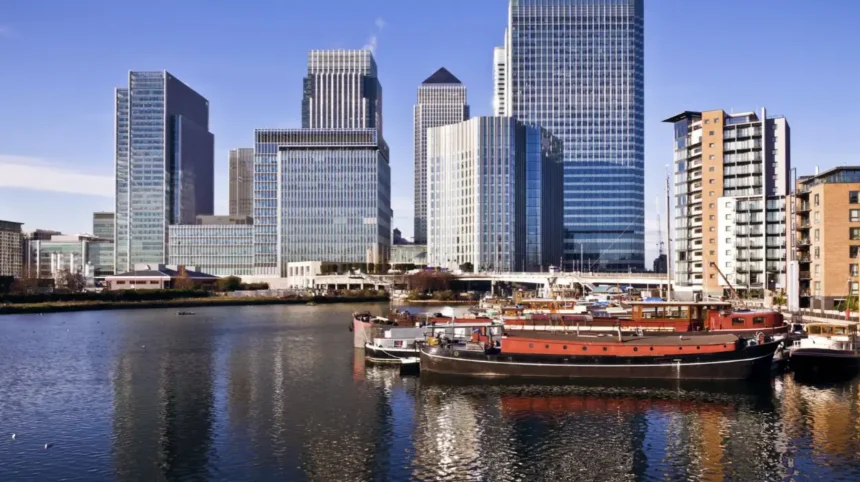
Canary Wharf represents Tower Hamlets’ transformation from a working dockland into a major financial and commercial centre. Its office towers, transport connections, shops, restaurants, residential developments and waterside public spaces demonstrate how former industrial land now supports business, leisure and urban living.
Canary Wharf occupies the Isle of Dogs, an area historically associated with the West India Docks. These docks opened in 1802 and supported the movement of goods through London’s expanding maritime economy.
Their decline followed major changes in global shipping. The redevelopment of the docklands introduced a different economic purpose, replacing many traditional port functions with office buildings, financial services and commercial infrastructure.
Today, Canary Wharf is associated with banking, professional services, technology, retail and hospitality. Its skyline provides a clear contrast with the lower-rise buildings found in neighbouring historic districts.
The area also functions as a public destination beyond working hours. Shopping centres, restaurants, cafés, landscaped spaces and waterside walkways attract office workers, residents and visitors.
Modern architecture is central to its identity. Large office towers accommodate corporate workplaces, while residential buildings increase the number of people living close to employment and transport. The surrounding docks create open spaces within a dense urban environment.
Canary Wharf illustrates a wider urban development process: former industrial land becomes economically productive through new infrastructure, private investment, public-realm improvements and changes in land use.
However, the transformation also raises questions about housing affordability, public access, employment opportunities and the relationship between new developments and established communities.
Which Historic Neighbourhoods Preserve Tower Hamlets’ East London Identity?
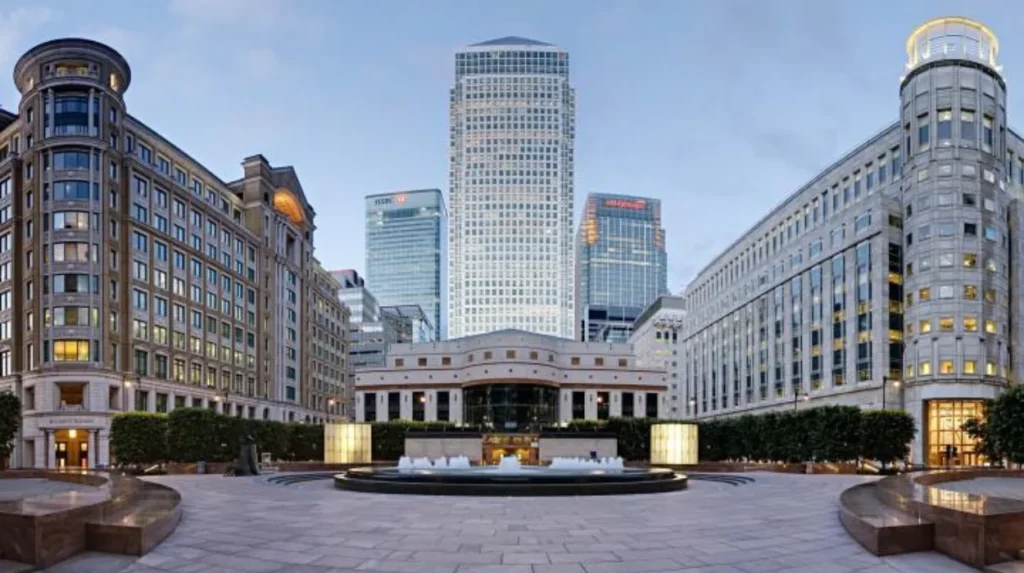
Tower Hamlets preserves its historic identity through neighbourhoods such as Whitechapel, Spitalfields, Bethnal Green and Limehouse. Their markets, religious buildings, residential streets, former industrial premises and independent businesses reveal how trade, migration, manufacturing and community life shaped East London over several centuries.
Spitalfields and its historic market
Spitalfields developed around a historic settlement east of the City of London. Its commercial identity grew through markets, textile production and migration.
Old Spitalfields Market remains an important destination for shopping, food and independent traders. The surrounding streets combine historic architecture with restaurants, galleries and contemporary retail businesses.
The area also reflects the influence of successive migrant communities. Huguenot refugees arrived from France during the late seventeenth century, bringing skills associated with silk weaving and textile production. Later communities contributed to the area’s changing social and commercial character.
Whitechapel and Brick Lane
Whitechapel is closely associated with migration, healthcare, religious institutions, street markets and East London’s working-class history. Its streets document the development of a neighbourhood shaped by successive communities.
Brick Lane is particularly recognised for its connections with Bangladeshi migration, restaurants, food businesses, independent shops and creative industries. The surrounding area also retains evidence of earlier Jewish and other migrant communities.
Whitechapel’s historic and modern roles overlap. Traditional businesses operate alongside new housing, transport infrastructure, educational facilities and commercial premises.
Bethnal Green and local community life
Bethnal Green retains residential streets, historic churches, local shops and public institutions that reflect East London’s urban expansion. Its history includes textile production, manufacturing, overcrowded housing and community-led change.
The Young V&A, formerly the Museum of Childhood, provides a cultural destination focused on childhood, creativity and design. The surrounding neighbourhood also offers access to parks, cafés and local shopping streets.
Limehouse and the riverside
Limehouse developed through its proximity to the Thames and London’s maritime economy. Historic buildings, riverside routes and surviving dock infrastructure reveal its relationship with shipping and trade.
Today, Limehouse combines residential development with waterside leisure, transport connections and historic landmarks. Its built environment shows how former commercial districts have adapted to new residential and recreational uses.
How Does Tower Hamlets Combine Historic Architecture With Contemporary Buildings?
Tower Hamlets combines historic churches, Victorian terraces, former warehouses and traditional market buildings with modern offices, apartments and cultural facilities. These architectural layers reflect changing economic conditions, construction methods, planning priorities and the continuing adaptation of East London’s historic urban landscape.
Historic architecture provides evidence of how people lived and worked before the rise of modern commercial development. Brick terraces reflect periods of population growth and working-class housing construction, while churches and civic buildings document religious and community institutions.
Christ Church Spitalfields is a major example of eighteenth-century architecture. Designed by Nicholas Hawksmoor, the church was completed in the early eighteenth century and remains a prominent landmark near Spitalfields Market.
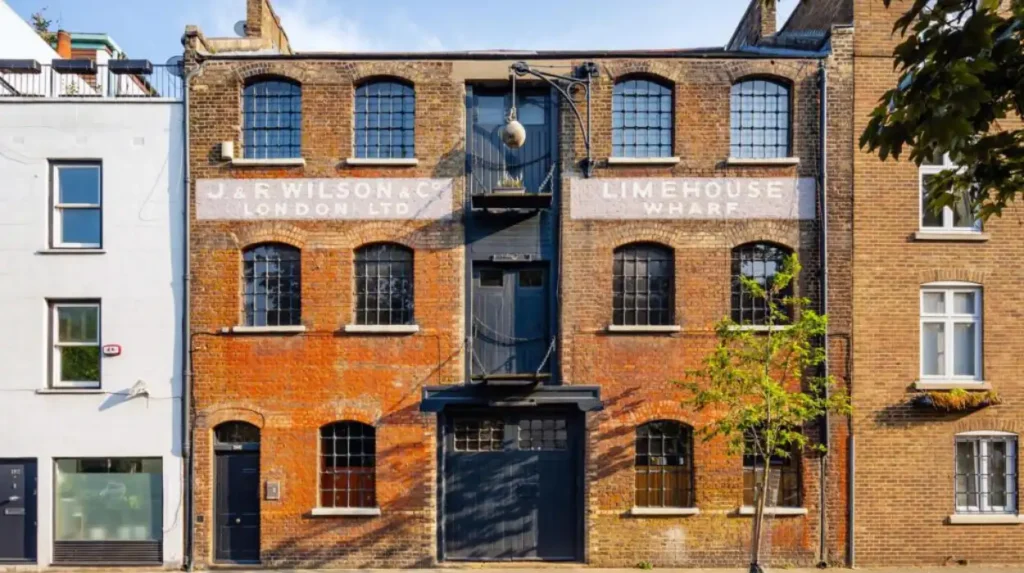
Former warehouses and industrial buildings also contribute to the borough’s identity. Their original functions were connected with storage, manufacturing and transport. Adaptation for housing, offices, restaurants and cultural uses demonstrates how historic structures remain relevant within a changing city.
Contemporary buildings serve different requirements. Modern office towers accommodate large businesses, while residential developments provide homes close to transport and employment. New buildings also incorporate lifts, modern utilities, energy systems and accessibility features.
The architectural contrast is particularly striking around the Isle of Dogs. Tall commercial buildings dominate parts of Canary Wharf, while nearby streets retain lower-rise housing and traces of the area’s dockland history.
Planning and conservation help manage this contrast. Listed-building protection and conservation areas safeguard structures or neighbourhoods with recognised historic and architectural importance. These controls influence alterations, redevelopment and the treatment of historic streetscapes.
The result is a built environment where heritage conservation and new construction operate alongside each other rather than in separate parts of the borough.
How Have London’s Historic Docks Influenced Tower Hamlets’ Regeneration?
The historic docks shaped Tower Hamlets by attracting shipping businesses, warehouses and large working populations. Their decline during the twentieth century created extensive redevelopment opportunities, leading to new offices, housing, transport connections and leisure destinations, particularly across Canary Wharf and the Isle of Dogs.
The West India Docks, London Docks and other dock facilities supported international trade for generations. They handled imported goods and connected London’s economy with overseas markets.
Dock work influenced housing, transport, local shops and social institutions. Large numbers of workers needed accommodation within practical travelling distance of employment. Public houses, markets, places of worship and community organisations developed around these working populations.
Containerisation changed the shipping industry during the twentieth century. Modern container ports required larger vessels, specialised equipment and different handling arrangements. London’s enclosed docks struggled to compete with newer facilities, contributing to their closure.
The loss of dock employment affected local communities. Former industrial land also presented a major challenge for urban planning because it required new uses, investment and infrastructure.
Regeneration schemes introduced commercial buildings, residential developments and transport improvements. Canary Wharf became a major employment centre, while other parts of the Isle of Dogs experienced substantial housing development.
This transition changed the borough’s economic profile, but it did not remove the importance of its industrial past. Surviving dock basins, historic buildings, riverside paths and local museums provide ways to understand the landscape before redevelopment.
Visitors examining the docks can therefore see both the physical remains of maritime trade and the infrastructure of a modern international business district.
How Does Migration Shape Tower Hamlets’ Culture and Everyday Life?
Migration has shaped Tower Hamlets through successive communities that established businesses, places of worship, cultural organisations and local traditions. Huguenot, Jewish and Bangladeshi communities have all influenced the borough’s architecture, food, languages, religious life and commercial streets.
The borough’s cultural identity developed through migration connected with work, trade, religious freedom and family networks. Each generation contributed to the changing character of its neighbourhoods.
Spitalfields became associated with Huguenot silk weavers during the late seventeenth century. Their influence remains visible in historic houses and streets associated with textile production. Later Jewish communities established businesses, religious institutions and social organisations across parts of the East End.
Bangladeshi migration became particularly significant during the twentieth century. Brick Lane and the surrounding streets developed strong connections with Bangladeshi restaurants, shops, community organisations and mosques.
The history of Brick Lane Jamme Masjid illustrates these changes. The building originated as a French Protestant church in the eighteenth century, later became a synagogue and subsequently became a mosque. Its changing religious uses reflect the arrival and settlement of different communities in the same urban area.
Contemporary Tower Hamlets also includes international professionals, students, entrepreneurs and families from a wide range of backgrounds. Canary Wharf attracts workers in finance and other business sectors, while traditional neighbourhoods continue to support local traders and community services.
For visitors, migration history is visible through food, architecture, religious buildings, street markets and local cultural events. Understanding these connections helps explain why Tower Hamlets cannot be defined by either its industrial past or its modern skyline alone.
Where Can Visitors Experience Tower Hamlets’ Historic and Modern Markets?
Visitors experience Tower Hamlets’ commercial history through established markets and contemporary shopping destinations. Old Spitalfields Market, Brick Lane Market, Columbia Road Flower Market and Canary Wharf’s retail areas offer different examples of how traditional trading, independent businesses, food culture and modern commerce operate across the borough.
Markets are central to East London’s historical identity. They connected surrounding communities with food, clothing, household goods and specialist products. Their commercial functions continue, although the types of goods and the customers they attract have changed.
Old Spitalfields Market
Old Spitalfields Market combines a historic market setting with contemporary retail, food and independent trading. Its location near the City of London supports a mixture of local shoppers, office workers and tourists.
The market provides a practical starting point for exploring Spitalfields’ architectural heritage. Nearby streets contain historic buildings, independent shops and restaurants, creating a direct connection between past commercial activity and present-day urban life.
Brick Lane Market
Brick Lane is associated with street markets, vintage clothing, independent retailers and South Asian food businesses. Its surrounding streets also contain former brewery buildings and religious landmarks that reflect the area’s industrial and migration history.
The market atmosphere changes according to the day and individual business opening hours. Visitors should check current arrangements before planning a specific stall or shop visit.
Columbia Road Flower Market
Columbia Road Flower Market is known for flower and plant trading. It attracts residents, gardeners, independent retailers and visitors interested in horticulture.
The market provides a different view of East London’s commercial culture, with flower sellers and small shops occupying a historic street setting. Visitors should check the current Sunday trading schedule before travelling.
Canary Wharf shopping and retail
Canary Wharf’s shopping facilities reflect the borough’s modern business economy. Retail spaces, cafés, restaurants and service businesses cater to office workers, residents and visitors.
The contrast with traditional street markets is significant. Historic markets grew around local trading needs, while Canary Wharf’s commercial environment operates alongside a large concentration of offices, transport connections and contemporary residential buildings.
How Does Tower Hamlets Support Business, Work and Modern Urban Living?
Tower Hamlets supports modern urban life through financial services, technology businesses, retail, hospitality, public services and residential development. Canary Wharf provides a major employment centre, while neighbourhoods such as Whitechapel, Bethnal Green and Spitalfields connect workplaces with local shops, homes, cultural facilities and public transport.
Canary Wharf is the borough’s most recognisable business district. Its concentration of office buildings accommodates financial institutions, professional services and other large employers. The surrounding commercial infrastructure includes restaurants, shops, conference facilities and transport connections.
Whitechapel has a different employment profile. Its streets support independent retailers, restaurants, healthcare-related activity, education and community services. Its transport connections also make it an important location for people travelling between East London and other parts of the capital.
Spitalfields combines commercial offices with independent shops, restaurants, creative businesses and historic premises adapted for new uses. This mix creates a working environment that differs from the large office complexes around Canary Wharf.
Modern urban living also depends on housing, education, healthcare, leisure facilities and access to green space. Tower Hamlets contains traditional residential streets, housing estates, new apartment developments and mixed-use buildings that place homes near shops and employment.
This concentration of homes and workplaces supports walking and public transport for many journeys. However, the benefits are not distributed equally. Housing costs, pressure on local services, redevelopment and changes in retail rents affect residents and small businesses differently.
The borough’s future therefore depends on balancing employment growth with affordable housing, accessible public spaces, community facilities and the protection of local heritage.
How Can Visitors Explore Tower Hamlets’ Heritage and Contemporary Landmarks in One Day?
Visitors can explore Tower Hamlets through a route connecting Spitalfields, Brick Lane, Whitechapel and Canary Wharf. This combination covers historic architecture, markets, migration heritage, contemporary business buildings and dockside public spaces without treating the borough as a single uniform neighbourhood.
A practical itinerary starts in Spitalfields, where visitors can explore the market, historic streets and Christ Church Spitalfields. These locations introduce the area’s connections with textile production, religious history and commercial growth.
Continue towards Brick Lane to examine its food businesses, street markets and cultural landmarks. The route provides opportunities to observe how migrant communities have influenced the area’s commercial and religious identity.
Whitechapel offers additional historic streets and cultural institutions. Visitors interested in the borough’s wider past can consult local heritage information and archive resources to identify buildings connected with particular communities or historical events.
In the afternoon, travel towards Canary Wharf and the Isle of Dogs. The change in architecture illustrates the transition from traditional dockland industry to a modern financial district. Waterside walks and public spaces provide opportunities to examine the docks and surrounding towers from different viewpoints.
A museum visit adds historical context to this route. The Museum of London Docklands, located at West India Quay, explores London’s history as a port and the development of the surrounding docklands. Check the museum’s current opening arrangements before visiting.
Visitors should allow time for travel between neighbourhoods. Walking works well for nearby sites in Spitalfields and Brick Lane, while the journey to Canary Wharf is easier by public transport.
The route is also suitable for travellers with limited time in London because it connects several distinct aspects of East London’s identity.
How Does Public Transport Connect Historic Tower Hamlets With Modern London?
Tower Hamlets is connected to the wider capital by the London Underground, Docklands Light Railway, Elizabeth line, buses and local rail services. These transport networks link historic neighbourhoods with Canary Wharf, the City of London, Stratford and other employment, shopping and cultural destinations.
Transport infrastructure has repeatedly reshaped the borough. Earlier roads, waterways and docks supported trade and local employment. Railways subsequently expanded access to central London and other parts of the metropolitan area.
Today, the Docklands Light Railway serves important destinations across the Isle of Dogs and former docklands. It connects Canary Wharf with locations including Bank, Stratford and London City Airport through its wider network.
The Elizabeth line provides connections through Whitechapel and Canary Wharf, improving access to central London and destinations further east and west. London Underground services and buses provide additional connections across the borough.
These transport options support commuting, tourism and everyday journeys. Visitors can combine historic walking routes with rail travel to reach destinations that are separated by larger commercial or residential districts.
Transport also influences urban development. Improved connections make business districts and residential developments more accessible, supporting investment and increasing demand for land near stations.
Before travelling, check Transport for London’s live service updates, accessibility information and fare guidance. Service disruptions, planned engineering work and station access arrangements affect individual journeys.
Why Are Green Spaces Important to Tower Hamlets’ Urban Heritage?
Green spaces provide recreation, ecological value and public gathering places within Tower Hamlets’ densely developed urban environment. Victoria Park, Mile End Park and smaller gardens offer residents and visitors access to outdoor activities while illustrating the importance of public space in East London’s urban development.
Victoria Park opened in 1845 following concern about poor living conditions, overcrowding and limited access to open space in the East End. Its establishment reflected growing recognition that public parks were important for urban health and recreation.
The park remains a significant destination for walking, cycling, exercise and informal leisure. Its open lawns, waterways and landscaped areas provide a contrast with nearby streets and commercial buildings.
Mile End Park offers another example of green infrastructure integrated into a densely built urban area. Its paths and recreational spaces support everyday outdoor activity and connect different parts of East London.
Smaller gardens and landscaped public areas also contribute to the borough’s urban environment. Around Canary Wharf, waterside spaces and planted areas create places for walking and sitting within a major business district.
These spaces have practical importance as well as recreational value. Urban vegetation supports local wildlife, provides shade and contributes to the management of rainwater. Public parks also provide opportunities for community activities and informal social interaction.
For visitors, green spaces help explain another dimension of Tower Hamlets’ development: the borough’s identity depends on residential life and public amenities as well as heritage buildings and economic growth.
Explore More Area Guide
Tower Hamlets Guide to East London’s Changing Landscape
Best Places to Watch Tower Hamlets Change | East London
What Challenges Does Tower Hamlets Face as It Balances Heritage With Regeneration?
Tower Hamlets faces the challenge of accommodating new housing, commercial investment and population growth while protecting historic buildings, established communities and local businesses. Conservation, planning decisions, affordable housing provision and public-space improvements influence how regeneration affects the borough’s long-term identity.
Urban regeneration changes the physical and economic structure of neighbourhoods. New developments provide housing, employment space and modern facilities, but they also place pressure on existing streets, infrastructure and heritage assets.
Tower Hamlets has an extensive historic environment. The council’s planning documents identify numerous conservation areas and listed buildings, including internationally recognised landmarks and smaller structures that contribute to local character.
Conservation areas are designated places where the character or appearance of the wider environment receives special consideration. Listed buildings are structures recognised for their architectural or historic significance. Both designations influence how development proposals are assessed, although the specific requirements depend on the designation and proposed works.
Housing represents another important issue. High-density residential development places homes closer to workplaces and transport links, but housing affordability remains central to the experience of residents and people moving into the borough.
Commercial redevelopment also affects independent businesses. Rising rents and changing customer patterns influence whether traditional retailers remain in historic shopping streets. Maintaining a mixture of local businesses and new commercial uses helps preserve the everyday character of established neighbourhoods.
Transport capacity, schools, healthcare, public spaces and environmental quality also require attention as development continues.
The central planning challenge is to accommodate change without removing the features that make Tower Hamlets historically distinctive. Adaptive reuse, which involves giving existing buildings new functions, offers one approach to retaining historic structures while supporting contemporary economic and social needs.
What Can Tower Hamlets Teach Visitors About London’s Future?
Tower Hamlets demonstrates how historic industrial districts adapt to changing economies through regeneration, transport investment, cultural continuity and new construction. Its combination of former docks, historic markets, migrant communities, public parks and modern commercial buildings offers practical insight into London’s ongoing urban transformation.
The borough provides a clear example of how different periods of urban development remain connected. The River Thames supported maritime trade, the docks attracted workers and businesses, and industrial decline created opportunities for new economic activities.
Canary Wharf demonstrates the scale of change possible when former industrial land becomes a major employment district. Spitalfields and Brick Lane show how historic streets and migrant communities continue to influence commercial activity and cultural identity.
Public parks illustrate the importance of accessible outdoor space in densely populated neighbourhoods. Transport networks show how infrastructure connects residential areas with jobs, education, shopping and leisure.
These elements also reveal the complexity of urban regeneration. Economic investment does not automatically resolve housing affordability, protect independent businesses or preserve community identity. Planning decisions must address these issues alongside commercial growth.
For visitors, Tower Hamlets offers more than a contrast between old buildings and modern skyscrapers. It provides a way to understand the relationship between trade, migration, architecture, public infrastructure and everyday urban life.
Exploring its historic neighbourhoods and contemporary business districts reveals how East London continues to change while retaining visible connections to its past.
What is Tower Hamlets famous for?
Tower Hamlets is famous for its historic East End neighbourhoods, traditional markets, diverse communities, former docklands and modern Canary Wharf business district. It combines maritime heritage, historic architecture, cultural attractions and contemporary urban development.