Tower Hamlets is an East London borough where historic landmarks, former docks, markets, museums, galleries, parks and modern business districts sit within a compact part of the capital. The borough stretches from the River Thames around Tower Hill and the Isle of Dogs towards Bethnal Green, Bow, Mile End, Poplar and Whitechapel.
- What makes Tower Hamlets an important place to visit in East London?
- Which historic landmarks should tourists discover in Tower Hamlets?
- Where can visitors explore London’s historic docklands?
- Which Tower Hamlets markets are best for visitors?
- Where can tourists experience contemporary art and culture in Tower Hamlets?
- Which parks and green spaces should tourists visit in Tower Hamlets?
- Where can visitors find the best riverside experiences in Tower Hamlets?
- Which neighbourhoods should tourists explore across Tower Hamlets?
- Where can tourists find family-friendly activities in Tower Hamlets?
- How can visitors plan a one-day Tower Hamlets itinerary?
- Is Tower Hamlets suitable for a budget-friendly London getaway?
- What is the best way to explore Tower Hamlets on foot?
- Why should Tower Hamlets be included in a London holiday itinerary?
Its visitor appeal comes from this combination of historic and contemporary places. The borough contains the Tower of London, Tower Bridge, Canary Wharf, Victoria Park, Brick Lane, Columbia Road Flower Market, London Museum Docklands and Whitechapel Gallery. Tower Hamlets Council describes the area as the heart of London’s East End, with evidence of human activity extending back thousands of years.
For a London getaway, Tower Hamlets works particularly well for visitors who want to combine major landmarks with neighbourhood exploration. A single day can include royal history, riverside walks, international food, contemporary art, shopping and green space without travelling across the whole capital.
What makes Tower Hamlets an important place to visit in East London?
Tower Hamlets combines major London landmarks, historic East End neighbourhoods, cultural institutions, markets, parks and Docklands architecture in one borough. Its visitor attractions range from the Tower of London and Tower Bridge to Brick Lane, Victoria Park and Canary Wharf.
Tower Hamlets occupies an important position between central London and the wider East End. The River Thames forms its southern boundary, while the borough connects historically significant districts such as Whitechapel, Spitalfields, Stepney, Bethnal Green, Bow, Poplar and the Isle of Dogs.
The borough’s identity has developed through several distinct periods. Roman activity, medieval settlement, maritime trade, industrial expansion, migration and post-war regeneration all contributed to its present character.
The modern landscape reflects this layered history. Historic churches, warehouses and market streets stand alongside glass office towers, residential developments and transport infrastructure.
The borough also has a strong relationship with London’s river and docks. The West India Docks, Limehouse Basin and Canary Wharf demonstrate the transformation of former commercial docklands into a major financial and residential district.
Visitors therefore encounter several types of London experience within a relatively concentrated area. These include heritage tourism, museum visits, shopping, food tourism, contemporary art, outdoor recreation and architecture.
Which historic landmarks should tourists discover in Tower Hamlets?
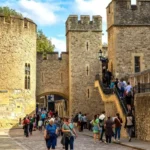
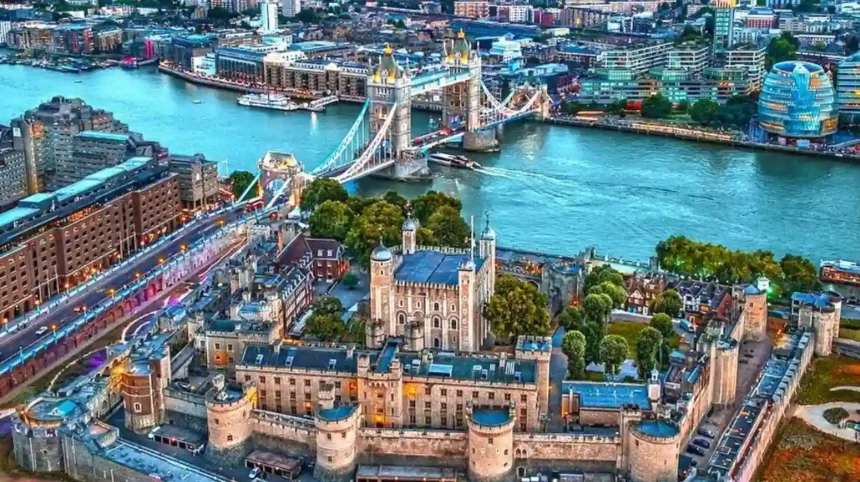
The Tower of London and Tower Bridge are the defining historic landmarks for visitors, combining royal history, medieval architecture, Victorian engineering and River Thames views. Both provide substantial visitor experiences and connect directly with London’s development as a major international city.
The Tower of London is one of the borough’s most significant historic attractions. The fortress has a history spanning almost 1,000 years and was established by William the Conqueror as part of his London fortress. It later served as a royal palace, prison, armoury and other institutional uses.
Today, the Tower is strongly associated with the Crown Jewels and the Yeoman Warders. The site also contains medieval buildings, defensive structures and historic spaces that explain the development of the English monarchy and state.
Historic Royal Palaces states that the Tower now receives more than three million visitors annually, making it one of London’s most significant paid heritage attractions.
Nearby, Tower Bridge provides a different form of historic experience. The bridge opened officially on 30 June 1894 and was constructed to maintain river access while improving road connections across the Thames.
The Tower Bridge visitor experience includes the North and South Towers, High-Level Walkways, Glass Floors and Victorian Engine Rooms. The walkways provide elevated views over the Thames and surrounding London.
Tower Bridge also demonstrates the importance of engineering to London’s economic development. Its bascules were designed to lift so vessels could reach the Pool of London.
As you explore these modern visitor sites, you are crossing land shaped by centuries of political, maritime and social change. Read about the full [Tower Hamlets historical background and East End heritage] to understand its origins.
Where can visitors explore London’s historic docklands?
London Museum Docklands, West India Quay, Limehouse Basin and Canary Wharf provide the clearest introduction to Tower Hamlets’ maritime past and modern regeneration. Together, they show how working docks developed into museums, public spaces, offices, shops and residential neighbourhoods.
London Museum Docklands is housed in a historic Grade I-listed warehouse at West India Quay. The museum explains the history of London’s river, port and people, including the development of the docks and their role in trade and cultural exchange.
Its permanent galleries are free, making it particularly useful for visitors building an affordable London itinerary. The museum also includes family-focused spaces and material covering London’s maritime and commercial history.
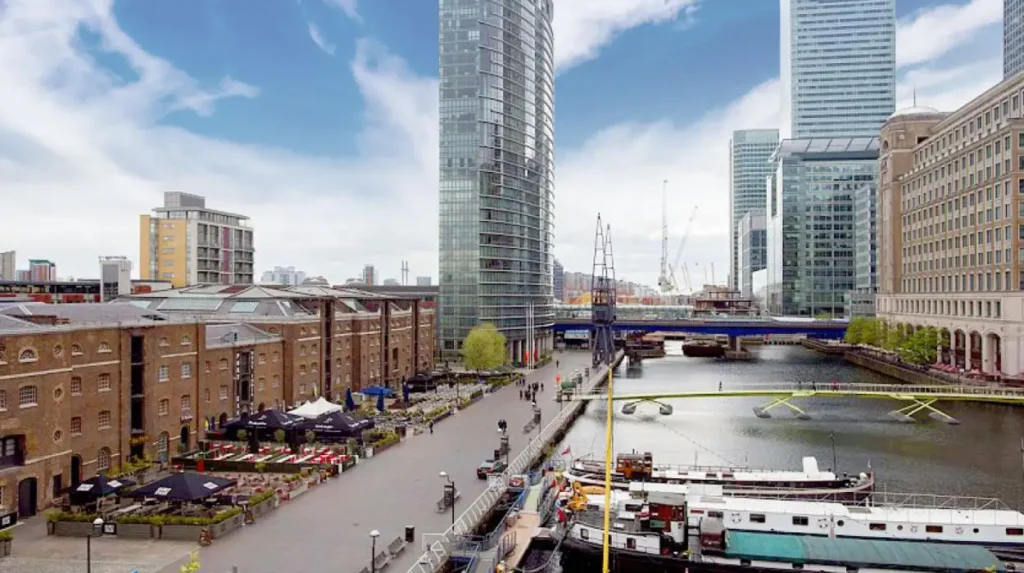
West India Quay provides a useful starting point for exploring Canary Wharf. The area contains restaurants, shops, public spaces, waterways and high-rise offices.
Canary Wharf represents the modern transformation of Docklands. The district became a major financial centre after the redevelopment of former dock areas from the late twentieth century.
Visitors can walk around the docks, view contemporary architecture and continue towards South Dock, West India Quay or the River Thames.
Limehouse Basin offers another connection between the historic canal and dock system. The basin links waterways associated with London’s historic transport network and provides a quieter riverside environment than the major landmark areas.
Which Tower Hamlets markets are best for visitors?
Tower Hamlets has a distinctive collection of markets covering food, fashion, flowers, vintage goods, household products and local shopping. Brick Lane, Columbia Road, Petticoat Lane, Roman Road and Chrisp Street each provide a different East London market experience.
Tower Hamlets Council identifies ten street markets across the borough, including Brick Lane, Bethnal Green Road, Chrisp Street, Columbia Road, Petticoat Lane, Roman Road, Roman Road Square, Sclater Street, Watney Market and Whitechapel Market.
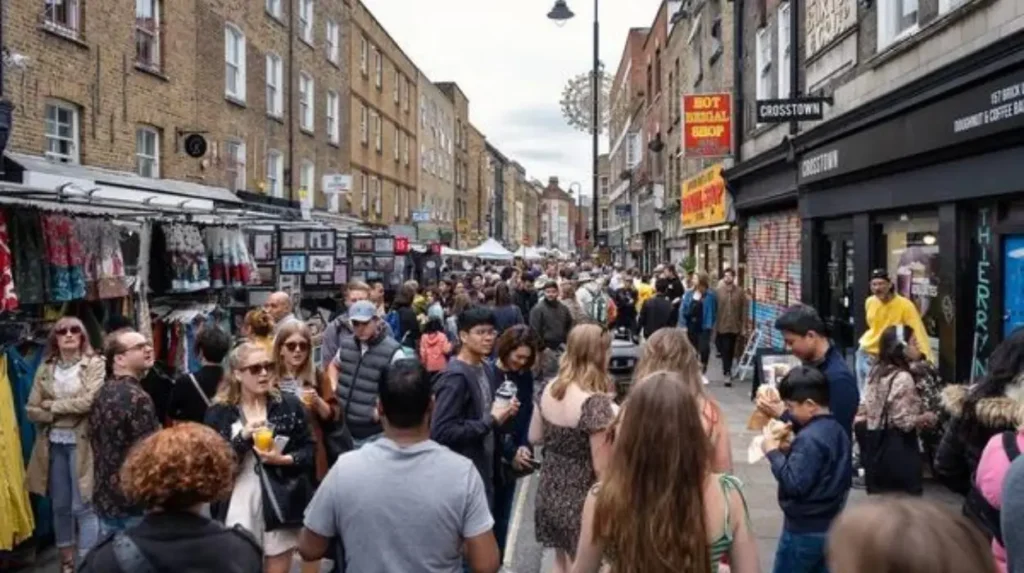
Brick Lane is particularly important for visitors interested in East London’s food, fashion and cultural history. The council records the market’s establishment in 1888 and describes its links with the area’s French Huguenot, Jewish and Bangladeshi communities.
The street combines food stalls, vintage clothing, art, independent businesses and market trading. It also provides access to the wider Spitalfields and Shoreditch area.
Columbia Road Flower Market offers a different experience. The market operates on Sundays and focuses on flowers, plants and gardening products. Visit London records around 60 independent shops along Columbia Road, including galleries, delis, vintage shops, garden businesses and cafés.
Petticoat Lane is associated with fashion, textiles and leather goods. Roman Road Market provides a more traditional local market setting, while Chrisp Street Market reflects the commercial history of Poplar.
Market visits work well as part of a walking itinerary because several attractions are located within neighbouring districts.
Where can tourists experience contemporary art and culture in Tower Hamlets?
Whitechapel Gallery provides the borough’s strongest dedicated contemporary-art experience, while Brick Lane, independent galleries, cultural venues and creative spaces extend the artistic character across the wider East End. The area connects international artists with London’s diverse local communities.
Whitechapel Gallery was founded in 1901 to bring major art to people in East London. The institution has presented artists from around the world and has played a major role in developing Whitechapel as an international cultural quarter.
The gallery has hosted major figures including Pablo Picasso, Jackson Pollock, Frida Kahlo, David Hockney and Gilbert & George. Picasso’s Guernica was displayed at Whitechapel Gallery in 1939 during its only visit to Britain.
The gallery’s general admission is free, although individual exhibitions and events can have separate charges. Its programme includes exhibitions, talks, screenings, learning activities and community projects.
The wider Whitechapel area also offers an important cultural experience through its architecture, food businesses, religious buildings and migrant histories.
Brick Lane provides another form of visual culture. Street art, independent design businesses, vintage shops and galleries contribute to its creative identity.
For visitors interested in photography, architecture or contemporary culture, walking between Whitechapel, Brick Lane and Spitalfields creates a concentrated route through several aspects of East London’s cultural landscape.
Which parks and green spaces should tourists visit in Tower Hamlets?
Victoria Park is the borough’s largest and best-known green space, while Mile End Park, Mudchute Park and Farm and Tower Hamlets Cemetery Park provide additional outdoor experiences. Together, they offer gardens, wildlife habitats, walking routes, recreation and historic landscapes.
Tower Hamlets has more than 120 parks and green spaces. The council reports that 14 parks hold Green Flag Awards, while Victoria Park has received national recognition through the Green Flag People’s Choice award.
Victoria Park is the most significant. The park covers more than 80 hectares and receives more than nine million visits each year.
Historic England lists Victoria Park as a Grade II* registered park and records its opening to the public in 1845. Its original area was approximately 77 hectares before later expansion.
The park contains lakes, lawns, gardens, a bandstand, historic monuments and recreational facilities. It also forms part of a wider green corridor linking areas around the Regent’s Canal, Mile End Park and the Queen Elizabeth Olympic Park.
Mile End Park provides another large outdoor area. Its facilities include sports spaces, the Ecology Pavilion and the Arts Pavilion.
Mudchute Park and Farm offers a more unusual urban nature experience. It is also one of the borough’s local nature reserves.
Tower Hamlets Cemetery Park provides a combination of historic landscape, biodiversity and walking routes. The council identifies both Tower Hamlets Cemetery Park and Mudchute Park and Farm as local nature reserves.
Where can visitors find the best riverside experiences in Tower Hamlets?
The River Thames, Limehouse Basin, Shadwell Basin, West India Docks and the areas around Tower Bridge provide the main riverside experiences in Tower Hamlets. Visitors can combine waterfront views with heritage, architecture, walking routes, restaurants and public spaces.
The Thames is fundamental to the borough’s identity. Tower Hamlets’ southern boundary follows the river through an area historically shaped by docks, warehouses, wharves and maritime trade.
The area around Tower Bridge provides the most recognisable riverside setting. Visitors can combine the bridge with the Tower of London and riverside walks.
Further east, the former docks around Canary Wharf create a very different environment. Tall commercial buildings surround historic water spaces, showing the transition from industrial port infrastructure to a global business district.
West India Docks are particularly important because they preserve the physical relationship between water and commerce. London Museum Docklands sits directly within this historic dock environment.
Limehouse Basin connects the Docklands area with London’s canal network. Its waterside setting provides a route towards Limehouse and the Regent’s Canal.
Riverside exploration is particularly effective for visitors who want to combine major attractions with outdoor time. The changing architecture also provides strong views for photography.
Which neighbourhoods should tourists explore across Tower Hamlets?
Whitechapel, Spitalfields, Bethnal Green, Brick Lane, Bow, Poplar, Limehouse and the Isle of Dogs each reveal a different part of Tower Hamlets. Exploring several neighbourhoods provides a broader understanding of the borough than visiting isolated attractions.
Whitechapel is strongly associated with art, immigration, medicine, markets and East End history. The area provides access to Whitechapel Gallery, Whitechapel Market and historic streets.
Spitalfields combines historic buildings, markets, independent shops and food businesses. Its location beside Brick Lane makes it easy to explore both areas during one walking route.
Bethnal Green is home to Victoria Park’s western side and Columbia Road’s market area. The neighbourhood also connects with museums and cultural venues.
Bow and Mile End provide access to Roman Road Market, Mile End Park and historic waterways. The area demonstrates the relationship between residential East London and the former industrial landscape.
Poplar contains Chrisp Street Market and access to Docklands. Its history is closely connected with London’s dock economy.
The Isle of Dogs contains Canary Wharf, West India Docks, Mudchute and riverside landscapes. It provides the strongest contrast between historic dockland infrastructure and modern skyscrapers.
Limehouse offers a quieter connection between the Thames, historic streets and canal infrastructure.
Where can tourists find family-friendly activities in Tower Hamlets?
Families can combine museums, parks, playgrounds, markets and outdoor attractions across Tower Hamlets. London Museum Docklands, Victoria Park, Mile End Park and Mudchute Park and Farm provide varied options for children across different ages.
London Museum Docklands provides family activities alongside its permanent galleries. Its Mudlarks gallery is designed for younger visitors and supports exploratory learning.
Victoria Park contains play areas for younger and older children, sports facilities, picnic areas, refreshments and open lawns. The park also offers organised activities and seasonal events.
Mile End Park adds further recreational options, including sports facilities and spaces connected with environmental education.
Mudchute Park and Farm is particularly useful for families who want an outdoor destination involving animals, nature and open space.
Tower Bridge also provides family-oriented interpretation and activities within its visitor experience. Its educational material explains engineering, construction and the people who worked on the bridge.
A family day therefore does not need to focus exclusively on major paid attractions. Tower Hamlets offers free public spaces and museums alongside ticketed heritage sites.
How can visitors plan a one-day Tower Hamlets itinerary?
A practical one-day itinerary starts around the Tower of London and Tower Bridge, continues through Whitechapel or Spitalfields, reaches Brick Lane or Columbia Road, and finishes around Victoria Park, Canary Wharf or the Thames depending on opening days.
Start in the Tower Hill area to visit the Tower of London and view Tower Bridge. These two landmarks provide the strongest introduction to the borough’s historic relationship with the Thames.
Continue towards Whitechapel and Spitalfields. Visitors interested in art can include Whitechapel Gallery, while shoppers and food-focused travellers can explore Brick Lane.
If visiting on Sunday, Columbia Road Flower Market provides a strong addition to the itinerary. The market operates approximately from 8am to 3pm, although visitors should check current trading information before travelling.
For a museum-focused day, continue towards London Museum Docklands at West India Quay. Its permanent admission is free.
For outdoor time, Victoria Park provides a large green-space destination. Its more than 80 hectares make it suitable for walking, recreation and rest.
A Docklands-focused itinerary instead starts at London Museum Docklands, continues through West India Docks and Canary Wharf, then heads towards Mudchute or the Thames.
The best route depends on the visitor’s priorities. Heritage travellers should prioritise the Tower and Tower Bridge. Art-focused visitors should prioritise Whitechapel. Market and food travellers should focus on Brick Lane, Spitalfields and Columbia Road.
Is Tower Hamlets suitable for a budget-friendly London getaway?
Tower Hamlets supports budget-conscious travel because several major experiences are free or low-cost, including London Museum Docklands, Whitechapel Gallery’s general admission, public parks, markets and neighbourhood walking routes. Paid attractions can then be selected around the free experiences.
London Museum Docklands offers free entry to its permanent galleries.
Whitechapel Gallery also provides free general admission, although specific exhibitions and events can carry charges.
The borough’s parks are free public spaces. Victoria Park, Mile End Park, Tower Hamlets Cemetery Park and other green spaces provide opportunities for walking and outdoor recreation without an attraction admission fee.
Markets also provide flexible spending. Visitors can browse without purchasing anything, then choose food or products according to their budget.
The most significant ticketed heritage experiences include the Tower of London and Tower Bridge. Their costs can be balanced by combining them with free museums, galleries, parks and walking routes.
This makes Tower Hamlets particularly effective for travellers who want a full London day without paying admission at every stop.
Explore More Area Guide
Tower Hamlets Travel Guide: Historic East End London
Best Visitor Attractions in Tower Hamlets, East London
What is the best way to explore Tower Hamlets on foot?
Walking is one of the most effective ways to understand Tower Hamlets because major attractions sit within distinct neighbourhoods linked by historic streets, markets, parks, canals and waterfront paths. Visitors can create short thematic walks rather than covering the entire borough.
A historic walking route can connect the Tower of London, Tower Bridge and riverside areas.
An East End cultural route can link Whitechapel, Brick Lane and Spitalfields. This route focuses on markets, food, galleries, architecture and migrant heritage.
A green-space route can connect Victoria Park and Mile End Park, while a Docklands route can cover West India Docks, Canary Wharf and nearby waterfront areas.
Visitors should use public transport between districts when distances become too long. Walking is most valuable when attractions are geographically concentrated.
Tower Hamlets also contains an extensive public transport network, including Underground, Overground, DLR and bus connections. This makes it practical to combine neighbourhood walking with short public transport journeys.
Why should Tower Hamlets be included in a London holiday itinerary?
Tower Hamlets deserves a place on a London holiday itinerary because it combines royal heritage, Victorian engineering, maritime history, international culture, markets, contemporary art, parks and modern architecture within one East London destination. Its attractions suit varied travel styles.
The borough’s strongest advantage is variety. The Tower of London represents nearly a millennium of royal and national history. Tower Bridge represents Victorian engineering and the continuing importance of the Thames. London Museum Docklands explains the commercial and maritime foundations of the area.
Brick Lane and Whitechapel demonstrate the cultural diversity of the modern East End. Whitechapel Gallery provides an internationally recognised contemporary-art institution, while the borough’s markets maintain longstanding traditions of local commerce.
Victoria Park and other green spaces provide a counterbalance to the dense urban environment. The borough has more than 120 parks and green spaces, while Victoria Park alone attracts more than nine million visits annually.
Canary Wharf adds the contemporary dimension. Its high-rise skyline and redeveloped docklands demonstrate how Tower Hamlets has moved from a historic port economy towards a major financial and commercial centre.
For tourists, this creates a destination that works beyond the conventional London landmark checklist. Visitors can explore famous attractions, then move into neighbourhoods where food, markets, art, green spaces and local history provide a deeper understanding of East London.
Tower Hamlets therefore fits naturally into a London getaway focused on heritage, culture, food, architecture and leisure. Its combination of historic sites and continuously changing urban spaces also gives the borough long-term relevance as one of London’s most distinctive visitor destinations.
What is Tower Hamlets known for?
Tower Hamlets is known for the Tower of London, Tower Bridge, Brick Lane, Canary Wharf, Victoria Park, historic docklands, diverse markets and contemporary cultural venues.