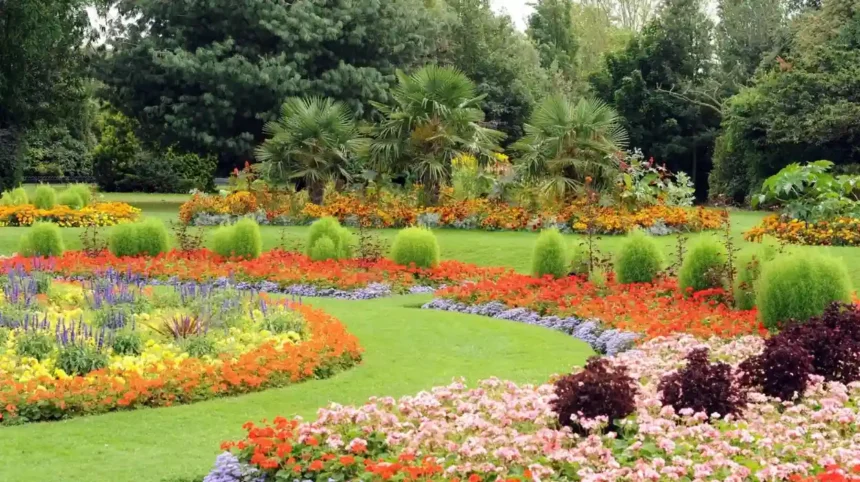
Tower Hamlets is an East London borough with a varied network of public parks, historic gardens, landscaped squares, riverside paths and waterfront green spaces. Located between the City of London, the River Thames and the Lower Lea Valley, the borough combines historic residential neighbourhoods with modern developments, commercial districts and former industrial landscapes.
- What Makes Tower Hamlets an Interesting Destination for Public Gardens and Quiet Outdoor Spaces?
- Which Public Gardens and Parks Should Visitors Explore in Tower Hamlets?
- Victoria Park: Historic Green Space in East London
- Island Gardens: Peaceful Riverside Gardens on the Isle of Dogs
- Mile End Park: Landscaped Gardens and Natural Areas
- Poplar Recreation Ground: Local Green Space for Relaxation
- Bethnal Green Gardens: A Neighbourhood Garden with Recreational Facilities
- Where Can Visitors Find Quiet Historic Gardens and Landscaped Squares in Tower Hamlets?
- Which Outdoor Spaces in Tower Hamlets Offer Woodland Walks and Wildlife?
- Tower Hamlets Cemetery Park: Woodland and Historic Nature Reserve
- Ackroyd Drive GreenLink: A Connecting Green Corridor
- Weavers Fields: Open Green Space and Woodland Walks
- Where Can Visitors Enjoy Riverside Walks and Waterfront Green Spaces?
- Limehouse Basin: Waterways and Urban Green Space
- Regent’s Canal: A Scenic Walking Route
- Wapping Gardens: A Small Historic Green Space
- Which Gardens in Whitechapel and Stepney Combine Green Space with Local Heritage?
- Altab Ali Park: A Garden of Historical and Cultural Significance
- Stepney Green Gardens: A Traditional Neighbourhood Setting
- How Did Historic Development Shape the Public Gardens of Tower Hamlets?
- How Do Tower Hamlets’ Public Gardens Support Wildlife and Urban Biodiversity?
- Which Tower Hamlets Gardens Are Suitable for Different Types of Visitors?
- For Families and Children
- For Couples and Solo Visitors
- For Nature Enthusiasts
- For Photographers
- For Digital Nomads and Business Travellers
- How Can Visitors Reach and Explore Public Gardens in Tower Hamlets?
- Public Transport Connections
- Suggested Outdoor Exploration Routes
- Walking and Accessibility Considerations
- What Rules Should Visitors Follow When Using Public Gardens in Tower Hamlets?
- Why Are Public Gardens Important to the Future of Tower Hamlets?
Its outdoor spaces serve different purposes. Victoria Park provides extensive parkland and recreational facilities. Island Gardens offers landscaped lawns and views across the River Thames towards Greenwich. The Garden at 6 is a historic green space in the Isle of Dogs, while smaller neighbourhood gardens provide places for quiet breaks away from busy streets.
Discovering public gardens and quiet outdoor spaces in Tower Hamlets involves exploring different landscapes, from formal planting and ornamental gardens to woodland areas, canalside routes and waterfront promenades. These locations support walking, relaxation, photography, wildlife observation and outdoor recreation.
What Makes Tower Hamlets an Interesting Destination for Public Gardens and Quiet Outdoor Spaces?
Tower Hamlets is an East London borough with public parks, historic gardens, riverside landscapes and community green spaces. Its outdoor environment combines Victorian parkland, landscaped residential areas, canal corridors and waterfront locations, providing accessible places for relaxation and recreation.
The borough occupies an important geographical position in East London. It includes neighbourhoods such as Bethnal Green, Bow, Poplar, Whitechapel, Stepney, Limehouse, Wapping and the Isle of Dogs. Each area has a different urban character and relationship with outdoor space.
Public gardens are managed green environments designed for community access, recreation, relaxation and environmental benefits. They include formal gardens, ornamental planting areas, landscaped squares and smaller public gardens.
Parks generally provide larger open landscapes. They accommodate walking routes, sports facilities, playgrounds, lawns, mature trees and designated wildlife habitats. Quiet outdoor spaces include smaller gardens, waterfront paths and sheltered green areas where visitors can spend time away from busy commercial streets.
Tower Hamlets has a particularly varied green-space environment because of its development history. Victorian public parks, former docklands, residential landscaping and modern regeneration projects have all influenced its outdoor landscape.
The borough’s gardens also contribute to urban environmental quality. Trees provide shade, vegetation supports urban wildlife, and permeable green surfaces help manage rainfall. These functions are important in densely populated parts of East London.
For visitors, the combination of historic parks and contemporary waterfront spaces creates opportunities to explore different landscapes without travelling outside the borough.
Which Public Gardens and Parks Should Visitors Explore in Tower Hamlets?
Visitors can explore several established green spaces across Tower Hamlets, including Victoria Park, Island Gardens, Mile End Park, Poplar Recreation Ground and Bethnal Green Gardens. Each location offers different combinations of landscaped grounds, walking routes, trees and recreational facilities.
Victoria Park: Historic Green Space in East London
Victoria Park is the borough’s largest public park and one of East London’s most important historic green spaces. It opened in 1845 and covers approximately 86 hectares. The park receives more than nine million visits annually, according to Tower Hamlets Council.
The park was designed by architect James Pennethorne. Its landscape includes large lawns, ornamental features, mature trees, lakes and established walking routes. Visitors use the grounds for outdoor exercise, picnics, family activities and quiet breaks.
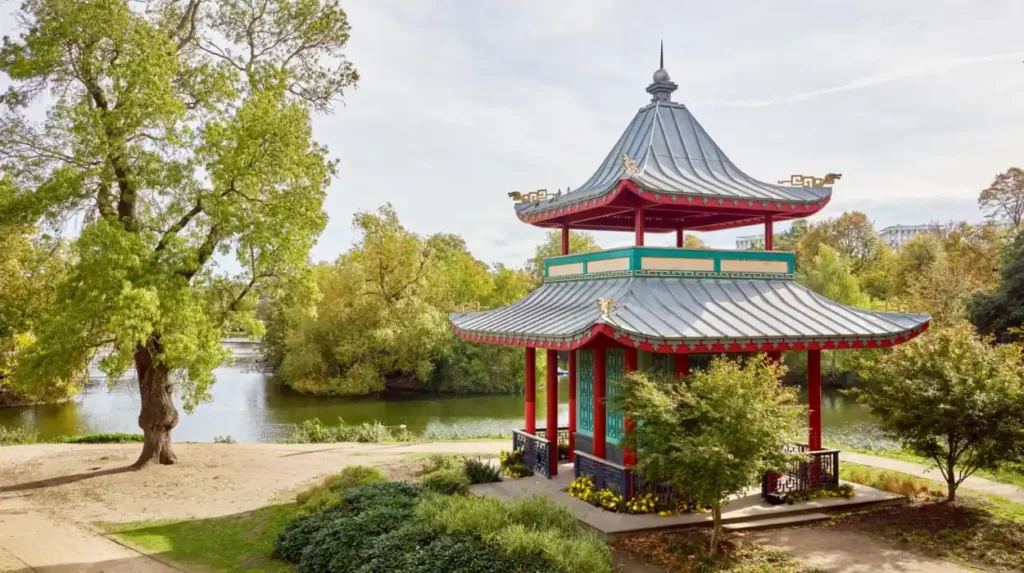
The lakes provide attractive settings for nature observation and photography. The historic Chinese Pagoda, restored as part of the park’s improvement programme, is another recognisable feature. The Burdett-Coutts Memorial Fountain and bandstand add architectural interest.
Victoria Park also has practical facilities, including public toilets, refreshment outlets, picnic areas, playgrounds and sports facilities. Visitors seeking a quieter experience can explore the less crowded paths and grassy sections rather than concentrating around the busiest entrances and recreational areas.
The park has Green Flag recognition and is included on Historic England’s Register of Parks and Gardens of Special Historic Interest.
Island Gardens: Peaceful Riverside Gardens on the Isle of Dogs
Island Gardens is a landscaped riverside park at the southern end of the Isle of Dogs. It covers approximately 1.12 hectares and provides open lawns, mature trees, benches and views across the Thames towards Greenwich.
The gardens opened to the public on 3 August 1895. They were established to provide public open space for the local population and commemorate a location associated with Sir Christopher Wren’s appreciation of the Greenwich waterfront. Historic England recognises Island Gardens as a Grade II registered historic park and garden.
The view across the river includes the Old Royal Naval College, the Queen’s House and the Greenwich waterfront. This panorama is associated with Canaletto’s eighteenth-century painting A View of Greenwich from the River.
Visitors use the gardens for riverside walks, photography, reading and picnics. Seating along the waterfront provides opportunities to watch river traffic and observe the changing light across the Thames.
The Greenwich Foot Tunnel connects Island Gardens with Greenwich on the opposite riverbank. The pedestrian tunnel opened in 1902 and provides a direct walking connection beneath the Thames. Island Gardens DLR station is close to the park entrance.
Mile End Park: Landscaped Gardens and Natural Areas
Mile End Park provides a long green corridor through a densely developed part of East London. Its landscape combines open grassland, planted areas, recreational facilities, pedestrian paths and ecological spaces.
The park is particularly useful for visitors who want to combine outdoor relaxation with walking between different parts of the borough. Its layout connects neighbourhood green spaces and provides access towards Victoria Park and the wider Regent’s Canal corridor.
The Art Pavilion and Ecology Pavilion are notable features. The Ecology Pavilion supports environmental learning and activities connected with nature. Landscaped sections, trees and planted areas provide a different experience from the larger recreational spaces.
Mile End Park also includes sports facilities, a stadium and a go-kart track. These facilities make it a multi-purpose destination rather than a formal garden. Visitors seeking a quieter break can focus on its planted areas and pedestrian routes.
Poplar Recreation Ground: Local Green Space for Relaxation
Poplar Recreation Ground provides a neighbourhood green space for residents and visitors exploring Poplar. Its recreational landscape offers an alternative to the larger destination parks in the borough.
The recreation ground is suitable for walking, sitting outdoors and taking a break during local sightseeing. Its open areas provide space for informal recreation, while trees and planted sections contribute to the area’s green character.
Visitors exploring Poplar’s historic streets and residential neighbourhoods can include the recreation ground in a wider walking route. Its local setting also makes it relevant to people working or staying around Canary Wharf and the Isle of Dogs.
Bethnal Green Gardens: A Neighbourhood Garden with Recreational Facilities
Bethnal Green Gardens provides public outdoor space close to Cambridge Heath Road and Bethnal Green Underground station.
The gardens combine recreational facilities with green areas. The site includes a playground, sports courts and four floodlit hard tennis courts. The nearby library provides additional community facilities. Courtside at Tower Hamlets
The location is useful for visitors exploring Bethnal Green’s cultural attractions and residential streets. Its combination of planted areas and sports facilities makes it suitable for different types of outdoor visits.
Visitors looking for a quieter experience should choose the garden’s seating and green sections rather than the busier sports areas.
Where Can Visitors Find Quiet Historic Gardens and Landscaped Squares in Tower Hamlets?
Tower Hamlets contains historic garden squares, converted churchyards and small public gardens that provide quieter alternatives to major parks. Examples include Trinity Square Gardens, Albert Gardens, Arbour Square Gardens, Christchurch Gardens and St George’s Gardens.
Public garden squares are landscaped open spaces enclosed or surrounded by urban streets and buildings. They became an important feature of London’s residential development during the eighteenth and nineteenth centuries.
Tower Hamlets Council identifies several historic squares and gardens within its public-space network. Trinity Square Gardens, Arbour Square, Albert Gardens and the Oval reflect the popularity of formal garden layouts in London’s historic neighbourhoods.
Trinity Square Gardens
Trinity Square Gardens is a formal garden near the Tower of London and Tower Hill. Its landscaped environment and memorial features provide an outdoor stopping point within a busy historic district.
Visitors exploring the Tower of London area can use the garden as a place to pause between attractions. Its location also makes it suitable for short outdoor breaks during business visits to the City and surrounding commercial areas.
Albert Gardens
Albert Gardens is a neighbourhood garden square associated with the historic residential environment of Stepney.
Its enclosed urban setting provides a contrast with the larger open landscapes of Victoria Park and Mile End Park. The garden is relevant to visitors interested in historic East London streets, residential architecture and smaller public green spaces.
Arbour Square Gardens
Arbour Square Gardens forms part of the borough’s historic network of landscaped squares.
The garden square provides a green element within an established urban neighbourhood. Visitors can explore its surrounding streets to understand how formal open spaces became part of nineteenth-century residential planning.
Christchurch Gardens
Christchurch Gardens is an example of a public garden developed from former churchyard land.
During the nineteenth century, several London churchyards closed for burials after reaching capacity. Some were subsequently converted into public gardens. Christchurch Gardens forms part of this wider development in Tower Hamlets.
Its historical context makes the garden relevant to visitors interested in the relationship between religious buildings, urban burial grounds and public recreation.
St George’s Gardens
St George’s Gardens is another example of the borough’s historic churchyard landscapes. Its inclusion in the council’s history of public open spaces reflects the conversion of former burial grounds into green environments for public use.
These small gardens demonstrate that Tower Hamlets’ outdoor network is not limited to large recreational parks. Historic squares and churchyard gardens provide additional places for quiet outdoor visits within established neighbourhoods.
Which Outdoor Spaces in Tower Hamlets Offer Woodland Walks and Wildlife?
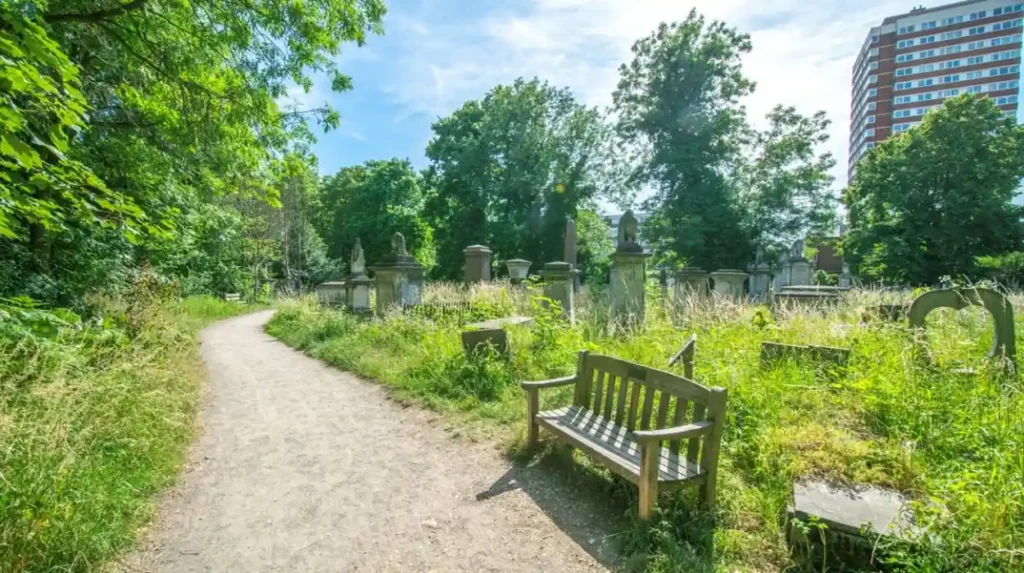
Tower Hamlets Cemetery Park and its connected green spaces provide some of the borough’s most natural outdoor environments. Visitors can explore woodland paths, wildflower meadows, ponds, mature trees and wildlife habitats within an accessible urban setting.
Tower Hamlets Cemetery Park: Woodland and Historic Nature Reserve
Tower Hamlets Cemetery Park is one of the borough’s most distinctive outdoor destinations. It combines Victorian cemetery heritage with woodland, conservation areas, ponds and nature trails.
The cemetery opened in 1841 and became one of London’s Magnificent Seven cemeteries. These were seven major private cemeteries established around nineteenth-century London to address pressure on overcrowded burial grounds.
Burials stopped in 1966 following an Act of Parliament that closed the cemetery. The site subsequently became a public park and nature reserve.
The cemetery park covers approximately 12.55 hectares, including the associated Ackroyd Drive GreenLink. It became a Local Nature Reserve in 2001 and holds Green Flag recognition. The Friends of Tower Hamlets Cemetery Park support its conservation, heritage and community activities. Tower Hamlets+1
The landscape includes:
- Woodland paths through mature trees.
- Wildflower meadows supporting pollinating insects.
- Historic gravestones and listed monuments.
- Ponds and habitats for wildlife.
- Glades and quieter spaces for nature observation.
The wooded environment creates a different outdoor experience from conventional recreational parks. Visitors can explore the pathways, observe seasonal vegetation and discover historic memorials within the same landscape.
The park is particularly relevant to birdwatchers, photographers, nature enthusiasts and visitors interested in Victorian burial history.
Its main entrance is on Southern Grove, E3, approximately five minutes’ walk from Mile End Underground station. Entry is free, and the park is generally open from dawn until dusk. Tower Hamlets+1
Ackroyd Drive GreenLink: A Connecting Green Corridor
Ackroyd Drive GreenLink forms part of the wider Cemetery Park conservation landscape.
A green corridor is a connected strip of vegetation that supports wildlife movement and provides continuity between green spaces. Ackroyd Drive GreenLink contributes to the connection between Tower Hamlets Cemetery Park and Mile End Park.
The landscape provides opportunities for walking and nature observation. Its ecological role also makes it relevant to visitors interested in urban biodiversity and environmental conservation.
Weavers Fields: Open Green Space and Woodland Walks
Weavers Fields provides another outdoor destination in the borough. The park contains open grassland, trees and pedestrian routes.
Its name reflects the historical textile and weaving industries associated with East London’s development. The green space offers a place for informal recreation and outdoor relaxation within the residential environment of Bethnal Green.
The woodland sections and planted areas provide a contrast with the surrounding built-up streets. Visitors exploring the neighbourhood can include Weavers Fields in a short walking itinerary.
Where Can Visitors Enjoy Riverside Walks and Waterfront Green Spaces?
Tower Hamlets has several waterfront green spaces along the River Thames, historic docks and canal routes. Island Gardens, Limehouse Basin and the Regent’s Canal corridor provide opportunities for riverside walking, photography, waterside relaxation and observing London’s working waterways.
Limehouse Basin: Waterways and Urban Green Space
Limehouse Basin is a historic dock and canal basin connecting the Regent’s Canal with the River Thames.
The basin forms part of East London’s historic waterways network. Its surroundings combine residential buildings, marina facilities, pedestrian routes and waterside public spaces.
Visitors can walk beside the water and observe boats entering or leaving the basin. The location also provides opportunities for photography, particularly around the marina and canal connections.
Limehouse Basin is not a conventional public garden. However, its waterfront environment provides a useful outdoor destination for visitors seeking a quieter alternative to busy shopping and commercial districts.
The surrounding pedestrian routes connect with Limehouse and other nearby riverside areas.
Regent’s Canal: A Scenic Walking Route
Regent’s Canal provides a linear outdoor route through parts of Tower Hamlets.
A canal towpath is a pedestrian route running alongside a canal. It historically supported the movement of people and goods along waterways. Today, these routes serve recreational walkers, cyclists and visitors exploring London’s canal heritage.
The canal environment includes narrowboats, bridges, waterside buildings and planted sections. Its connection with Mile End Park and Victoria Park makes it particularly useful for longer outdoor walks.
Visitors should follow signed pedestrian and cycling arrangements and remain aware of moving bicycles along shared sections.
Wapping Gardens: A Small Historic Green Space
Wapping Gardens provides a smaller public green space in the historic riverside neighbourhood of Wapping.
The gardens opened in 1891 following the clearance of residential properties as part of nineteenth-century urban improvement. The Metropolitan Board of Works established the space to provide public recreation in a densely populated district.
The garden’s local setting makes it relevant to visitors exploring Wapping’s historic streets, former warehouses and nearby Thames pathways.
Its smaller scale provides a different experience from the borough’s extensive parks. Visitors can use the space for a short outdoor break during a neighbourhood walking route.
Which Gardens in Whitechapel and Stepney Combine Green Space with Local Heritage?
Whitechapel and Stepney contain historic public gardens that connect outdoor recreation with East London’s social and architectural history. Altab Ali Park, Stepney Green Gardens and surrounding churchyard gardens provide landscaped spaces within culturally significant neighbourhoods.
Altab Ali Park: A Garden of Historical and Cultural Significance
Altab Ali Park is a small public park with considerable historical and cultural significance.
The park occupies the former site of St Mary Matfelon, a medieval church that gave Whitechapel its name. The church suffered extensive damage during the Blitz in 1940. Its remaining archaeological features include sections of the floor plan and historic graves.
The park was renamed in 1998 in memory of Altab Ali, a 25-year-old Bangladeshi textile worker murdered in a racist attack on 4 May 1978. His death became an important moment in the history of anti-racist mobilisation in East London.
The park contains several significant features:
- A memorial arch designed by David Petersen.
- The Shaheed Minar monument commemorating the Bengali Language Movement.
- Memorial inscriptions and landscaped pathways.
- Benches and small recreational areas.
- A green setting within Whitechapel’s busy streets.
The Shaheed Minar commemorates people killed during demonstrations associated with the Bengali Language Movement of 1952. Its design represents the monument in Dhaka, Bangladesh.
Altab Ali Park demonstrates how public gardens preserve cultural memory alongside their recreational function. Visitors can explore the landscape while learning about the history of British Bangladeshis and the development of multicultural East London.
The park covers approximately 0.48 hectares and is close to Aldgate East Underground station.
Stepney Green Gardens: A Traditional Neighbourhood Setting
Stepney Green Gardens provides an outdoor setting within one of East London’s historic residential neighbourhoods.
The surrounding area contains historic streets, religious buildings and traditional housing. Its green spaces contribute to the area’s public environment and provide opportunities for short outdoor breaks.
Visitors exploring Stepney can combine a walk through the neighbourhood with time in its public gardens. The location is particularly suitable for people interested in the relationship between historic urban development and modern community green space.
How Did Historic Development Shape the Public Gardens of Tower Hamlets?
Tower Hamlets’ public gardens developed through Victorian public health reforms, urban planning, churchyard conversions and post-war regeneration. These changes transformed former market gardens, burial grounds and residential land into parks and accessible green spaces for local communities.
The history of public gardens in Tower Hamlets reflects wider changes in London’s population, housing and urban environment.
During the nineteenth century, East London experienced substantial population growth. Industrial employment, dock development and residential expansion increased pressure on housing and sanitation.
The creation of public parks became an important response to limited access to open space. Victoria Park was established through this movement and opened in 1845.
The development of smaller public gardens followed different patterns. Some emerged from former churchyards, while others formed part of planned residential squares.
The London Squares Preservation Act 1931 helped protect London’s historic garden squares. Tower Hamlets retains several examples of this landscape tradition.
After the Second World War, bomb damage, housing clearance and redevelopment also influenced the borough’s public spaces. New parks were established through post-war planning and improvements to residential estates.
Tower Hamlets Council identifies three important periods in the creation of its public open spaces:
- The mid-nineteenth-century establishment of Victoria Park.
- The late nineteenth-century conversion of churchyards into public gardens.
- The post-Second World War development of additional parks and open spaces.
These historical changes explain why Tower Hamlets contains different types of green spaces, from formal squares and memorial gardens to large recreational parks and natural woodland.
As you explore the borough’s modern gardens, you are also crossing landscapes shaped by centuries of urban change. Read the full [Historical Development of Public Gardens and Parks in Tower Hamlets] to understand their origins, Victorian planning influences and transformation into public spaces.
How Do Tower Hamlets’ Public Gardens Support Wildlife and Urban Biodiversity?
Public gardens and parks in Tower Hamlets support urban biodiversity through trees, ponds, grassland, woodland and wildflower habitats. These environments provide food, shelter and breeding opportunities for birds, insects and other wildlife while improving the borough’s environmental quality.
Urban biodiversity describes the variety of living organisms found within towns and cities. It includes plants, birds, mammals, insects and microorganisms that depend on green environments.
Tower Hamlets’ parks provide important habitats because the borough has a dense urban landscape. Trees, shrubs, ponds and meadows create ecological connections between otherwise developed areas.
The council identifies Tower Hamlets Cemetery Park and Mudchute Park and Farm as two local nature reserves. Both contain woodland and natural habitats that support wildlife conservation.
Birds and Insects
Visitors exploring the borough’s parks can observe different types of urban wildlife, including garden birds, butterflies and pollinating insects.
Wildflower meadows provide nectar and pollen for bees and butterflies. Mature trees offer nesting opportunities for birds, while ponds support aquatic organisms.
Victoria Park is recognised for its lakes, veteran trees, breeding birds, wintering birds and aquatic habitats. Tower Hamlets Cemetery Park also contains woodland, grassland and pond habitats.
Trees and Woodland Habitats
Mature trees provide shade, reduce exposure to direct sunlight and contribute to urban air quality. Woodland areas also create habitats for birds, insects and other organisms.
Tower Hamlets Council supports woodland management and conservation activities through its parks service and community partnerships.
Visitors can observe these environments while walking through Cemetery Park, Victoria Park and Weavers Fields. Seasonal changes influence the appearance of vegetation and wildlife activity throughout the year.
Which Tower Hamlets Gardens Are Suitable for Different Types of Visitors?
Tower Hamlets has outdoor spaces suited to families, solo travellers, photographers, nature enthusiasts and business visitors. Victoria Park supports longer recreational visits, Island Gardens suits riverside relaxation, and smaller historic gardens provide convenient outdoor breaks.
Choosing a suitable garden depends on the purpose of the visit, available time and preferred environment.
For Families and Children
Victoria Park provides extensive recreational facilities for families. Its playgrounds, picnic areas, open lawns and refreshments support longer visits.
Bethnal Green Gardens also offers playground facilities and sports courts. These features provide options for families visiting the surrounding neighbourhood.
For Couples and Solo Visitors
Island Gardens provides a riverside setting with benches and open lawns. Its views towards Greenwich create opportunities for quiet walks and photography.
Wapping Gardens and the smaller garden squares provide alternatives for visitors who prefer compact outdoor environments.
For Nature Enthusiasts
Tower Hamlets Cemetery Park provides woodland paths, historic monuments, wildflower meadows and ponds.
Visitors interested in conservation can also explore the activities organised by the Friends of Tower Hamlets Cemetery Park.
For Photographers
Victoria Park provides opportunities for landscape photography through its lakes, historic structures and tree-lined pathways.
Island Gardens offers Thames panoramas and views of Greenwich’s historic waterfront. Altab Ali Park provides opportunities for architectural and memorial photography.
For Digital Nomads and Business Travellers
Visitors working around Canary Wharf, Whitechapel and the City fringe can use nearby public green spaces for breaks between appointments.
Island Gardens, Poplar Recreation Ground and smaller neighbourhood gardens provide outdoor environments within the wider Docklands area.
However, public gardens are not necessarily equipped with Wi-Fi, power sockets or dedicated working facilities. Visitors requiring reliable internet access should use a suitable café, library or co-working space.
How Can Visitors Reach and Explore Public Gardens in Tower Hamlets?
Visitors can reach Tower Hamlets’ public gardens using the London Underground, Docklands Light Railway, buses, walking routes and cycling connections. Choosing gardens by neighbourhood helps reduce unnecessary journeys and creates practical outdoor sightseeing itineraries.
Tower Hamlets has several transport connections linking its parks and gardens with central London and surrounding East London neighbourhoods.
Public Transport Connections
Transport services and walking distances should be checked before travelling because routes and station arrangements change.
Suggested Outdoor Exploration Routes
Visitors can organise their visits geographically rather than travelling between distant gardens.
Victoria Park and Mile End route: Explore Victoria Park before walking towards Mile End Park. This route combines historic parkland, landscaped areas and canal-side scenery.
Whitechapel and Stepney route: Visit Altab Ali Park, explore nearby historic streets and continue towards Stepney’s public gardens. This route combines cultural heritage with neighbourhood green spaces.
Isle of Dogs route: Explore Island Gardens and the surrounding waterfront before using the Greenwich Foot Tunnel to reach Greenwich. This route combines riverside scenery with a historic pedestrian crossing.
Limehouse and Wapping route: Explore Limehouse Basin before continuing towards Wapping’s historic streets and public gardens. This provides a combination of canal heritage and smaller urban green spaces.
Walking and Accessibility Considerations
Most major parks have pedestrian entrances and internal walking routes. However, the condition of paths, slopes, steps and accessible facilities differs between locations.
Visitors with mobility requirements should check individual park information before travelling. The council’s parks directory provides information about facilities, locations and access arrangements.
Weather also influences the outdoor experience. Wet conditions affect grassland paths, while summer temperatures increase the importance of shaded seating and drinking water.
Explore More Area Guide
Isle of Dogs Green Spaces: Parks, Gardens and Walks
Tower Hamlets Architecture: Historic Buildings and Canary Wharf Skyscrapers
What Rules Should Visitors Follow When Using Public Gardens in Tower Hamlets?
Visitors must follow Tower Hamlets Council’s park rules and public-space byelaws. These regulations protect plants, wildlife, facilities and other visitors. Important requirements cover opening times, noise, waste disposal, dogs, fires and unauthorised activities.
The council manages public parks and open spaces under local byelaws. These rules establish how visitors should use recreational areas and protect their natural and historical features.
Important visitor responsibilities include:
- Respect planted areas and avoid damaging trees, flowers and shrubs.
- Dispose of rubbish responsibly.
- Avoid disturbing birds and other wildlife.
- Follow displayed opening and closing times.
- Keep noise at a reasonable level.
- Respect memorials, historic monuments and public facilities.
Dog Regulations
Dogs are welcome in Tower Hamlets parks, subject to local control requirements.
Owners must keep dogs under close control, prevent disturbance to wildlife and clean up after them. Dogs are excluded from gated children’s play areas and gated sports spaces under the borough’s dog-control arrangements.
Barbecues and Fires
Tower Hamlets Council does not permit barbecues in its parks and open spaces. This restriction protects grassland and reduces fire risks.
Visitors should check the current rules before arranging group picnics or outdoor activities. Tower Hamlets
Opening Times
Opening arrangements differ between parks. Some locations operate from dawn until dusk, while larger parks have specific locking arrangements.
Visitors should check entrance notices and the council’s official parks directory before planning an early-morning or evening visit.
Why Are Public Gardens Important to the Future of Tower Hamlets?
Public gardens will remain important to Tower Hamlets as the borough experiences continued urban development and changing environmental conditions. Green spaces support public wellbeing, biodiversity, recreation, climate adaptation and access to nature within densely populated East London neighbourhoods.
The importance of public gardens extends beyond their appearance. They provide environmental and social benefits that support urban communities.
Climate and Environmental Benefits
Trees and vegetation provide shade during warm weather. They also contribute to urban cooling by reducing the amount of exposed hard surfaces.
Green spaces absorb rainfall through soil and vegetation. This helps manage surface-water runoff and supports sustainable urban drainage.
Ponds, grassland and planted areas also provide habitats for wildlife. Maintaining these environments helps preserve ecological connections across the borough.
Public Health and Wellbeing
Public gardens provide accessible outdoor environments for walking, physical activity and relaxation.
Regular access to green space supports opportunities for exercise and time outdoors. Parks also provide informal meeting places for residents and visitors.
For people living or working in dense urban neighbourhoods, nearby gardens provide an important connection with nature without requiring travel outside London.
Community and Heritage Preservation
Historic gardens preserve evidence of earlier urban development. Victoria Park, Island Gardens and the borough’s converted churchyards demonstrate how public attitudes towards open space have changed.
Community organisations also contribute to maintaining these landscapes. The Friends of Tower Hamlets Cemetery Park, for example, support conservation, educational activities and heritage protection.
Future improvements to public gardens will continue to involve balancing recreational access with the protection of historic features and wildlife habitats.
Tower Hamlets offers a varied selection of public gardens and quiet outdoor spaces across East London. Its outdoor landscape includes major Victorian parks, historic garden squares, riverside lawns, woodland nature reserves and smaller neighbourhood gardens.
Victoria Park provides extensive landscaped grounds and historic features. Island Gardens offers peaceful Thames views, while Mile End Park combines recreation with ecological landscapes. Tower Hamlets Cemetery Park provides woodland walks and historic surroundings. Altab Ali Park connects public green space with important cultural heritage.
Smaller destinations such as Wapping Gardens, Albert Gardens, Arbour Square Gardens and Christchurch Gardens demonstrate the importance of neighbourhood-scale outdoor spaces.
Together, these locations make Tower Hamlets a destination for visitors seeking outdoor relaxation, walking, photography, wildlife observation and historic landscapes. They also provide valuable recreational and environmental resources for the borough’s residents and working population.
What are the best public gardens to visit in Tower Hamlets?
Victoria Park, Island Gardens, Mile End Park, Bethnal Green Gardens and Tower Hamlets Cemetery Park are popular outdoor destinations. Each offers different landscapes, including historic gardens, open lawns, woodland paths and riverside views.