
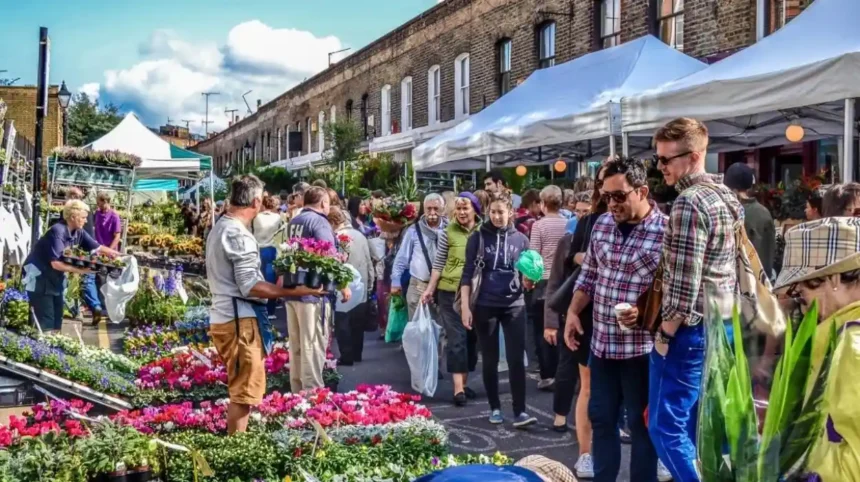
Bethnal Green is one of East London’s established shopping districts, combining traditional street markets, independent retailers, historic shopping streets and multicultural food businesses. Located in the London Borough of Tower Hamlets, the neighbourhood offers visitors an opportunity to experience everyday East End commerce alongside specialist shopping and local cultural attractions.
- What Makes Bethnal Green’s Markets Worth Exploring?
- Where Are the Main Markets in Bethnal Green?
- What Can Visitors Buy at Bethnal Green Market?
- What Is the History of Markets in Bethnal Green?
- How Does Roman Road Market Reflect Traditional East London Shopping?
- Where Can Visitors Discover Flowers and Independent Shops?
- What Flowers and Plants Are Available?
- What Independent Shops Are Located on Columbia Road?
- When Is the Best Time to Visit Columbia Road?
- Where Can Visitors Find Vintage Shopping and Street Food Near Bethnal Green?
- What Can Visitors Buy at Brick Lane Market?
- What Food Is Available Around Brick Lane?
- How Does Brick Lane Differ from Bethnal Green Market?
- What Food Can Visitors Experience at Bethnal Green’s Markets?
- Fresh Produce and Traditional Ingredients
- International Food and Street-Food Businesses
- Cafés and Places to Take a Break
- How Can Visitors Explore Bethnal Green’s Markets in One Day?
- Morning: Explore Columbia Road Flower Market
- Late Morning: Visit Bethnal Green Road
- Afternoon: Explore Brick Lane
- Alternative Route: Roman Road and Globe Town
- How Can Visitors Reach Bethnal Green’s Markets?
- What Should Visitors Know Before Shopping at Bethnal Green Markets?
- Check Market Opening Days
- Carry Cash and a Payment Card
- Compare Prices and Product Quality
- Prepare for Crowds
- Respect Independent Traders
- How Do Bethnal Green’s Markets Support Local Independent Businesses?
- Opportunities for New Traders
- Supporting Established Family Businesses
- Maintaining Accessible Neighbourhood Shopping
- Strengthening East London’s Visitor Economy
- How Do Bethnal Green’s Markets Reflect East London’s Cultural Diversity?
- What Is the Future of Market Shopping in Bethnal Green?
The markets of Bethnal Green reflect the area’s working-class heritage, immigrant communities and changing retail landscape. From fresh fruit and vegetables on Bethnal Green Road to independent shops around Columbia Road and the neighbourhood trading tradition of Roman Road, each market offers a different experience.
Visitors can explore affordable household goods, clothing, vintage fashion, flowers, plants, international food and locally produced items. Market streets also connect visitors with nearby attractions, including York Hall, Victoria Park, Brick Lane and the wider Shoreditch area.
Bethnal Green is particularly suitable for visitors interested in traditional London markets rather than shopping exclusively in large commercial centres. Its markets provide opportunities to meet independent traders, discover specialist products, sample different cuisines and understand how local businesses contribute to East London’s identity.
What Makes Bethnal Green’s Markets Worth Exploring?
Bethnal Green’s markets combine traditional street trading, independent businesses, fresh produce and multicultural food. They provide visitors with access to everyday shopping, specialist products and neighbourhood culture while preserving the East End’s long-established relationship with local commerce.
Bethnal Green has a strong market tradition within Tower Hamlets, a borough recognised for its concentration of street markets. These markets serve residents, workers, independent retailers and visitors exploring East London.
Unlike enclosed shopping centres, traditional street markets operate along public roads and designated trading spaces. Traders display products on temporary stalls, allowing customers to browse different goods within a relatively compact area.
Bethnal Green Market on Bethnal Green Road is particularly important for everyday shopping. Its stalls sell clothing, fruit, vegetables and household products. The market operates alongside permanent shops, cafés and other independent businesses.
The neighbourhood also provides access to specialist markets. Columbia Road Flower Market attracts visitors interested in plants and gardening, while Roman Road offers a traditional shopping street with established food and retail businesses.
Market shopping also introduces visitors to the area’s cultural diversity. Different communities contribute to the products, ingredients, clothing and services available across East London’s commercial streets.
The experience extends beyond purchasing goods. Visitors encounter local traders, established family businesses and changing retail traditions that form part of Bethnal Green’s neighbourhood identity.
Where Are the Main Markets in Bethnal Green?
Bethnal Green’s principal market areas include Bethnal Green Road, Roman Road and Roman Road Square. Nearby destinations include Columbia Road Flower Market and Brick Lane Market, providing additional opportunities for specialist shopping, food and independent retail.
The main market locations are connected by local roads and public transport. Visitors can explore the central neighbourhood first and then extend their journey towards Columbia Road or Brick Lane.
Bethnal Green Road Market
Bethnal Green Market is located along Bethnal Green Road, E2. It is one of the neighbourhood’s main traditional shopping areas.
The market sells everyday products, including clothing, fruit, vegetables and household goods. Its location makes it convenient for residents and visitors using Bethnal Green Underground station.
Tower Hamlets Council lists the market as operating from Monday to Saturday, generally between 8am and 6pm. Individual trading patterns and stall availability vary.
Roman Road Market
Roman Road Market is a traditional shopping destination in the wider Bethnal Green and Bow area.
Its trading history and independent shops make it relevant to visitors interested in established East London high streets. The market operates on Tuesdays, Thursdays and Saturdays, generally from 8am to 6pm, according to Tower Hamlets Council.
Roman Road Square Market
Roman Road Square Market, also known as Globe Town Market, occupies a compact public shopping space.
The market serves the surrounding residential neighbourhood. Fresh fruit, vegetables and fish are among its established product categories. Tower Hamlets Council lists its regular operation from Monday to Saturday.
Columbia Road Flower Market
Columbia Road Flower Market is a specialist Sunday market in Bethnal Green.
It sells flowers, plants, gardening products and related accessories. More than 60 independent shops, galleries, cafés and other businesses line the surrounding street, creating an extended shopping destination.
Brick Lane Market
Brick Lane Market is situated towards Shoreditch and Spitalfields, within walking distance of Bethnal Green.
It is particularly associated with vintage clothing, street food, jewellery, art and flea-market trading. Sunday is the principal day for its traditional street-market experience.
These destinations provide different shopping environments. Visitors interested in practical purchases can prioritise Bethnal Green Road and Roman Road, while those seeking specialist products can include Columbia Road and Brick Lane.
What Can Visitors Buy at Bethnal Green Market?
Bethnal Green Market focuses on practical everyday shopping, with stalls selling clothing, fresh fruit, vegetables and household products. Visitors find affordable essentials alongside independent retail businesses, making the market relevant to residents and tourists exploring traditional East London shopping streets.
Bethnal Green Market has a practical retail character. Its stalls serve people looking for everyday products rather than exclusively specialist or luxury shopping.
Clothing is an important part of the market’s retail offer. Visitors can browse everyday garments and accessories while comparing products from different traders.
Fresh produce provides another reason to visit. Fruit and vegetable stalls serve households looking for ingredients for daily cooking. The availability of seasonal products also reflects the market’s connection with traditional food shopping.
Household goods contribute to the market’s wider product selection. These items support everyday domestic requirements and attract customers who prefer browsing independent stalls.
The surrounding Bethnal Green Road high street extends the shopping experience. Permanent shops, convenience businesses and food establishments provide additional services beyond the temporary market stalls.
For visitors, the main attraction is the combination of traditional market shopping and a functioning local high street. The area provides an opportunity to observe how market trading supports everyday neighbourhood activity.
What Is the History of Markets in Bethnal Green?
Bethnal Green’s market history developed alongside the East End’s population growth, textile industries and working-class communities. Traditional street trading supplied everyday goods, supported small businesses and created important commercial meeting places for successive generations.
Bethnal Green developed as an important residential and commercial district during London’s expansion. Its population included skilled workers, textile employees, artisans and families who relied on accessible local shopping.
The area’s connection with silk weaving is particularly relevant to the history of Roman Road Square. Tower Hamlets Council traces the establishment of the market area to around 1800, when it served the growing population of silk weavers in Bethnal Green.
The market tradition developed around the practical requirements of local households. Fresh food, clothing and domestic products were essential purchases for working families.
Street markets also provided opportunities for independent traders. Small businesses could sell goods directly to customers without operating large permanent retail premises.
The development of markets reflected changes in the area’s population. Successive communities contributed new products, food traditions and commercial activities to the East End.
The history of Bethnal Green is also connected with wider East End migration. French Huguenots, Jewish communities and later South Asian communities contributed to the social and commercial development of neighbouring districts.
Markets became places where these different commercial and cultural influences interacted. Food, clothing, household products and specialist services reflected the changing needs of local residents.
Visitors interested in the historical background should explore the [history of Bethnal Green’s traditional markets and commercial heritage] as a companion to this modern shopping guide. This historical perspective explains how local trading developed alongside the neighbourhood’s industries, migration and urban growth.
Bethnal Green’s market heritage remains visible in its surviving street markets. Their continued operation connects modern shopping habits with the area’s longstanding commercial identity.
How Does Roman Road Market Reflect Traditional East London Shopping?
Roman Road Market represents the traditional East London shopping street, combining market stalls, independent retailers, food businesses and everyday services. Its established trading culture reflects the area’s residential history and the continued importance of accessible neighbourhood shopping.
Roman Road is an important commercial street in the wider Bethnal Green area. It connects local shopping with the everyday activities of surrounding residential communities.
The market operates on Tuesdays, Thursdays and Saturdays, according to Tower Hamlets Council. Its regular schedule gives visitors opportunities to experience traditional market trading outside the main Sunday market circuit.
Fresh food is a significant part of Roman Road’s identity. Fruit and vegetable traders serve local households, while other businesses provide food products and everyday shopping services.
Independent shops also contribute to the street’s character. Visitors encounter businesses operating alongside market stalls, creating a mixture of permanent retail and temporary street trading.
Roman Road is particularly relevant for travellers who want to explore a functioning neighbourhood rather than visit only major tourist attractions.
Its shopping environment provides insight into local purchasing habits. Residents use the street for regular errands, food shopping and access to independent services.
The surrounding area also offers opportunities to explore local architecture and residential streets. Visitors can combine shopping with a walk towards Globe Town and nearby green spaces.
Why Is Roman Road Square Historically Important?
Roman Road Square, also called Globe Town Market, has a particularly strong connection with the area’s early commercial development.
Tower Hamlets Council identifies the market’s origins with the growth of silk weaving in Bethnal Green around 1800. The market space developed to serve the needs of workers and their households.
Today, its compact setting continues to accommodate local traders. Fruit, vegetables and fish remain important products, while the market functions as a neighbourhood shopping destination.
This continuity makes Roman Road Square useful for understanding the relationship between historic industries and modern local commerce.
Where Can Visitors Discover Flowers and Independent Shops?
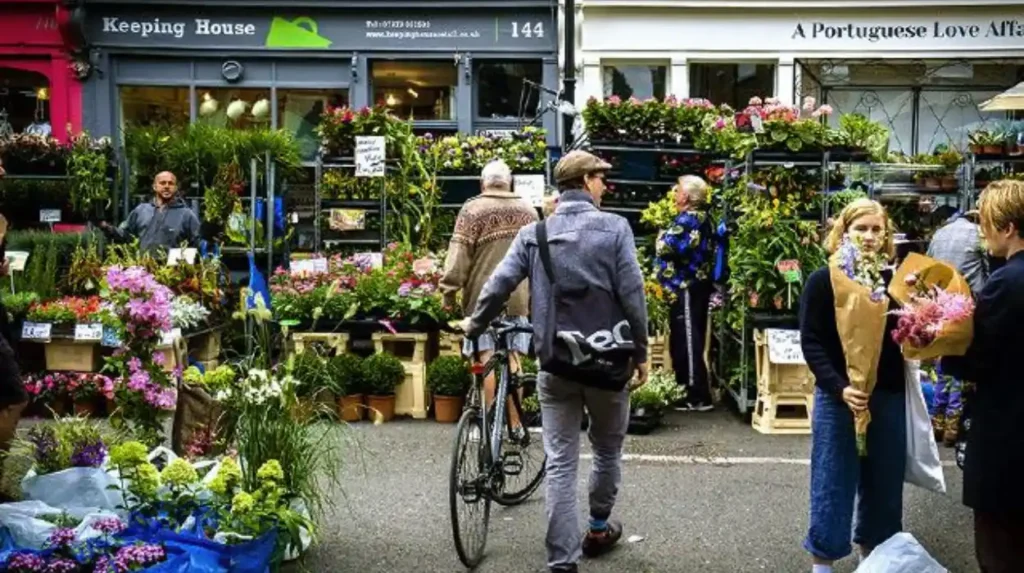
Columbia Road Flower Market is Bethnal Green’s best-known specialist flower-shopping destination. Its Sunday trading brings together flower sellers, plant retailers and independent businesses, including galleries, vintage shops, cafés and specialist homeware stores.
Columbia Road provides a different experience from the everyday shopping stalls on Bethnal Green Road.
The market operates every Sunday, generally from 8am until approximately 3pm. Tower Hamlets Council lists its official trading period as 8am to 2pm, while the market’s own visitor information describes trading until around 3pm. Visitors should therefore plan to arrive early.
The street fills with flower and plant traders offering products for homes, gardens and commercial spaces.
What Flowers and Plants Are Available?
Columbia Road offers a varied selection of horticultural products.
Visitors commonly find:
- Seasonal cut flowers, including roses, tulips and mixed bouquets.
- Indoor plants, including foliage plants and decorative varieties.
- Outdoor plants, including shrubs and bedding plants.
- Gardening supplies, including pots and accessories.
- Larger decorative plants, including banana plants and other tropical varieties.
The selection changes according to the season, availability and individual traders.
Customers can compare different bouquets and plant sizes before purchasing. Some sellers specialise in particular varieties, while others offer a wider selection of flowers and gardening products.
What Independent Shops Are Located on Columbia Road?
The flower market is only one part of the shopping experience.
Columbia Road contains more than 60 independent businesses, according to its official visitor information. These include art galleries, vintage clothing retailers, garden shops, homeware businesses, food shops and cafés.
The permanent shops provide a reason to revisit the street outside Sunday market hours. However, individual businesses operate their own schedules.
Visitors interested in independent retail can browse art, handmade products, decorative objects and specialist gifts.
The combination of street trading and permanent shops makes Columbia Road an important example of independent commercial activity in East London.
When Is the Best Time to Visit Columbia Road?
Early morning is suitable for visitors who want the widest selection of flowers and plants.
The market becomes increasingly busy as the morning progresses. Later visits provide opportunities to explore remaining stock and surrounding businesses, although popular products often sell quickly.
The market is free to enter. Visitors should carry a suitable shopping bag and plan how to transport larger plants.
Where Can Visitors Find Vintage Shopping and Street Food Near Bethnal Green?
Brick Lane Market provides access to vintage fashion, independent creative businesses, street food, jewellery and second-hand products. Its proximity to Bethnal Green makes it a practical addition for visitors exploring the wider East London market district.
Brick Lane is a major shopping and cultural destination near Bethnal Green. The street is particularly associated with the history of East London’s immigrant communities and its Bangladeshi cultural identity.
Tower Hamlets Council records Brick Lane Market as established in 1888. Its traditional Sunday market includes fashion, food, art, household products, jewellery and retro clothing.
The market also extends into surrounding streets and indoor spaces.
What Can Visitors Buy at Brick Lane Market?
Vintage clothing is one of the area’s main shopping attractions.
Visitors can explore second-hand garments, jackets, dresses, accessories and retro fashion. The range depends on individual traders and available stock.
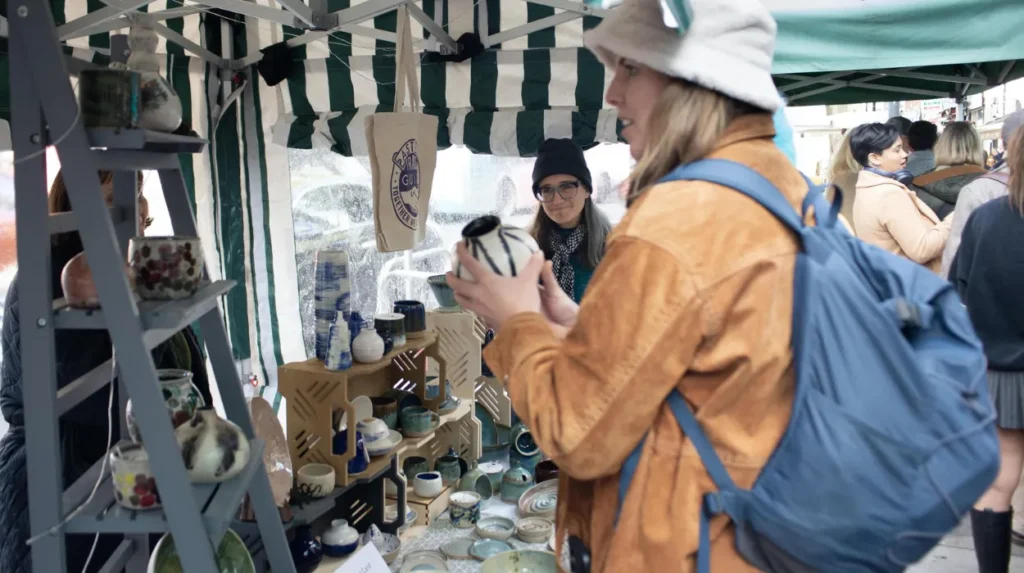
The Old Truman Brewery complex provides additional indoor shopping spaces. Its markets bring together independent designers, vintage retailers, food businesses and creative traders.
Other products include:
- Jewellery and accessories, including handmade and decorative items.
- Artwork and prints, including work from independent artists.
- Collectables, including vintage objects and second-hand goods.
- Homeware, including decorative and practical household products.
- Music-related products, including records and specialist merchandise.
Prices vary according to product condition, brand, rarity and seller. Comparing prices between stalls is a useful approach when purchasing vintage goods.
What Food Is Available Around Brick Lane?
Brick Lane is known for its international food businesses and street-food environment.
Visitors encounter a range of South Asian food, including Bangladeshi and Indian dishes. Other nearby traders offer international street food and quick meals.
The area’s food culture reflects the history of migration and entrepreneurship in the East End.
Restaurants, cafés and takeaway businesses operate alongside the market. This makes Brick Lane suitable for visitors who want to combine shopping with lunch or an evening meal.
How Does Brick Lane Differ from Bethnal Green Market?
Bethnal Green Market focuses more heavily on everyday local shopping.
Brick Lane offers a stronger concentration of vintage fashion, specialist retail, street food and visitor-oriented businesses.
Both markets represent different parts of East London’s commercial identity. Visiting both provides a broader understanding of the area’s retail diversity.
What Food Can Visitors Experience at Bethnal Green’s Markets?
Food shopping around Bethnal Green includes fresh fruit, vegetables, fish, prepared meals and international cuisine. Nearby market streets provide access to traditional ingredients, independent food businesses and street-food traders serving residents, workers and visitors.
Food is an important part of the Bethnal Green market experience. Traditional produce stalls support everyday household shopping, while nearby independent restaurants and cafés introduce visitors to the area’s multicultural food culture.
Bethnal Green’s location within Tower Hamlets places it close to several established food-shopping districts. These include Roman Road, Brick Lane and Whitechapel.
Fresh Produce and Traditional Ingredients
Fresh fruit and vegetables are important products at Bethnal Green and Roman Road markets.
Visitors can browse seasonal produce and ingredients used in everyday cooking. Fish sellers and other food traders also contribute to the traditional retail offer at Roman Road Square.
These businesses serve customers who prefer purchasing fresh ingredients from specialist retailers rather than relying entirely on supermarkets.
International Food and Street-Food Businesses
Brick Lane provides a wider selection of international food businesses.
The area’s Bangladeshi heritage is particularly visible in its restaurants and food establishments. Visitors encounter South Asian cooking traditions, including curries, rice dishes, grilled foods and traditional snacks.
Other nearby food businesses serve different international cuisines. Their presence reflects the cultural diversity of East London.
Cafés and Places to Take a Break
Independent cafés around Bethnal Green and Columbia Road provide places to stop during a shopping trip.
Visitors can find coffee, baked products, sandwiches and light meals. Columbia Road also has pubs and cafés that complement its Sunday shopping atmosphere.
For a longer visit, combining market shopping with lunch provides an opportunity to explore the neighbourhood at a comfortable pace.
How Can Visitors Explore Bethnal Green’s Markets in One Day?
Visitors can explore Bethnal Green’s markets through a walking itinerary connecting Bethnal Green Road, Roman Road, Columbia Road and Brick Lane. Planning around individual market schedules helps visitors experience fresh produce, flowers, vintage shopping and local food.
A market-focused day in Bethnal Green requires some planning because different destinations operate on different days.
Sunday is particularly suitable for visitors interested in combining Columbia Road Flower Market with Brick Lane Market.
A practical itinerary follows this order:
Morning: Explore Columbia Road Flower Market
Start at Columbia Road around 8am to explore the flower stalls.
Allow approximately one to two hours for browsing the market and visiting independent shops. Visitors interested in gardening can compare plants, flowers and accessories from different sellers.
The surrounding galleries, cafés and vintage shops provide additional places to explore.
Late Morning: Visit Bethnal Green Road
Continue towards Bethnal Green Road to explore the traditional local shopping area.
The journey provides an opportunity to see the neighbourhood beyond its specialist Sunday attractions. Visitors can browse permanent shops and explore the area’s streets.
Bethnal Green Road Market operates from Monday to Saturday, so Sunday visitors should distinguish between the permanent retail businesses and the regular market stalls.
Afternoon: Explore Brick Lane
Continue towards Brick Lane and the Old Truman Brewery.
The afternoon is suitable for exploring vintage clothing, creative businesses, food stalls and independent retailers.
Visitors can spend time comparing products and sampling food from nearby establishments.
Alternative Route: Roman Road and Globe Town
Visitors exploring Bethnal Green on a Tuesday, Thursday or Saturday can prioritise Roman Road Market.
Roman Road Square offers another opportunity to experience traditional local trading. The two destinations provide a more neighbourhood-focused shopping itinerary.
This alternative is particularly useful for travellers interested in everyday produce and independent high-street businesses rather than specialist tourist markets.
How Can Visitors Reach Bethnal Green’s Markets?
Bethnal Green’s markets are accessible through London Underground, London Overground, local buses and walking routes. Bethnal Green Underground station provides access to the Central line, while nearby railway stations connect visitors with surrounding East London neighbourhoods.
Public transport is the most practical way to reach Bethnal Green’s main shopping areas.
London Underground
Bethnal Green Underground station is on the Central line.
The station connects the neighbourhood with central London destinations, including Liverpool Street, Bank, Oxford Circus and Tottenham Court Road.
Visitors travelling from central London can use the Central line and continue on foot towards Bethnal Green Road.
London Overground
Cambridge Heath and Bethnal Green Overground stations provide additional connections.
Cambridge Heath is particularly useful for visitors exploring Roman Road and surrounding neighbourhoods.
Hoxton and Shoreditch High Street stations provide access to Columbia Road and Brick Lane.
Local Buses
London buses serve Bethnal Green Road, Roman Road and surrounding streets.
Bus routes provide connections with nearby areas, including Shoreditch, Hackney, Whitechapel and Bow. Visitors should check Transport for London’s journey planner for current routes and service changes.
Walking Between Markets
Walking is a useful way to explore the market district.
The surrounding streets connect traditional shopping areas with independent retailers and local attractions. Visitors can also explore neighbouring streets to discover smaller businesses and cafés.
A walking route should account for busy pavements and crowded market entrances, particularly on Sunday mornings.
What Should Visitors Know Before Shopping at Bethnal Green Markets?
Visitors should check individual market schedules, arrive early for specialist products, compare prices and prepare for busy pedestrian areas. Carrying reusable shopping bags, checking payment options and respecting traders’ working spaces helps create a practical market visit.
Traditional markets operate differently from conventional retail centres. Trading hours, product availability and individual seller arrangements vary.
A little preparation makes the shopping experience easier.
Check Market Opening Days
Not every Bethnal Green market operates throughout the week.
The main schedules published by Tower Hamlets Council include:
- Bethnal Green Market: Monday to Saturday, 8am–6pm.
- Roman Road Market: Tuesday, Thursday and Saturday, 8am–6pm.
- Roman Road Square Market: Monday to Saturday, 8am–6pm.
- Columbia Road Flower Market: Sunday, 8am–2pm according to the council.
- Brick Lane Market: Sunday, 10am–3pm according to the council.
These are published general trading hours. Individual traders sometimes operate different schedules, and seasonal arrangements affect particular markets.
Carry Cash and a Payment Card
Payment methods differ between traders.
Some businesses accept contactless payments and debit cards, while others prefer cash. Carrying a small amount of cash alongside a payment card provides flexibility.
Visitors should confirm the price and payment method before completing a purchase.
Compare Prices and Product Quality
Market stalls offer different products and price points.
Comparing similar items helps shoppers understand differences in quality, size and value.
For vintage clothing, inspect seams, zips, fabric condition and labels. For flowers, examine freshness and the condition of stems and leaves.
For fresh food, check product condition and ask traders about storage or preparation where relevant.
Prepare for Crowds
Sunday markets attract substantial visitor activity.
Columbia Road and Brick Lane become particularly busy during peak shopping periods. Comfortable footwear and secure storage for personal belongings help visitors manage crowded streets.
Keep bags closed and valuables secure, particularly when moving through densely populated areas.
Respect Independent Traders
Market traders operate small businesses and depend on direct customer relationships.
Visitors should ask before photographing traders or their products. They should also avoid blocking stalls while browsing or taking photographs.
Respectful communication supports the local businesses that make the markets function.
How Do Bethnal Green’s Markets Support Local Independent Businesses?
Bethnal Green’s markets provide trading opportunities for small businesses, independent retailers and specialist sellers. They support local employment, accessible shopping and commercial activity while connecting traders with residents, visitors and customers from neighbouring East London districts.
Markets have an important economic role in Tower Hamlets.
They provide a route into retail for traders who do not operate large permanent premises. Stallholders can sell products directly to customers and build relationships within the local community.
Tower Hamlets Council identifies its markets as opportunities for businesses to test products, establish physical retail operations and reach customers.
This approach supports different types of small enterprises.
Opportunities for New Traders
A market stall provides a physical selling location without the same premises requirements as a conventional shop.
Independent sellers can introduce clothing, accessories, food products and handmade goods to customers.
The council’s market services also support traders through licensing arrangements and market management.
Supporting Established Family Businesses
Some traditional market businesses have operated across generations.
Roman Road Square, for example, has a long-standing local trading culture. Tower Hamlets Council notes that some traders come from families with several generations of market experience.
These businesses contribute to the continuity of local shopping traditions.
Maintaining Accessible Neighbourhood Shopping
Markets provide residents with alternatives to large retail chains.
Customers can purchase fresh ingredients, clothing and household products close to home.
This supports everyday shopping activity and maintains commercial connections between local businesses and residential communities.
Strengthening East London’s Visitor Economy
Markets also attract visitors interested in local culture and independent retail.
Tourists visiting Columbia Road and Brick Lane spend money at market stalls, cafés, restaurants and surrounding shops.
This activity benefits businesses beyond the market itself.
Explore More Area Guide
Where to Discover Historic Railway Architecture in Tower Hamlets
Where to Discover Historic Railway Architecture in Tower Hamlets
How Do Bethnal Green’s Markets Reflect East London’s Cultural Diversity?
Bethnal Green’s markets reflect East London’s cultural diversity through food traditions, independent retail, specialist products and businesses established by different communities. Their commercial environment demonstrates how migration, entrepreneurship and neighbourhood development influence local shopping culture.
East London’s commercial identity has developed through successive periods of migration and economic change.
Bethnal Green and neighbouring districts have experienced substantial demographic and cultural changes over several centuries.
These changes are reflected in the products and services available in local markets.
Brick Lane provides a particularly visible example. Its history includes French Huguenot settlement, Jewish immigration and the development of a prominent Bangladeshi community.
The area’s restaurants, food businesses and independent shops reflect these historical influences.
Bethnal Green’s traditional shopping streets provide a broader picture of everyday commercial life. Traders serve residents with different cultural backgrounds and household requirements.
Food is one of the clearest expressions of this diversity. Ingredients, cooking products and prepared meals connect local markets with culinary traditions from South Asia and other regions.
Clothing and household businesses also reflect changing consumer needs.
For visitors, these markets provide an opportunity to understand East London through its everyday commercial activity rather than through architecture and museums alone.
What Is the Future of Market Shopping in Bethnal Green?
The future of Bethnal Green’s markets depends on supporting independent traders, maintaining accessible public spaces and adapting to changing shopping habits. Traditional market retail continues to provide community services, cultural identity and opportunities for small businesses.
Market shopping remains relevant despite the growth of online retail and large shopping centres.
Traditional markets offer direct access to products and sellers. Customers can inspect fresh produce, compare clothing and communicate with traders before making purchases.
These characteristics support a retail experience that differs from online shopping.
Digital Changes in Market Retail
Independent traders increasingly operate in a retail environment influenced by digital platforms.
Online promotion allows small businesses to reach customers beyond their immediate neighbourhoods. Social media also provides a way to advertise products, announce trading schedules and communicate seasonal offers.
Digital payments and online customer engagement contribute to changing retail practices.
Maintaining Traditional Trading Spaces
Public markets require suitable infrastructure and effective management.
Clean trading areas, pedestrian access, waste collection and appropriate facilities support the experience of shoppers and traders.
Tower Hamlets Council’s Markets Improvement Plan 2022–2027 recognises the importance of managing and supporting the borough’s street markets.
Preserving Local Commercial Identity
Bethnal Green’s markets are part of the neighbourhood’s historical and social character.
Their continued operation connects independent traders with local households and visitors.
Supporting market businesses helps maintain the diversity of the East End’s retail environment.
For tourists, these markets remain an important way to discover the neighbourhood. For residents, they continue to provide everyday shopping facilities and local services.
What are the main markets in Bethnal Green?
The main markets include Bethnal Green Market, Roman Road Market and Roman Road Square Market. Nearby destinations include Columbia Road Flower Market and Brick Lane Market, which offer flowers, vintage clothing, street food and independent shopping.