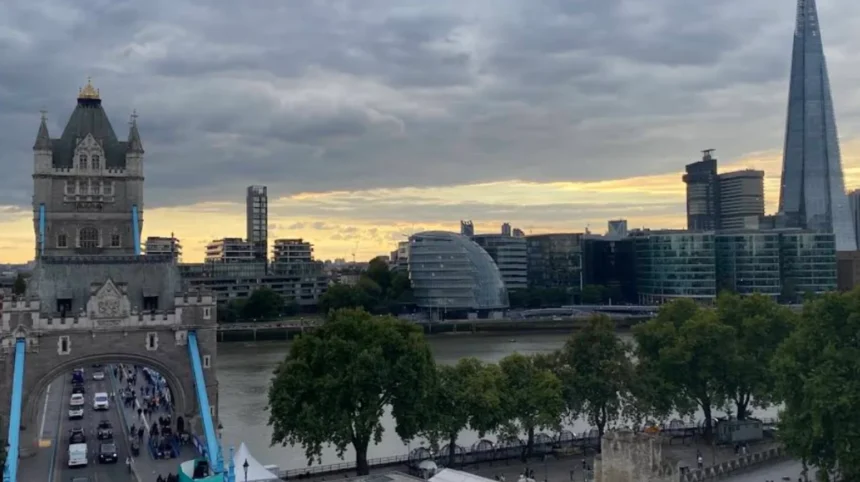
Tower Hamlets holds some of London’s most rewarding overlooked experiences, from tranquil roof gardens above Elizabeth Line tracks to 32-acre urban farms with skyline views. This guide identifies specific, verifiable sites that deliver authentic local character while remaining accessible to first-time visitors.
- What makes Tower Hamlets a unique destination for independent travellers?
- Which overlooked green spaces offer the best views and atmosphere?
- Where can visitors experience authentic urban farm life within London?
- Which independent venues and historic streets define the area’s character?
- What are the best work-friendly cafés and hubs for digital nomads?
- Which historic pubs and cultural sites reveal the area’s layered past?
- How can visitors plan a full day combining nature, culture and food?
- What practical information ensures smooth access to these hidden gems?
What makes Tower Hamlets a unique destination for independent travellers?
Tower Hamlets combines UNESCO heritage, historic markets, diverse food scenes and elevated viewpoints within a compact, walkable borough. Visitors access Tower Bridge, the Tower of London, Brick Lane, Spitalfields, Mudchute, Crossrail Place Roof Garden and extensive parkland within a few miles.
The borough spans 19.77 square kilometres and contains three distinct zones: the historic East End (Spitalfields, Bethnal Green, Whitechapel), the Isle of Dogs peninsula (Canary Wharf, Millwall, Cubitt Town) and the northern residential belt (Poplar, Bow, Bromley-by-Bow). This geographic diversity produces varied visitor experiences within short distances.
Spitalfields and Brick Lane function as a single cultural district centred on Old Spitalfields Market, a covered market operating since the 17th century as a wholesale produce hub for the City. The market now hosts independent food stalls, fashion traders and small shops under its Victorian iron-and-glass roof.
The Isle of Dogs contains two contrasting landscapes: the high-density financial district of Canary Wharf and the low-rise residential enclaves of Millwall and Cubitt Town. This juxtaposition enables visitors to experience futuristic architecture and traditional docklands communities within a 15-minute walk.
Tower Hamlets also contains significant green infrastructure. The borough manages over 100 parks and open spaces, including Victoria Park (86 hectares), Mudchute Park and Farm (32 acres) and Island Gardens (3 acres). These spaces provide recreational opportunities and ecological corridors through dense urban fabric.
As you explore the modern site, you are crossing land with a deep heritage. Read about the full history of Tower Hamlets borough development to understand its origins. This contextual knowledge enhances appreciation of surviving historic streets, converted warehouses and preserved dock structures.
Which overlooked green spaces offer the best views and atmosphere?
Crossrail Place Roof Garden and Island Gardens provide free, tranquil green spaces with exceptional Thames views in Canary Wharf and the Isle of Dogs. Both locations sit within five minutes of DLR and Elizabeth Line stations.
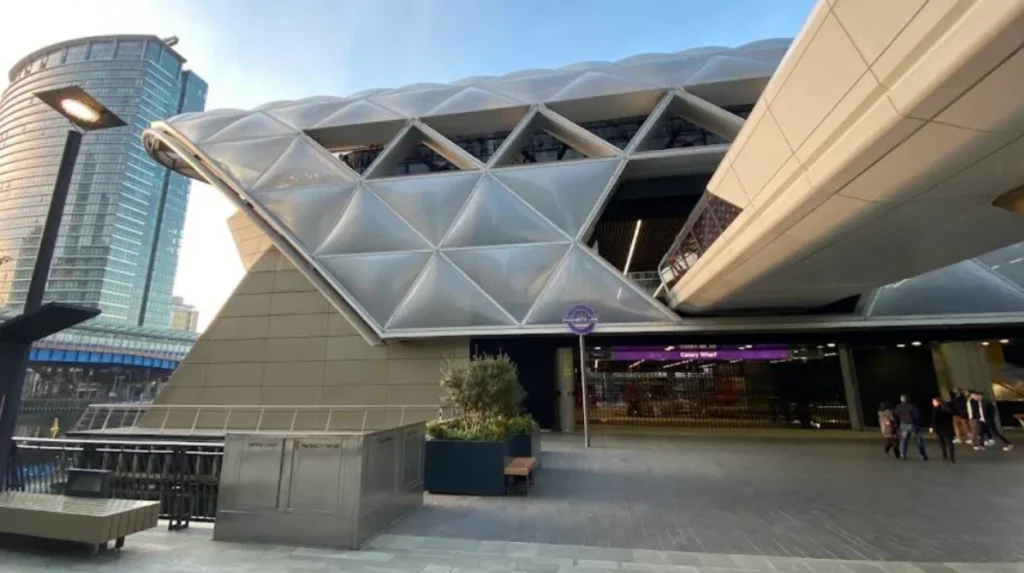
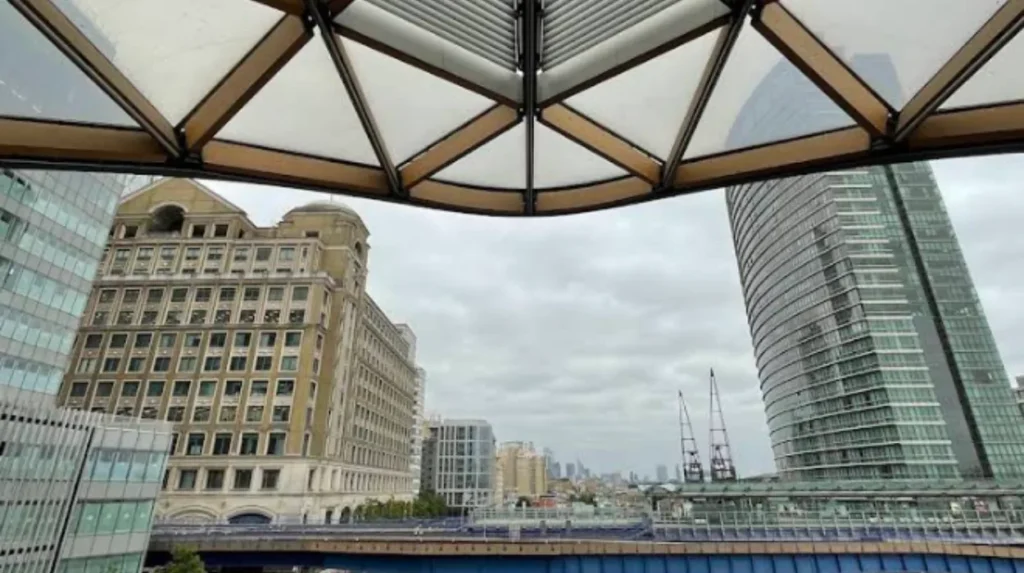
Crossrail Place Roof Garden occupies a 200-metre-long elevated platform above the Elizabeth Line station at Canary Wharf. The garden opened in 2015 as part of the Crossrail development and features plants from the Northern and Southern hemispheres, reflecting historic trade routes from the nearby West India Docks. A glass canopy shelters the entire space, enabling year-round access regardless of weather.
The garden contains Golden Bamboo, Sweet Gum and other exotic species arranged along winding paths. A public piano sits within the foliage, and an amphitheatre hosts occasional performances. Opening hours run daily from 9am to 9pm in winter, or until sunset in summer. No tickets or booking are required.
Island Gardens lies at the southern tip of the Isle of Dogs, directly opposite Greenwich. The park preserves the viewpoint depicted in Canaletto’s 18th-century painting A View of Greenwich from the River. Three acres of waterfront parkland contain benches, picnic tables and a café open 10am to 5pm daily.
The Greenwich Foot Tunnel entrance sits within Island Gardens, providing pedestrian access to Greenwich town centre. The tunnel runs 390 metres beneath the Thames and opens daily except for scheduled maintenance closures. This connection enables visitors to combine Tower Hamlets exploration with Greenwich attractions in a single trip.
Where can visitors experience authentic urban farm life within London?
Mudchute Park and Farm offers a 32-acre working farm with animals, café and open fields against the Canary Wharf skyline. The farm sits on land reclaimed from Millwall Dock silt deposits in the 1870s.
Mudchute originated when Frederick Duckham, engineer for the Millwall Dock Company, designed a dredging system that pumped silt into settling ponds on this site. The name “Mudchute” derives from this industrial process. In the 1970s, local community protests prevented high-rise housing development and secured the site as public green space.
The farm houses pygmy goats, llamas, Tamworth pigs, Irish Moiled cattle and assorted poultry. Daily animal feeding occurs at 9am and 3pm, providing optimal viewing opportunities. The Pets Corner small-animal area operates Tuesday to Sunday, with varying hours (9:30am to 3:30pm on weekdays, 9:30am to 4pm weekends).
Mudchute Kitchen café serves breakfasts, jacket potatoes and hot meals Tuesday to Sunday, 10am to 5pm. The café closes on Mondays, when the entire farmyard also closes, including toilets and picnic areas. The farm itself opens daily from 9am to 4pm, with animals housed indoors from 3pm.
The site contains elevated concrete pathways along the original Mudchute banks, offering panoramic views of Canary Wharf towers. This juxtaposition of rural and urban landscapes makes Mudchute a distinctive photography and relaxation destination.
Which independent venues and historic streets define the area’s character?
Spitalfields, Brick Lane and surrounding side streets contain independent shops, historic buildings and street art that define Tower Hamlets’ creative identity. The area operates as a walkable district accessible via Liverpool Street, Shoreditch High Street and Aldgate East stations.
Old Spitalfields Market forms the district’s core, hosting permanent traders alongside weekend markets. The market’s Victorian architecture houses independent fashion stalls, vintage dealers and food vendors. Surrounding streets such as Hanbury Street, Princelet Street and Fournier Street contain quieter historic buildings and smaller murals away from main thoroughfares.
Brick Lane runs north from the market and features curry houses, bakeries, vintage shops and constantly evolving street art. The Old Truman Brewery courtyard, adjacent to Brick Lane, hosts weekend markets selling vinyl records, street food and independent crafts. The brewery operated on this site from 1679 until closure in the 1980s, and the Directors House on Brick Lane dates from the 1700s.
The area contains 20 designated heritage sites marked by information boards along the Tower Hamlets Cultural Trail. Sites include the Boundary Estate (one of the world’s earliest social housing developments), Christ Church Spitalfields, the Whitechapel Bell Foundry and Toynbee Hall.
Toynbee Hall, founded in 1884 on Commercial Street, functions as a community centre and adult education institution. The building hosts exhibitions, classes and events open to the public. This institution exemplifies the area’s long tradition of social reform and community activism.
What are the best work-friendly cafés and hubs for digital nomads?
Spitalfields, Shoreditch and Whitechapel contain independent cafés with reliable Wi-Fi, ample seating and extended opening hours suitable for remote work. These venues cluster around commercial streets and market areas.
Boxpark Shoreditch, constructed from stacked shipping containers, provides a semi-outdoor food and beverage complex with multiple seating areas. The venue operates extended hours and contains power outlets suitable for laptop use. It sits within walking distance of Shoreditch High Street and Hoxton Overground stations.
Commercial Street and Redchurch Street host numerous independent cafés with long opening hours and work-friendly atmospheres. These venues typically open from 8am to 6pm on weekdays and offer espresso-based drinks, light meals and free Wi-Fi.
The Boundary Estate area, centred on Arnold Circus, provides quieter alternatives to the main Shoreditch thoroughfares. Hidden gardens and small cafés within this early social housing development offer calmer environments for focused work.
Whitechapel and Bethnal Green contain emerging independent cafés near Whitechapel Gallery and local transport hubs. These venues attract fewer tourists than Shoreditch and offer more consistent seating availability during weekday mornings and afternoons.
Which historic pubs and cultural sites reveal the area’s layered past?
Seven Sisters pubs in Bethnal Green and surviving docklands structures in Millwall and Cubitt Town illustrate Tower Hamlets’ industrial and social history. These sites remain accessible to visitors and retain original architectural features.
The Seven Sisters refers to a cluster of historic pubs in Bethnal Green, including the Colour Sergeant, the Carpenters Arms and the Wrestlers. These establishments date from the 18th and 19th centuries and served dockworkers, artisans and market traders. Many retain original interiors, tiled facades and Victorian signage.
Cubitt Town, named after Lord Mayor William Cubitt, contains Christ Church, a Gothic Revival church built in the 1840s. Cubitt established a building yard on this site in 1845 and laid out the surrounding streets for shipbuilding and repair. The church towers over the residential streets and remains an active parish.
Millwall Park contains a brick viaduct that carried the London and Blackwall Railway’s Millwall extension from 1871 to 1926. The line, known as the “Penny Puffer”, connected the Isle of Dogs to the City. The viaduct later served the Docklands Light Railway until track realignment for the Lewisham extension. Northern arches now function as cricket nets.
The Docklands Settlement, established in the early 20th century as a social and community hub, continues to offer activities for local residents. This institution exemplifies the settlement movement that provided education, recreation and welfare services in the East End.
Explore More Area Guide
Where to Explore in Tower Hamlets: History, Food & Views
Top Attractions in Tower Hamlets Beyond London’s Famous Tourist Landmarks
How can visitors plan a full day combining nature, culture and food?
A practical itinerary combines Crossrail Place Roof Garden, Mudchute Park and Farm, Spitalfields Market and Brick Lane within a single day using DLR and walking routes. This sequence maximises diversity while minimising travel time.
Morning (9:00–11:00): Begin at Crossrail Place Roof Garden upon opening at 9am. Spend one hour exploring the canopy-covered paths, exotic plants and Thames-adjacent seating. The garden remains quiet during early hours, ideal for photography and reflection.
Late morning to afternoon (11:30–15:00): Take the DLR from Canary Wharf to Crossharbour (five minutes) and walk 10 minutes to Mudchute Park and Farm. Arrive by 12:00 to observe afternoon animal feeding at 15:00. Lunch at Mudchute Kitchen café between 12:00 and 14:00. Walk the elevated Mudchute banks and open fields with Canary Wharf views.
Late afternoon to evening (16:00–19:00): Take bus or DLR to Shadwell or Whitechapel, then walk to Spitalfields Market. Explore Old Spitalfields Market’s permanent traders, then walk north through Hanbury Street and Fournier Street to Brick Lane. Visit the Old Truman Brewery courtyard and browse independent shops.
Dinner options include Bangladeshi cuisine on Brick Lane, independent restaurants in Spitalfields or street food vendors at Boxpark Shoreditch. Evening visits to Brick Lane reveal illuminated street art and lively nightlife.
This itinerary covers green spaces, working farm life, historic markets, independent shopping and diverse dining within a coherent geographic circuit. Public transport connections between each segment take less than 20 minutes.
What practical information ensures smooth access to these hidden gems?
All featured locations operate daily or near-daily schedules with free or low-cost entry, and most sit within five to 15 minutes of DLR, Elizabeth Line or Overground stations. Transport, opening hours and access details remain consistent year-round outside scheduled maintenance.
Crossrail Place Roof Garden opens daily 9am to 9pm (or sunset in summer), requires no booking and sits five minutes from Canary Wharf station (Jubilee and Elizabeth Lines). Island Gardens opens daily dawn to dusk, with café 10am to 5pm, and connects to Greenwich via the Foot Tunnel.
Mudchute Park and Farm opens daily 9am to 4pm (animals housed from 3pm), with café Tuesday to Sunday 10am to 5pm. The site closes on Mondays, including toilets and picnic areas. Pets Corner operates Tuesday to Sunday with varying hours.
Spitalfields Market and Brick Lane operate daily, with peak trading on weekends. Most independent cafés open 8am to 6pm on weekdays. The area is served by Liverpool Street, Shoreditch High Street, Aldgate East and Whitechapel stations.
Tower Hamlets’ public transport network includes the DLR, Elizabeth Line, Jubilee Line, Overground and extensive bus services. Contactless payment and Oyster cards function across all modes. Walking between nearby sites often takes less than 15 minutes.
Visitors should check individual venue websites for temporary closures, especially on Mondays (Mudchute) and during winter months when daylight hours shorten. Most sites remain free to enter, with optional donations welcomed at Mudchute.
This guide provides a complete, factual foundation for experiencing Tower Hamlets’ hidden gems. Each location delivers authentic local character, accessible infrastructure and verifiable visitor information suitable for independent travellers, residents and digital nomads alike.
What are the best hidden gems in Tower Hamlets?
Some of the best hidden gems in Tower Hamlets include Crossrail Place Roof Garden, Mudchute Park and Farm, Island Gardens, Old Spitalfields Market, Brick Lane, the Old Truman Brewery, and the historic streets around Bethnal Green and Whitechapel.