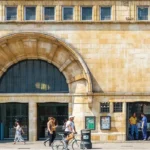
Tower Hamlets is one of East London’s most visually diverse boroughs for architectural, street and waterfront photography. Located on the northern bank of the River Thames, the borough combines historic docklands, Victorian terraces, industrial warehouses, contemporary skyscrapers, public art and regenerated waterside spaces. Its neighbourhoods provide distinctive photographic subjects for visitors interested in London’s architectural development and changing urban landscape.
- What Makes Tower Hamlets an Interesting Photography Destination?
- Which Streets in Spitalfields Are Best for Architectural Photography?
- Where Can Photographers Find Historic East End Streets and Buildings?
- Whitechapel’s Architectural Character
- Bethnal Green’s Residential Architecture
- Stepney Green’s Historic Streets
- Where Can You Photograph Waterfront Architecture in Tower Hamlets?
- Which Canary Wharf Buildings Offer the Best Photography Opportunities?
- How Can Photographers Capture Historic and Modern Docklands Architecture Together?
- Where Can Photographers Find Public Art and Distinctive Street Details?
- Which Parks and Public Spaces Provide Strong Architectural Photography Views?
- What Photography Opportunities Can Be Found Along Regent’s Canal and Limehouse Cut?
- What Is the Best Time of Day to Photograph Tower Hamlets’ Architecture?
- How Should Photographers Plan a Walking Route Around Tower Hamlets?
- Route One: Spitalfields and Brick Lane
- Route Two: Wapping and the Thames
- Route Three: Limehouse to Canary Wharf
- What Photography Equipment Is Useful for Exploring Tower Hamlets?
- What Photography Rules Should Visitors Follow in Tower Hamlets?
- Public Streets and Parks
- Private and Managed Spaces
- Privacy and Respect
- Listed Buildings and Conservation Areas
- How Does Tower Hamlets’ Architecture Reflect East London’s Changing Identity?
- Why Should Tower Hamlets Be Included in an East London Photography Itinerary?
The borough includes well-known destinations such as Canary Wharf, Brick Lane, Spitalfields, Wapping, Limehouse and the Isle of Dogs. Each location presents a different combination of architectural styles, street patterns, historic structures and public spaces. Photographers can capture traditional East End streets, converted warehouses, working waterways and modern commercial developments within a relatively compact geographical area.
Tower Hamlets also has an extensive architectural heritage. The council identifies 58 conservation areas across the borough, covering neighbourhoods with significant historic and architectural character. These include Brick Lane and Fournier Street, Wapping Pierhead, Narrow Street, West India Dock and Island Gardens.
For photographers, this combination creates opportunities for architectural documentation, urban landscape photography, street photography, reflections, geometric compositions and documentary images of everyday London life.
What Makes Tower Hamlets an Interesting Photography Destination?
Tower Hamlets is an important photography destination because it combines historic East End streets, surviving dock infrastructure, modern commercial architecture and accessible riverside environments. These contrasting surroundings provide photographers with varied subjects, including historic buildings, industrial structures, contemporary skylines and distinctive public spaces.
The borough’s architectural character reflects several centuries of urban development. Its proximity to the River Thames influenced the growth of shipping, trade, manufacturing and dock-related industries. These activities shaped the streets, warehouses, wharves and residential communities that remain visible today.
Modern redevelopment introduced another architectural layer. Canary Wharf transformed former dockland into a major commercial district featuring tall office buildings, landscaped squares and redeveloped waterfront spaces.
This architectural contrast makes Tower Hamlets suitable for different photography approaches.
- Architectural photography: Historic churches, warehouse façades and modern skyscrapers provide subjects for building-focused compositions.
- Street photography: Brick Lane, Spitalfields and Whitechapel offer commercial streets, markets and everyday neighbourhood activity.
- Waterfront photography: The Thames, Limehouse Basin and West India Docks provide reflections, boats and waterside architecture.
- Urban landscape photography: Canary Wharf and the Isle of Dogs offer skyline views and large-scale architectural arrangements.
- Documentary photography: Historic streets and contemporary developments illustrate changes in East London’s built environment.
The borough also offers practical advantages. Many photographic locations connect through walking routes, Docklands Light Railway stations, Underground services and riverside paths.
Which Streets in Spitalfields Are Best for Architectural Photography?
Spitalfields is one of Tower Hamlets’ strongest locations for architectural photography because its streets retain historic townhouses, commercial buildings, market structures and distinctive Georgian façades. Fournier Street, Brushfield Street and Commercial Street provide particularly varied opportunities for documenting East London’s architectural heritage.
Spitalfields developed as a residential and commercial neighbourhood with strong connections to migration, textile production and trade. Its historic buildings reflect the growth of East London’s communities and industries.
Fournier Street
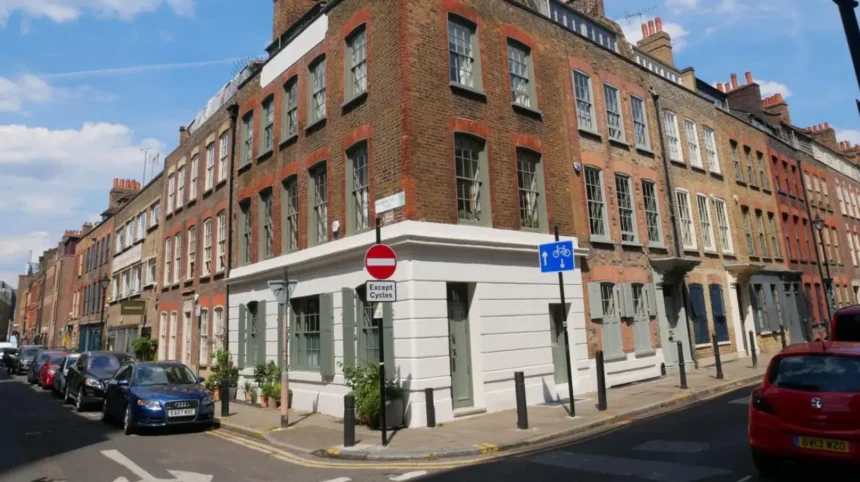
Fournier Street is particularly valuable for photographers interested in Georgian domestic architecture. Its historic houses feature brick façades, sash windows, decorative doorways and distinctive rooflines.
The street provides opportunities for symmetrical compositions and detailed architectural studies. Photographers can concentrate on individual entrances, window arrangements, brickwork and the relationship between neighbouring buildings.
Christ Church Spitalfields, designed by Nicholas Hawksmoor and completed in the early eighteenth century, provides another major architectural subject nearby. Its monumental tower and classical architectural details create a strong contrast with the surrounding residential streets.
Brick Lane
Brick Lane provides a different photographic environment. Its architecture includes traditional commercial buildings, former industrial premises, independent shops, restaurants and market spaces.
The street is particularly useful for documentary photography. Shopfronts, signs, street art and changing commercial activity create visual details that reflect the neighbourhood’s identity.
Brushfield Street
Brushfield Street connects the Spitalfields market area with the surrounding historic streets. Its building façades, market entrances and traditional commercial architecture provide additional opportunities for street-level photography.
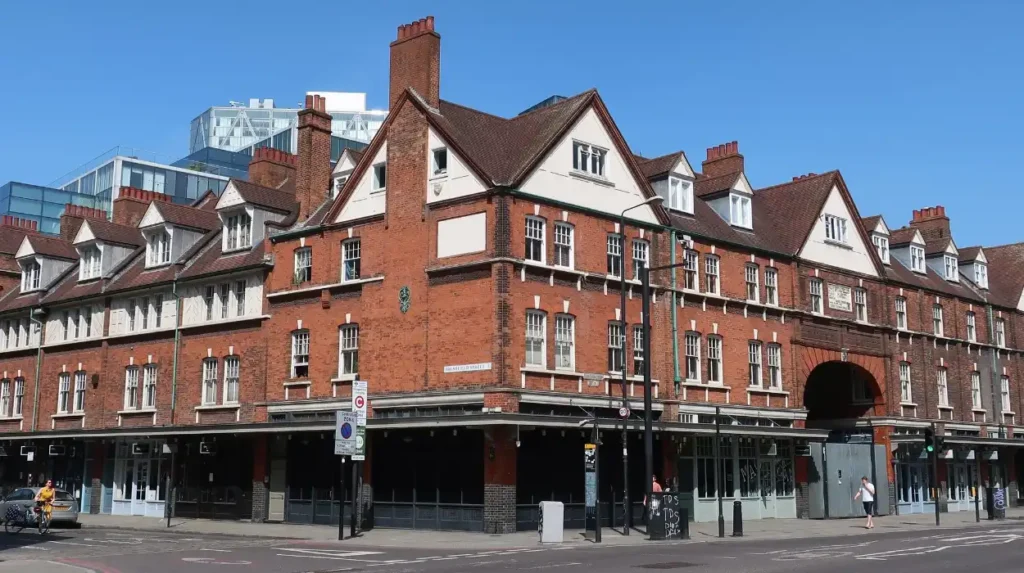
Old Spitalfields Market is a significant architectural feature. Its covered market environment offers views of historic commercial structures alongside contemporary retail activity.
Photographers should visit during quieter morning periods for architectural compositions with fewer pedestrians. Later visits provide more opportunities for documenting market activity and everyday street life.
Where Can Photographers Find Historic East End Streets and Buildings?
Historic East End streets are concentrated around Whitechapel, Bethnal Green, Stepney and Spitalfields, where Victorian terraces, religious buildings, former factories and traditional commercial premises remain visible. These neighbourhoods provide architectural details that document the borough’s industrial, residential and cultural development.
The historic streets of Tower Hamlets offer a different experience from the larger architectural developments around Canary Wharf.
Whitechapel contains traditional commercial streets and historic institutional buildings. Its streetscape combines older brick buildings with modern developments, transport infrastructure and active retail frontages.
Bethnal Green provides opportunities to photograph residential architecture. Traditional terraces, local public houses, churches and community buildings demonstrate different periods of East London’s urban expansion.
Stepney Green is another useful location. Its historic residential environment includes older houses, mature trees and traditional street layouts. The area is particularly suitable for photographers documenting architectural details within established residential neighbourhoods.
Whitechapel’s Architectural Character
Whitechapel High Street is an important commercial corridor. Its streetscape includes traditional shopfronts, historic institutional structures and contemporary buildings.
The former East London Hospital for Children and other historic institutional sites illustrate the area’s architectural development. Photographers can also explore the relationship between Whitechapel’s historic buildings and the modern infrastructure surrounding Whitechapel Underground and Elizabeth line stations.
Bethnal Green’s Residential Architecture
Bethnal Green features residential streets with Victorian brickwork, traditional entrances and decorative architectural details.
The former Bryant and May match factory is another important industrial heritage subject. Its historic factory buildings demonstrate the manufacturing history of East London.
Stepney Green’s Historic Streets
Stepney Green provides a quieter setting for architectural photography. Historic houses and established streets create opportunities for photographing building proportions, rooflines and traditional materials.
Photographers interested in documenting the East End should also investigate the borough’s conservation area appraisals. These documents explain the architectural significance and historic character of designated neighbourhoods.
As you explore these modern streets, you are crossing neighbourhoods shaped by centuries of trade, migration and industrial change. Read about the full [Insert Anchor Text for Tower Hamlets’ Historic Streets and Architectural Heritage Here] to understand their origins.
Where Can You Photograph Waterfront Architecture in Tower Hamlets?
Tower Hamlets offers extensive waterfront photography opportunities along the River Thames, historic docks, canals and marinas. Wapping, Limehouse Basin, West India Dock and Canary Wharf provide contrasting subjects, including warehouse buildings, dock walls, residential developments, boats and contemporary commercial architecture.
The borough has a particularly strong relationship with water. Its location beside the Thames supported shipping and commercial activity, while the construction of docks created an extensive network of enclosed waterways.
Tower Hamlets’ Conservation Strategy identifies its historic waterways as important components of the borough’s heritage. The strategy also records that 16 of its 58 conservation areas are connected to water spaces. Tower Hamlets
Wapping Riverside
Wapping offers some of the most distinctive waterfront architecture in East London.
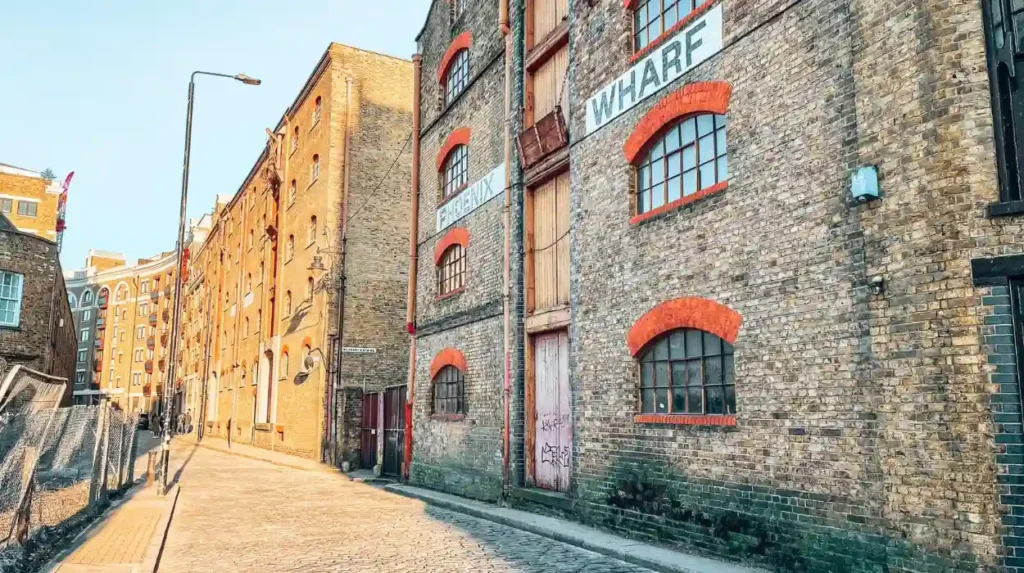
Its historic buildings include former warehouses, converted industrial premises, dock-related structures and traditional riverside properties.
Wapping Wall and Wapping Pierhead are designated conservation areas. Their architectural character reflects the area’s former relationship with the London docks.
Photographers can concentrate on:
- Traditional brick warehouse façades.
- Historic riverside entrances.
- Industrial architectural details.
- Boats and river reflections.
- Narrow streets leading towards the Thames.
The Prospect of Whitby is another recognisable riverside landmark. Its historic building and direct relationship with the Thames create opportunities for documentary and architectural photography.
Limehouse Basin
Limehouse Basin connects the Regent’s Canal with the River Thames. It provides a combination of marina architecture, residential buildings, boats and historic industrial surroundings.
The water creates opportunities for reflection photography, particularly when the surface is calm.
Photographers can use the surrounding walkways to capture wide compositions showing boats in the foreground and buildings behind them.
West India Dock
West India Dock provides an important connection between historic maritime infrastructure and modern Canary Wharf architecture.
Its dock walls, water spaces and surrounding commercial developments demonstrate how the former docklands evolved into a contemporary business district.
The Grade I listed dock features are particularly significant subjects for architectural documentation. Tower Hamlets
Which Canary Wharf Buildings Offer the Best Photography Opportunities?
Canary Wharf is the borough’s principal destination for contemporary architectural photography, featuring skyscrapers, glass façades, landscaped public spaces and historic dock settings. One Canada Square, the surrounding commercial towers and the Jubilee Park area provide opportunities for capturing scale, symmetry, reflections and modern urban design.
Canary Wharf developed as a major commercial district during the redevelopment of London’s former Docklands. Its architecture reflects the transition from maritime industry to financial and professional services.
One Canada Square
One Canada Square is one of London’s most recognisable skyscrapers.
Designed by architect César Pelli, the building was completed in 1991. Its distinctive pyramid-shaped roof and reflective exterior make it a prominent feature of the Canary Wharf skyline.
Photographers can capture the tower from several public spaces around the district. Wide-angle compositions emphasise its height, while closer views highlight its façade and architectural geometry.
The Surrounding Skyscrapers
Canary Wharf contains a collection of high-rise commercial buildings with different façade treatments, heights and structural arrangements.
Photographers can use the contrast between glass, steel, stone and water to create detailed architectural compositions.
The surrounding buildings also provide opportunities for capturing repeated window patterns, vertical lines and reflections.
Jubilee Park
Jubilee Park introduces greenery into Canary Wharf’s dense commercial environment. Its landscaped spaces provide foreground elements for architectural photographs.
Trees, pathways and planting create opportunities to frame the surrounding towers.
Canary Wharf’s Public Realm
The public spaces around Canary Wharf include pedestrian routes, squares, dockside areas and landscaped environments.
These spaces help photographers document the relationship between architecture and urban design. They also provide opportunities to capture people using the district as a working, residential and leisure destination.
How Can Photographers Capture Historic and Modern Docklands Architecture Together?
The strongest docklands compositions combine historic industrial structures with contemporary buildings in the same frame. West India Quay, Canary Wharf and the surrounding dockside environments provide opportunities to photograph the architectural transition from nineteenth-century maritime infrastructure to modern commercial development.
The former docks were essential to London’s international trading economy. Their warehouses, quays and dock entrances supported the movement and storage of imported goods.
The decline of traditional dock activity led to major changes across the Docklands area. Redevelopment introduced new offices, residential buildings, transport connections and public spaces.
This transition remains visible in the architecture around West India Quay.
West India Quay
West India Quay is a valuable location for photographing historic dock buildings alongside modern skyscrapers.
The historic warehouses provide textured brick façades and traditional industrial proportions. The surrounding towers introduce glass surfaces and contemporary architectural forms.
Photographers can use the water as a compositional element to connect the different architectural periods.
Museum of London Docklands
The Museum of London Docklands occupies historic warehouse buildings at West India Quay.
Its location provides opportunities to photograph preserved industrial architecture and the surrounding dock environment.
The museum also provides historical context for understanding how maritime trade influenced the development of East London.
Poplar and the Isle of Dogs
The Isle of Dogs offers further opportunities to document the relationship between historic dockland infrastructure and modern residential development.
The architectural environment includes residential towers, dockside buildings, former industrial structures and landscaped public spaces.
The area is particularly useful for wider urban landscape photography.
Where Can Photographers Find Public Art and Distinctive Street Details?
Public art and street details are particularly visible around Brick Lane, Canary Wharf, Whitechapel and the wider East End. These locations feature murals, sculptural installations, commercial signs, architectural ornamentation and contemporary urban design that provide additional subjects beyond conventional building photography.
Street photography in Tower Hamlets extends beyond photographing people and buildings. Small architectural details often communicate the character of a neighbourhood.
Brick Lane Street Art
Brick Lane is recognised for its changing street art environment.
Its walls, commercial buildings and surrounding streets feature murals, painted surfaces and visual interventions by different artists.
Photographers can document these works as part of the wider streetscape. Wide compositions show how murals interact with shopfronts and surrounding architecture, while close-up photographs focus on texture and colour.
Street art changes over time. Individual works disappear, new murals appear and commercial developments alter the surrounding environment.
Canary Wharf Public Art
Canary Wharf incorporates public art into its pedestrian spaces and commercial surroundings.
Sculptures and installations provide subjects for photographers interested in the relationship between artwork and contemporary architecture.
The surrounding buildings also create useful backgrounds for geometric and minimalist compositions.
Traditional Street Details
Historic neighbourhoods contain smaller architectural elements that deserve attention.
These include decorative doorways, iron railings, traditional shop signs, brick patterns, window surrounds and historic street furniture.
Photographing these features provides a more detailed record of Tower Hamlets’ architectural identity.
Which Parks and Public Spaces Provide Strong Architectural Photography Views?
Tower Hamlets’ parks and public spaces provide elevated, open or landscaped settings for photographing surrounding architecture. Island Gardens, Victoria Park, Museum Gardens and Canary Wharf’s landscaped spaces offer different perspectives on the borough’s historic buildings, waterways and contemporary urban skyline.
Island Gardens
Island Gardens is one of the most important locations for photographing the Isle of Dogs waterfront.
The park faces the River Thames and offers views towards Greenwich on the opposite bank. It also provides opportunities to photograph the surrounding riverside environment.
The open setting makes it suitable for wide landscape compositions.
Victoria Park
Victoria Park offers a different photographic environment. Its historic landscape includes mature trees, ornamental features, waterways and surrounding residential architecture.
Photographers can document the relationship between the park and the urban neighbourhoods surrounding it.
The nearby Regent’s Canal also provides additional opportunities for photographing bridges, towpaths and waterside buildings.
Museum Gardens
Museum Gardens provides a smaller landscaped environment with historic character.
The surrounding buildings and garden setting create opportunities for architectural details and carefully framed urban compositions.
Tower Hamlets identifies five registered parks and gardens of national importance, including Victoria Park, Island Gardens, Boundary Gardens, Museum Gardens and the Novo Cemetery.
What Photography Opportunities Can Be Found Along Regent’s Canal and Limehouse Cut?
Regent’s Canal and Limehouse Cut provide distinctive photography opportunities through historic bridges, canal-side buildings, narrowboats and industrial waterways. These routes connect different parts of East London and allow photographers to document the relationship between historic transport infrastructure, residential development and contemporary urban environments.
Regent’s Canal is an important historic waterway connecting different parts of London. Its Tower Hamlets sections offer a combination of industrial heritage, residential buildings and public green spaces.
Regent’s Canal
The canal provides opportunities for photographing:
- Historic bridges and their structural details.
- Narrowboats moored beside the towpath.
- Waterside residential developments.
- Reflections and changing water conditions.
- Pedestrians and cyclists using the towpath.
The section near Mile End is particularly useful for documenting the relationship between the canal and surrounding urban development.
Limehouse Cut
Limehouse Cut is another important waterway for architectural photography.
Its historic industrial environment provides different visual subjects from the more landscaped canal sections.
Photographers can concentrate on bridges, water-level perspectives and the industrial structures surrounding the canal.
Composition Along the Waterways
Canals create natural leading lines that guide the viewer’s attention through an image.
Photographers can position the waterway in the foreground and use bridges or buildings to establish depth.
Reflections also create opportunities for symmetrical compositions, particularly when the water is calm.
What Is the Best Time of Day to Photograph Tower Hamlets’ Architecture?
Early morning and late afternoon provide useful lighting conditions for photographing Tower Hamlets’ streets, buildings and waterfronts. Morning light supports quieter street photography, while late afternoon and sunset create changing shadows, illuminated façades and reflections across the borough’s waterways.
The best time depends on the photographic subject and the direction of natural light.
Early Morning Photography
Early morning is particularly suitable for historic streets.
Fournier Street, Brick Lane and Wapping are generally quieter before their busiest daytime periods.
The softer morning light also helps reveal brick textures, architectural details and traditional building materials.
Midday Photography
Midday provides stronger light and more pronounced shadows.
This is useful for photographing geometric architecture and contemporary skyscrapers around Canary Wharf.
However, direct sunlight on glass façades creates strong highlights. Photographers should check exposure carefully to retain detail in bright surfaces.
Golden Hour
Golden hour refers to the period shortly after sunrise or before sunset when sunlight produces warmer tones and longer shadows.
Island Gardens, Wapping and Limehouse provide useful waterfront settings during these periods.
The changing light also creates opportunities for photographing buildings reflected in the Thames and dock basins.
Blue Hour and Night Photography
Blue hour occurs during the period of twilight when the sky develops darker blue tones while artificial lighting becomes visible.
Canary Wharf is particularly suitable for this type of photography.
Illuminated office buildings, public spaces and dockside reflections create opportunities for urban night photography.
Photographers should use stable camera support where permitted and follow any location-specific restrictions.
How Should Photographers Plan a Walking Route Around Tower Hamlets?
A practical Tower Hamlets photography route should combine nearby architectural locations rather than attempting to cover the entire borough in one short visit. Spitalfields, Wapping, Limehouse and Canary Wharf each support dedicated photography walks with different subjects and transport connections.
The borough’s walking routes make it possible to explore several architectural environments without relying entirely on road transport.
Route One: Spitalfields and Brick Lane
Start around Old Spitalfields Market and continue towards Brushfield Street, Fournier Street and Brick Lane.
This route focuses on historic townhouses, commercial architecture, market buildings and street art.
It is suitable for photographers interested in traditional East London streets and documentary photography.
Route Two: Wapping and the Thames
Begin around Tower Bridge and continue east towards St Katharine Docks and Wapping.
Explore the historic riverside streets and warehouse architecture before continuing towards Limehouse Basin.
This route offers opportunities for photographing the Thames, historic buildings, dock infrastructure and residential waterfront architecture.
Route Three: Limehouse to Canary Wharf
Start at Limehouse Basin and continue towards the Isle of Dogs and Canary Wharf.
The route introduces marina architecture, modern residential developments, historic dock spaces and contemporary skyscrapers.
The official Love Tower Hamlets walking guide also identifies the Thames Path route between Tower Bridge and Canary Wharf as a significant borough walking route.
What Photography Equipment Is Useful for Exploring Tower Hamlets?
A versatile camera setup with a wide-angle lens, standard zoom and stable support is suitable for most Tower Hamlets photography locations. Equipment choices depend on whether the photographer concentrates on architecture, street scenes, waterfront landscapes, public art or low-light urban photography.
Photographers do not need specialist equipment to explore the borough. A camera or modern smartphone provides sufficient capability for many street and architectural compositions.
Wide-Angle Lens
A wide-angle lens is useful for photographing tall buildings, narrow streets and large waterfront environments.
It helps capture entire façades when working within confined streets.
Photographers should keep vertical lines as straight as possible to avoid excessive perspective distortion.
Standard Zoom Lens
A standard zoom lens provides flexibility for photographing buildings, people and street details.
It is particularly useful around Brick Lane, Spitalfields and Canary Wharf, where subjects vary considerably in distance and scale.
Telephoto Lens
A telephoto lens helps isolate architectural features and capture distant skyline details.
It is useful for photographing individual towers from waterfront viewpoints and highlighting distinctive building elements.
Tripod and Camera Accessories
A tripod supports longer exposures, particularly during blue hour and night photography.
Other useful accessories include:
- Spare batteries.
- Memory cards.
- Lens cleaning cloths.
- Weather protection.
- Camera straps.
- A lightweight camera bag.
Photographers should prioritise comfortable equipment for walking between locations.
What Photography Rules Should Visitors Follow in Tower Hamlets?
Photographers should respect public access rules, private property restrictions, pedestrian safety and individual privacy when taking photographs in Tower Hamlets. Publicly accessible streets and parks provide many opportunities, but commercial premises, transport facilities and privately managed developments operate separate photography policies.
Photography in public spaces generally requires consideration of other people and the surrounding environment.
Public Streets and Parks
Photographers can generally take photographs from public streets and other public spaces.
However, visitors should avoid obstructing pavements, entrances, cycle routes and pedestrian crossings.
Parks also operate their own management rules. Commercial shoots, organised photography sessions and equipment-heavy productions require checking the relevant permissions.
Private and Managed Spaces
Some areas around Canary Wharf and commercial developments are privately managed.
Access to a space does not automatically mean unrestricted permission for professional or commercial photography.
Photographers should check local management conditions before using tripods, lighting equipment or conducting organised shoots.
Privacy and Respect
Street photographers should approach people respectfully.
Particular care is necessary when photographing children, private residential spaces and individuals in vulnerable situations.
Photographers should also avoid interfering with business activities or obstructing emergency access.
Listed Buildings and Conservation Areas
Tower Hamlets contains buildings protected through statutory listing and local conservation policies.
The council identifies 13 Grade I listed buildings, approximately 40 Grade II* listed buildings and around 2,000 Grade II listed buildings. Tower Hamlets
These designations protect architectural and historic significance. They do not automatically prohibit ordinary photography, but visitors should avoid touching, climbing or damaging historic structures.
Explore More Area Guide
Exploring East London’s Historic Docklands Warehouses and Maritime Heritage
Discover Public Gardens and Quiet Outdoor Spaces in Tower Hamlets
How Does Tower Hamlets’ Architecture Reflect East London’s Changing Identity?
Tower Hamlets’ architecture reflects East London’s transition from maritime trade and manufacturing towards a mixed urban economy based on business, housing, culture and leisure. Its surviving warehouses, historic residential streets and contemporary skyscrapers document the different forces that shaped the borough over several centuries.
The borough’s historic development is closely connected to the River Thames.
Dock construction encouraged the growth of commercial buildings, warehouses and industrial infrastructure. Residential communities expanded around these economic activities, creating the dense neighbourhoods associated with the traditional East End.
The decline of London’s working docks introduced significant economic and physical changes.
Redevelopment transformed former industrial sites into commercial and residential districts. Canary Wharf became the most recognisable example of this transformation.
However, historic architecture remains an important part of the borough’s identity.
Spitalfields retains Georgian residential architecture. Wapping preserves historic dockland character. Limehouse contains surviving industrial and maritime features. Brick Lane continues to reflect the cultural and commercial development of the East End.
The borough’s contemporary architecture also represents changing priorities in urban planning.
Modern developments increasingly incorporate pedestrian routes, public spaces, landscaped waterfronts and mixed-use environments.
For photographers, these changes create an ongoing documentary subject. Photographs taken today record the relationship between historic architecture, new construction and everyday urban activity.
The Tower Hamlets Conservation Strategy and the council’s conservation area records provide useful references for understanding the architectural significance of individual neighbourhoods.
Why Should Tower Hamlets Be Included in an East London Photography Itinerary?
Tower Hamlets deserves a place in an East London photography itinerary because it provides an extensive range of architectural subjects within one borough. Visitors can photograph Georgian streets, Victorian industrial buildings, historic docks, contemporary skyscrapers, public art and riverside landscapes across several connected neighbourhoods.
The borough is particularly suitable for photographers seeking variety without travelling across the whole of London.
Spitalfields offers traditional streets and historic commercial buildings. Brick Lane provides street art and documentary photography opportunities. Whitechapel and Bethnal Green introduce residential and institutional architecture.
Wapping and Limehouse provide industrial heritage and waterfront subjects. Canary Wharf offers contemporary architecture and skyline compositions.
Island Gardens and Victoria Park introduce green spaces and wider urban views.
This variety makes Tower Hamlets relevant to different types of photographers, including architecture enthusiasts, travel photographers, street photographers and visitors documenting London’s urban environment.
The borough also provides an opportunity to understand how historical and contemporary architecture coexist within East London.
A well-planned photography visit should prioritise a small number of connected neighbourhoods, account for natural lighting conditions and allow sufficient time to explore individual streets.
Tower Hamlets’ combination of historic buildings, public spaces, waterways and modern developments makes it an important destination for documenting London’s architectural character.
What are the best photography locations in Tower Hamlets?
The best photography locations in Tower Hamlets include Spitalfields, Brick Lane, Canary Wharf, Wapping, Limehouse Basin, West India Quay and Island Gardens. These destinations offer historic architecture, street art, waterfront views and modern skyscrapers.