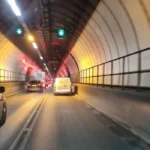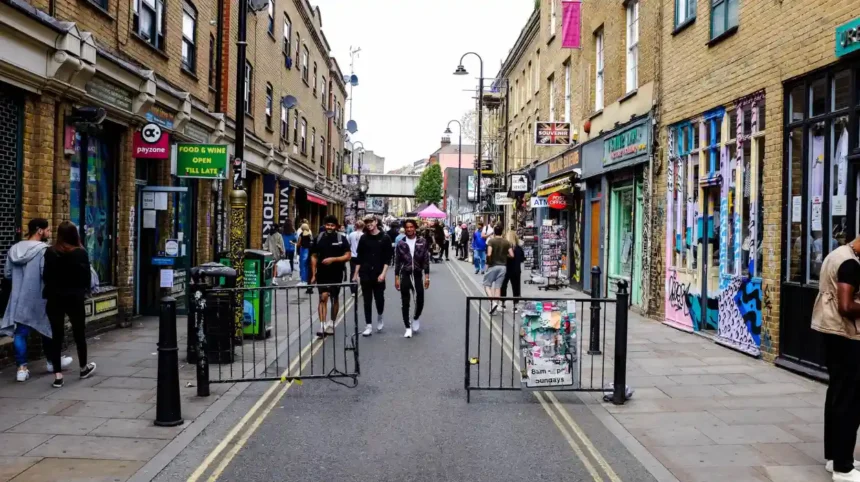
Tower Hamlets is a London borough in East London that combines centuries of maritime heritage, internationally recognised cultural landmarks, thriving independent businesses, diverse food districts, extensive riverside spaces, and modern creative neighbourhoods. Located immediately east of the City of London, the borough stretches from the River Thames to Victoria Park and includes districts such as Whitechapel, Spitalfields, Bethnal Green, Limehouse, Wapping, Bow, Poplar, Canary Wharf, and the Isle of Dogs.
- What makes Tower Hamlets different from other London boroughs?
- Which neighbourhoods should visitors explore first?
- Where can visitors experience authentic local food in Tower Hamlets?
- Which markets offer the best local shopping experience?
- How can visitors discover Tower Hamlets’ arts and cultural scene?
- What outdoor spaces and riverside walks should visitors include?
- Where can digital nomads and remote workers find productive local spaces?
- How can business travellers make the most of limited free time?
- What practical tips help visitors explore Tower Hamlets efficiently?
- Why is Tower Hamlets one of East London’s most rewarding boroughs to explore?
The borough covers approximately 19.8 square kilometres and is home to more than 320,000 residents. It is one of the United Kingdom’s most culturally diverse local authority areas, with over 130 languages spoken. Tower Hamlets combines globally recognised attractions with residential neighbourhoods that retain strong local identities, making it an ideal destination for travellers seeking authentic East London experiences beyond the traditional tourist trail.
As you explore today’s neighbourhoods, you are walking through one of London’s most historically significant boroughs. Read about the full [Insert Anchor Text for History Article Here] to understand its origins.
What makes Tower Hamlets different from other London boroughs?
Tower Hamlets stands apart because it combines historic docklands, multicultural neighbourhoods, internationally important landmarks, independent markets, creative industries, riverside parks, and one of Europe’s largest financial districts within a compact area easily explored on foot, by bicycle, river services, and public transport.
Tower Hamlets occupies a unique position in London’s urban landscape. The borough connects the medieval eastern edge of the City of London with former docklands that have evolved into one of Europe’s leading financial centres. Unlike many visitor destinations that focus on a single attraction, Tower Hamlets offers a broad mix of historic streets, local communities, modern architecture, waterside environments, and cultural institutions.
Neighbourhood diversity defines the borough. Whitechapel reflects centuries of immigration and cultural exchange. Bethnal Green combines Victorian streets with creative businesses and independent cafés. Spitalfields blends historic market trading with contemporary retail and restaurants. Limehouse and Wapping preserve maritime character along historic docks. Canary Wharf represents modern commercial London with public art, shopping and waterfront spaces.
The borough’s transport network also makes exploration straightforward. London Underground services, the Docklands Light Railway (DLR), Elizabeth line, London Overground, buses, cycling routes and the Thames Clippers river bus connect every major district efficiently.
Visitors experience authentic London neighbourhood life rather than purpose-built tourism districts. Local markets, independent coffee shops, neighbourhood parks and community events operate alongside internationally recognised attractions.
Which neighbourhoods should visitors explore first?
Visitors should begin with Spitalfields, Whitechapel, Bethnal Green, Canary Wharf, Wapping, Limehouse, Victoria Park, Bow, and the Isle of Dogs because each neighbourhood represents a distinct aspect of Tower Hamlets’ history, culture, architecture, food, and everyday community life.
Spitalfields serves as an excellent starting point. Old Spitalfields Market continues a trading tradition dating back to the seventeenth century while surrounding streets feature independent boutiques, restaurants, galleries and preserved Georgian architecture.
Whitechapel represents one of Britain’s most historically significant immigrant communities. Successive waves of Huguenot, Jewish, Irish, Bangladeshi and more recent international communities have shaped its character. The area contains historic religious buildings, vibrant street art, educational institutions and renowned South Asian restaurants.
Bethnal Green offers a more residential atmosphere. Columbia Road, independent coffee shops, local bakeries, bookshops and creative studios attract residents throughout the week. The neighbourhood combines traditional East London housing with contemporary creative businesses.
Canary Wharf presents a striking contrast. Glass skyscrapers surround landscaped squares, waterside promenades, public art installations, shopping centres and seasonal events. The district demonstrates the regeneration of London’s former West India Docks into an international business hub.
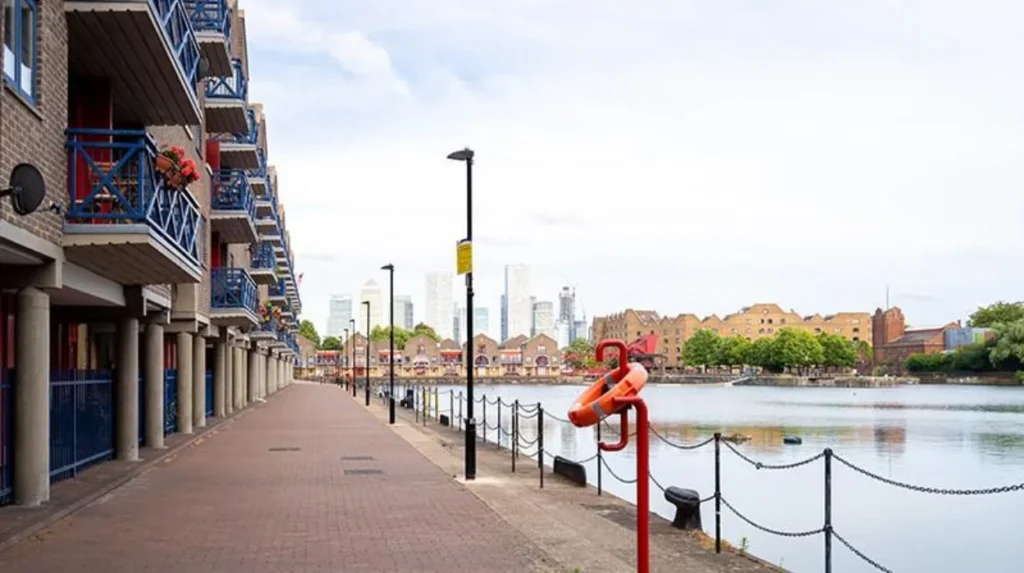
Limehouse preserves historic dockside character through converted warehouses, marinas and quiet riverside walks. Wapping contains cobbled streets, former dock buildings and historic riverside pubs overlooking the Thames.
Bow and Poplar showcase everyday residential East London, while Victoria Park provides one of London’s finest urban green spaces for recreation and outdoor events.
Where can visitors experience authentic local food in Tower Hamlets?
Tower Hamlets offers authentic dining through Bangladeshi restaurants, traditional East End cafés, independent bakeries, multicultural street food, local markets, riverside dining, artisan coffee shops, and neighbourhood eateries reflecting the borough’s exceptionally diverse communities and international culinary heritage.
Food forms one of Tower Hamlets’ strongest cultural identities. Brick Lane remains internationally recognised for Bangladeshi cuisine, reflecting the borough’s large British Bangladeshi population. Restaurants serve regional dishes including biryani, bhuna, balti, tandoori specialities and freshly prepared breads.
Beyond Brick Lane, Whitechapel contains independent cafés, Middle Eastern bakeries, Turkish restaurants and Somali dining establishments serving local communities throughout the day.
Spitalfields Market supports independent food traders offering global cuisine. Visitors find handmade pasta, Japanese dishes, Mexican street food, artisan desserts and speciality coffee from local businesses rather than multinational chains.
Bethnal Green continues the East End tradition of independent cafés. Many establishments emphasise locally roasted coffee, freshly baked pastries, seasonal brunch menus and sustainable sourcing.
Victoria Park village contains neighbourhood restaurants serving modern British cuisine alongside Mediterranean and European influences. These businesses primarily serve local residents, creating an authentic atmosphere throughout the week.
Canary Wharf has expanded its independent food offering alongside established international restaurants. Waterside terraces, food halls and seasonal markets provide diverse dining experiences for visitors and office workers alike.
Traditional East End cafés remain important cultural institutions. Full English breakfasts, pie and mash, sandwiches and classic British comfort food continue to attract long-term residents alongside newer visitors.
Which markets offer the best local shopping experience?
Tower Hamlets’ markets combine historic trading traditions with contemporary independent retail through Spitalfields Market, Brick Lane Market, Columbia Road Flower Market, Roman Road Market, and neighbourhood artisan events supporting local traders, designers, food producers, artists, and small businesses.
Markets have shaped Tower Hamlets for centuries. They continue to provide opportunities to purchase locally produced goods while experiencing community life.
Old Spitalfields Market operates throughout the week with independent retailers, fashion designers, craftspeople, antiques, artwork and specialist food businesses. The historic market building creates a distinctive shopping environment that balances heritage with contemporary retail.
Brick Lane Market attracts visitors seeking vintage clothing, handmade jewellery, independent fashion, vinyl records, books and street food. Sunday remains the busiest trading day, although surrounding businesses operate throughout the week.
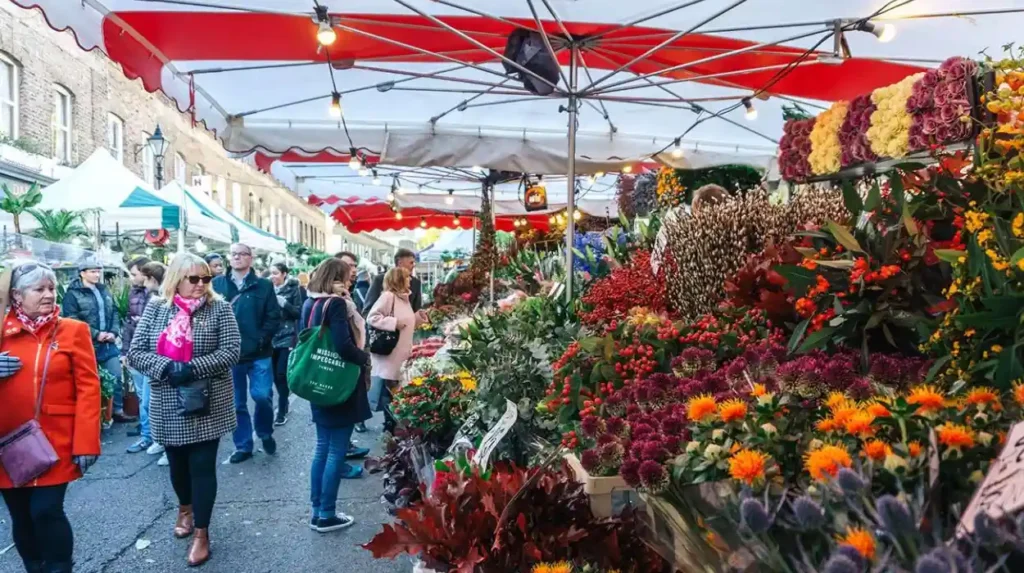
Columbia Road Flower Market transforms the street every Sunday into one of London’s best-known flower markets. Independent florists, plant specialists and gardening businesses line the road alongside cafés, galleries and small retailers.
Roman Road Market continues serving local residents with fresh produce, household goods, clothing and independent traders. The market retains its traditional community function while welcoming increasing numbers of visitors.
Seasonal artisan markets appear regularly across Canary Wharf, Victoria Park and other neighbourhoods, highlighting local food producers, craftspeople and creative businesses.
These markets support small independent enterprises while preserving commercial traditions that have characterised East London for generations.
How can visitors discover Tower Hamlets’ arts and cultural scene?
Tower Hamlets supports a vibrant cultural landscape through contemporary galleries, public art, museums, historic buildings, creative studios, performance venues, street art, festivals, community projects, and internationally recognised cultural institutions reflecting East London’s artistic diversity and heritage.
Art and culture appear throughout the borough rather than remaining concentrated in a single district.
Whitechapel Gallery ranks among Britain’s leading contemporary art institutions. Established in 1901, it has exhibited influential artists while supporting emerging creative talent through exhibitions, education programmes and public engagement.
Street art forms another significant cultural attraction. Brick Lane, Hanbury Street, Fashion Street and surrounding areas display large-scale murals and regularly changing works by internationally recognised artists and local creators.
Canary Wharf hosts one of London’s largest collections of publicly accessible contemporary sculpture. Permanent installations and temporary exhibitions occupy plazas, parks and waterfront spaces throughout the business district.
The borough also contains important museums reflecting local history, childhood heritage and London’s docklands development. Historic churches, synagogues, mosques and community buildings demonstrate the area’s religious and cultural diversity across successive centuries.
Creative studios operate across Bethnal Green, Hackney Wick’s neighbouring districts and converted industrial buildings, supporting designers, photographers, artists and independent makers.
Annual festivals celebrating literature, music, food, visual arts and cultural diversity reinforce Tower Hamlets’ reputation as one of London’s most dynamic cultural destinations.
What outdoor spaces and riverside walks should visitors include?
Tower Hamlets provides extensive outdoor recreation through Victoria Park, the Thames Path, Limehouse Basin, Mile End Park, Regent’s Canal, Island Gardens, Mudchute Park, and numerous neighbourhood green spaces connecting historic landmarks with modern waterfront environments.
Despite its urban character, Tower Hamlets contains significant green and blue spaces.
Victoria Park covers approximately 86 hectares and attracts visitors with ornamental lakes, sports facilities, cafés, playgrounds, gardens and seasonal festivals. Opened in 1845, it remains one of London’s most important public parks.
The Thames Path follows the borough’s southern boundary, providing uninterrupted walking routes past historic warehouses, converted docks, modern developments and riverside viewpoints.
Limehouse Basin connects the Regent’s Canal with the River Thames. The marina offers waterside cafés, residential developments and peaceful walking routes away from central London’s busiest streets.
Regent’s Canal creates another attractive walking and cycling corridor linking Mile End, Victoria Park and neighbouring boroughs through waterside paths lined with narrowboats and wildlife habitats.
Island Gardens offers panoramic views towards Greenwich, while the nearby Greenwich Foot Tunnel provides a unique pedestrian connection beneath the River Thames.
Mudchute Park and Farm combines open grassland, educational facilities and working farm environments, creating one of the largest urban farms in Europe.
These outdoor locations balance urban exploration with opportunities for relaxation and active recreation.
Where can digital nomads and remote workers find productive local spaces?
Tower Hamlets supports remote working through independent cafés, coworking spaces, modern libraries, hotel lounges, flexible work hubs, Canary Wharf business facilities, and neighbourhood coffee shops providing reliable connectivity, comfortable seating, and convenient transport connections throughout the borough.
Remote working has become an established part of Tower Hamlets’ economy.
Canary Wharf offers numerous flexible workspaces alongside cafés designed for professionals working outside traditional offices. Reliable internet connectivity, modern facilities and excellent transport links make the district attractive for digital nomads.
Bethnal Green and Whitechapel feature independent coffee shops with spacious seating, locally roasted coffee and relaxed daytime environments suitable for laptop work.
Spitalfields combines coworking facilities with nearby restaurants, markets and transport connections, allowing professionals to balance work with neighbourhood exploration.
Public libraries provide quieter study environments, free internet access and community facilities for visitors requiring focused working conditions.
Many boutique hotels also maintain welcoming lounges where business travellers can complete work between meetings before exploring nearby attractions during leisure time.
The borough’s excellent transport network allows remote workers to move efficiently between neighbourhoods while maintaining productivity throughout the day.
Explore More Area Guide
Tower Hamlets Attractions: History and Modern City Experiences for Visitors
Tower Hamlets Day Out Guide: Where to Eat, Walk, and Explore
How can business travellers make the most of limited free time?
Business travellers maximise visits by exploring Canary Wharf, riverside walking routes, local restaurants, nearby markets, public art, evening cultural venues, and historic neighbourhoods accessible within minutes using London’s integrated public transport network.
Many visitors stay in Tower Hamlets for conferences, corporate meetings or financial sector business.
Canary Wharf’s compact layout allows visitors to experience waterfront promenades, shopping arcades, public sculpture and restaurants within short walking distances between appointments.
Evening visits to nearby Wapping or Limehouse provide quieter alternatives to central London nightlife while showcasing historic dockside architecture and riverside views.
Lunch breaks create opportunities to explore independent food markets or local cafés beyond office districts.
Business travellers staying near Whitechapel can combine meetings with visits to Brick Lane, Spitalfields Market or nearby cultural institutions without lengthy travel times.
Weekend extensions allow visitors to experience Victoria Park, Columbia Road Flower Market or canal walks before returning home.
Tower Hamlets’ central location means visitors remain connected to the City of London, Westminster, Greenwich and Stratford while enjoying distinctive local neighbourhoods.
What practical tips help visitors explore Tower Hamlets efficiently?
Visitors explore Tower Hamlets most effectively by combining walking with public transport, visiting neighbourhoods during market hours, using contactless payment, respecting residential communities, planning riverside routes, and allowing sufficient time to experience independent businesses beyond major attractions.
Walking reveals architectural details, independent businesses and community life often missed by faster transport.
London Underground stations including Whitechapel, Bethnal Green, Stepney Green, Mile End, Bow Road and Canary Wharf provide convenient access across the borough. The DLR connects docklands districts efficiently, while buses reach residential neighbourhoods less directly served by rail.
Contactless bank cards and mobile payment systems simplify travel across London’s integrated transport network.
Visitors should explore neighbourhoods at different times of day. Morning café culture differs from afternoon market activity and evening restaurant scenes.
Respect for residential communities contributes to sustainable tourism. Many popular visitor destinations remain active local neighbourhoods where residents live and work throughout the year.
Comfortable footwear supports longer walks between markets, riverside paths, parks and cultural attractions. Weather-appropriate clothing also improves year-round exploration, particularly along exposed waterfront routes.
Combining several nearby neighbourhoods into one itinerary reduces travel time while providing a broader understanding of Tower Hamlets’ diversity.
Why is Tower Hamlets one of East London’s most rewarding boroughs to explore?
Tower Hamlets delivers an authentic East London experience by combining historic communities, global cultures, independent businesses, accessible green spaces, world-class transport, significant heritage, and modern regeneration within a compact borough offering meaningful experiences for every type of visitor.
Few London boroughs present such a broad range of experiences within a relatively small geographical area. Historic docklands stand beside internationally important financial districts. Traditional markets continue operating alongside innovative independent retailers. Community cafés coexist with globally recognised restaurants.
The borough’s multicultural identity enriches every aspect of the visitor experience, from food and festivals to architecture, religious heritage and local businesses. This diversity reflects centuries of migration that have continually reshaped East London’s character.
For tourists, Tower Hamlets offers attractions extending far beyond iconic landmarks. For residents, it provides continually evolving neighbourhoods filled with independent enterprises and community events. For digital nomads and business travellers, it combines excellent infrastructure with authentic local experiences that fit around professional commitments.
Exploring Tower Hamlets like a local means slowing down, walking between neighbourhoods, supporting independent businesses, discovering community markets, enjoying riverside spaces and appreciating the borough’s remarkable blend of history, culture and contemporary urban life. That combination makes Tower Hamlets one of East London’s most complete and rewarding destinations for both first-time visitors and returning travellers.
What is Tower Hamlets best known for?
Tower Hamlets is best known for Canary Wharf, Brick Lane, Spitalfields Market, the Tower of London, Victoria Park, its maritime heritage, diverse communities, and vibrant food and cultural scene in East London.