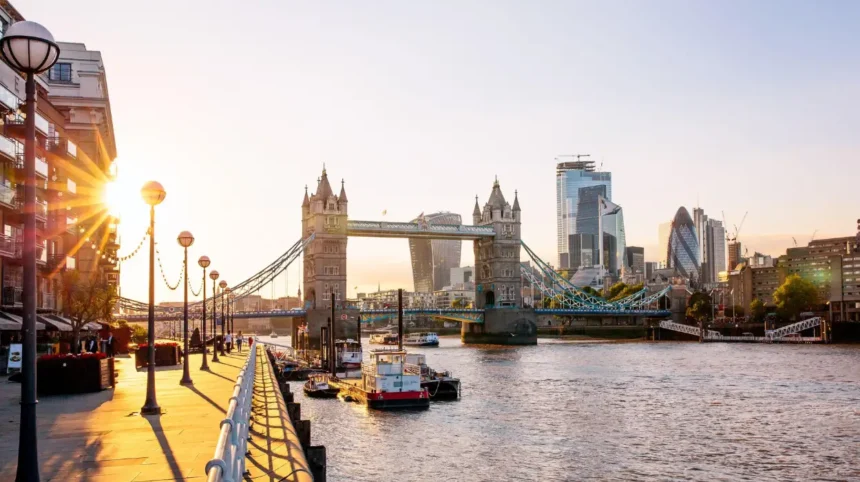
Tower Hamlets is one of London’s most diverse and historically significant boroughs, located in East London beside the River Thames. A weekend visit combines centuries of maritime heritage, global food culture, famous markets, riverside attractions, green spaces, museums, galleries, and modern regeneration areas.
- What makes Tower Hamlets a popular weekend destination in East London?
- Which historic attractions can tourists visit during a Tower Hamlets weekend?
- What are the best markets to explore in Tower Hamlets?
- Where can visitors enjoy riverside experiences in Tower Hamlets?
- Which parks and green spaces are suitable for a weekend visit?
- What cultural attractions should tourists include in a Tower Hamlets weekend itinerary?
- Where can tourists find the best food experiences in Tower Hamlets?
- How can visitors plan a two-day Tower Hamlets weekend itinerary?
- What transport options help tourists explore Tower Hamlets easily?
- Why should Tower Hamlets remain on a London weekend travel list?
The London Borough of Tower Hamlets covers approximately 19.77 square kilometres and had a population of more than 310,000 residents according to recent local authority estimates. The borough includes globally recognised districts such as Canary Wharf, Whitechapel, Bethnal Green, Shoreditch fringe areas, Poplar, Stepney, Limehouse, and the Isle of Dogs.
Weekend visitors experience a compact destination where historic landmarks sit alongside modern business districts. The area connects easily through London Underground stations, Docklands Light Railway (DLR), Elizabeth line services, buses, river transport, and cycling routes.
Tower Hamlets attracts tourists because it offers multiple experiences within short travel distances. Visitors explore medieval churches, Victorian markets, contemporary art spaces, waterfront walks, traditional pubs, independent restaurants, and cultural institutions during a two-day stay.
What makes Tower Hamlets a popular weekend destination in East London?
Tower Hamlets is a popular weekend destination because it combines historic landmarks, riverside attractions, cultural venues, markets, parks, and modern districts within a highly connected London borough. Visitors access centuries of heritage and contemporary experiences through efficient public transport networks across East London.
Tower Hamlets developed around the River Thames, the historic Port of London, and communities shaped by international migration. The borough’s identity reflects maritime trade, industrial growth, religious diversity, and modern financial development.
The area contains important visitor destinations including the Tower of London, Tower Bridge surroundings, Museum of London Docklands, Brick Lane, Columbia Road Flower Market, Victoria Park, and Canary Wharf.
The borough’s tourism appeal comes from its variety. History enthusiasts explore royal and military heritage. Food visitors discover multicultural dining areas. Business travellers use Canary Wharf as a central location while enjoying leisure activities after work.
Tower Hamlets also represents one of London’s strongest examples of urban transformation. Former docklands have changed into residential, commercial, and cultural districts while preserving historic buildings and waterfront landscapes.
As visitors explore the modern borough, they are walking through areas shaped by centuries of trade and migration. Read about the full to understand its origins and historical development.
Which historic attractions can tourists visit during a Tower Hamlets weekend?
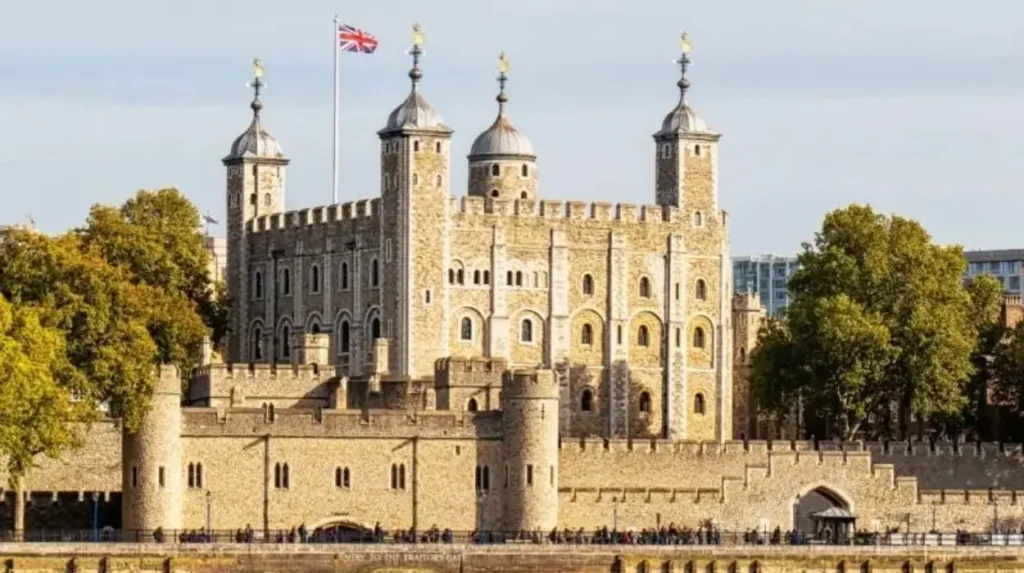
Tower Hamlets contains internationally recognised historic attractions including the Tower of London, St Dunstan in the East surroundings, medieval churches, and former docklands sites that explain London’s royal, maritime, and industrial development. These locations provide direct connections to Britain’s national history.
The Tower of London is the borough’s most famous historic landmark. Founded by William the Conqueror in 1066 after the Norman invasion, the fortress became a royal palace, prison, armoury, and treasury.
The Tower of London is recognised as a UNESCO World Heritage Site because of its outstanding historical importance. Visitors explore the White Tower, medieval defensive structures, royal collections, and the Crown Jewels exhibition.
The nearby Tower Bridge opened in 1894 and remains one of London’s most recognised engineering landmarks. The bridge was designed to maintain river access for ships while allowing road traffic to cross the Thames.
The area around the Thames continues to show evidence of London’s maritime history. Historic warehouses, docks, and riverside buildings demonstrate how trade shaped East London’s economy.
Other historic locations include:
- All Saints’ Church Poplar, a Grade I listed building dating from the early 19th century.
- St Dunstan’s Church in Stepney, with origins connected to medieval religious history.
- Wilton’s Music Hall, one of the world’s oldest surviving music halls, originally developed during the 18th and 19th centuries.
These locations show how Tower Hamlets developed from riverside settlements into a major urban centre.
What are the best markets to explore in Tower Hamlets?
Tower Hamlets markets provide visitors with food, fashion, antiques, flowers, and independent shopping experiences. Popular destinations include Brick Lane Market, Spitalfields Market, Columbia Road Flower Market, and Whitechapel Market, each offering distinctive products and cultural experiences.
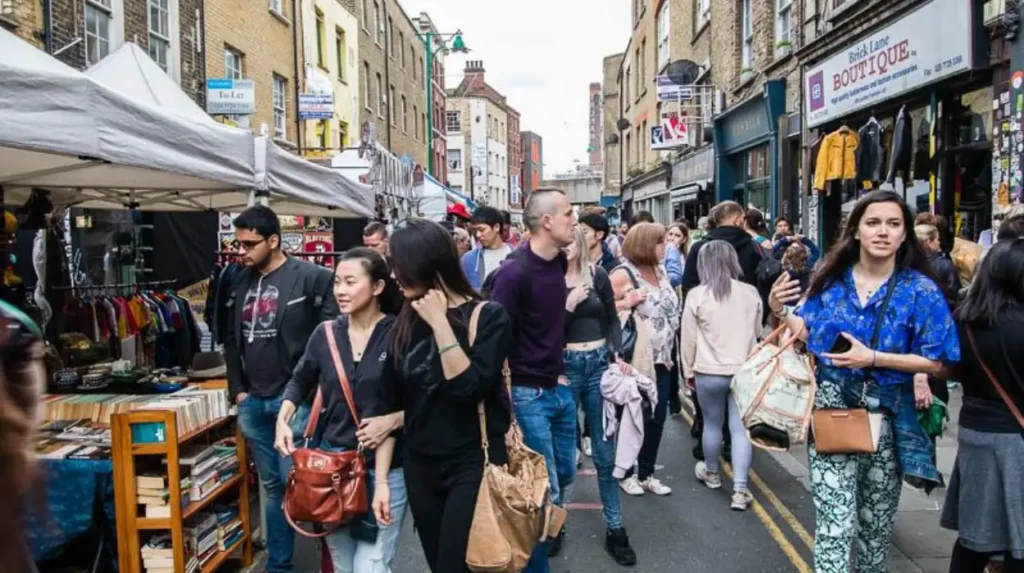
Brick Lane is one of East London’s most recognised cultural streets. The area developed from a historic route into a centre for trade, food, street art, and independent businesses.
Brick Lane Market operates mainly at weekends and features vintage clothing, handmade products, antiques, international food stalls, and creative businesses.
Old Spitalfields Market provides a covered shopping environment near Liverpool Street and Shoreditch. The market dates back to the 17th century and has evolved into a destination for fashion, restaurants, crafts, and events.
Columbia Road Flower Market attracts visitors every Sunday. The market sells flowers, plants, gardening products, and specialist items. The surrounding streets contain independent shops, cafes, and Victorian architecture.
Whitechapel Market represents the borough’s long tradition of international commerce. The market serves local communities with fresh produce, clothing, household products, and specialist foods.
Markets remain central to Tower Hamlets’ visitor economy because they combine shopping with cultural discovery.
Where can visitors enjoy riverside experiences in Tower Hamlets?
Tower Hamlets offers riverside experiences along the River Thames, Limehouse Basin, Canary Wharf waterfront, and docklands areas. Visitors enjoy walking routes, historic views, architecture, restaurants, and public spaces connected to London’s maritime landscape.
The River Thames defines much of Tower Hamlets’ southern boundary. The waterfront provides walking routes with views of historic and modern London.
Canary Wharf is one of Europe’s largest financial districts. The area contains more than 1.2 million square metres of office space and combines business architecture with public parks, restaurants, shopping areas, and waterfront paths.
Limehouse Basin connects the Regent’s Canal with the Thames. The basin developed from historic dock infrastructure and now provides a peaceful walking environment surrounded by residential buildings and boats.
The Thames Path provides a long-distance walking route following the river through London. Visitors use sections of this route for sightseeing, photography, and access to riverside attractions.
The Docklands area demonstrates the transition from industrial shipping zones into modern urban communities.
Which parks and green spaces are suitable for a weekend visit?
Tower Hamlets provides major green spaces including Victoria Park, Mile End Park, and Island Gardens. These parks offer walking routes, recreational facilities, gardens, lakes, and open areas for visitors seeking outdoor activities within East London.
Victoria Park is the borough’s largest public park, covering approximately 86 hectares. Opened in 1845, the park was created as one of London’s Victorian public parks.
The park includes:
- A boating lake.
- Sports facilities.
- Children’s play areas.
- Cafes.
- Gardens.
- Open lawns.
Mile End Park stretches along the Regent’s Canal and provides urban green space across approximately 32 hectares. The park includes gardens, sports areas, and community facilities.
Island Gardens offers one of the best views of Greenwich across the River Thames. The park opened in 1895 and provides a landscaped riverside environment.
These green spaces support wellbeing, recreation, and sustainable tourism by giving visitors alternatives to busy urban streets.
What cultural attractions should tourists include in a Tower Hamlets weekend itinerary?
Tower Hamlets contains major cultural attractions including museums, galleries, music venues, and creative districts. Visitors experience local history, contemporary art, migration stories, and performing arts through institutions located across the borough.
The Museum of London Docklands explores the history of the River Thames, Port of London, and dock communities. The museum opened in 2003 inside a former sugar warehouse dating from 1802.
The Whitechapel Gallery opened in 1901 and became one of London’s leading contemporary art institutions. The gallery supports exhibitions, education programmes, and international artistic projects.
The Brick Lane area is recognised for street art and creative industries. Murals and public artworks reflect social issues, cultural identity, and urban creativity.
Wilton’s Music Hall provides historic performances in a preserved Victorian entertainment venue. The building represents London’s theatrical development during the 19th century.
Tower Hamlets’ cultural sector reflects the borough’s multicultural population and long relationship with artistic production.
Where can tourists find the best food experiences in Tower Hamlets?
Tower Hamlets offers one of London’s most diverse food scenes, including Bangladeshi restaurants, street food markets, modern European dining, bakeries, cafes, and international cuisine across Brick Lane, Whitechapel, Canary Wharf, and Spitalfields.
Brick Lane is internationally known for South Asian cuisine, particularly Bangladeshi restaurants established through decades of migration.
Visitors find:
- Traditional curry houses.
- International street food.
- Artisan bakeries.
- Coffee shops.
- Modern restaurants.
Whitechapel provides a broad selection of South Asian, Middle Eastern, and international dining options. The area reflects the borough’s long history of global communities.
Canary Wharf offers restaurants serving business visitors and weekend tourists. The district includes riverside dining areas and modern food halls.
Spitalfields combines historic surroundings with contemporary restaurants and cafes.
Food tourism contributes significantly to London’s visitor economy because dining experiences allow visitors to understand local communities and cultural influences.
How can visitors plan a two-day Tower Hamlets weekend itinerary?
A two-day Tower Hamlets itinerary combines historic landmarks on the first day with markets, parks, cultural attractions, and riverside experiences on the second day. Efficient transport connections allow visitors to explore multiple areas without long travel times.
A first-day route focuses on central historic attractions:
Morning:
- Tower of London visit.
- Tower Bridge riverside walk.
- Thames waterfront exploration.
Afternoon:
- St Katharine Docks.
- Museum of London Docklands.
- Canary Wharf public spaces.
Evening:
- Brick Lane dining.
- Historic pubs.
- Cultural venues.
A second-day route focuses on local experiences:
Morning:
- Columbia Road Flower Market.
- Bethnal Green streets.
Afternoon:
- Victoria Park.
- Mile End Park.
- Canal walking routes.
Evening:
- Independent restaurants.
- Live entertainment venues.
The borough’s transport infrastructure supports flexible weekend planning.
Explore More Area Guide
Best Canary Wharf Attractions & Tower Hamlets Visitor Guide 2026
Ultimate Tower Hamlets Tourist Guide: East London 2026
What transport options help tourists explore Tower Hamlets easily?
Tower Hamlets has strong transport connectivity through Underground stations, Elizabeth line services, DLR routes, buses, river services, and cycling infrastructure. These connections allow visitors to travel efficiently across East London and central London attractions.
Major transport links include:
- London Underground District and Hammersmith & City lines.
- Jubilee line services through Canary Wharf.
- Elizabeth line stations including Whitechapel and Canary Wharf.
- Docklands Light Railway connections.
- London bus routes.
- Santander Cycles docking locations.
Whitechapel Station became a major interchange after the Elizabeth line opened in 2022. The service improved connections between East London, central London, and Heathrow Airport.
Canary Wharf’s transport network supports both business and leisure travel.
Visitors benefit from walking-friendly districts where attractions, restaurants, and public spaces are located close together.
Why should Tower Hamlets remain on a London weekend travel list?
Tower Hamlets remains a leading London weekend destination because it combines historic importance, cultural diversity, waterfront attractions, green spaces, markets, and modern urban experiences. The borough provides a complete visitor experience within a compact and accessible East London location.
The borough represents London’s continuous transformation. Medieval fortifications, Victorian markets, industrial docks, and modern skyscrapers exist within the same geographic area.
Tourism in Tower Hamlets supports local businesses, hospitality industries, cultural organisations, and community enterprises.
Future development continues around Canary Wharf, the Isle of Dogs, and regeneration areas while preserving important heritage locations.
For weekend visitors, Tower Hamlets provides a complete East London experience built around history, culture, food, nature, and connectivity.
What are the best places to visit in Tower Hamlets for a weekend?
The best places to visit in Tower Hamlets include the Tower of London, Tower Bridge, Brick Lane, Victoria Park, Canary Wharf, Museum of London Docklands, Columbia Road Flower Market, and Limehouse Basin. These attractions combine history, culture, food, nature, and riverside experiences.