Tower Hamlets offers a way to explore East London through its historic neighbourhoods, independent cafés, traditional markets, waterfront paths, community spaces and green areas. Beyond famous attractions, visitors discover the borough’s maritime heritage, Bengali culture, creative industries and everyday local life.
- Why should visitors explore Tower Hamlets beyond its famous landmarks?
- Which Tower Hamlets neighbourhoods offer a more local East London experience?
- Bethnal Green and its independent businesses
- Whitechapel and its cultural identity
- Poplar and the local high street
- Which markets reveal the everyday culture of Tower Hamlets?
- Brick Lane Market for vintage shopping and street food
- Chrisp Street Market for community shopping
- Roman Road Market for traditional East London retail
- Columbia Road Flower Market for plants and independent shops
- Petticoat Lane for textiles and fashion
- Where can visitors discover Tower Hamlets’ history without visiting its most famous landmarks?
- Limehouse and its maritime connections
- Wapping and the historic riverside
- Wilton’s Music Hall and historic entertainment
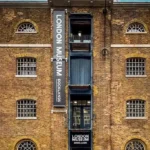
- London Museum Docklands for deeper historical context
- Where can visitors experience Bengali culture and East London’s food traditions?
- Explore Brick Lane’s food businesses
- Visit Whitechapel for South Asian food shopping
- Understand culture through community events
- Which parks and green spaces offer a quieter side of Tower Hamlets?
- Victoria Park for walking and outdoor recreation
- Mile End Park for canals and urban nature
- Discover smaller green spaces
- Where can visitors explore art, music and independent creative spaces?
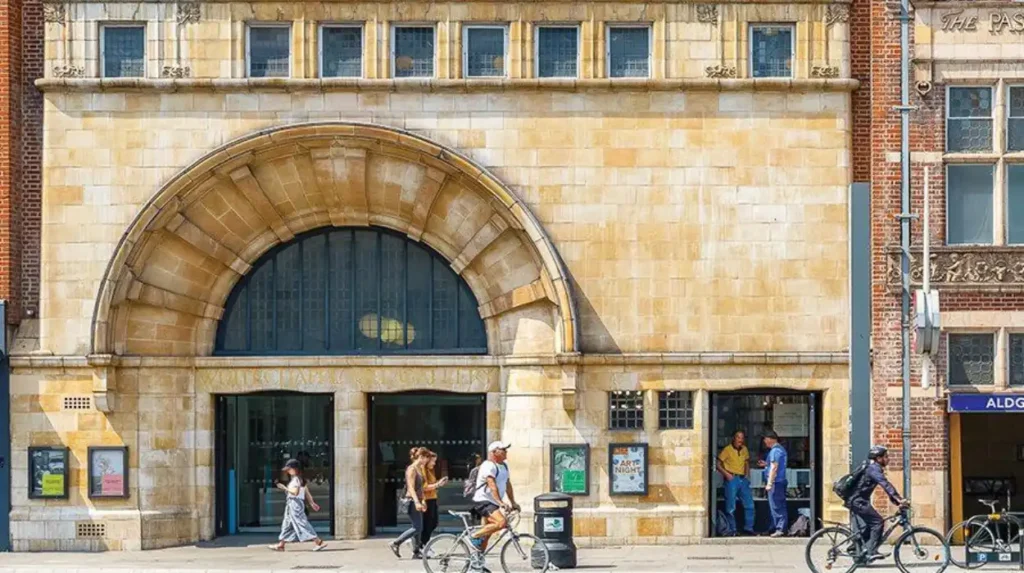
- Whitechapel Gallery for contemporary art
- Rich Mix for film and performance
- Genesis Cinema for independent film
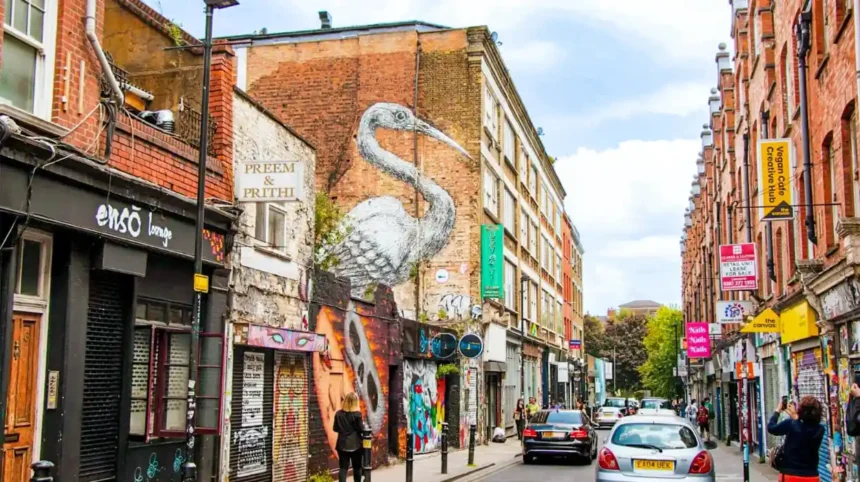
- Discover street art around Brick Lane
- What can visitors discover around Canary Wharf beyond its office towers?
- Walk beside the docks
- Combine contemporary development with docklands history
- Find cultural events and public activities
- How can visitors plan a practical day exploring Tower Hamlets?
- How can visitors travel around Tower Hamlets efficiently?
- How can visitors enjoy Tower Hamlets responsibly and within budget?
- Why is Tower Hamlets worth exploring beyond famous landmarks?
Why should visitors explore Tower Hamlets beyond its famous landmarks?
Tower Hamlets is an East London borough where local markets, historic streets, waterfront districts and community spaces reveal everyday life beyond major tourist attractions. Exploring its neighbourhoods connects visitors with Bengali heritage, docklands history, independent businesses, public art and green spaces across the borough.
Tower Hamlets lies immediately east of the City of London and includes neighbourhoods such as Whitechapel, Bethnal Green, Stepney, Poplar, Bow, Limehouse, Wapping and Canary Wharf. Its identity reflects centuries of trade, migration, manufacturing, working-class communities and urban redevelopment.
The Tower of London and Tower Bridge attract international attention, but the borough offers experiences that extend beyond these major landmarks. Visitors can browse independent shops, explore historic waterways, attend cultural events and spend time in parks without planning an entire day around a ticketed attraction.
The borough’s official visitor information highlights its markets, cultural venues, galleries and more than 120 parks and green spaces. These places provide practical ways to experience East London through everyday activities rather than sightseeing alone.
Which Tower Hamlets neighbourhoods offer a more local East London experience?
Bethnal Green, Whitechapel, Stepney, Poplar, Limehouse and Wapping each provide distinct ways to experience Tower Hamlets. Visitors encounter independent businesses, community markets, historic residential streets, creative venues and riverside paths while moving beyond London’s most familiar tourist destinations.
Neighbourhood exploration works best when visitors select an area according to their interests. The distances between districts are manageable by public transport, although the borough is too large to cover comfortably on foot in a single short visit.
Bethnal Green and its independent businesses
Bethnal Green combines residential streets, cafés, small shops and cultural institutions. Visitors can explore local businesses around Bethnal Green Road and nearby streets before visiting Young V&A, the museum dedicated to childhood, creativity, design and play.
The surrounding neighbourhood also provides access to independent food outlets and quieter streets away from the busiest shopping areas. It suits travellers interested in contemporary community life and the relationship between London’s residential neighbourhoods and its cultural institutions.
Whitechapel and its cultural identity
Whitechapel brings together commercial streets, independent food businesses, art and the history of migration. Whitechapel Gallery provides a point of reference for contemporary art, while Whitechapel Road connects visitors with local shops and everyday street activity.
The neighbourhood’s cultural identity reflects successive communities, including Jewish and Bengali residents. Visitors gain a fuller understanding of East London by exploring its public spaces and businesses alongside its cultural institutions.
Poplar and the local high street
Poplar offers a different perspective on East London from the financial district of Canary Wharf. Chrisp Street Market serves local residents with food, household goods and everyday shopping.
The area is useful for visitors who want to understand how markets function as community infrastructure. Shopping, eating and observing the surrounding streets provide a practical introduction to the borough’s local economy.
Which markets reveal the everyday culture of Tower Hamlets?
Tower Hamlets has established markets that connect independent traders, local shoppers, food businesses and visitors. Brick Lane, Chrisp Street, Roman Road, Petticoat Lane and Columbia Road Flower Market each offer a different shopping experience, from vintage clothing and textiles to flowers and everyday essentials.
Markets are among the most accessible ways to explore East London beyond major landmarks. They bring together retail, food, public space and local traditions in neighbourhood settings.
The borough’s market network includes specialist destinations as well as everyday shopping streets. Opening days vary, so visitors should check current schedules before travelling.
Brick Lane Market for vintage shopping and street food
Brick Lane is known for vintage clothing, antiques, artwork, independent retail and international food. Sunday is a particularly useful time to visit because market activity extends into surrounding streets and venues.
Visitors can browse second-hand fashion, look for records and handmade goods, or stop at a local bakery. The area’s food businesses also reflect its layered history, including its longstanding Jewish and Bangladeshi connections.
Brick Lane is not an undiscovered destination, but exploring its smaller shops and adjoining streets offers a more detailed experience than visiting only its best-known restaurants.
Chrisp Street Market for community shopping
Chrisp Street Market in Poplar serves residents through a mixture of food stalls, independent traders and everyday retail. It offers a useful contrast with the specialist shopping and visitor-focused businesses found in central East London.
Travellers interested in local life should explore the surrounding streets as well as the market itself. This approach reveals how shopping areas support neighbourhood routines rather than operating solely as visitor attractions.
Roman Road Market for traditional East London retail
Roman Road Market serves the Bow area and has a longstanding connection with local shopping. Its stalls and surrounding high street provide opportunities to browse affordable goods, food and independent businesses.
The market is particularly relevant to visitors exploring the East End’s residential communities. Pairing it with a walk through Bow or nearby green spaces creates a broader neighbourhood visit.
Columbia Road Flower Market for plants and independent shops
Columbia Road Flower Market operates on Sundays, with the council listing opening hours of 8 am to 2 pm. The street also contains independent shops, galleries, cafés and other small businesses.
Arriving early gives visitors more time to browse flowers and plants before the busiest period. The surrounding streets offer opportunities to discover small retailers and places to stop for refreshments.
Petticoat Lane for textiles and fashion
Petticoat Lane Market has a history associated with textile trading and migration. The principal market area includes Middlesex Street and nearby streets, where visitors find clothing, fabrics and other retail goods.
This market provides a connection between contemporary shopping and East London’s historic role in the clothing trade. It is a useful stop for visitors interested in the commercial history of the East End.
Where can visitors discover Tower Hamlets’ history without visiting its most famous landmarks?
Tower Hamlets’ history is visible in former docklands, historic streets, converted warehouses, old music venues and residential neighbourhoods. Limehouse, Wapping, Whitechapel and the Isle of Dogs help explain how maritime trade, immigration, industry and redevelopment shaped East London’s modern identity.
East London’s history extends well beyond the Tower of London. The borough developed through riverside commerce, manufacturing, shipping, housing and migration. Its streets preserve evidence of these changes, although redevelopment has transformed many original buildings and industrial sites.
For visitors seeking historical context, neighbourhood walks provide a useful starting point. A route through Limehouse or Wapping connects the Thames with the warehouses, docks and residential areas associated with London’s maritime economy.
As you explore the modern neighbourhoods, you are crossing land shaped by centuries of trade and migration. Read the full [Insert Anchor Text for Tower Hamlets History Article Here] to understand the origins of the area’s streets, communities and historic industries.
Limehouse and its maritime connections
Limehouse developed around the Thames and London’s shipping economy. Its riverside setting and historic street pattern help visitors understand the relationship between commercial activity and residential life.
A walk through the area can include the Limehouse Basin, where waterways connect with the wider canal and dock network. The basin provides a contemporary setting for understanding how transport infrastructure has been repurposed for recreation and residential development.
Wapping and the historic riverside
Wapping’s riverside location connects visitors with London’s docklands past. The area’s historic buildings and narrow streets reflect the former importance of shipping and river-based commerce.
Walking along public riverside paths gives visitors a view of the Thames and the changing use of the waterfront. The contrast between historic structures and modern residential development illustrates how East London’s former industrial districts have evolved.
Wilton’s Music Hall and historic entertainment
Wilton’s Music Hall is a historic performance venue in the East End. It connects visitors with London’s entertainment traditions through theatre, music and cultural programming.
Checking the venue’s programme before visiting helps travellers plan around performances rather than treating the building as a purely architectural attraction. It also provides a way to experience the borough’s cultural heritage through live events.
London Museum Docklands for deeper historical context
London Museum Docklands, located at West India Quay, explores London’s relationship with the River Thames, trade and the docks. Its galleries provide background on the people, goods and industries that shaped the waterfront.
The museum offers free entry and is listed as open daily from 10 am to 5 pm, although visitors should verify current arrangements before travelling. Allow at least an hour for the galleries.
The museum is particularly useful before exploring Limehouse, Poplar or Canary Wharf because it provides context for the physical landscape visible outside.
Where can visitors experience Bengali culture and East London’s food traditions?
Tower Hamlets is a major centre of Bengali community life in London, particularly around Whitechapel and Brick Lane. Visitors can explore restaurants, food shops, bakeries, community businesses and cultural events to understand how migration has influenced the borough’s food and public life.
Food is one of the most direct ways to experience Tower Hamlets’ cultural diversity. Restaurants and independent food businesses reflect the communities that have shaped the East End over generations.
Brick Lane is widely associated with Bangladeshi restaurants and curry houses, while Whitechapel provides access to a broader range of South Asian food shops and businesses. Visitors should approach these neighbourhoods as living communities rather than themed tourist districts.
Explore Brick Lane’s food businesses
Brick Lane offers restaurants, bakeries, cafés and street-food options. Visitors can compare menus, explore local specialities and browse independent food outlets along the main street and nearby lanes.
Food traditions in the area also reflect earlier migration. Jewish bakeries and beigel shops, alongside Bangladeshi restaurants, demonstrate how different communities have contributed to the East End’s commercial identity.
Visit Whitechapel for South Asian food shopping
Whitechapel’s commercial streets provide access to food shops, groceries, restaurants and specialist retailers. These businesses serve residents as well as visitors and offer a practical view of the neighbourhood’s cultural life.
Visitors can explore the shops on foot and choose places to eat according to their dietary preferences and budget. Checking menus and opening times in advance helps when planning around specific requirements.
Understand culture through community events
Cultural events, exhibitions, music and local festivals offer additional ways to experience the borough. Tower Hamlets’ cultural programme includes activities across its public spaces and venues, with dates varying throughout the year.
Visitors should check current listings before travelling, particularly when planning around a festival or performance. Attending a public event provides a structured way to engage with local culture while respecting the fact that these neighbourhoods are also people’s homes and workplaces.
Which parks and green spaces offer a quieter side of Tower Hamlets?
Tower Hamlets contains more than 120 parks and green spaces, including Victoria Park, Mile End Park and smaller neighbourhood gardens. These spaces provide opportunities for walking, cycling, relaxing, wildlife observation and outdoor recreation away from busy shopping streets and major tourist attractions.
Green spaces add variety to a Tower Hamlets itinerary. Visitors can combine a market visit with a park walk, spend time outdoors between cultural activities or explore the relationship between urban development and public recreation.
The council identifies Victoria Park and Mile End Park among its notable green spaces. Its parks also support community events, sports, outdoor activities and local gatherings.
Victoria Park for walking and outdoor recreation
Victoria Park provides lakes, landscaped grounds, walking routes and historic features. It is suitable for visitors looking for a longer outdoor break within East London.
The park’s paths allow visitors to explore at their own pace. Depending on the season, visitors also encounter organised events and recreational activities.
A visit works well alongside a wider exploration of Bethnal Green or Bow. Check event schedules before travelling because large events affect crowd levels and access to particular areas.
Mile End Park for canals and urban nature
Mile End Park combines open green areas with sports facilities, recreational spaces and art-related venues. Its location provides access to the Regent’s Canal and surrounding residential neighbourhoods.
Walking beside the canal offers a different perspective on East London, connecting urban housing, transport infrastructure and waterside recreation. Visitors should remain aware of cyclists and other path users where walking routes are shared.
Discover smaller green spaces
Smaller gardens and neighbourhood open spaces offer quieter stops between major destinations. They are useful for travellers exploring local streets who want a short break without travelling to another large attraction.
Visitors should follow posted rules, dispose of rubbish responsibly and avoid feeding wildlife. The council specifically advises against leaving food for wildlife in its parks.

Where can visitors explore art, music and independent creative spaces?
Tower Hamlets supports a broad cultural scene that includes contemporary art galleries, independent cinemas, historic music venues and creative community spaces. Whitechapel Gallery, Rich Mix, Genesis Cinema and Wilton’s Music Hall provide ways to experience East London’s cultural life beyond traditional sightseeing.
Creative venues reveal another side of the borough’s identity. They connect established cultural institutions with contemporary artists, local audiences and independent organisations.
A visit can involve a gallery exhibition during the day, an independent film in the afternoon or a live performance in the evening. Programmes, ticket prices and opening hours vary, so checking venue information before setting out is essential.
Whitechapel Gallery for contemporary art
Whitechapel Gallery presents exhibitions and public programmes focused on modern and contemporary art. It provides an accessible cultural stop for visitors exploring Whitechapel and the streets surrounding the gallery.
Visitors should check the exhibition calendar to identify current displays, events and any admission requirements. Combining the gallery with a walk through nearby commercial streets creates a broader cultural visit.
Rich Mix for film and performance
Rich Mix is an East London arts and cultural venue associated with film, music and live events. Its programme provides opportunities to experience creative work in a community-focused setting.
The venue is useful for travellers who prefer scheduled cultural activities to conventional sightseeing. Review the listings for the date of your visit and book performances in advance when required.
Genesis Cinema for independent film
Genesis Cinema in the Mile End Road area offers a cinema experience within the East End. Checking its current listings helps visitors find screenings that fit their schedule.
An independent cinema visit also works well in wet weather or during an evening when outdoor attractions have closed.
Discover street art around Brick Lane
Brick Lane and surrounding streets are associated with street art, murals and changing public artwork. Visitors can explore on foot, observing how creative expression appears alongside shops, restaurants and residential buildings.
Street art changes over time, so a particular mural is not guaranteed to remain in place. Respect private property, keep entrances clear and avoid treating residential streets as unrestricted event spaces.
What can visitors discover around Canary Wharf beyond its office towers?
Canary Wharf offers more than office buildings and corporate shopping. Visitors can explore waterfront promenades, public spaces, restaurants, cultural events and connections to the former docks, discovering how a historic commercial waterfront became a major modern business district in East London.
Canary Wharf is part of the Isle of Dogs in Tower Hamlets. Its present-day skyline reflects the redevelopment of former docklands into offices, residential buildings, retail areas and public spaces.
The district suits visitors who enjoy contemporary architecture and waterside walking. Exploring beyond the main shopping areas reveals public routes beside the docks and views across the water.
Walk beside the docks
The waterfront paths around Canary Wharf provide views of modern buildings, water and former dock basins. Visitors can follow public routes and stop at designated seating areas.
These spaces are useful for photography and short breaks between other activities. Allow additional time if combining the waterfront with nearby museums or restaurants.
Combine contemporary development with docklands history
The modern business district makes more sense when viewed alongside the history of the docks. London Museum Docklands provides background on the commercial activity that shaped the area before its transformation into a financial centre.
Visitors can explore the museum and then walk around West India Quay to observe the contrast between historic dock structures and contemporary development.
Find cultural events and public activities
Canary Wharf hosts cultural events and public activities throughout the year. The range and timing vary, so visitors should check official event listings for exhibitions, performances and seasonal installations.
This approach is particularly useful for business travellers with limited free time. A short waterfront walk combined with a scheduled event provides a manageable way to experience the district outside working hours.
How can visitors plan a practical day exploring Tower Hamlets?
A practical Tower Hamlets itinerary combines nearby neighbourhoods rather than attempting to cover the whole borough in one day. Visitors can pair a Sunday market with Brick Lane, explore Whitechapel’s cultural venues, or combine London Museum Docklands with a walk around Canary Wharf.
Planning around geography reduces unnecessary travel and leaves more time for exploring local businesses. Market opening days are especially important because some of the borough’s best-known markets operate only on particular days.
Morning: Columbia Road and Bethnal Green
Start at Columbia Road Flower Market on Sunday morning. Browse the flower stalls and independent shops before continuing towards Bethnal Green for cafés and local businesses.
Late morning and lunch: Brick Lane
Explore vintage shops, street art, food businesses and market stalls. Allow time to eat and browse the surrounding streets instead of limiting the visit to the main road.
Afternoon: Whitechapel
Visit Whitechapel Gallery when its opening hours and exhibitions suit your plans. Explore local shops and food businesses in the surrounding neighbourhood.
Alternative afternoon: Docklands
For a separate itinerary, visit London Museum Docklands and walk around West India Quay. This route is more convenient when travelling towards Canary Wharf than when trying to fit every neighbourhood into the same afternoon.
Visitors travelling on weekdays should prioritise galleries, museums, neighbourhood walks and independent cafés. Those visiting at weekends can build their plans around markets, while checking current schedules for each destination.
How can visitors travel around Tower Hamlets efficiently?
Tower Hamlets is served by the London Underground, London Overground, Docklands Light Railway, Elizabeth line, buses and river services. Choosing transport according to the neighbourhood reduces walking time between distant districts and makes it easier to combine markets, parks and cultural venues.
The borough’s destinations are spread across several connected but distinct areas. Brick Lane, Whitechapel, Victoria Park and Canary Wharf do not form one compact attraction zone, so route planning is important.
Use public transport for longer distances
Underground, Overground and DLR services connect major parts of Tower Hamlets with central London and other East London districts. The Elizabeth line also provides access to the Canary Wharf area and connections across London.
For shorter journeys, walking reveals independent shops, street art and local streets that are easy to miss when travelling directly between attractions.
Check accessibility and journey times
Use Transport for London’s journey planner to confirm routes, planned engineering works and service changes. Check station accessibility information if travelling with a wheelchair, pushchair or mobility aid.
Market streets and older pavements can become crowded at busy times. Allow additional time when moving between venues, particularly on Sundays and during major events.
Explore More Area Guide
Best Places to Explore Tower Hamlets’ Past and Present
How Tower Hamlets Blends Historic East London With Modern Life
How can visitors enjoy Tower Hamlets responsibly and within budget?
Visitors can explore Tower Hamlets on a range of budgets by prioritising public parks, neighbourhood walks, markets and free museum galleries. Responsible travel also means supporting local businesses, respecting residential communities, following public-space rules and checking admission costs before visiting cultural venues.
Many experiences in Tower Hamlets do not require an attraction ticket. Walking through neighbourhoods, exploring public parks and browsing market streets provide ways to experience East London while keeping spending under control.
Choose free and low-cost activities
London Museum Docklands offers free entry, and public parks provide outdoor recreation without a standard admission charge. Markets are generally accessible to browse, although purchases and food cost extra.
Check gallery and performance details before visiting because special exhibitions and ticketed events follow different arrangements. Travellers should also budget for transport and food rather than assuming every part of a day out is free.
Support independent traders
Buying from local shops, cafés and market stalls directs spending towards businesses operating in the neighbourhood. Visitors can compare prices, ask traders about their products and choose purchases that fit their budgets.
Respect the places you visit
Tower Hamlets is a residential borough as well as a visitor destination. Keep noise down in residential streets, avoid blocking doorways for photographs and dispose of rubbish properly.
At markets, follow stallholders’ instructions and allow other shoppers space. On canal paths and waterfront promenades, remain aware of cyclists, pedestrians and changing surfaces.
Why is Tower Hamlets worth exploring beyond famous landmarks?
Tower Hamlets rewards visitors who explore its everyday places as well as its major attractions. Local markets, Bengali food businesses, historic docklands, contemporary galleries, independent venues and green spaces reveal how migration, trade and redevelopment continue to shape East London’s character.
The borough offers several ways to build a meaningful visit around personal interests. Food-focused travellers can explore Brick Lane and Whitechapel. Visitors interested in industrial history can walk around Limehouse, Wapping and West India Quay. Those seeking outdoor recreation can choose Victoria Park or Mile End Park.
Markets provide an introduction to local commerce, while cultural venues connect visitors with art, music and community activity. These experiences complement major landmarks rather than replacing them.
For travellers with limited time, the most effective approach is to choose one or two neighbouring districts and explore them thoroughly. That creates space to discover independent businesses, understand local history and experience East London beyond a checklist of famous sights.
Tower Hamlets is not defined by one attraction. Its character emerges from the connections between its communities, streets, markets, waterfront and public spaces.
What is Tower Hamlets famous for besides the Tower of London?
Tower Hamlets is known for Brick Lane, Bengali culture, traditional markets, historic docklands, independent art venues, waterfront walks and green spaces such as Victoria Park and Mile End Park.