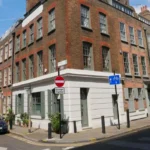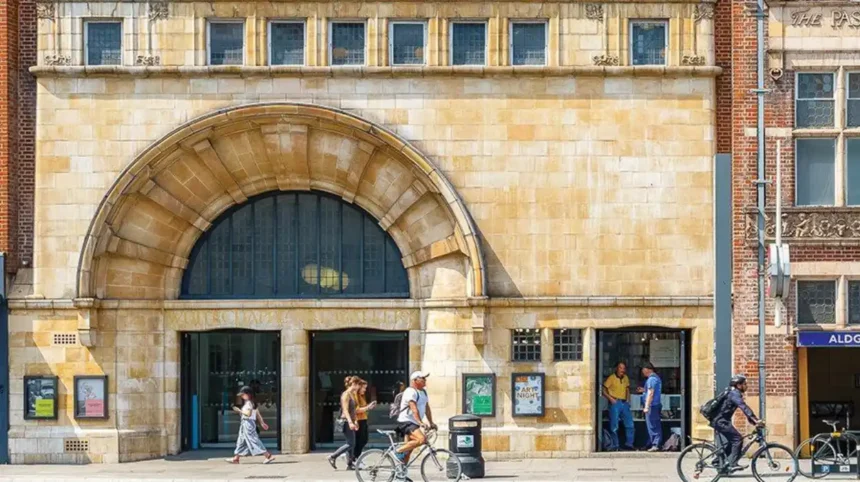
Tower Hamlets is one of East London’s most significant destinations for independent art, contemporary exhibitions and creative culture. The borough combines established galleries, artist-led organisations, photography spaces, independent studios and community arts venues. Its creative landscape reflects the area’s industrial heritage, migration history, commercial development and continuing cultural transformation.
- What Makes Tower Hamlets an Important Destination for Independent Art and Creative Spaces?
- Which Independent Art Galleries Should You Visit in Tower Hamlets?
- Where Can You Discover Artist-Led Creative Spaces in Tower Hamlets?
- What Can You See at the Nunnery Gallery in Bow?
- Where Can You Explore Photography and Film-Based Art in Tower Hamlets?
- Photography exhibitions
- Independent film and moving images
- Photography learning and creative development
- Which Creative Arts Centres Offer Community Activities in Tower Hamlets?
- Where Can You Find Contemporary Art Around Whitechapel and Brick Lane?
- What Types of Art and Creative Exhibitions Can You Discover in Tower Hamlets?
- Contemporary painting and drawing
- Photography and documentary art
- Sculpture and installation art
- Digital and moving-image art
- Textile and mixed-media art
- Performance and participatory art
- How Do Independent Galleries Support Emerging Artists in Tower Hamlets?
- Exhibition opportunities
- Artist development
- Creative collaboration
- Public engagement
- Supporting local creative economies
- How Can Visitors Plan an Independent Art Gallery Trail Around Tower Hamlets?
- When Is the Best Time to Visit Independent Galleries in Tower Hamlets?
- Weekday gallery visits
- Saturday visits
- Evening exhibitions and cultural events
- Seasonal exhibitions and annual programmes
- How Can You Reach Tower Hamlets’ Independent Galleries by Public Transport?
- Why Are Independent Galleries Important to Tower Hamlets’ Cultural Identity?
- Preserving local cultural connections
- Encouraging cultural participation
- Supporting cultural tourism
- Strengthening the creative economy
- What Should You Know Before Visiting Independent Galleries in Tower Hamlets?
Visitors exploring independent galleries and creative spaces in Tower Hamlets encounter different forms of artistic expression. These include contemporary painting, sculpture, photography, digital art, experimental installations, fashion, design and community-led exhibitions. The borough also provides opportunities to meet artists, attend workshops, discover emerging talent and explore creative neighbourhoods.
The main areas for independent art and cultural activity include Whitechapel, Bethnal Green, Bow, Shoreditch’s eastern fringe and the Isle of Dogs. Each location offers a different cultural experience. Whitechapel has an established gallery tradition, Bethnal Green supports independent creative organisations, and Bow has a strong connection with community arts and artist-led projects.
Independent galleries are important because they provide exhibition opportunities beyond major national museums. They support emerging artists, encourage public participation and introduce visitors to contemporary cultural practices. Tower Hamlets offers a particularly varied environment for discovering these activities within a relatively compact part of London.
What Makes Tower Hamlets an Important Destination for Independent Art and Creative Spaces?
Tower Hamlets is an important East London arts destination because it combines historic galleries, independent exhibition venues, artist-led organisations and community creative centres. Its cultural infrastructure supports emerging artists, experimental exhibitions, photography, contemporary art and accessible public participation.
The borough’s artistic identity developed through industrial growth, migration, local craftsmanship and changing urban communities. Its cultural venues reflect these influences through exhibitions that examine identity, social change, architecture, politics and everyday life.
Tower Hamlets also benefits from its position within London’s wider creative economy. It connects established cultural institutions with independent organisations and working artists. This relationship creates opportunities for visitors to experience established contemporary art alongside experimental work from emerging practitioners.
Independent galleries operate differently from large national museums. They often concentrate on particular artistic disciplines, represent emerging artists or organise temporary exhibitions around specific subjects. Some provide commercial representation, while others operate as charitable organisations or community-supported exhibition spaces.
The borough’s creative infrastructure includes:
- Contemporary art galleries presenting emerging and established artists, such as Whitechapel Gallery and Maureen Paley.
- Artist-led exhibition spaces supporting experimental practices, including Nunnery Gallery and Four Corners.
- Community arts centres providing workshops and cultural activities, including Poplar Union and Brady Arts Centre.
- Independent creative studios offering professional workspace and opportunities for artistic collaboration.
These organisations make Tower Hamlets a destination for visitors interested in contemporary East London culture.
Which Independent Art Galleries Should You Visit in Tower Hamlets?
Tower Hamlets has several distinctive galleries offering contemporary exhibitions, photography, experimental installations and emerging artistic talent. Whitechapel Gallery, Nunnery Gallery, Espacio Gallery, Maureen Paley and StolenSpace provide different perspectives on the borough’s independent art scene.
Founded in 1901, Whitechapel Gallery is one of East London’s most established contemporary art institutions. Its programme includes international exhibitions, new commissions, artist talks, workshops and public displays. Several displays are free, while selected major exhibitions require tickets. Love Tower Hamlets+1
Operated by Bow Arts, this free public gallery presents multidisciplinary exhibitions and artist-led projects. Its programme includes moving-image art, digital exhibitions, community research and the East London Art Prize.
Espacio Gallery is an independent exhibition venue showcasing contemporary painting, photography, sculpture, textiles, printmaking and digital art. Its changing programme includes group exhibitions and opportunities for emerging artists.
Maureen Paley is a contemporary art gallery with a history dating back to 1984. Its programme includes international artists working in painting, photography, sculpture, film and installation. The gallery has played an important role in presenting significant contemporary artistic practices in East London.
StolenSpace focuses on contemporary urban art and street-art-influenced creative practices. Exhibitions include illustration, graphic art, painting and work connected with contemporary visual subcultures. Its location near Brick Lane makes it convenient for visitors exploring Whitechapel and Shoreditch.
These galleries offer different approaches to contemporary art. Whitechapel Gallery provides an established institutional programme, while Espacio Gallery offers an independent exhibition environment. Nunnery Gallery connects contemporary practice with local communities, and StolenSpace introduces visitors to urban artistic movements.
Where Can You Discover Artist-Led Creative Spaces in Tower Hamlets?
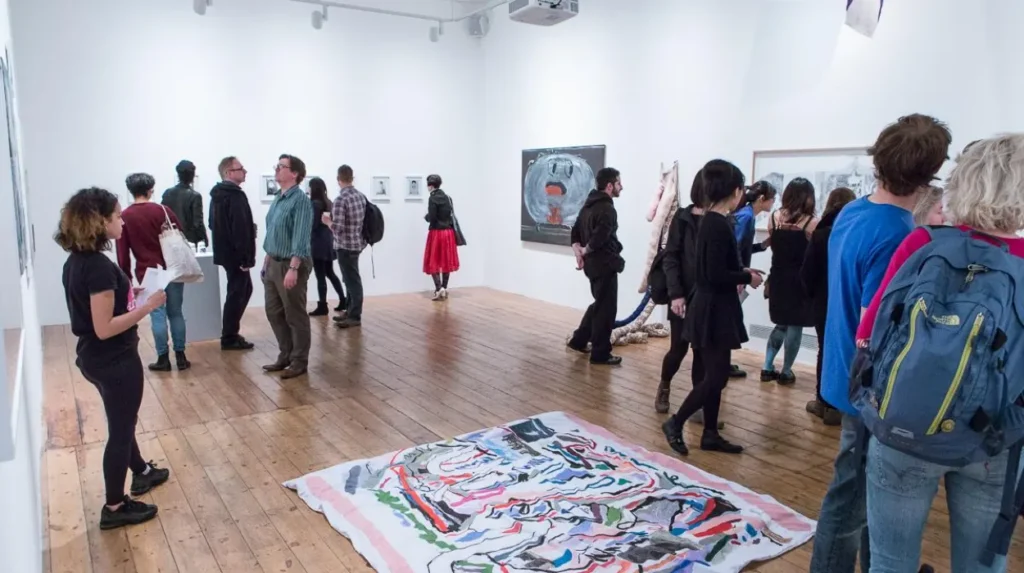
Artist-led creative spaces in Tower Hamlets provide exhibition opportunities, affordable studios, professional development and collaborative working environments. Four Corners, Bow Arts and independent studio communities connect practising artists with visitors through workshops, screenings, exhibitions and creative projects.
Artist-led spaces are organisations or venues where artists influence programming, production, collaboration and exhibition opportunities. They differ from conventional commercial galleries because their activities frequently extend beyond displaying finished artworks.
Tower Hamlets has a particularly strong tradition of community-based artistic development.
Four Corners, Bethnal Green
Four Corners is an independent film and photography centre. It combines exhibitions, filmmaking resources, photography facilities, training and creative workspace. Its programme connects documentary photography and moving-image practices with community participation.
Four Corners is particularly relevant to visitors interested in photography and independent filmmaking. Its exhibitions introduce documentary approaches, experimental visual storytelling and photography as an artistic medium.
The organisation also supports practical creative development. Its facilities and training programmes connect artists and filmmakers with production resources, helping people develop work rather than simply display completed projects.
Bow Arts and its creative network
Bow Arts supports artists through studio provision, exhibitions, education and community programmes. Established in 1995, the organisation celebrated 30 years of activity in 2025. Art Education, Exhibitions, Events
Its work extends beyond conventional gallery exhibitions. Bow Arts connects artists with schools, local organisations and community groups. Its programmes create opportunities for residents to engage with visual art and creative education.
Spitalfields Studios
Spitalfields Studios provides an artist-led working environment with creative studios, exhibitions and events. Its Sky Gallery adds an exhibition dimension to the studio community.
These creative spaces demonstrate how Tower Hamlets supports the production of art as well as its public presentation.
Visitors should distinguish between public galleries and working studios. A studio building does not automatically provide unrestricted access to every workspace. Check exhibition announcements, open-studio events and visitor arrangements before travelling.
What Can You See at the Nunnery Gallery in Bow?
Nunnery Gallery is one of Bow’s most important independent exhibition venues. Operated by Bow Arts, it presents free contemporary exhibitions, moving-image projects, artist showcases and locally researched creative programmes inside a historic former convent building.
The gallery is located at 181 Bow Road, close to Bow Road Underground station and Bow Church DLR station. Its setting connects contemporary artistic practice with the architectural and social history of the surrounding neighbourhood.
The venue has a multidisciplinary exhibition programme. This means it presents different artistic formats rather than concentrating exclusively on painting or sculpture.
Its regular activities include:
- Visions in the Nunnery, a biennial programme showcasing moving-image, digital and performance art.
- Bow Open, an exhibition presenting work by Bow Arts studio holders.
- The East London Art Prize, which promotes artistic talent across East London.
- Raw Materials, a research programme exploring the industrial history of the River Lea Valley.
The gallery’s exhibitions provide opportunities to discover artists working with different materials, technologies and cultural subjects.
The Nunnery also has a café that operates as a creative social space. This provides a place for visitors to meet, relax and engage with the surrounding arts community.
Practical visitor information
- Address: 181 Bow Road, London E3 2SJ.
- Opening days: Wednesday to Sunday.
- Published opening hours: 10am–4pm.
- Admission: Free for exhibitions.
- Accessibility: Step-free access and an accessible toilet are available.
Opening hours and exhibition arrangements should be checked before visiting. Bow Arts
The building itself adds another dimension to the experience. Its historic character contrasts with the contemporary exhibitions inside, demonstrating how older buildings continue to serve modern cultural purposes.
As you explore Bow’s contemporary creative venues, you are also crossing an area shaped by industrial development and historic community life. Discover the [Insert Anchor Text for Bow’s Historic Buildings and Industrial Heritage Article Here] to understand the area’s origins and architectural development.
Where Can You Explore Photography and Film-Based Art in Tower Hamlets?
Four Corners in Bethnal Green is a leading destination for photography, independent filmmaking and experimental visual arts in Tower Hamlets. Its exhibition programme connects documentary photography, film production, artist development and community-based creative education.
Photography and film have an important place in East London’s independent arts scene. These mediums document neighbourhood changes, cultural identities, working communities and everyday experiences.
Four Corners provides a practical starting point for visitors interested in these disciplines. Its Roman Road location places it within Bethnal Green, an area with a long connection to working-class culture, independent businesses and community organisations.
The organisation supports creative activities through several functions.
Photography exhibitions
Photography exhibitions present images that document people, places, events and social conditions. Documentary photography records real-life subjects, while contemporary photographic art uses composition, editing and presentation to communicate artistic ideas.
Visitors can explore different approaches to image-making through changing exhibitions and associated events.
Independent film and moving images
Independent filmmaking provides opportunities for artists to experiment with visual narratives outside mainstream commercial cinema. Film exhibitions and screenings introduce audiences to alternative approaches to documentary, experimental and community-based filmmaking.
Four Corners connects these creative practices with professional resources and production facilities.
Photography learning and creative development
Creative education is another important part of Four Corners’ work. Its activities include training and opportunities for people developing photography and filmmaking skills.
The organisation has also delivered Camera-works, a photography course initiative for Tower Hamlets residents under 25. google.com
These activities make Four Corners relevant to several audiences:
- Visitors interested in documentary photography and visual culture.
- Students exploring film, photography and creative education.
- Emerging artists seeking professional development.
- Residents interested in local creative participation.
The venue is situated at 121 Roman Road, Bethnal Green. Check its exhibition calendar before visiting because public access and opening times depend on the programme.
Which Creative Arts Centres Offer Community Activities in Tower Hamlets?
Community arts centres in Tower Hamlets connect professional artists, residents and cultural organisations through exhibitions, performances, workshops and educational activities. Brady Arts Centre, Poplar Union and the Art Pavilion provide accessible opportunities to experience local creativity.
Community creative spaces serve a broader purpose than traditional exhibition galleries. They provide facilities where people participate in artistic activities, learn new skills and engage with cultural programmes.
Tower Hamlets has several venues that combine visual art with other creative disciplines.
Brady Arts Centre, Whitechapel
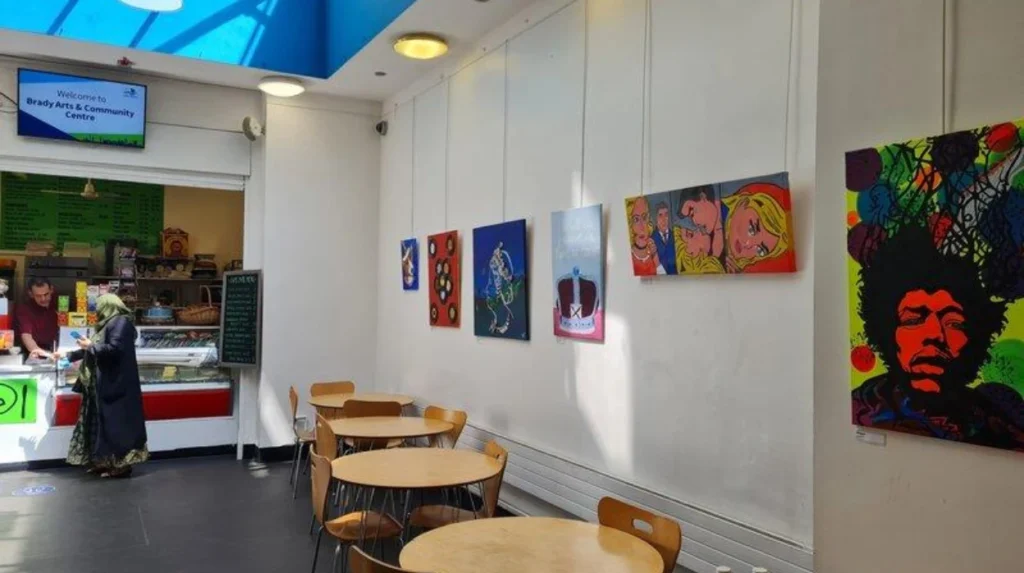
Brady Arts Centre is a council-supported arts and community venue with an exhibition gallery, theatre, art studio and multipurpose facilities. Its exhibitions include painting, photography, textiles, printmaking and mixed-media work. Whitechapel Gallery
The gallery provides opportunities for local and international artists to exhibit work. Priority for exhibition consideration is given to artists who live or work in Tower Hamlets or whose work reflects East London.
Its location near Brick Lane makes it convenient for visitors exploring Whitechapel’s cultural attractions.
Brady Arts Centre also supports creative participation through its facilities and community activities. The combination of exhibition areas and practical studio facilities makes it useful for visitors interested in how art is developed and presented.
Poplar Union, Poplar
Poplar Union is a community-focused cultural venue offering creative activities, workshops, performances and opportunities for local participation. It supports cultural engagement through partnerships with artists, residents and community organisations.
Unlike a conventional gallery, Poplar Union combines artistic activity with community learning and cultural events.
Its programme includes spoken-word performances, workshops and other creative activities. Visitors should check the event calendar to identify exhibitions and activities available during their visit.
The venue also includes a café operated by e5 Poplar Bakehouse, creating an additional social space for visitors.
The Art Pavilion, Mile End Park
The Art Pavilion is an exhibition and event venue in Mile End Park. It hosts contemporary art exhibitions, community showcases and creative events involving different artistic disciplines.
Its location within a public park provides an opportunity to combine cultural visits with outdoor recreation.
The venue has hosted exhibitions involving drawing, photography, textiles, ceramics, painting and mixed-media artwork. Its community-facing programme provides exhibition opportunities for artists and local educational organisations.
These three locations demonstrate the importance of community arts infrastructure in Tower Hamlets. They connect artistic production with education, public participation and neighbourhood identity.
Where Can You Find Contemporary Art Around Whitechapel and Brick Lane?
Whitechapel and Brick Lane form an accessible cultural area for discovering contemporary art in Tower Hamlets. Whitechapel Gallery, StolenSpace, Brady Arts Centre and nearby independent exhibition spaces provide opportunities to explore photography, street art and experimental visual culture.
Whitechapel has a long-standing connection with artistic and cultural activity. Its gallery tradition developed alongside the neighbourhood’s wider history of immigration, commerce, community organisations and social change.
Whitechapel Gallery remains a central destination. Its exhibitions connect international contemporary art with subjects relevant to East London’s communities.
Brick Lane adds a different dimension to the experience. The area is associated with independent businesses, creative industries, street art and changing cultural influences.
Visitors exploring this part of Tower Hamlets can combine several artistic experiences.
Contemporary exhibition spaces
Whitechapel Gallery provides a structured programme of exhibitions, public displays and cultural events. StolenSpace introduces visitors to urban art and contemporary street-art-influenced practices.
Brady Arts Centre provides a community-focused exhibition environment where local and international artists present different creative disciplines.
Street art and public visual culture
Brick Lane and surrounding streets contain examples of street art and changing public visual displays. These works introduce artistic expression into everyday urban environments.
Street art differs from gallery-based exhibitions because it occupies public or privately controlled exterior surfaces. Its presentation is influenced by location, building ownership, permissions and changing urban development.
Visitors should respect private property and avoid treating every visible mural as permanently accessible artwork.
Independent creative businesses
The neighbourhood also contains independent creative businesses, specialist shops and design-related enterprises. These contribute to the wider cultural character of the area.
A visit to Whitechapel and Brick Lane therefore offers more than a gallery itinerary. It provides an opportunity to understand how contemporary art interacts with commercial streets, public space and local communities.
What Types of Art and Creative Exhibitions Can You Discover in Tower Hamlets?
Tower Hamlets supports a varied contemporary art programme encompassing painting, photography, sculpture, digital installations, film, textiles and performance. Its independent galleries and creative organisations introduce visitors to different materials, artistic techniques and cultural subjects.
Understanding the different exhibition formats helps visitors choose venues that match their interests.
Contemporary painting and drawing
Painting and drawing remain important forms of gallery-based artistic expression. Exhibitions range from figurative portraits and architectural studies to abstract compositions and experimental approaches to colour.
Espacio Gallery and Nunnery Gallery provide opportunities to discover changing painting and drawing exhibitions.
Photography and documentary art
Photography records people, communities, buildings and cultural events. Documentary photography focuses on real-world subjects, while experimental photography explores visual composition and artistic interpretation.
Four Corners is particularly relevant to visitors interested in these disciplines.
Sculpture and installation art
Sculpture uses materials such as metal, wood, stone, ceramics and manufactured objects to create three-dimensional artworks.
Installation art uses physical spaces as part of the artwork. Artists combine objects, lighting, sound and spatial arrangements to create an environment for visitors.
Nunnery Gallery’s multidisciplinary programme provides opportunities to encounter experimental exhibition formats.
Digital and moving-image art
Digital art incorporates computer-based processes, video, animation and interactive technologies. Moving-image exhibitions present artistic work through screens and projection systems.
Visions in the Nunnery is an established example of a programme dedicated to moving-image, digital and performance practices. Bow Arts
Textile and mixed-media art
Textile art uses fabrics, fibres, stitching and other material techniques to create visual compositions. Mixed-media art combines different materials and processes within one artwork.
These disciplines appear in community exhibitions and independent gallery programmes across the borough.
Performance and participatory art
Performance art uses physical action, movement, speech and live interaction as artistic methods. Participatory art involves audiences in the creative process through workshops, collaborative projects and interactive activities.
Community arts venues such as Poplar Union provide opportunities to experience creative programming beyond conventional gallery displays.
The variety of artistic formats makes Tower Hamlets relevant to visitors with different levels of art knowledge. First-time gallery visitors can discover accessible exhibitions, while experienced audiences can explore specialist practices and experimental work.
How Do Independent Galleries Support Emerging Artists in Tower Hamlets?
Independent galleries support emerging artists by providing exhibition opportunities, professional networks, public exposure and access to creative communities. Tower Hamlets organisations use exhibitions, open calls, artist studios, workshops and cultural partnerships to strengthen the local creative economy.
Emerging artists are practitioners developing their professional careers and establishing their artistic identities. Independent exhibition spaces provide opportunities to introduce their work to audiences and build professional relationships.
Tower Hamlets has several organisations that contribute to this process.
Exhibition opportunities
Independent galleries organise solo and group exhibitions that introduce artists to the public. Group exhibitions are particularly useful for emerging practitioners because they provide opportunities to exhibit alongside other artists.
Espacio Gallery and Nunnery Gallery demonstrate different approaches to presenting contemporary artists.
Artist development
Artist development involves improving professional skills, building networks and gaining access to resources. Organisations such as Bow Arts support creative development through studio provision, educational programmes and exhibitions.
These services help artists develop sustainable professional practices.
Creative collaboration
Collaboration connects artists with organisations, residents, educational institutions and other creative professionals.
Collaborative projects frequently combine artistic practice with local research, community participation and cultural education.
Public engagement
Public exhibitions create opportunities for audiences to encounter artists and their work. Talks, workshops and exhibition events provide additional ways to understand artistic processes.
For visitors, these activities offer insight into the people and organisations responsible for maintaining East London’s creative culture.
Supporting local creative economies
Independent creative organisations contribute to the local economy through employment, workspace provision, events and cultural tourism.
Artist studios also create demand for materials, equipment, printing, photography services and other specialist supplies.
This relationship connects artistic production with the wider economic development of Tower Hamlets.
How Can Visitors Plan an Independent Art Gallery Trail Around Tower Hamlets?
Visitors can explore Tower Hamlets’ independent galleries through a neighbourhood-based itinerary connecting Whitechapel, Bethnal Green, Bow and Mile End. Planning around opening hours, exhibition dates and public transport makes it easier to experience several creative venues.
The borough’s cultural venues are spread across different neighbourhoods. Organising visits geographically reduces unnecessary travel and provides opportunities to discover surrounding independent businesses and historic streets.
Route 1: Whitechapel and Brick Lane
Start at Whitechapel Gallery and explore its contemporary exhibitions. Continue towards Brady Arts Centre on Hanbury Street before visiting StolenSpace near Brick Lane.
This route combines established exhibitions, community arts and urban visual culture.
Route 2: Bethnal Green and Roman Road
Begin at Four Corners on Roman Road and explore its photography and film-related activities. Continue towards Espacio Gallery on Bethnal Green Road.
This route suits visitors interested in independent exhibitions, photography and emerging artists.
Route 3: Bow and Mile End
Visitors should check individual exhibition schedules before setting out. Independent venues frequently change their programmes, and studio buildings do not always offer unrestricted public access.
When Is the Best Time to Visit Independent Galleries in Tower Hamlets?
Weekdays and Saturdays provide useful opportunities to explore independent galleries in Tower Hamlets, although opening arrangements differ between organisations. Exhibition launches, weekend programmes and evening cultural events offer additional opportunities to experience East London’s creative community.
The best visiting time depends on the venue and the type of activity.
Weekday gallery visits
Weekdays suit visitors who prefer quieter exhibition environments. Several independent galleries and creative organisations operate during weekday afternoons.
Nunnery Gallery publishes Wednesday-to-Sunday opening hours, while Four Corners lists public opening days from Wednesday to Saturday.
Saturday visits
Saturday is useful for combining gallery visits with independent shops, markets and cafés.
Whitechapel Gallery, Espacio Gallery and other exhibition spaces provide opportunities to explore different artistic disciplines within the same general area.
Evening exhibitions and cultural events
Some galleries and creative organisations arrange evening events, exhibition launches and artist talks.
Whitechapel Gallery runs Whitechapel Lates every Thursday from 6pm to 9pm. During these events, visitors can access exhibitions on a pay-what-you-can basis.
Seasonal exhibitions and annual programmes
Certain creative events operate annually or biennially rather than throughout the year.
Examples include Bow Open, the East London Art Prize exhibitions and Visions in the Nunnery. Visitors interested in these programmes should check the organisations’ announcements for confirmed dates.
How Can You Reach Tower Hamlets’ Independent Galleries by Public Transport?
Tower Hamlets’ independent galleries are accessible through the London Underground, Overground, DLR and local bus network. Whitechapel, Bethnal Green, Bow Road, Bow Church and Mile End provide useful transport connections for visitors exploring the borough’s cultural venues.
Public transport is the most practical way to reach many independent galleries in Tower Hamlets.
Whitechapel station provides Underground, Elizabeth line and Overground connections. It is particularly useful for visitors travelling from central London and other East London destinations.
Bow Road station serves the Nunnery Gallery area through the District and Hammersmith & City lines. Bow Church DLR station is also within walking distance.
Mile End station provides Underground access to the Art Pavilion and surrounding parkland.
Visitors should check Transport for London’s journey planner for service changes, engineering works and accessible travel information.
Walking between nearby galleries is another practical option. Whitechapel and Brick Lane, for example, are connected by pedestrian routes through the surrounding commercial streets.
Explore More Area Guide
Tower Hamlets Photography Guide: Streets and Waterfront Architecture
Exploring East London’s Historic Docklands Warehouses and Maritime Heritage
Why Are Independent Galleries Important to Tower Hamlets’ Cultural Identity?
Independent galleries preserve artistic diversity, support local talent and connect contemporary culture with Tower Hamlets’ social history. They provide platforms for creative experimentation, community participation and cultural exchange while strengthening East London’s wider creative economy.
Tower Hamlets has a distinctive cultural identity shaped by successive generations of residents, workers, artists and businesses.
Its creative venues reflect this diversity through exhibitions addressing migration, identity, neighbourhood change, industrial history and contemporary society.
Independent galleries also provide opportunities for artists whose work does not always fit the programming priorities of larger institutions.
Preserving local cultural connections
Exhibitions document neighbourhood experiences and introduce visitors to local histories. Projects such as Bow Arts’ Raw Materials explore the industrial history of the River Lea Valley through research and creative interpretation. Bow Arts
This work connects contemporary artistic production with the area’s industrial past.
Encouraging cultural participation
Community galleries make artistic activities accessible to people who do not regularly visit major museums.
Workshops, educational programmes and local exhibitions introduce creative practices to different age groups and communities.
Supporting cultural tourism
Independent galleries provide additional reasons for visitors to explore neighbourhoods outside London’s most established tourist districts.
Whitechapel, Bethnal Green and Bow offer cultural attractions alongside markets, historic buildings, independent businesses and public spaces.
Strengthening the creative economy
Artist studios, exhibition venues and community arts organisations contribute to the borough’s creative infrastructure.
They support professional development, cultural employment, creative education and opportunities for collaboration.
Their continued presence is important to maintaining a varied and accessible cultural environment as East London experiences further regeneration and development.
What Should You Know Before Visiting Independent Galleries in Tower Hamlets?
Visitors should check exhibition dates, admission arrangements, opening hours, photography policies and accessibility information before travelling. Independent galleries operate different public access arrangements, and some studios open only during organised events, exhibitions or appointment-based visits.
A little preparation makes gallery visits more straightforward.
Consider the following practical points:
- Check exhibition schedules: Temporary exhibitions have individual opening and closing dates.
- Confirm admission costs: Nunnery Gallery exhibitions are free, while Whitechapel Gallery charges for selected major exhibitions.
- Check opening hours: Some independent galleries close on particular weekdays or change their hours during exhibition installations.
- Review accessibility: Check step-free access, lifts, accessible toilets and other facilities directly with the venue.
- Understand studio access: Artist studios are working environments and are not automatically open to general visitors.
- Check photography rules: Individual exhibitions and artworks have different photography restrictions.
- Allow time for exploration: Neighbourhood gallery visits often involve walking between exhibition spaces.
Whitechapel Gallery offers free Wi-Fi, a café, a bookshop and Common Rooms, where visitors can sit, read or work. These facilities also make it useful for digital nomads looking for a cultural stop during a working day. Whitechapel Gallery
Nunnery Gallery also offers step-free access and an accessible toilet, making it a useful option for visitors checking accessibility provisions in advance. Bow Arts
Independent galleries provide a valuable way to discover Tower Hamlets beyond its better-known attractions. Their exhibitions, artist studios and community programmes demonstrate the borough’s continuing contribution to London’s contemporary cultural landscape.
For tourists, these venues offer opportunities to discover emerging artists and creative neighbourhoods. For residents, they provide access to local exhibitions, workshops and cultural activities. For creative professionals, they reveal the organisations and networks supporting artistic production in East London.
Exploring independent galleries and creative spaces in Tower Hamlets therefore offers a direct introduction to the borough’s artistic identity, cultural diversity and evolving creative economy.
What are the best independent art galleries in Tower Hamlets?
Some of the best galleries include Whitechapel Gallery, Nunnery Gallery, Espacio Gallery, Maureen Paley and StolenSpace. These venues showcase contemporary painting, photography, sculpture, digital art and exhibitions by emerging and established artists.